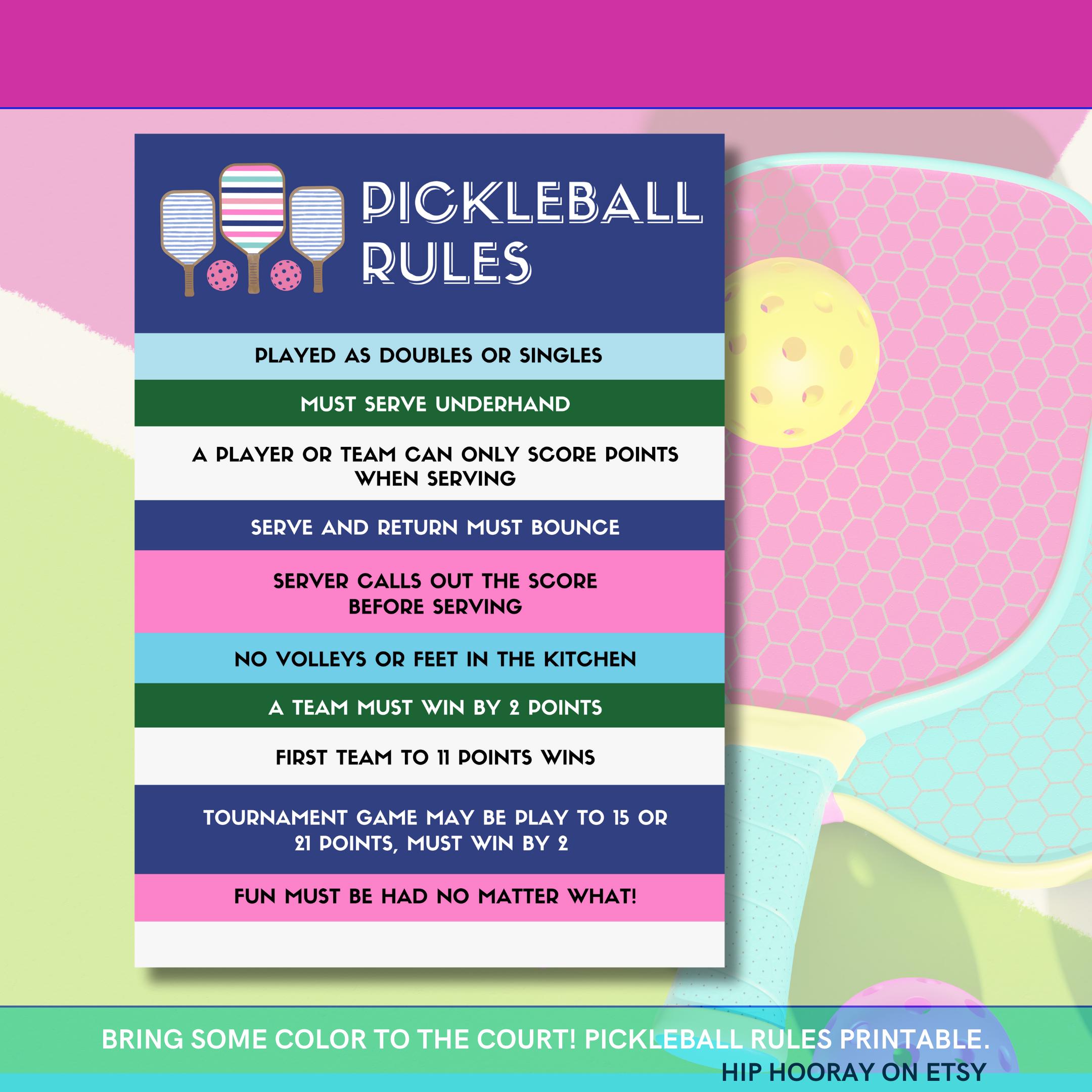
Most pickleball games are played to 11 points, and you must win by two.
If you want clarity on 11 points in pickleball, you’re in the right place. I’ve coached players from day one to tournament play, and I’ll break it down in plain English. You’ll learn how scoring works, why 11 is the standard, and the best tactics to close games. By the end, 11 points in pickleball will feel simple, fair, and very winnable.
What 11 points in pickleball really means
In most matches, the game goes to 11 points. You must win by two. Only the serving team can score under standard side-out scoring. That is the core of 11 points in pickleball.
Here is the big picture:
- Games go to 11 points, win by two. There is no cap unless a local rule says so.
- Side-out scoring is used in standard play. The serving team can score. The receiving team cannot score.
- Doubles uses a two-server system. Singles uses one server per side.
- At 10-10, play continues until one side leads by two points.
According to the official rulebook, organizers can set formats. Yet 11 points remains the most common. That is why you hear “best two out of three to 11” so often.

Why 11 points is the standard
Pickleball started on a driveway. The game had to be quick and fair. Eleven points hit the sweet spot. It is long enough to reward skill. It is short enough to keep the pace fast.
This length also helps court flow. It reduces wait times at busy parks. It limits the impact of lucky points. That is why 11 points in pickleball has stayed the norm in clubs and events.

Step-by-step: How side-out scoring works
Side-out scoring is simple once you see it in action. Here is how it flows in doubles:
- The first serving team starts at 0-0-2. Only one player serves before the side out.
- After that, each side gets two servers per turn. Server 1 serves until a fault, then Server 2 serves.
- Only the serving team can score points. The receiving team can win the rally but only earns the serve.
- Call the score in this order: server score, receiver score, server number (1 or 2).
- The serve starts on the right side when your score is even. It starts left when your score is odd.
Singles is simpler. You are the only server on your side. You still call the score as server score then receiver score. You still must win by two to reach 11 points in pickleball.

Win by two: Clutch play at 10-10
The real test comes at 10-10. Your plan must be clear. The margins are thin. Keep the ball in play, and force a safe reply.
Try these steady moves:
- Serve deep to the backhand. It buys time and slows the attack.
- Return cross-court and deep. Set up your third shot with space.
- Use high-percentage plays. Drop to the kitchen or roll a safe dink.
- Target the weaker player in doubles. Stay on them until you draw a mistake.
- Breathe between points. Keep your pre-serve routine the same.
I coach players to think small. Win the next contact, then the next. That is how you close 11 points in pickleball.
 mistakes to avoid with 11 points in pickleball”
style=”max-width: 100%; height: auto; border: 2px solid black; border-radius: 10px; display: block; margin: 0 auto;”
loading=”lazy”
/>
Common mistakes to avoid with 11 points in pickleball
Tiny errors add up fast. I see these often:
- Calling the score wrong. Always say server score, receiver score, server number.
- Forgetting win-by-two. Do not stop at 11 unless your group uses a cap.
- Switching sides at the wrong time. In game three, switch ends when a team reaches 6.
- Over-hitting at 10-10. Keep it simple. Play high-percentage shots.
- Serving from the wrong side. Even score, serve right. Odd score, serve left.
Catch these early and you will save free points. That is huge in 11-point games.

Variations and exceptions beyond 11 points
Most rec games go to 11. Tournaments can vary. Some round robins go to 15. Some team formats try rally scoring to 21. Pro team events have used rally scoring with a freeze near the end.
Here is what to expect:
- Best two of three games to 11, win by two, is the standard.
- If a third game is needed, you often switch ends at 6.
- Some events use one game to 15 or 21. You still win by two unless capped.
- Rally scoring means every rally counts as a point. Many leagues still prefer side-out scoring.
Always check the posted format. If in doubt, ask before you start. This keeps 11 points in pickleball clean and fair.

Practice drills to master 11-point pressure
You can train for endgame nerves. Use these simple drills:
- 10-10 Freeze Drill: Start at 10-10. Win by two. If the serving team faults, the other side serves with the same score. Play short sets to feel the pressure.
- Side-Out Gauntlet: One team stays on the court. Challengers get one serve turn. If the challengers reach 3 points, they take the court. Focus on holds and clean first balls.
- Third-Shot Ladder: Server must win with a third-shot drop or third-to-fifth pattern. Track holds to 5, then reset.
- Return Deep Challenge: Receiver aims deep cross-court returns. Count clean returns in a row to build control.
These drills build calm. They help you own 11 points in pickleball under stress.

Tournament rules, timeouts, and switching ends
Know the basics before the ref says “play.” It takes one minute to learn, and it saves drama.
Key points:
- Timeouts: Each team gets two timeouts per 11-point game. They last up to one minute.
- Score calling: Say server score, receiver score, server number. Example: 7-5-1.
- Serve order: Doubles uses two servers per side after the first turn, which starts at 0-0-2.
- Switching ends: In a deciding game, change ends when one team reaches 6.
- Disputes: Stop play only on a clear safety issue or rule question. Otherwise, play the rally.
These habits build trust and speed. They also protect your edge in 11 points in pickleball.

Gear and conditions that affect the race to 11
Small choices add up across a short game. Control what you can.
- Ball type: Softer indoor balls sit up more. Outdoor balls skid and fly. Adjust your swing speed.
- Paddle feel: A control paddle helps in tight games. It lowers unforced errors at 9-9 and 10-10.
- Shoes: Good grip saves your legs on quick plants. It also helps at the kitchen line.
- Wind and sun: Serve into the wind with more margin. Lob with the sun at your back.
Make these tweaks and you will feel more in control of 11 points in pickleball.
A quick game plan for hitting 11 first
Here is a simple plan you can use today:
- Serve deep and safe. No double faults. No hero serves.
- Return deep cross-court. Give yourself time to get to the kitchen.
- Use a high, soft third-shot drop. Win the kitchen first, then the point.
- Dink to the backhand. Change pace with a dink speed-up only when set.
- At 8 or more, simplify. Target the weaker player. Play your A+ shots only.
Stick to this plan and you will close 11 points in pickleball more often.
Personal notes from the court
In one league match, we trailed 6-9. We slowed down, called one timeout, and reset our targets. We aimed every serve deep to the weaker backhand and went back to soft thirds.
We tied at 10-10 and stayed patient. Two long dinks later, we drew back-to-back errors. That day reminded me that 11 points in pickleball rewards calm minds and simple patterns.
Frequently Asked Questions of 11 points in pickleball
Do you always have to win by two in games to 11?
Yes. Standard rules say win by two, even at 10-10. Some local formats may set a cap, but that is rare.
Can the receiving team score points under standard scoring?
No. Only the serving team can score. The receiving team must win the rally to earn the serve.
How do you call the score in doubles?
Say server score, receiver score, then server number. Example: 4-2-1 means Server 1 is serving at 4-2.
How many timeouts do you get in an 11-point game?
Each team gets two timeouts per game. They last up to one minute.
When do you switch ends in a deciding game?
Switch when one team reaches 6. In other games, you switch ends after each game.
What is the starting score announcement in doubles?
Start at 0-0-2. That signals only one server on the first turn of the game.
Conclusion
Now you know how and why games go to 11, and how to win them. Keep your plays simple, your serves deep, and your mind calm at 10-10. Focus on patterns that hold up under heat.
Take this guide to the court this week. Try one drill and one tactic from above. If you found this helpful, share it with a partner, subscribe for more tips, or drop your questions in the comments.