Use a wall, cones, and a plan to build skills fast on your own.
If you want to know how to practice pickleball by yourself and actually improve, you’re in the right place. I coach players who train solo between sessions, and I’ve done it for years. This guide breaks down how to practice pickleball by yourself with clear drills, gear tips, and smart routines that work for real players with real life schedules.

Why solo practice works and how to set up
Solo training gives you more reps in less time. It helps you focus on form, footwork, and ball control without pressure. Blocked drills build basics. Random drills build game feel. Mixing both boosts motor learning and retention.
Use a simple setup at home or a public court. Tape a net line on a wall, place targets, and set clear goals. If you want a quick path for how to practice pickleball by yourself, start with a wall, markers, a timer, and a short plan. Keep it simple and repeatable.

Gear and space checklist
You do not need fancy gear to get better. A tight setup lets you train fast and safe.
- Paddle: Pick one you know well for repeatable feedback.
- Balls: Use indoor balls for quiet, outdoor for true bounce. Foam balls help with control drills.
- Targets: Painter’s tape, chalk, cones, or small towels work well.
- Wall or rebounder: A smooth wall is great. A portable net is a bonus.
- Markers: Tape the net height at 34 inches. Mark kitchen line and service boxes.
- Timer and notebook: Track reps, make notes, and set clear goals.
I track three numbers each session: accuracy, consistency streaks, and speed of targets hit. This keeps sessions honest and fun. It also anchors how to practice pickleball by yourself around data, not guesswork.

Warm-up and footwork fundamentals
A good warm-up prevents injury and wakes up your touch. Keep it short and sharp.
- Joint prep: Neck, shoulders, wrists, hips, knees, ankles. Ten light circles each.
- Dynamic moves: High knees, butt kicks, side shuffles, carioca. Thirty seconds each.
- Paddle warm-up: Shadow swings for dinks, volleys, drives, and drops.
- Footwork grid: Set four cones. Move in a box, then diagonals. Stay low and light.
I cue “quiet feet, calm head.” That mantra helps with how to practice pickleball by yourself, since you need self-coaching in the moment. Good footwork makes every shot easier.

Serve and return drills
The serve sets the tone. The return buys time and space. Train both with targets.
- Accuracy serves: Pick four zones. Hit five serves per zone. Track makes.
- Deep return reps: Serve to yourself or bounce feed, then return deep to a taped box.
- Spin and pace ladder: Start soft, then add pace, then add spin. Five balls each.
- Pressure set: Ten serves. Miss under the net tape counts double. Stay calm.
I use a slow three-step serve routine: breathe, bounce, swing. This keeps my motion smooth. It also helps when you work on how to practice pickleball by yourself and need a cue you can repeat.
Dinks and net control at home
Dinking alone is easy and very useful. Aim for height, depth, and angle.
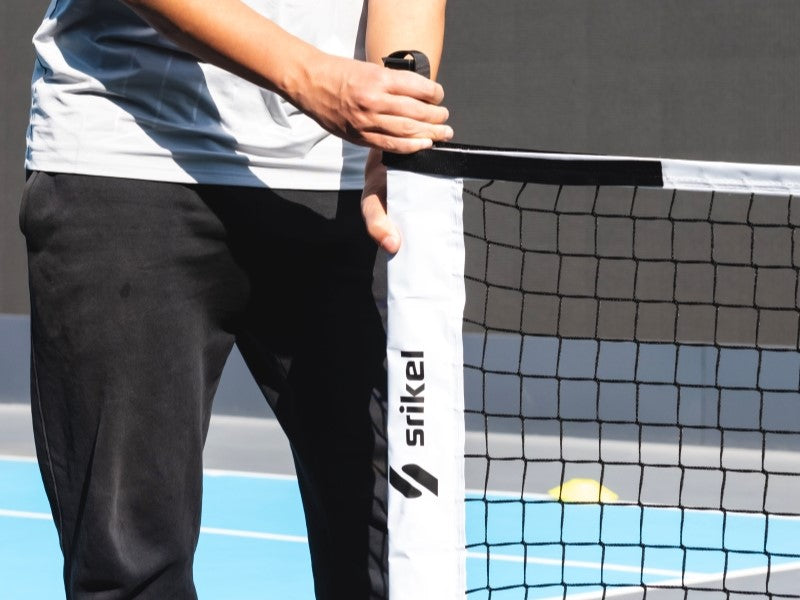
- Wall dinks: Stand six to eight feet from the wall. Keep the ball under the tape line.
- Target dinks: Place two towels near each “sideline.” Alternate left and right.
- Cross-court path: Aim at a diagonal tape line. Hold shape for ten straight hits.
- No-pop drill: Use a foam ball. Goal is soundless contact and soft hands.
Count streaks, not time. Try to beat your best run. If you want to master how to practice pickleball by yourself, make dinks a daily habit. It builds touch fast.
Wall and rebounder workouts
A wall is the best solo partner. It never tires and never judges.
- Volley control: Stand close. Punch volleys to a small box. Keep the paddle out front.
- Block and reset: Feed a hard ball at the wall and soften the rebound into the kitchen.
- Two-touch drill: First touch is a block, second is a dink to a target.
- Reaction cue: Call “left” or “right” out loud as you hit. Turn your head and feet.
I set the wall “net” with tape at 34 inches. I also add a kitchen line on the ground. Small marks create a “court” that guides depth and aim. This makes how to practice pickleball by yourself much more game-like.

Third shot drop and drive practice
Great drops win time. Smart drives make returns hard. Train both with purpose.
- Shadow drop: Slow motion swing to a floor target. Focus on arc and contact point.
- Bounce feed drop: Toss the ball, hit a drop that lands in a kitchen zone.
- Drop to drive: Alternate a soft drop and a firm drive. Keep the same setup.
- Height ladder: Hit five drops that clear the net by 12 inches, then by 6 inches.
Make one change at a time. Adjust grip pressure first, then swing path, then height. That order helps when learning how to practice pickleball by yourself without feedback.

Volleys, blocks, and reaction time
Most points are won or lost near the net. Build fast hands and stable form.
- Box volleys: Aim into a taped box on the wall. Keep a short backswing.
- Backhand wall sets: Quick backhand taps in rhythm. Raise speed every ten hits.
- Block line: Stand just behind a chalked kitchen line. Block the ball down and short.
- Chaos set: Mix forehand, backhand, and punch in random order. Call it out loud.
I like to count “one-two” on contact. One is load. Two is strike. That beat keeps the paddle smooth, which is key for how to practice pickleball by yourself.
Power, spin, and accuracy targets
You need power, but only if you can put it on target with good spin.
- Pace ladder: Five soft, five medium, five fast. Keep the same target.
- Spin focus: Brush up for topspin, slice down for underspin. Track net height.
- Edge target: Place a shoe box at the deep corner. Land three in a row to win.
- Miss small: Aim small. If you miss, you miss small. That still hurts your foe.
Record your best numbers once a week. Consistency under control is the true goal. This is a major pillar in how to practice pickleball by yourself with intent.
Mental game, vision, and strategy alone
You can train your mind without a partner. Small routines pay off in matches.
- Breath box: In for four, hold for two, out for six. Do ten cycles pre-serve.
- Visual focus: Pick a tiny paddle logo and stare at it during swings.
- Pattern walk-through: Shadow a dink, drop, advance, and finish. Speak the plan.
- Script pressure: Ten serves with “game point” stakes. Reset if you rush.
I use short self-talk lines: “Play tall.” “Soft hands.” “See seams.” These cues make how to practice pickleball by yourself more mindful and less random.
Fitness, mobility, and injury prevention
Better movement lifts your whole game. Keep sessions short and steady.
- Mobility: Hips, thoracic spine, ankles. Ten slow reps, daily if you can.
- Strength: Split squats, hinges, rows, and planks. Two sets, two to three days a week.
- Power: Small hops, quick side steps, and medicine ball tosses. Low volume.
- Recovery: Walk five minutes, breathe, and stretch calves and forearms.
Research in racket sports shows strength and mobility cut injury risk. It also helps you repeat good form. That feeds right back into how to practice pickleball by yourself with less soreness.
Tracking progress: plans, metrics, video
What gets measured gets better. Keep it very simple.
- Weekly plan: Three solo days. One serve day, one touch day, one wall day.
- Core metrics: Serve in-rate, dink streak, drop depth, volley target hits.
- Video: Phone at waist height, side and back angles. Review two minutes.
- Feedback loop: One fix per week. Keep notes on what worked and what did not.
I rate sessions green, yellow, or red. Green means better than last time. Yellow means flat. Red means off. This quick check keeps how to practice pickleball by yourself focused and honest.
Sample 30, 45, and 60 minute solo sessions
Use these plans as plug-and-play. Add rest as needed.
-
30-minute tune-up
- Warm-up and footwork: 5 minutes
- Wall dinks: 8 minutes
- Serve accuracy: 10 minutes
- Cooldown and notes: 7 minutes
-
45-minute skills stack
- Warm-up and mobility: 8 minutes
- Third shot drops: 10 minutes
- Volleys and blocks: 12 minutes
- Returns deep: 8 minutes
- Cooldown and notes: 7 minutes
-
60-minute game builder
- Warm-up and ladders: 10 minutes
- Dink targets and angles: 10 minutes
- Drop to drive combos: 15 minutes
- Wall reaction chaos: 15 minutes
- Serve pressure set: 5 minutes
- Cooldown and notes: 5 minutes
If you follow these, you will learn how to practice pickleball by yourself in a way that sticks. Keep your notes and chase small wins each week.
Frequently Asked Questions of how to practice pickleball by yourself
How do I start if I have no wall or net?
Use painter’s tape on a garage door or a smooth fence. Mark the net height and aim for small taped zones to build control.
How many days should I practice solo each week?
Two to four short sessions work well for most players. Keep sessions focused and track one or two metrics to see progress.
What is the best solo drill for fast improvement?
Wall volleys with a small target raise control and reaction time. They also improve paddle position and contact consistency.
How can I practice the third shot alone?
Bounce feed and hit drops into a taped kitchen zone. Focus on height over the net and soft hands, then add movement.
How do I stay motivated when training alone?
Set streak goals, use a timer, and record your best scores. Short, structured sessions beat long, random ones.
Conclusion
Solo training works when you keep it simple, measurable, and repeatable. Use a wall, clear targets, and short focused blocks to build touch, timing, and trust in your strokes. Keep notes, film a few swings, and aim for one small gain each week.
Pick one session above and try it today. If this guide helped, subscribe for more weekly drills, or drop a comment with your best solo tip.