
DUPR is a live pickleball rating that tracks how well you play.
If you care about fair matches, smart seeding, and steady progress, you will love the dupr pickleball rating system. I have used DUPR to run club ladders and coach players at all levels. In this guide, I will break down how it works, what affects your rating, and how to improve with clear steps and real stories. You will leave with a strong grasp of the dupr pickleball rating system and the tools to use it with confidence.

What Is DUPR?
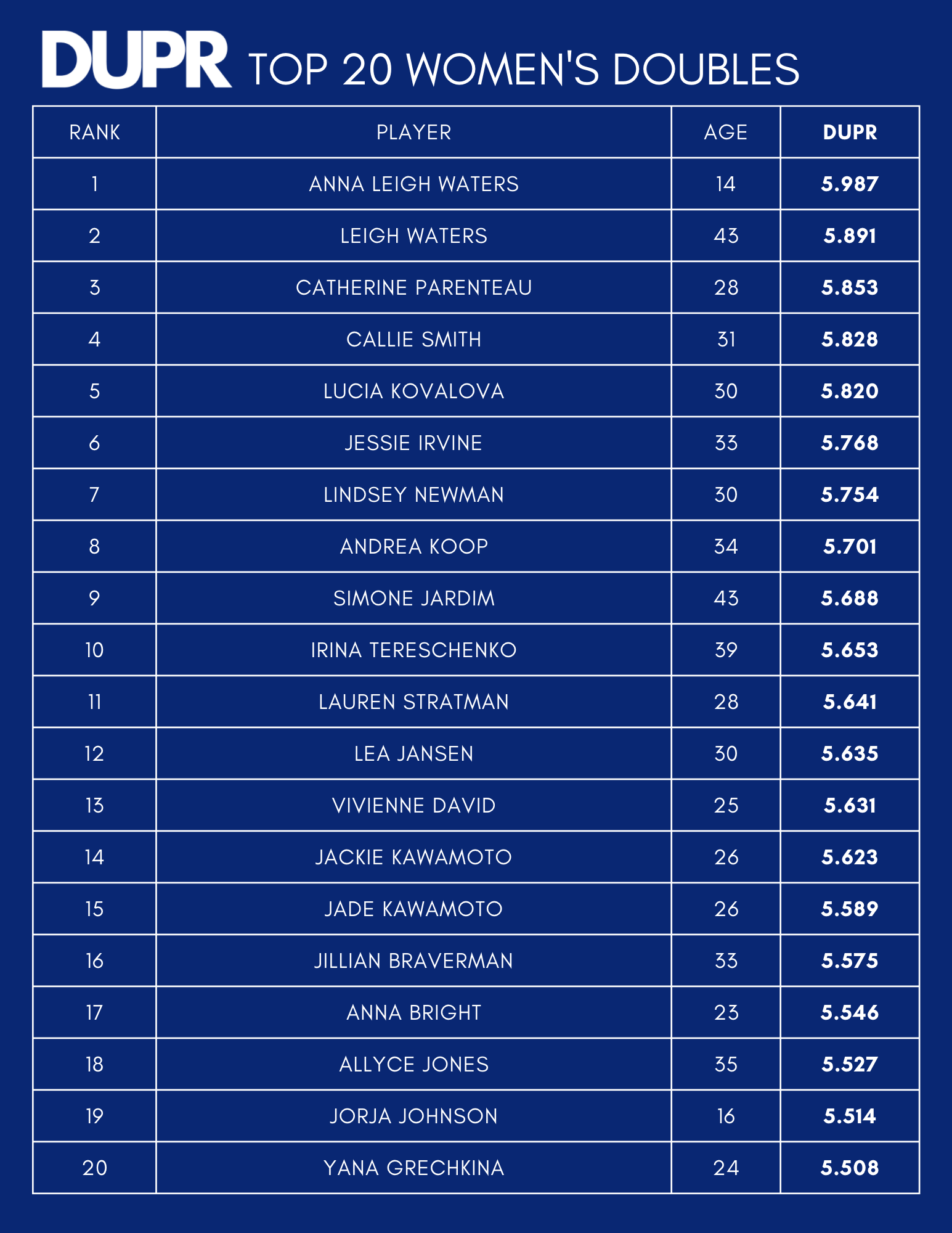
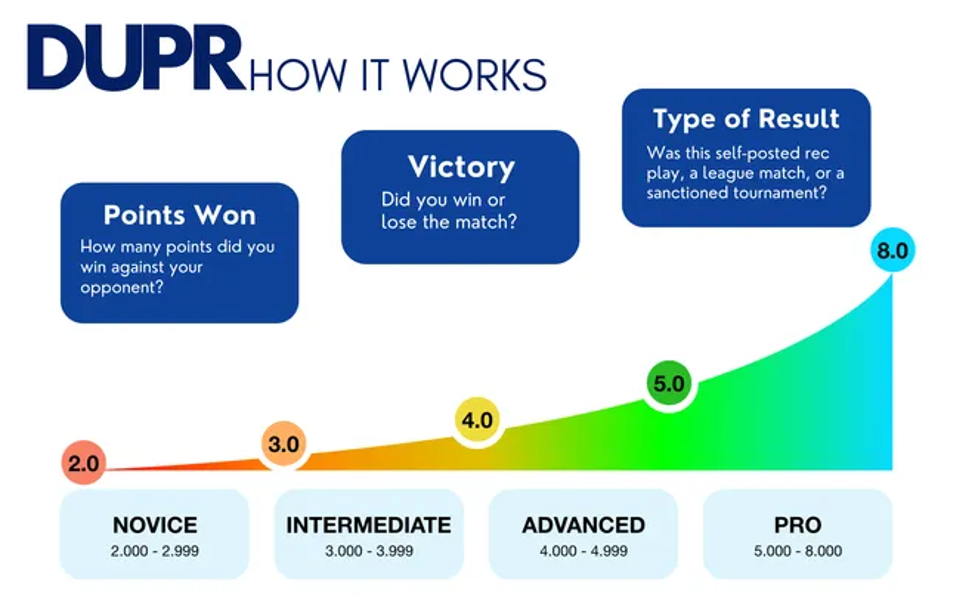
DUPR stands for Dynamic Universal Pickleball Rating. It gives each player a number that shows skill. The scale runs from roughly 2.0 to 8.0. Most players sit between 3.0 and 5.5.
The dupr pickleball rating system updates when you add match scores. It looks at who you played, what the score was, and how recent the match is. It supports singles and doubles and tracks them on separate lines.
Clubs, leagues, and events use DUPR to set fair matches. Players use it to find partners and measure growth. It is free to start, and you can add casual and event results.

How the dupr pickleball rating system works
The dupr pickleball rating system works like a smart Elo. It predicts who should win. Then it checks how you did. Your rating moves up more when you beat higher rated players. It moves less when the result matches the odds.
The model weighs:
- Opponent strength. Wins over stronger foes boost ratings more.
- Score and margin. Close sets move ratings less than clear wins.
- Match type. Verified tournament or club results count more than casual play.
- Recency and volume. Fresh, frequent results add more confidence.
Here is a simple example. You are 4.0. You beat a 4.4 team 11–9, 11–8. You gain a nice bump because you beat up. If you lose 10–12, 9–11, the drop is small since the match was close and the rival was stronger.
This system adapts fast when you start. Then it slows as your rating gets stable. That helps new players land near the right level in fewer matches.
Singles vs doubles in DUPR
You hold separate ratings for singles and doubles. That makes sense. Singles rewards speed, reach, and passing shots. Doubles rewards team play, resets, and soft hands.
In doubles, your change depends on both teams’ ratings and the score. Your partner matters. If you carry a weaker partner to tight wins, you still gain. If you win with a much stronger partner, your gain may be small. The dupr pickleball rating system looks at team balance to stay fair.
I tell players to play both if they enjoy both. Your growth is clearer when you log consistent formats with good scorekeeping.
Getting your first DUPR rating
Starting is simple. Here is the path I use with new players:
- Create a DUPR account. Complete your profile and location.
- Log your first matches. Add opponents, format, and full scores.
- Seek verified play. Join a club session, league, or sanctioned event for more weight.
- Play three to five matches soon. This helps the model find your level.
- Keep scores clean. Enter exact scores and match types to avoid messy data.
After a few weeks, you will have a stable number. The dupr pickleball rating system will feel more accurate as you add more results against known players.

How to improve your DUPR rating the right way
The best way to climb is to play strong but fair matches. Aim for steady growth, not big swings. Here is what works for my players:
- Choose smart matchups. Face players a bit above your level. Learn and adjust.
- Focus on close sets. Even a tight loss to stronger rivals can help.
- Log real results often. Active, recent play gives your rating more trust.
- Improve with clear goals. Work on third shots, returns, and dink depth.
- Track patterns. If you get stuck in the mid-game, train there first.
Avoid gaming the system. Blowout wins over much weaker players teach little. The dupr pickleball rating system rewards quality more than volume.
DUPR vs UTPR vs NTRP
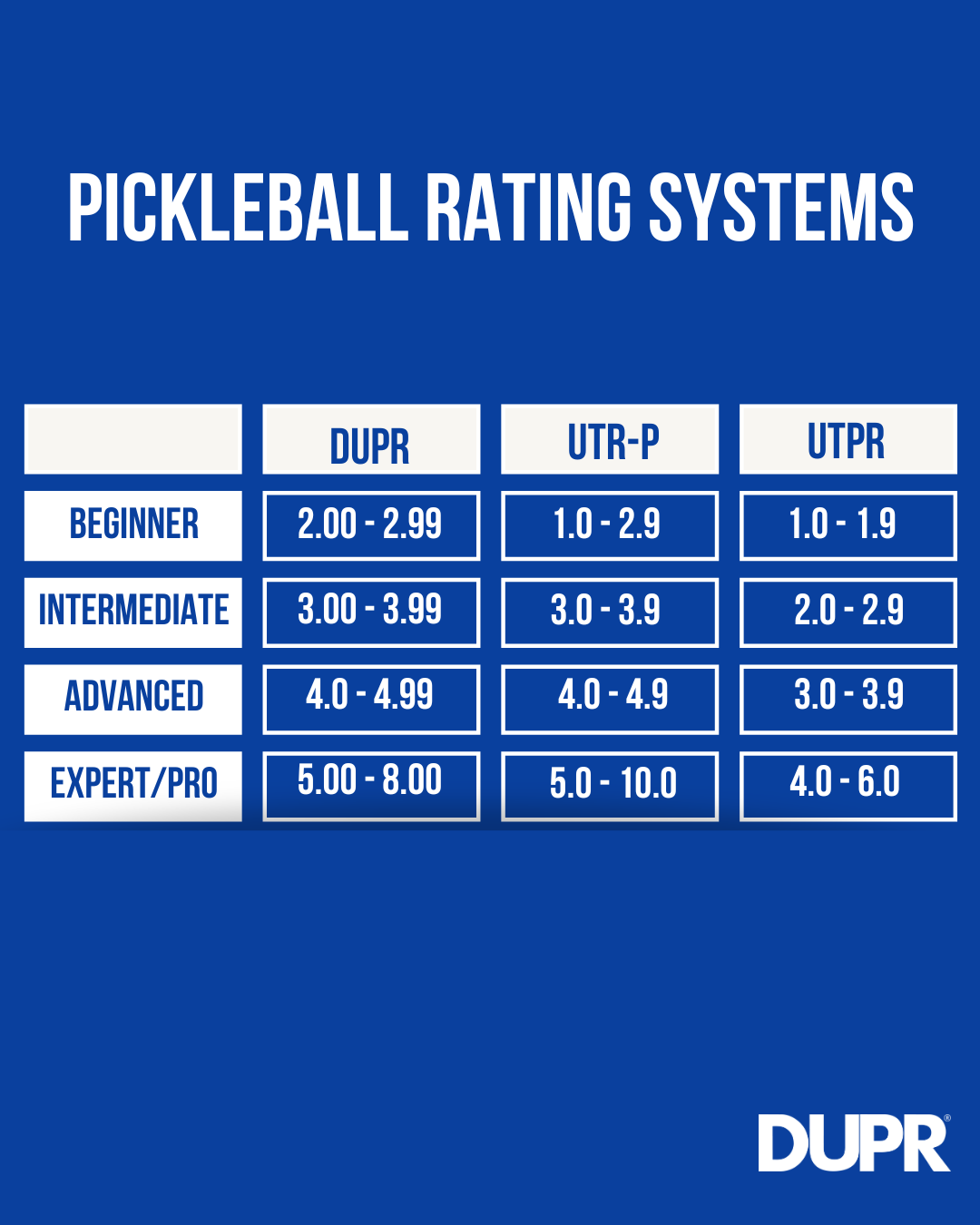
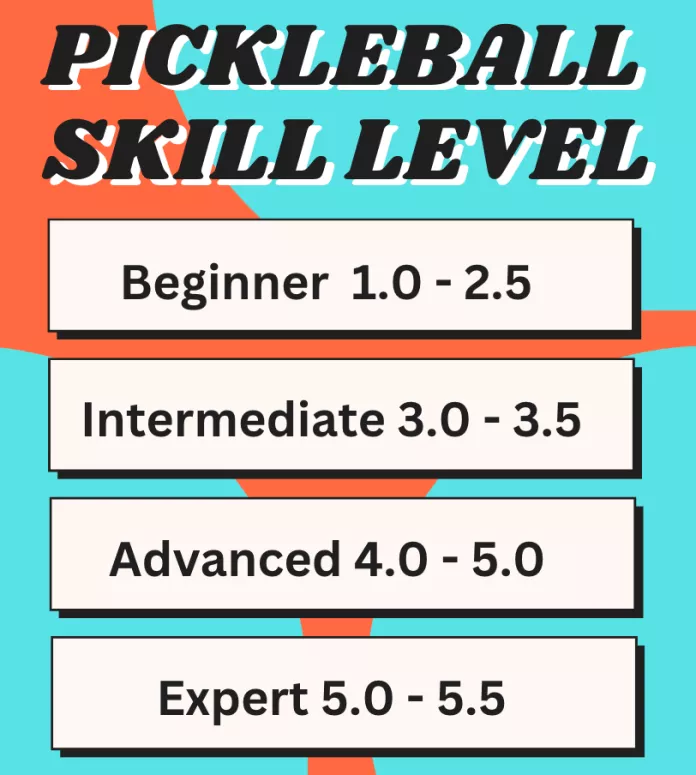
Players often ask how DUPR compares to other scales. Here is a quick frame:
- DUPR. Dynamic, point-aware, singles and doubles, casual and verified input, global use.
- UTPR. USA Pickleball’s rating based on sanctioned events. Strong for tournament seeding.
- NTRP. A tennis-style self-assessment scale used by some clubs for grouping.
The dupr pickleball rating system shines for daily play, ladders, and cross-regional matchups. UTPR is great for national events that require that standard. Many clubs now track both when needed.

Data quality, sandbagging, and fairness
A rating is only as good as the data. DUPR adds guardrails to protect trust:
- Verified results weigh more. Tournament and club scores reduce bias.
- More matches raise confidence. Outliers fade when you log steady play.
- Score sensitivity. The model values close, honest scores over blowouts.
- Inactivity checks. Long gaps lower confidence until you play again.
If you worry about sandbagging, ask your club to require verified sessions. The dupr pickleball rating system improves fast when communities log clean, frequent matches.

My hands-on lessons using the dupr pickleball rating system
I run a weekly ladder that syncs to DUPR. Here are lessons that saved us time:
- Always enter full scores. Early on, we had 11–0 guesses. Ratings swung too much. Full scores fixed that.
- Keep formats consistent. Mix best-of-three and single games, but tag them right.
- Use clinics to prep. Players who drilled third-shot drops and resets saw gains in two weeks.
- Aim for near-level courts. We target within 0.5 rating points. Matches feel fair and fun.
- Communicate changes. When someone has a hot streak, we move them up fast.
These small habits make the dupr pickleball rating system work smooth for clubs and players.
Tools and app tips to get more from DUPR
The app and partner tools can speed up your progress. Here is what helps:
- Player search. Find rivals near your level and set home-and-home matches.
- Club pages. Join events that push verified data to your profile.
- Match templates. Use saved formats to avoid score entry errors.
- Trends and graphs. Watch your 30-day curve to see if training sticks.
- Notifications. Get alerts to confirm results fast and avoid stale entries.
Use these features weekly. The dupr pickleball rating system feels more exact when you keep a steady flow of clean data.
Frequently Asked Questions of dupr pickleball rating system
How is the rating scale defined?
DUPR runs from roughly 2.0 to 8.0. Most adult club players land between 3.0 and 5.0, and pros sit near the top.
How often does DUPR update?
Ratings update after results are confirmed. If you log and confirm the same day, you see changes right away.
Do casual matches count?
Yes, casual matches count but often weigh less than verified events. Accurate, complete scores help those matches matter more.
Can I have different singles and doubles ratings?
Yes. Singles and doubles evolve on separate tracks. Many players have a higher doubles rating due to teamwork skills.
What happens if I take a break?
Your rating stays but confidence drops with long gaps. Play a few matches and it will adjust to your current form.
Does opponent withdrawal or injury affect ratings?
If a match ends early, enter the accurate scores and notes. Partial data has less weight, and verified events handle this best.
Can I hide my rating?
You can control some profile visibility in the app. For leagues, organizers may still need access for fair seeding.
Conclusion
DUPR gives pickleball a clear, live way to track skill. It looks at who you play, how the match ends, and how often you compete. With honest scores and steady play, the dupr pickleball rating system becomes a powerful guide for goals, seeding, and growth.
Start today. Log three to five matches this week and watch your trend line. If this guide helped, follow for more tips, share it with your group, or leave a question and I will help you dial in your plan.