
Typical pickleball court cost ranges $25k–$85k new, $5k–$20k conversion or resurface.
If you want a simple number, that is it. But a smart plan can cut that budget by thousands and still play great. I’ve managed and priced courts for HOAs, parks, and backyards, and I’ll walk you through every factor that drives pickleball court cost. You’ll see real numbers, sample budgets, and money-saving tips you can use right away.

Pickleball court cost at a glance
Pickleball court cost varies with site work, surface choice, fencing, and lights. Region and access also matter a lot. The ranges below reflect recent bids and completed projects I have tracked.
- Backyard, basic asphalt, no lights: $20,000–$40,000
- Backyard, post-tensioned concrete, lights, full fence: $45,000–$85,000
- Public outdoor court, premium spec: $60,000–$120,000
- Indoor court in an existing gym: $8,000–$40,000 per court (surface and lines only)
- New small indoor building for one to two courts: $150,000–$500,000+
These are ballpark ranges, not quotes. Local labor, drainage needs, and access can shift your pickleball court cost by 20–40%.
New build cost breakdown
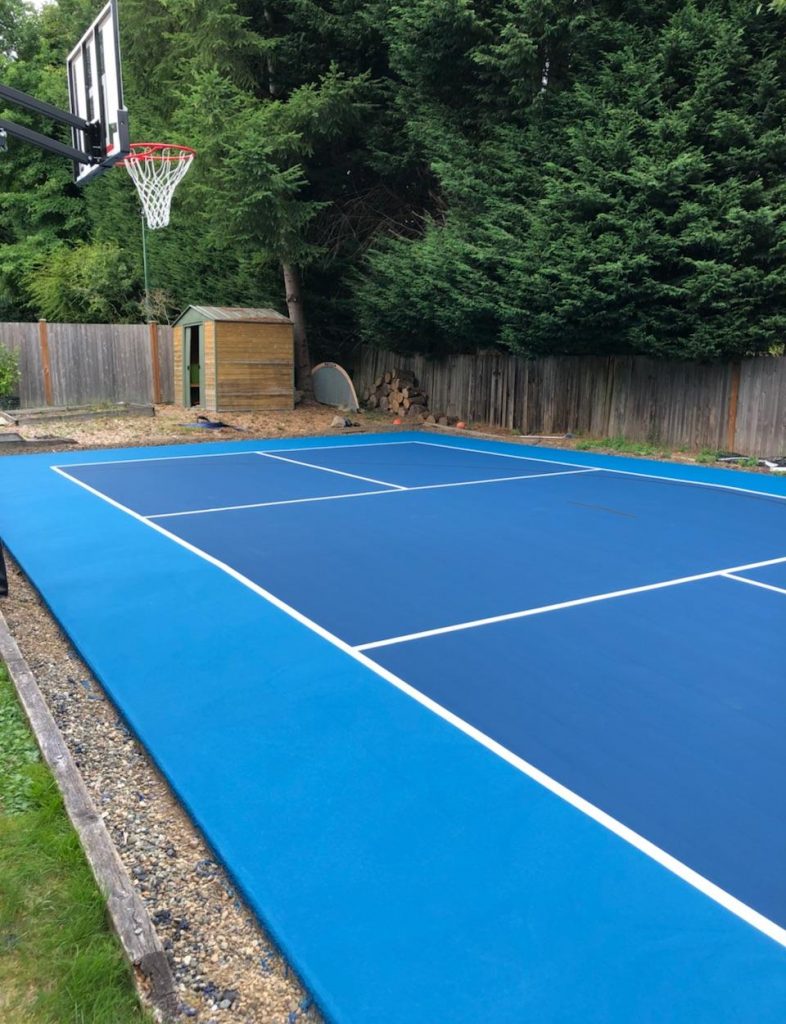
A regulation court plays best at 30 by 60 feet. Many owners add a walkway, so plan for a pad near 34 by 64 feet. Your pickleball court cost depends on each layer.
- Site prep and grading: $3,000–$20,000; tree roots, tight access, and drainage raise cost.
- Base, asphalt or concrete: $7,000–$35,000; asphalt is cheaper up front, concrete lasts longer.
- Acrylic surfacing and striping: $2,500–$8,000; colors and cushion add to cost.
- Fencing, 8–10 feet high: $5,000–$12,000; gates and privacy mesh increase price.
- Lighting, LED poles and controls: $6,000–$20,000; dark-sky fixtures cost more but help neighbors.
- Net system, center strap, anchors: $400–$1,500; pro-grade posts are worth it.
- Accessories, benches, shade, windscreens: $1,000–$10,000; plan comfort for longer play.
- Contractor overhead, mobilization, insurance: 10–20% of hard costs; remote sites cost more.
From my projects, the sweet spot for a quality outdoor court with lights and fence is $55,000–$75,000 in many suburbs. If access is simple and you skip lights, I have seen solid builds at $28,000–$40,000.

Converting an existing surface to pickleball
Conversion can slash your pickleball court cost. You may already have a tennis court, a sport slab, or a parking pad to repurpose.
- Striping only on a good surface: $300–$800 per court; add temp nets and you are playing fast.
- Resurfacing plus lines: $3,000–$7,000; fixes hairline cracks and brings grip back.
- New posts and sleeves in existing slab: $800–$1,800; core drilling adds labor.
- Fencing tweaks or dividers: $2,000–$8,000; helps with stray balls and safety.
- Lighting upgrades to LED: $5,000–$15,000; reuse poles if code allows.
- Sound control if near homes: $3,000–$15,000; acoustic screens and softer balls help.
One tennis court can hold two to four pickleball courts. When we converted a community tennis court to three pickleball courts, the total was about $18,000 with resurfacing, permanent nets, and partial fence work. That is far less than a full new build.
Indoor vs outdoor pickleball court cost
Indoor play is weather-proof, but the structure drives cost. If you already have a gym, your pickleball court cost can be modest. If you build a shell, it rises fast.
- Using an existing gym or warehouse: $8,000–$40,000 per court; includes surface coating, lines, nets, LED lights, and sound panels.
- New small metal building: $150,000–$500,000+; the shell, slab, insulation, HVAC, fire code work, and parking dominate.
- Flooring choices: acrylic over concrete is budget. Modular tiles cost more but install fast. Cushioned systems are great for joints.
In my experience, the biggest indoor surprise is acoustics. Budget for sound panels. Loud courts can upset neighbors and players.

Surface choices and long-term value
Your surface sets play speed, grip, and upkeep. Think beyond day one cost.
- Asphalt: lowest first cost; $4–$10 per square foot. Needs crack repair and seal work over time.
- Post-tensioned concrete: higher first cost; $8–$18 per square foot. Fewer cracks and a longer life.
- Modular tiles: fast install; $5–$12 per square foot for tiles alone. Good for rentals or events.
- Acrylic color systems: $1.50–$4 per square foot for coating. Choose UV-stable products for fade control.
Over 10 years, I often see post-tensioned concrete win on total cost of ownership. Fewer repairs, fewer headaches, and steady play. That matters when you forecast your pickleball court cost.

Ongoing costs and maintenance
Set a small yearly budget. It keeps the court safe and sharp.
- Cleaning and debris control: $200–$600 per year; power wash with care.
- Crack repair and touch-up: $200–$1,000 per year; fix small problems early.
- Resurfacing: every 4–7 years; $4,000–$10,000; climate dictates timing.
- Nets, straps, and posts: $150–$600 every few years; store nets in winter if you can.
- Lighting checks and replacement: LEDs last long, but keep a small reserve.
A clear maintenance plan protects your investment and lowers your long-run pickleball court cost.
Permits, drainage, and hidden fees
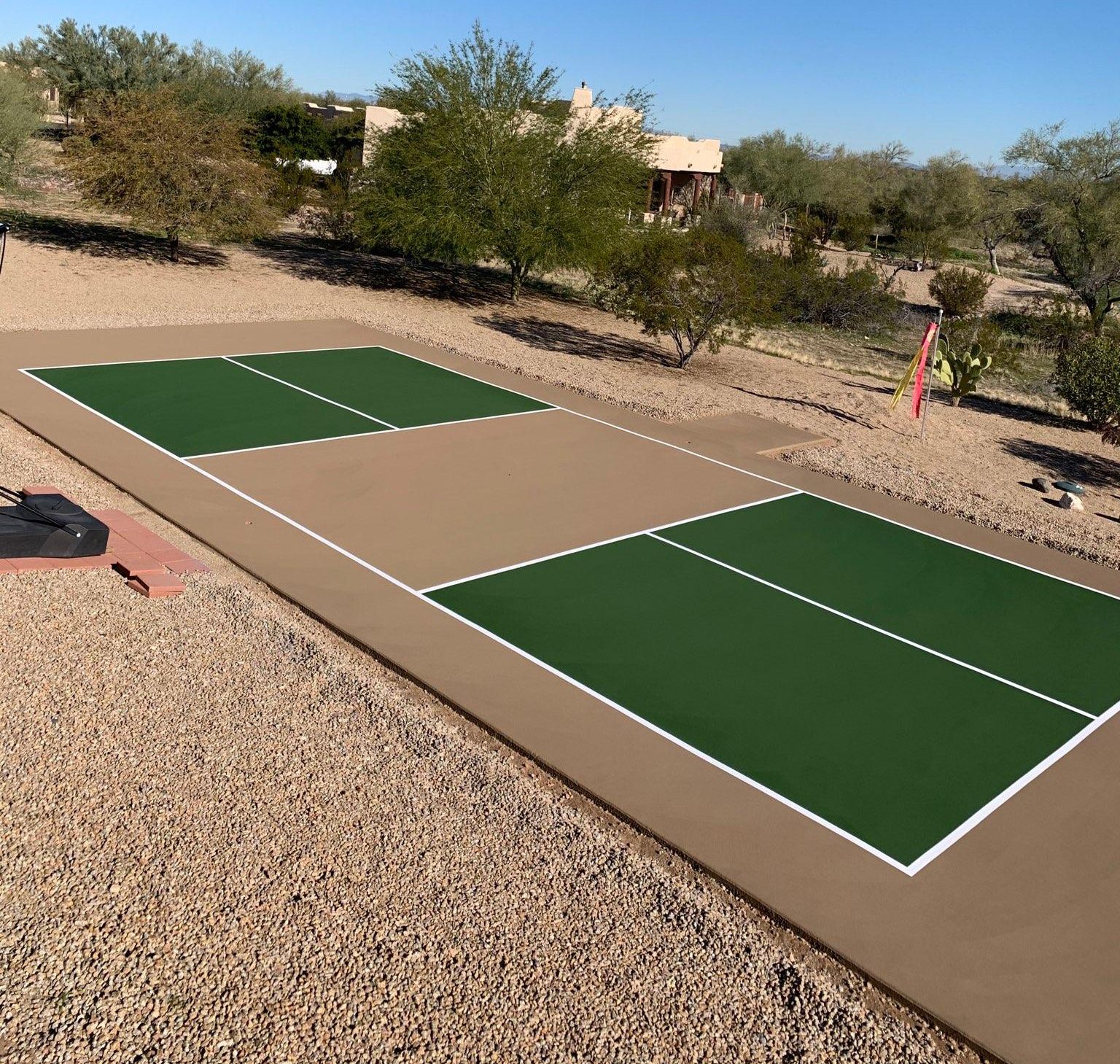
Soft soil, water, and rules can change your budget fast. Plan for due diligence.
- Survey, soils report, and engineering: $1,000–$6,000; saves rework later.
- Permits and inspections: $500–$5,000; varies by city and scope.
- Stormwater and drainage work: $2,000–$15,000; swales, French drains, or dry wells.
- Access and mobilization: $1,000–$5,000; tight yards or long hauls add time.
- Utility locates and trenching: $500–$3,000; power for lights needs planning.
- Insurance and bond costs: 1–3% of project value; often required for public work.
I once skipped a soils test to “save” money. We hit expansive clay, and the change order cost more than the test would have. Do the homework. It lowers your real pickleball court cost.

Budgeting tips, cost-saving ideas, and mistakes to avoid
Smart choices can shave 10–25% off your budget without hurting play.
- Reuse what you can: existing slab, lights, or fence posts reduce spend.
- Build in the off-season: contractors price sharper when schedules are open.
- Choose one premium: pick either lights or a premium surface at first, not both.
- Phase the project: add shade and windscreens later after play starts.
- DIY only safe tasks: demo, landscaping, or painting gates. Leave structure and coating to pros.
- Avoid these mistakes: poor drainage, wrong court orientation, thin base, and cheap nets. They fail fast.
I like to collect two to three apples-to-apples bids with the same scope. That single step can trim your pickleball court cost by 8–15%.
Two sample budgets you can copy
Use these as templates to plan your project.
-
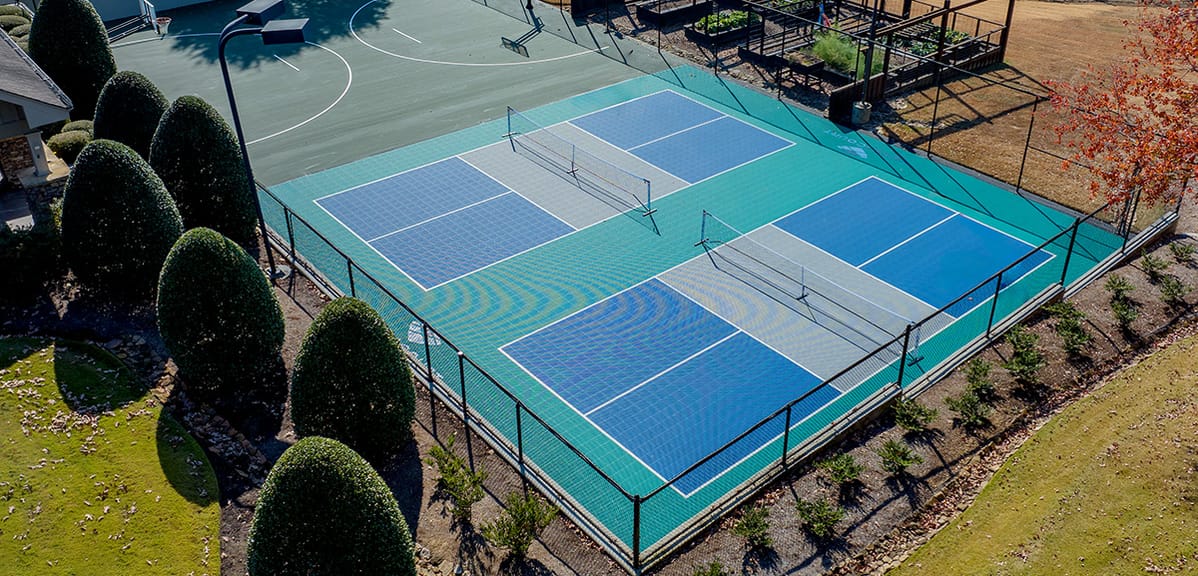
Backyard value build, no lights, asphalt base: site prep $5,000; asphalt and base $12,000; acrylic coat and lines $3,500; fence 8 feet on ends only $4,500; posts and net $800; benches and small shade $1,200; permits and overhead $2,500. Estimated total $29,000–$33,000.
-
HOA premium outdoor court with lights, concrete: site and drainage $10,000; post-tensioned concrete $26,000; acrylic cushion system $6,500; 10-foot fence full perimeter $8,500; LED lighting with two poles $12,000; acoustic screens $4,000; seating and shade $4,000; design, permits, and overhead $6,000. Estimated total $74,000–$80,000.
These examples show where the money goes and how each choice changes your pickleball court cost.
Timeline and checklist
A clear plan keeps your schedule tight and your budget safe.
- Pre-design, site study, and budget: 2–4 weeks; confirm goals and constraints.
- Design, bids, and permits: 4–8 weeks; longer if drainage reviews are needed.
- Build, cure, and coat: 3–8 weeks; concrete needs cure time before coatings.
- Final striping and punch list: 1 week; test bounce and net height before sign-off.
Checklist items include survey, soils test, drainage plan, electrical plan, fence layout, lighting specs, surfacing system, and warranty terms. Each item impacts your final pickleball court cost.
Funding models for communities and clubs
There are many ways to fund a court without taking on all the cost at once.
- Grants and park funds: many programs back active living projects.
- Sponsorships and naming rights: fence banners and shade names help cover costs.
- Member buy-ins or founder bricks: small contributions add up fast.
- Court rentals and drop-in fees: steady cash flow for maintenance.
- Local business partnerships: clinics and events bring sponsors and players.
I have seen clubs fund a $70,000 court in under six months with a mix of grants and small sponsors. Tie each dollar to a visible feature. It builds trust and covers your pickleball court cost.
Frequently Asked Questions of pickleball court cost
How much does it cost to build a backyard pickleball court?
Most backyard builds land between $25,000 and $60,000. Lights, fences, and drainage push costs toward the high end.
What is the cheapest way to start playing at home?
Stripe an existing slab and use a portable net. Expect $300–$1,500 if the surface is sound.
Is concrete or asphalt better for long-term value?
Post-tensioned concrete costs more up front but cracks less over time. It often wins on total cost over 10 years.
How much do lights add to the budget?
Quality LED lighting adds $6,000–$20,000 per court. Reusing poles or trench paths can lower that number.
How often should I resurface a court?
Plan to resurface every 4–7 years depending on climate and use. Budget $4,000–$10,000 per cycle.
Can one tennis court be converted into multiple pickleball courts?
Yes, often two to four courts fit depending on layout and buffers. Expect extra costs for nets, lines, and partial fencing.
What hidden costs surprise owners most?
Drainage, soils issues, and permit fees are common surprises. Tight access for equipment can also raise labor costs.
Conclusion
Your best pickleball court cost is the one that fits your site, your goals, and your timeline. Focus on a solid base, good drainage, and a surface you love, then add lights and extras in phases. Start with a clear scope, collect comparable bids, and use the sample budgets above to plan your spend.
Ready to price your project? Bookmark this guide, share it with your committee, and drop your questions in the comments so I can help you refine your numbers.