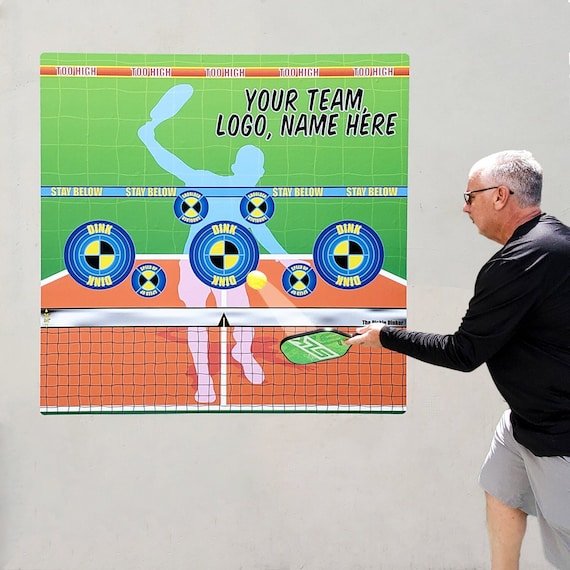
A pickle ball practice wall is a simple, steady partner that never misses.
If you want faster improvement with less guesswork, a pickle ball practice wall is the smartest upgrade you can make. I coach players of all levels, and I’ve built and tested many walls. In this friendly, research-backed guide, I’ll show you how a pickle ball practice wall works, how to build one, the best drills, and the exact steps to turn it into your most reliable training tool.
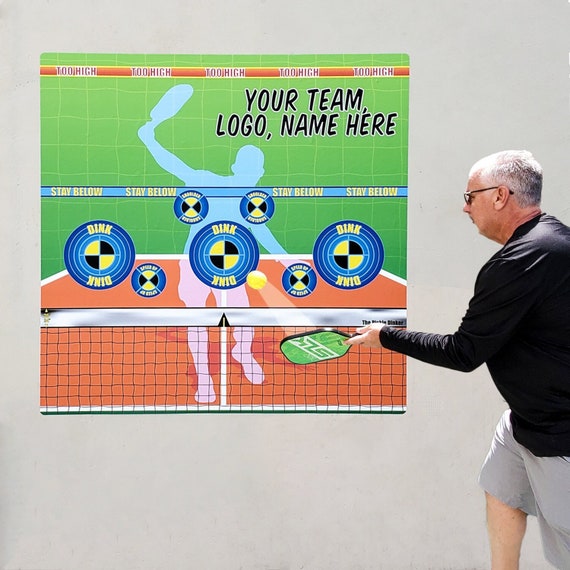
What Is a Pickle Ball Practice Wall and Why It Works
A pickle ball practice wall is any flat surface you hit against to get endless reps. Think of it as a coach who feeds perfect balls and never gets tired. You control pace, height, and spin, and you get instant feedback from each bounce.
The science is simple. More quality repetitions build better timing, clean contact, and sharp footwork. Short, focused sets also lock in muscle memory. In my sessions, players who add 15 minutes a day on a pickle ball practice wall improve consistency in one to two weeks.

Key Benefits You’ll Notice Fast
- Reps on demand. Get hundreds of hits in minutes without a partner.
- Cleaner mechanics. The wall punishes mishits and rewards centered contact.
- Better footwork. You must reset, split step, and move early.
- Control under pressure. Practice dinks, drops, and volleys until they feel automatic.
- Spin and height mastery. See how topspin, underspin, and drive pace change the rebound.
- Fitness boost. Short wall intervals raise heart rate and improve endurance.
- Confidence. A pickle ball practice wall builds trust in your stroke when matches get tight.

Source: youtube.com
Ideal Dimensions, Markings, and Setup
Aim for a smooth, solid wall at least 10 feet wide and 8 to 10 feet high. If space allows, 16 to 20 feet wide feels great. Mark a line at 34 inches from the ground to mirror net height at the center. Add a second line at 36 inches to simulate the posts.
Stand 14 to 20 feet from the wall for most drills. Use outdoor pickleballs on concrete or asphalt. Use indoor balls on wood or sport court. Tape or paint a “kitchen” zone on the ground 7 feet from the wall. This turns your setup into a mini-court.
Good surfaces include sealed plywood, smooth stucco, garage doors with a plywood overlay, or commercial rebound panels. Add rubber mats or acoustic panels if noise is a concern. A pickle ball practice wall should feel firm but not dent your ball.

Types of Pickle Ball Practice Wall Options
- Permanent backyard wall. Best feel and size. Needs space and a weatherproof finish.
- Temporary plywood panel. Budget friendly. Clamp or brace it to a fence or frame.
- Portable rebounder. Easy to move. Smaller sweet spot and more bounce variation.
- Gym or school wall. Use painter’s tape for net lines. Clear it with staff first.
- Commercial systems. Durable and quiet. Higher cost but long-lasting.
I’ve used all of these. For most players, a simple plywood pickle ball practice wall with a clear net line is the best start.

DIY Pickle Ball Practice Wall: Step‑by‑Step
Materials
- Two 4×8 sheets of 3/4-inch exterior plywood
- Four 2×4 studs for a frame
- Masonry anchors or deck screws
- Exterior paint or sealer
- Painter’s tape and measuring tape
- Rubber mats or foam panels for noise control
Steps
- Build a 2×4 frame and attach the plywood sheets side by side.
- Anchor the frame to a solid fence, garage wall, or freestanding posts.
- Sand rough edges. Seal with exterior paint for weather protection.
- Measure 34 inches from the ground. Tape or paint a bold net line.
- Add a 7-foot kitchen line on the ground with tape or chalk.
- Lay rubber mats in front to reduce noise and ball bounce wear.
Budget and time
- Cost: $150 to $400 depending on materials.
- Build time: Half a day with basic tools.
- Tip: If you rent, make a freestanding frame so you can move it later.
Safety
- Wear eye protection while building.
- Check anchors and screws every month.
- Keep the ground clear of debris to avoid slips.
This DIY pickle ball practice wall works indoors or outdoors with small tweaks.

Essential Drills for Every Skill Level
Beginner focus: clean contact and control
- Wall dink ladder. Stand 7 feet away. Hit 50 dinks under the net line without popping up.
- Target drops. From 14 feet, hit gentle arcs that bounce near the kitchen line. Do 3 sets of 20.
- Volley blocks. Stand 10 feet away. Short punch volleys, no swing. 3 sets of 30.
Intermediate focus: rhythm, spin, and depth
- Third-shot drop to drive. Alternate one drop, one drive for 2 minutes. Rest 60 seconds. Repeat 4 times.
- Topspin drives. Aim one foot above the net line. 4 sets of 20 with a split step each rep.
- Reset drill. Start closer, take fast rebounds off the bounce with soft hands for 90 seconds.
Advanced focus: patterns under pressure
- Two dinks, one speed-up. Keep it low, then add a fast forehand at chest height. 5 rounds of 60 seconds.
- Inside-out forehand and backhand roll. Change angles each shot for 3 rounds of 30.
- Footwork carousel. Shuffle left, hit, shuffle right, hit. Stay light. 4 sets of 45 seconds.
Cues to remember
- Split step as the ball hits the wall.
- See the bounce early and move through contact.
- Finish short on volleys, longer on drives and drops.
A pickle ball practice wall lets you stack these drills in short, sharp sets.

Weekly Practice Plan You Can Stick To
Day 1: Foundations
- 10 minutes of dinks
- 10 minutes of drops
- 5 minutes of volleys
Day 2: Pace and spin
- 10 minutes of topspin drives
- 10 minutes of resets
- 5 minutes of footwork shuffles
Day 3: Patterns
- 5 minutes of dinks
- 10 minutes of two-dink-one-speed-up
- 10 minutes of drop to drive cycles
Day 4: Match prep
- 8 minutes of serve tosses into the wall for rhythm
- 12 minutes of random patterns
- 5 minutes of cool-down dinks
Each session is about 25 to 30 minutes. Add or cut sets as you need. The pickle ball practice wall makes this plan easy to follow every week.

Common Mistakes and How to Fix Them
- Standing too close. Fix: Step back to 14 to 20 feet for proper time.
- Swinging only with your arm. Fix: Use your legs and core. Smooth, compact strokes.
- No split step. Fix: Bounce on your toes as the ball hits the wall.
- Hitting too high. Fix: Aim a ball’s height over the net line for control.
- Ignoring spin. Fix: Mix topspin, underspin, and flat balls every set.
I once trained a player who hit only flat drives. We added 5 minutes per day of topspin on the pickle ball practice wall. Within two weeks, their errors dropped by half.

Safety, Noise, and Maintenance Tips
- Wear eye protection if the rebound is fast.
- Use a softer ball or foam layer if neighbors complain.
- Add rubber mats to cut impact sounds and protect balls.
- Inspect the wall monthly for cracks, loose screws, or splinters.
- Repaint net lines when they fade so targets stay clear.
A well-kept pickle ball practice wall is quieter, safer, and more fun to use.
Practice Wall vs Ball Machine vs Live Play
Practice wall
- Best for reps, control, and footwork. Cheap and always ready.
- Less ball variation, so add patterns to avoid monotony.
Ball machine
- Great for adjustable pace and spin. Good for specific shots.
- Costs more and needs power or battery.
Live play
- Best for decision making and tactics.
- Harder to repeat exact feeds or fix a single issue fast.
Use all three if you can. If not, a pickle ball practice wall plus weekly games covers most needs.
Where to Buy or Find a Pickle Ball Practice Wall
- Home setup. Plywood from hardware stores, plus paint and tape.
- Portable rebounders. Look for sturdy frames, adjustable angles, and a quiet surface.
- Community options. Courts, schools, or gyms may allow wall practice during off hours.
- Commercial panels. Check for weatherproofing, UV resistance, and a good warranty.
When shopping, test rebound feel if possible. A solid pickle ball practice wall should return a true bounce and match your court surface.
Frequently Asked Questions of pickle ball practice wall
How far should I stand from a pickle ball practice wall?
Start 14 to 20 feet away. Move closer for quick volleys and farther for drops and drives.
What height should I mark as the net line on my wall?
Mark 34 inches to match the center net height. Add 36 inches to mirror the posts.
Can I use a garage door as a pickle ball practice wall?
Yes, but protect it with a plywood panel. This keeps the bounce true and prevents dents.
How long should a wall session be for real gains?
Aim for 20 to 30 minutes, three to four times a week. Use short sets with 1-minute rests.
Is a ball machine better than a pickle ball practice wall?
They do different jobs. The wall is best for repetition and control; machines help with varied pace and spin.
What drills help my third-shot drop on a wall?
Stand 16 to 18 feet out and arc the ball to land near the kitchen line. Do 3 to 4 sets of 20 controlled drops.
Conclusion
A pickle ball practice wall gives you reliable reps, fast feedback, and real progress. Build or buy a simple setup, mark your lines, and follow short, focused drills. Stack small wins, week after week.
Set up your wall this weekend and try the four-day plan above. If you want more drill ideas or gear tips, subscribe for updates, share this with a friend, or drop your questions in the comments.