Plan formats, secure courts, set a budget, schedule smart, and communicate clearly.
If you want to learn how to run a pickleball tournament that feels smooth, fair, and fun, you are in the right place. I’ve directed and advised events from small club days to large city opens, and I’ll walk you through every step. We will cover formats, staffing, budget, tech, and player care, so you can run a pickleball tournament with confidence and less stress.
Define your vision and format
Clarity comes first. Decide if this is a social day, a club title, a charity event, or a ranked event. The goal guides every choice that follows.
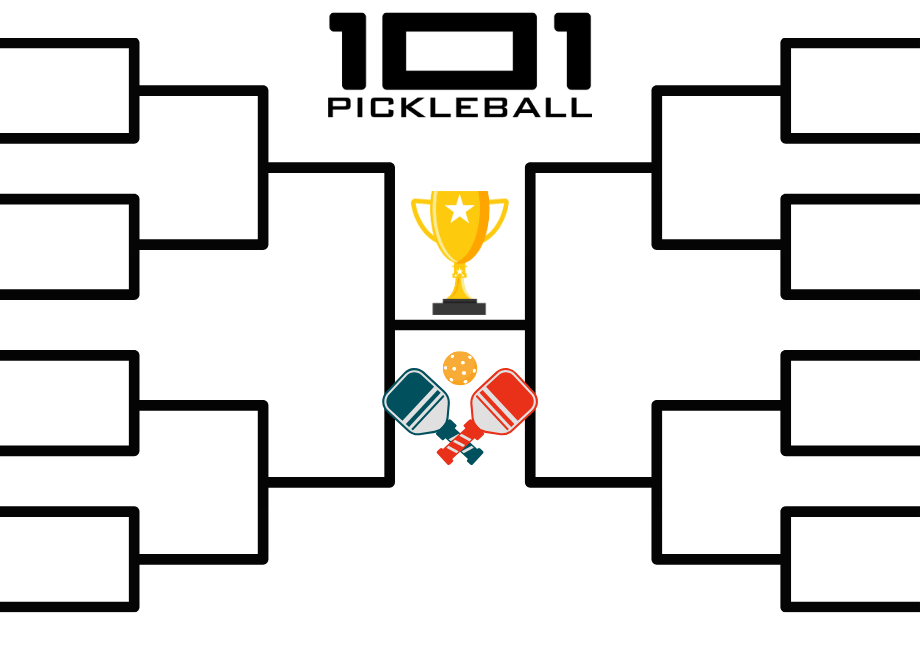
Pick a format that fits your crowd, courts, and time. Common formats work well for how to run a pickleball tournament:
- Round robin gives many games and works for smaller groups.
- Pool play to single-elim blends fair seeding with a big finish.
- Double-elim suits larger draws and adds drama, but needs more time.
- Ladder play is great for social days with mixed skills.
Set divisions by skill and age. Keep brackets tight so games feel fair. Plan for gender doubles, mixed doubles, and singles if you have space. A clear vision is the first step in how to run a pickleball tournament that players will love.

Build a budget, sponsors, and registration plan
Make a simple budget. List all costs and a small buffer. This is key to how to run a pickleball tournament without surprises.
- Venue rental, permits, and insurance
- Balls, nets, tape, signage, and clipboards
- Medals, swag, and volunteer meals
- First aid, water, ice, shade, and restrooms
- Software, check-in tools, and payment fees
Price entries so you break even with safe numbers. Offer early-bird rates and clear refund terms. For sponsors, create three to four tiers with real value. Promise logo spots, court naming, digital shout-outs, and on-site booths. Use a trusted platform for sign-ups and payments. A smooth sign-up flow is huge in how to run a pickleball tournament people recommend to friends.
Secure your venue, courts, and gear
Book enough courts to match your format and player cap. Indoor is steady but costs more. Outdoor is cheaper but needs weather plans. When you plan how to run a pickleball tournament, walk the site.
- Check lighting, winds, noise, and parking
- Mark clear paths, shade, and seating
- Map restrooms, water, and first aid
Stock more than you think you need. Approved balls, spare nets, tape, scoreboards, and a PA system keep the day tight. Put up simple signs for check-in, brackets, and warm-ups. Block practice courts early so players feel calm and ready.
Set rules, scoring, and policies
Pick a rule set and post it in advance. Most events use common national rules. Decide if you will use refs or self-call. For many local events, self-call works if you set the tone.
State match formats by division. Many use games to 11, win by 2, or two out of three for finals. Set timeouts, warm-up time, no-show rules, and code of conduct. Write a weather plan and a clear reschedule or refund note. When you think about how to run a pickleball tournament, strong policies protect players and staff.

Recruit and train staff and volunteers
People make the day. Good crews are the secret in how to run a pickleball tournament that feels pro.
- Tournament director manages the big picture
- Operations lead runs courts and flow
- Desk crew checks in players and updates brackets
- Court captains assign matches and post scores
- Referees or scorekeepers watch higher levels
- Runners move balls, ice, and info fast
- Hospitality handles water, snacks, and rest
- Medical lead manages first aid and reports
Use short shifts, simple scripts, and quick huddles. Give checklists and radios to key leads. In my last event, a five-minute morning huddle saved us an hour later when rain hit. Small prep beats big panic.

Schedule, seed, and balance the flow
Smart timing is the heart of how to run a pickleball tournament. Do the math up front. A single game to 11 often takes 12 to 18 minutes. Most courts can run two to three matches per hour depending on format.
Group divisions so players are not double-booked. Add buffer time before semis and finals. Seed with rating data when you can. If you lack data, use captain input or random seed for social events. Keep courts busy but never jammed. A small pause is better than a long backup.

Choose your tech and backup plans
Use a platform that handles sign-ups, check-in, brackets, and live results. Display brackets on a TV or big screen. Send SMS or app alerts when matches are called. This is the modern way for how to run a pickleball tournament without long lines.
Test your gear. Bring a hotspot, power strips, and spare chargers. Print backup brackets and court sheets. If Wi-Fi fails, you can still run on paper. Then update the system when you are back online.

Design a great player experience
Players notice small things. A good vibe wins hearts and reviews. This is a key step in how to run a pickleball tournament that fills up next time.
- Fast check-in with QR or simple name look-up
- Clear maps, court signs, and division boards
- Free water, light snacks, and shade tents
- A welcome bag with a small towel and tape
- Practice balls and a warm-up zone
- Music at a low, friendly level
- Vendors for gear, food, and coffee
Think about families and access. Add chairs, sunscreen, and a lost-and-found box. A small photo spot or podium makes winners feel special.

Run-of-show: the day-of playbook
Write a simple timeline. Share it with staff. This is the action plan for how to run a pickleball tournament when the gates open.
- 6:30 AM: Setup, radios, ice, tents, and signs
- 7:30 AM: Staff huddle and final checks
- 8:00 AM: Check-in opens and music on
- 8:30 AM: Captains’ brief and rules talk
- 9:00 AM: First matches called
- Midday: Staff swap, water refill, social posts
- Afternoon: Finals, awards, and thank-yous
- After: Quick clean and venue walk-through
Log incidents, injuries, and weather holds. Share short updates on social. Keep the tone warm and clear. Players will forgive delays if you keep them informed.
Safety, risk, and insurance
Safety is part of how to run a pickleball tournament people trust. Get event insurance and signed waivers. Post your emergency plan and contacts. Keep first aid kits, ice, and an AED on site.
Use a heat plan and shade. Announce water breaks on hot days. If outdoors, use a lightning rule and a safe shelter plan. Track incidents and follow up after the event.
Close strong and grow the next event
Your work is not done at the last point. The close is a core part of how to run a pickleball tournament the right way. Send a thank-you note to players, staff, and sponsors. Share photos and results fast.
Send a short survey. Ask what worked and what did not. Review your budget, timeline, and brackets. List three wins and three fixes. In my city open, moving check-in closer to courts cut lines by half the next time. Small tweaks lead to big gains.
Frequently Asked Questions of how to run a pickleball tournament
What is the best format for a first-time event?
Round robin is simple and gives lots of play. It is great when you have few courts and mixed skills.
How many courts do I need?
A small event can run on four to six courts. Larger fields need eight or more to keep wait times low.
Do I need referees?
Not always. For social or small events, self-officiated play works if you brief players well.
How do I seed players fairly?
Use ratings when you have them. If not, ask for level info at sign-up and seed with captain or director input.
What should I include in a player welcome email?
Add check-in time, parking, rules, format, what to bring, and a site map. Link to live brackets if you can.
Conclusion
You now have a clear plan for how to run a pickleball tournament from idea to wrap-up. Set goals, pick the right format, build a budget, and care for your players. Train your crew, plan your tech, and write simple rules and safety steps.
Start small, make notes, and improve fast. Your next event will be smoother, louder with cheers, and full of smiles. Ready to host? Save this guide, share it with your team, and leave a comment with your first tournament date.