Wipe with a damp microfiber cloth and mild soap, then air-dry gently.
If you care about spin, control, and paddle life, cleaning is not optional. In this guide, I’ll show you how to clean pickleball paddle gear the right way, based on hands-on use with carbon, composite, and graphite faces. You’ll learn safe methods, what to avoid, and simple routines you can trust for how to clean pickleball paddle surfaces without hurting the texture.

Why cleaning your paddle matters
A clean paddle face grips the ball. That means better spin, a truer feel, and fewer mishits. Dirt and ball residue fill the texture and make the face slick.
I have tested paddles after dusty sessions and seen clear drop-offs in spin. A quick clean restored bite at once. If you want the best results and longer life, learn how to clean pickleball paddle surfaces the safe way.
Moisture, heat, and chemicals also stress the face, core, and edge guard. A smart routine keeps all three in check and protects your warranty.

What you need to clean a pickleball paddle
Keep a small kit in your bag. It makes it easy to follow how to clean pickleball paddle best practices after each game.
- Two clean microfiber cloths
- Warm water in a small spray bottle
- One drop of mild dish soap (unscented)
- Soft-bristle toothbrush or facial brush
- Painter’s tape or a lint roller
- Dry towel for the handle
- Paddle cover for storage
Optional items, used with care:
- Distilled water if your tap water leaves spots
- Overgrips for quick grip refresh
Avoid these:
- Alcohol, acetone, and harsh solvents
- Magic Erasers or abrasive pads
- Pressure washers or strong jets
- Household cleaners with ammonia or oils
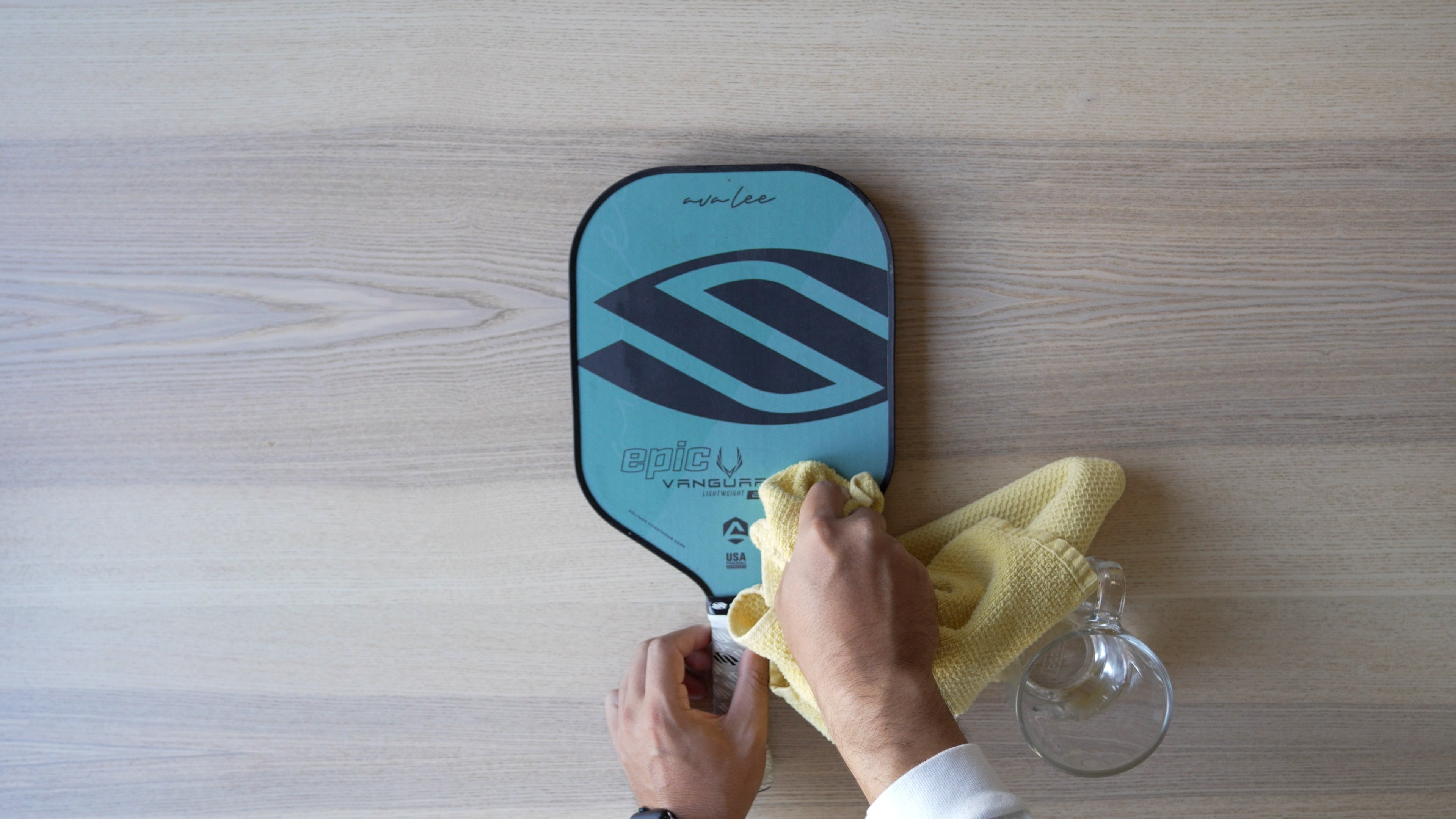
Step-by-step: how to clean pickleball paddle
Follow this simple plan. It is fast and safe for most faces, including raw carbon fiber.
-
Dust it off
Use a dry microfiber cloth to lift loose dust and grit. Wipe in one direction. -
Make a mild soap mix
Add one drop of mild dish soap to a cup of warm water. That is enough. -
Dampen, do not soak
Lightly mist the cloth. The cloth should be damp, not dripping. Keep water away from the edge guard and handle. -
Wipe the face
Clean from the top to the throat in light strokes. Rinse the cloth and repeat if needed. -
Lift fuzz and streaks
Use painter’s tape or a lint roller to pull off ball fuzz. Press and lift. Do not rub hard. -
Detail the texture
Use a soft brush with a touch of soapy water to loosen packed grime. Brush lightly along the grain of the texture. -
Final rinse wipe
Use a clean damp cloth with plain water to remove any soap film. -
Dry
Pat dry with a towel. Air-dry upright for 10 to 15 minutes before bagging.
That is how to clean pickleball paddle gear without dulling the face or driving water into the core.
Remove ball fuzz, scuffs, and grime safely
Ball fuzz clings to textured faces. It kills spin. Here is how to remove it while you follow how to clean pickleball paddle routines.
-
Use tape first
Press painter’s tape on the face and lift. It pulls fuzz without stress. -
Address scuff marks
Most scuffs are rubber from balls. A damp microfiber cloth and a drop of soap will lift them. Repeat gentle passes. -
Stubborn residue
Let the damp cloth sit on the spot for 20 seconds. Wipe again. Do not scrape with nails or hard tools.
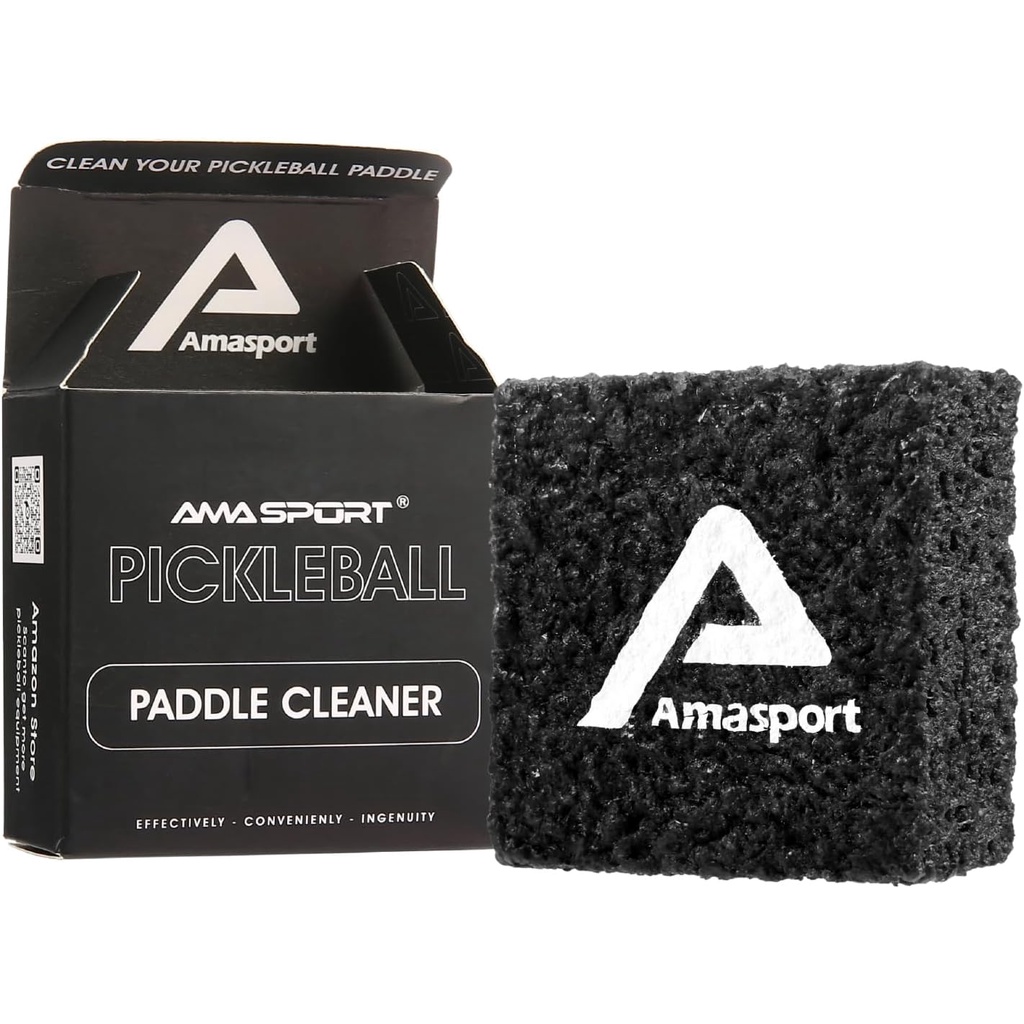
A note on abrasives: I once tested a melamine sponge on a spare paddle. It cleaned fast but dulled the grit in one area. Spin dropped right away. I do not recommend it for textured faces.

Grip, edge guard, and core care
Learning how to clean pickleball paddle parts goes beyond the face. The handle and edge need care too.
Grip care:
- Wipe sweat after play with a dry towel.
- For tacky grips, use a barely damp cloth and mild soap. Dry at once.
- Swap an overgrip when it feels slick or salty. It is cheap and fast.
Edge guard care:
- Avoid soaking the edge. Water can seep in and harm the core.
- If the edge guard lifts, dry the area and use paddle-safe adhesive. Small fixes only. For large gaps, see a pro or the brand.
Core care:
- Never leave the paddle in a hot car. Heat weakens bonds.
- Avoid heavy hits on the edge or ground. That shock can start core damage.

Drying, storage, and a simple maintenance plan
Clean is good. Dry and cool is better. This plan pairs with how to clean pickleball paddle routines to keep the paddle strong.
After each session:
- Quick dry wipe of face and grip
- Air-dry 10 minutes before bagging
- Store in a cover
Weekly or after dusty play:
- Full wipe with mild soap
- Tape-lift fuzz
- Inspect edge and grip
Storage:
- Keep away from heat, sun, and trunk spaces
- Store flat or upright in a padded case
- Avoid damp garages or wet courtside bags
Mistakes to avoid when you clean a pickleball paddle
These errors are common. They can void a warranty or reduce spin. Keep them in mind as you apply how to clean pickleball paddle steps.
-
Using alcohol, acetone, or glass cleaner
They can attack resin or leave films. -
Scrubbing across the texture
This can sand down the grit. Wipe with the grain. -
Soaking the paddle
Water can creep under the edge guard and into the core. -
Heat drying
Hair dryers and heaters can warp faces and weaken glue. -
Dirty cloths
Grit in a cloth can scratch the face. Use clean microfiber only.

Performance check after cleaning
A quick test tells you if the job worked. It also helps you refine how to clean pickleball paddle steps for your gear.
-
Finger drag
Lightly drag a dry finger across the face. It should feel grabby, not slick. -
Spin check
Serve five topspin serves. Note height and kick. If spin is back, your texture is clear. -
Visual scan
Hold the face to light. Look for streaks, glossy spots, or fuzz. Spot clean if you see any.
If results are flat, clean once more with fresh water only. If it still feels slick, the face may be worn. It may be time for a new paddle or a pro refinish if allowed by the brand.

Eco-friendly and budget tips
You can follow how to clean pickleball paddle routines and stay green.
-
Use distilled water and a single drop of soap
Less is more. It cuts residue and waste. -
Wash and reuse microfiber cloths
Skip paper towels. They can be rough and add lint. -
Replace overgrips, not the base grip
It saves money and reduces waste. -
Keep a paddle cover
Prevents dirt buildup so you clean less often.
Frequently Asked Questions of how to clean pickleball paddle
How often should I clean my paddle?
Do a quick wipe after every play. Do a deeper clean weekly or any time you see fuzz or streaks.
Can I use alcohol wipes on a carbon face?
No. Alcohol can dry and weaken resins and dull the texture. Use water and mild soap instead.
What is the safest way to remove ball fuzz?
Use painter’s tape or a lint roller. Press and lift in sections until the face looks clear.
Is a Magic Eraser safe for tough marks?
It is abrasive and can reduce grit. Try a damp microfiber cloth and patience instead.
Can I hose off my paddle after a sandy game?
Do not. Direct water flow can push moisture under the edge guard. Use a damp cloth and gentle wipes.
Will cleaning improve my spin right away?
Yes, if the texture was clogged with grime or fuzz. If the face is worn smooth, cleaning will help a bit, but not fully.
What if water gets under the edge guard?
Dry the area at room temp and leave the paddle out of the cover overnight. If you see bubbling or rattles, contact the brand.
Conclusion
A clear, simple routine keeps your paddle sharp. Start with water, a drop of mild soap, and a clean microfiber cloth. Avoid harsh cleaners, heat, and scrubbing across the grain. With this plan, you now know how to clean pickleball paddle gear with care and keep that fresh spin and control.
Try the steps after your next match and feel the difference. If you found this helpful, share it with your partner, subscribe for more gear tips, or drop a question in the comments.