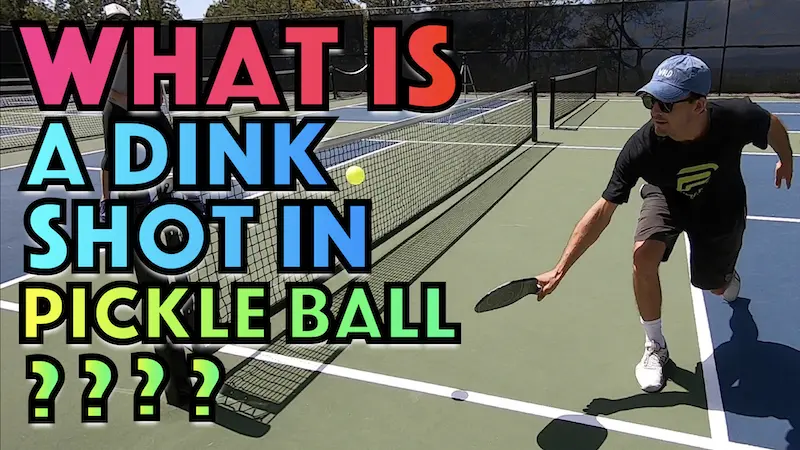
A dink in pickleball is a soft, low shot that lands in the kitchen.
If you want control, patience, and wins, you must master the dink. Here, I share what does dink mean in pickleball, why it works, and how to use it under pressure. I coach beginners and league players every week. I will break it down in simple steps you can trust.
What Is a Dink in Pickleball?
A dink is a soft shot that arcs low and lands in the non-volley zone, also called the kitchen. It is usually hit from near the kitchen line after the ball bounces. The goal is control, not power. You keep the ball low so your rivals must hit up.
This is the heart of the slow game. You use touch, spin, and aim to move your rivals. You set up errors and pop-ups. That is what does dink mean in pickleball in real play.

Why Dinking Matters
Dinks slow the game and reset chaos. They stop hard drives and bring the rally back to your pace. You use the dink to force mistakes and win points the smart way.
In my matches, dinking wins long days. It keeps me fresh and calm. When people ask what does dink mean in pickleball, I tell them it means control.
How to Hit a Proper Dink
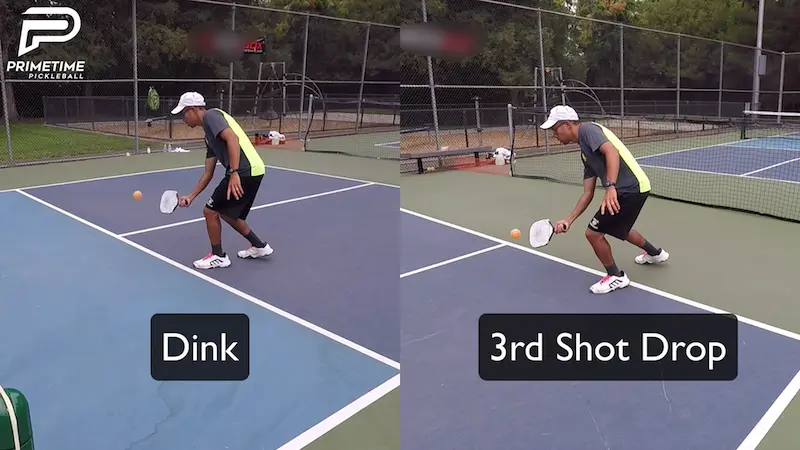
Stand at the kitchen line with a low stance. Keep your paddle up. Face the net. Use a light, steady grip. Many players use a continental grip for touch.
Let the ball bounce. Contact out in front of your body. Use a short push with your shoulder and arm. Keep your wrist quiet. Aim for a low arc that clears the net by a few inches. This is the core of what does dink mean in pickleball at the stroke level.
Tips I give new players:
- Keep knees soft and heels light.
- Watch the ball down to the paddle.
- Breathe as you swing to stay relaxed.
- Finish with the paddle pointing to your target.
Dink Types and When to Use Them
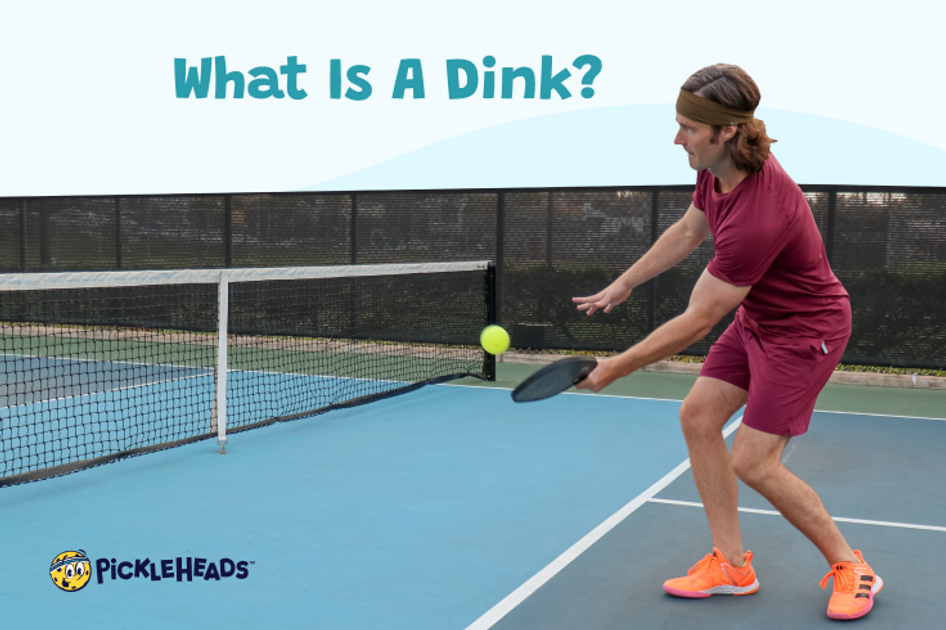
There is more than one good dink. Each shot has a job. Use the right one for the right time.
Common dinks:
- Crosscourt dink. Most safe. The net is lower in the middle, and you have more space.
- Straight dink. Good to change pace and freeze a poacher.
- Inside-out dink. Aim at the outside foot to pull rivals wide.
- Backhand dink. Great for control and fast changes.
- Slice dink. Adds skid and stays low.
- Roll dink. A light topspin brush to push the ball down late.
Use crosscourt as your base. Mix in line dinks to keep them honest. If someone crowds the middle, feed the outside foot. This is how you answer what does dink mean in pickleball once rallies get complex.
Strategy and Patterns in Doubles
Great doubles grows from simple patterns. Work as a team. Call shots early and often. Keep your spacing tight.
Try these patterns:
- Crosscourt chain. Trade crosscourt dinks until they float one. Then attack.
- Push and pull. Dink wide, then dink short to the middle. Make them move.
- Backhand bias. Most players have a weaker backhand. Park the ball there.
- Tempo trap. Three soft dinks, then a faster roll at the chest when they lean in.
My league team wins by patient build-up. We do not force winners. We wait for high balls and attack the right one. That is smart use of what does dink mean in pickleball.
Common Mistakes and Fixes
Most dink errors come from tension and bad aim. The fixes are simple and repeatable.
Watch for these traps:
- Too much wrist. Fix: Lock the wrist. Use arm and shoulder.
- Standing tall. Fix: Bend knees. Keep a low base.
- Hitting too hard. Fix: Loosen grip. Think soft catch, soft push.
- Late contact. Fix: Meet the ball in front. Move your feet first.
- Aiming too close to the net. Fix: Give yourself four to six inches of safety.
I made all these mistakes early on. A coach told me to count “one-two” on contact. It calmed my swing. That small cue reshaped what does dink mean in pickleball for me.

Drills to Master the Dink
Reps build touch. Keep drills short and sharp. Track your streaks and progress.
Try these:
- Solo wall dinks. Stand close to a wall. Hit 50 in a row with a low arc.
- Partner box. Tape a two-by-two foot box in the kitchen. Land 30 dinks inside.
- Crosscourt ladder. Aim deeper, mid, and short in order. Repeat sets of 10.
- No-net kitchen game. Both players must let it bounce. First to 21.
- Pressure drill. After five dinks, feed a speed-up. Partner blocks. Reset and repeat.
Use a timer for focus. Ten minutes a day beats a long session once a week. This habit cements what does dink mean in pickleball in your muscle memory.

Rules and Terms You Need to Know
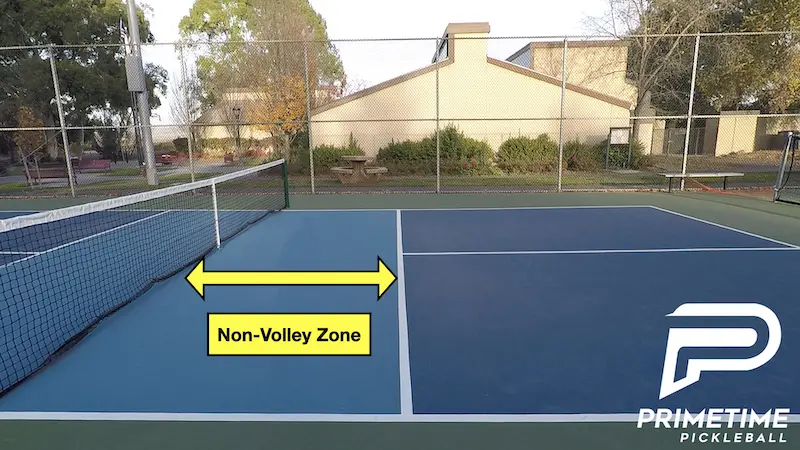
The non-volley zone, or kitchen, is seven feet from the net on each side. You cannot volley while any part of you touches that zone or its line. You may step in to hit a dink only after the bounce. The ball must clear the net and land in.
The net is 34 inches in the middle and 36 at the posts. Crosscourt is lower, so it is safer. The official rulebook confirms these facts. Knowing these basics makes what does dink mean in pickleball much clearer.

Gear Tips for Better Dinks
You want feel, not only power. A paddle with a soft polymer core often helps touch. A textured face can add spin and control. Try a medium grip size for better finesse.
Use a light ball touch in drills. Indoor balls are softer and can help early work. Wear shoes with good grip for quick steps at the line. The right gear supports what does dink mean in pickleball: soft control.
Advanced Tactics: Mixing Dinks and Attacks
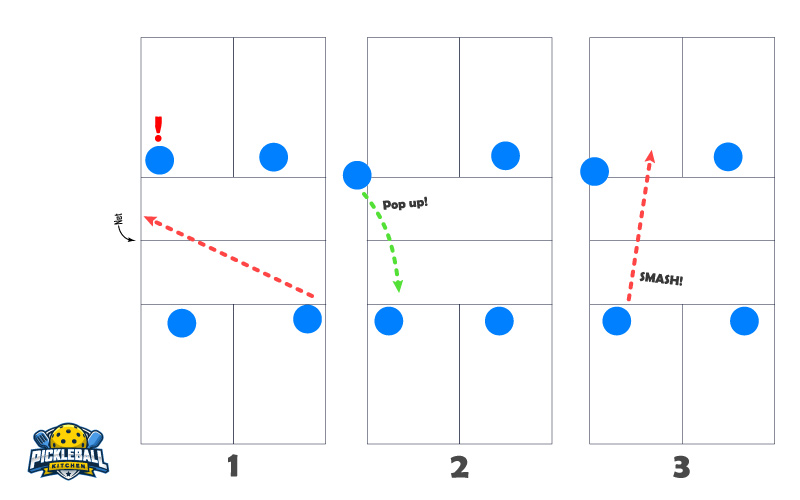
Do not dink forever. Hunt for a high ball. When the ball sits above net height, you can speed up. Aim at the body or hip. Follow in and close space.
Add fakes. Shape a dink, then roll faster at the shoulder. Or show a speed-up, then drop a soft dink short. Change tempo to break rhythm. This blend is the elite form of what does dink mean in pickleball.
Frequently Asked Questions of what does dink mean in pickleball
What is the difference between a dink and a drop?
A dink is hit from near the kitchen after a bounce. A drop is a soft shot from farther back, often the third shot, that lands in the kitchen.
Where should I aim my dink?
Aim crosscourt for safety and space. Target the opponent’s backhand or outside foot to move them.
Can I step into the kitchen to hit a dink?
Yes, if the ball has bounced. You cannot volley while touching the kitchen or its line.
How high should a good dink go?
Clear the net by a few inches. Keep it low so they must hit up.
When should I speed up from a dink?
Attack when the ball is above net height and in front. Aim at the body or dominant shoulder for a jam.
How do I handle heavy slice dinks?
Stay low and get under the ball. Open the face a bit and push through with a calm hand.
Does grip matter for dinking?
Yes. A light, neutral or continental grip helps feel. It keeps your wrist stable for soft touch.
Conclusion
A dink is the calm center of the pickleball storm. It gives you control, angles, and time. With sound form, smart targets, and steady drills, you can shape rallies on your terms. That is the real power behind what does dink mean in pickleball.
Start with ten minutes of wall dinks today. Add one crosscourt box drill. Track your streaks for a week. You will feel the change fast. Want more guides like this? Subscribe, share your questions, or drop a comment with your next topic.