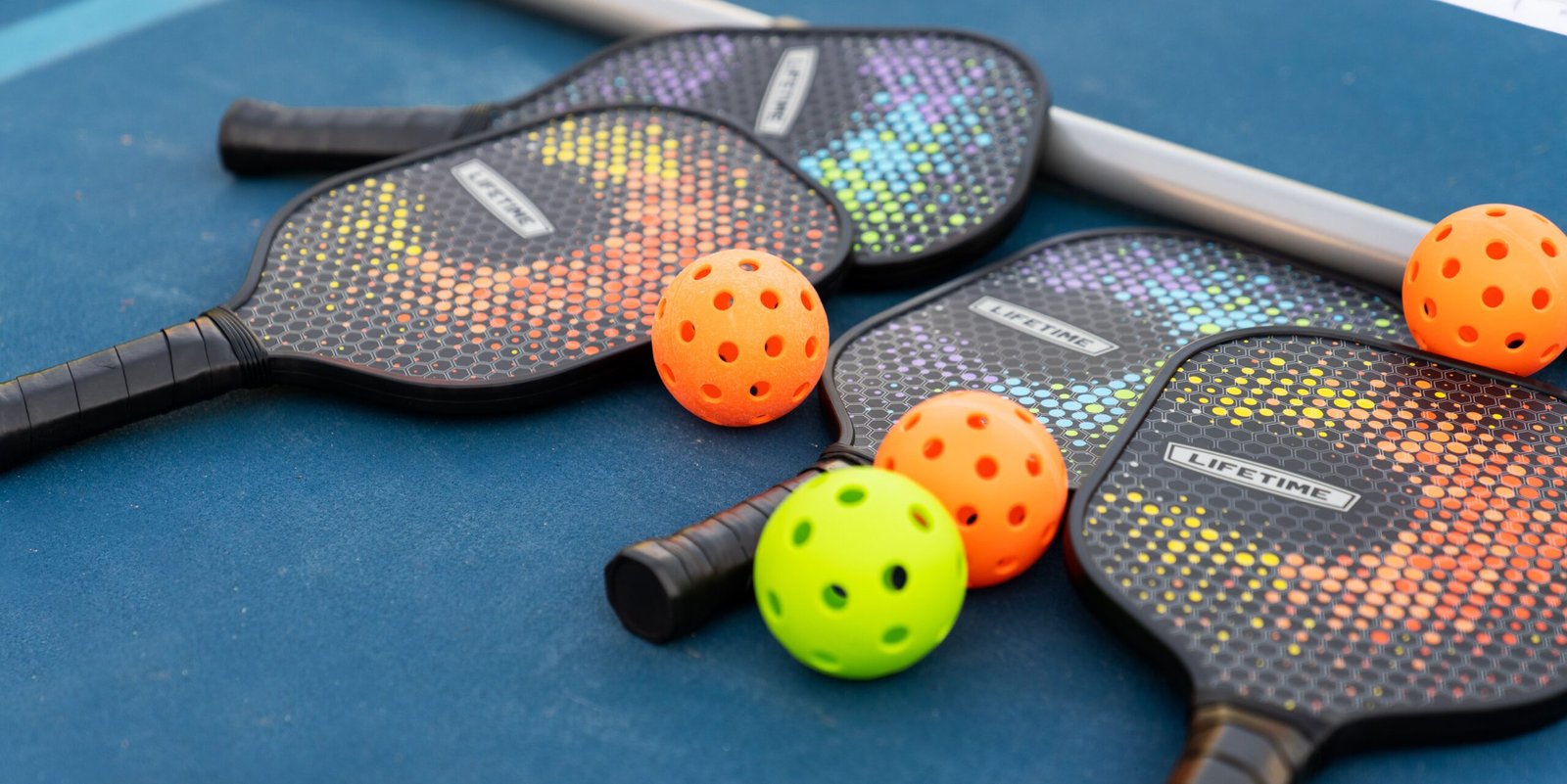
Pickleball was named after a “pickle boat,” a fun mix of other sports.
Curious minds often ask why called pickleball when there are no pickles in sight. I’ve taught new players for years, and this question pops up every session. In this guide, I’ll give a clear, friendly, and well-researched answer to why called pickleball, show how the name grew, and share simple ways you can explain it to friends.

The real origin: the pickle boat story
The clearest answer to why called pickleball points to rowing. In crew, a pickle boat is a boat made up of leftover rowers from other boats. The sport’s early games were a mix of tennis, badminton, and ping-pong. Joan Pritchard, wife of co-creator Joel Pritchard, used the pickle boat idea to describe that playful blend.
Historical notes from the founding families confirm this account. The term fit the vibe: casual, mixed, and creative. That is the core of why called pickleball, and it matches how the game still feels today.
When I coach, I tell new players this story first. It clicks fast because the analogy is simple. A mix of people. A mix of paddles. A mix of fun.

The dog named Pickles: the enduring myth
You may have heard it was named after the family dog. That story is cute, and it stuck in early press clips. But the founders later said the dog came after the game and was named Pickles because of the sport, not the other way around.
So why called pickleball if not the pup? The dog story spread because it’s easy to remember. I still use it as an icebreaker in clinics, then share the true origin. Most players smile and remember both.
If someone insists the dog came first, be kind. My tip is to say both stories are part of the sport’s lore. Then add that records from the founders favor the pickle boat origin.

A short timeline of the name and the sport
If you want a quick, clear way to explain why called pickleball, share the timeline. It helps connect the name to real events.
- 1965: Joel Pritchard, Bill Bell, and Barney McCallum create the game on Bainbridge Island, Washington. The game blends rules and gear from other sports.
- Late 1960s: Joan Pritchard links the blend to a “pickle boat,” and the name pickleball sticks.
- 1972–1976: Early courts and the first known tournament help the name spread beyond the island.
- 1980s: Organized groups form and publish the rules, locking in the name.
- 2000s–2020s: Media, parks, and clubs explode. Searches for why called pickleball surge as newcomers join.
This summary shows why called pickleball is a question tied to real people and places. The trail is short, but strong.

Why the name stuck: branding, culture, and search
There’s another layer to why called pickleball still matters. The name is sticky. It is quirky, short, and fun to say. It makes people ask a question, and that curiosity builds interest.
In branding, odd names are easy to recall. They start conversations. I see this at open play. New folks join because they heard “pickleball” at work and had to try it. Online, people search why called pickleball, and that fuels more articles, videos, and social posts.
A simple name also fits the culture. The game is social and light. The name reflects that vibe. That is a big reason why called pickleball remains a top query as the sport grows.

How to explain “why called pickleball” in seconds
When someone asks why called pickleball, use one of these quick lines. I use them at clinics, in emails, and on welcome signs.
- The name comes from crew. A “pickle boat” is a mix of rowers, just like the game mixes sports.
- It started as a mashup of tennis, badminton, and ping-pong. The blend inspired the name.
- The dog story is fun, but records show the pickle boat idea came first.
- Think of it like a remix. The sport is a mix, so the name nods to that mix.
- Keep it playful. The name is meant to make you smile and pick up a paddle.
These short scripts help you answer why called pickleball fast and without debate. Try one the next time you welcome a new group.
Frequently Asked Questions of why called pickleball
Is pickleball actually named after a dog?
The dog named Pickles was real, but he came after the sport. Early accounts from the founders say the name traces to the “pickle boat” idea from crew.
What is a pickle boat in rowing?
A pickle boat is a boat made up of leftover rowers from other boats. The sport’s name nods to that blend, which mirrors the game’s mixed roots.
When did people start asking why called pickleball?
Questions started as the sport spread beyond Bainbridge Island in the 1970s. Interest spiked again with the sport’s boom over the last decade.
Who created pickleball and named it?
Joel Pritchard, Bill Bell, and Barney McCallum created the game in 1965. Joan Pritchard is credited with linking the name to the pickle boat concept.
Does the funny name hurt the sport’s image?
If anything, it helps. The playful name is memorable, and that drives curiosity and growth.
How do you pronounce pickleball?
Say it like “pick-uhl-ball.” Keep it light and quick, which matches the game’s feel.
Why do some sources still say it was the dog?
The dog story is catchy and spread early through local lore and media. Over time, many outlets have corrected it to match founder accounts.
Conclusion
So, why called pickleball? The strongest evidence points to the pickle boat in crew, a perfect metaphor for a sport born from a mix of others. The dog story adds charm, but the boat story explains the heart of the name.
Use the simple scripts here to answer why called pickleball the next time a friend asks. Share the origin at your club, add it to your welcome emails, or post it on your court board. If this helped, subscribe for more guides, send it to a teammate, or drop your favorite pickleball origin story in the comments.