Pickleball is a fast, social paddle sport that blends tennis, badminton, and ping-pong.
I teach new players at local courts and play several times a week. In this guide, I share clear steps, pro-level tips, and real stories to help you love pickleball. If you want simple rules, sharp strategy, and gear advice you can trust, you are in the right place.

What is pickleball and why it’s everywhere
Pickleball is easy to learn and hard to master. The court is small, so rallies are fast. The paddle is light, so your arm feels fine. This invites players of all ages.
The game is social. You talk between points. You rotate in and out. New friends come fast in pickleball.
It blends skill and feel. You can play soft or hit hard. A small edge in control matters a lot. That reward keeps players coming back.
Pickleball has a low barrier to start. You need a paddle, a few balls, and a flat court. Lessons help, but you can learn by playing. That is why pickleball keeps growing.
A brief history and growth stats
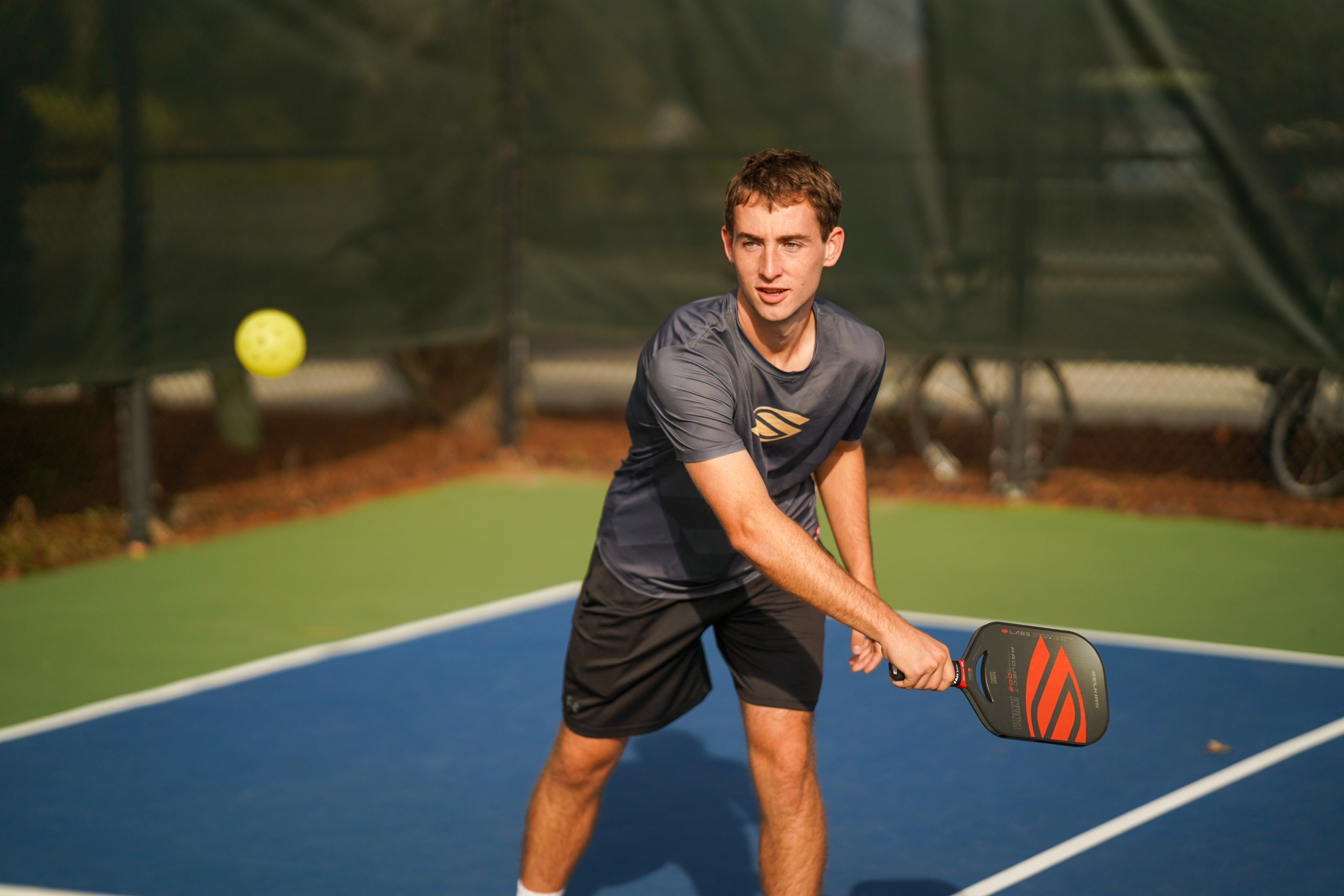
Pickleball started in 1965 on Bainbridge Island. Three dads made a backyard game for their kids. A wiffle ball, simple rules, and fun rallies were enough.
Growth has surged in the last few years. Industry data show tens of millions tried pickleball in the past year. Courts are popping up in parks, gyms, and clubs. The player base is getting younger, while keeping seniors engaged.
Cities now plan courts in new parks. Resorts list pickleball as a key amenity. Brands invest in gear and events. The sport is here to stay.
Court, gear, and rules made simple
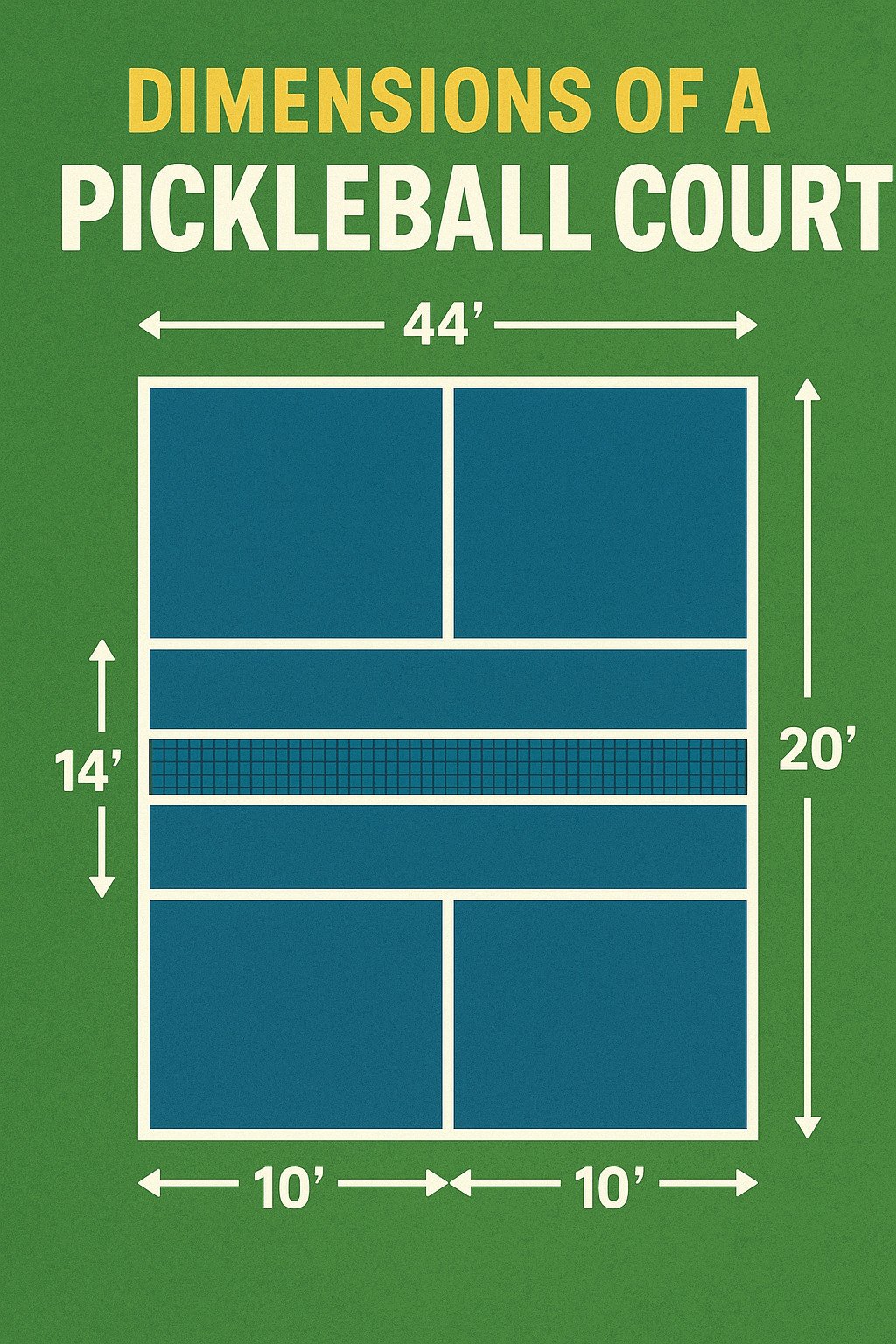
Court basics:
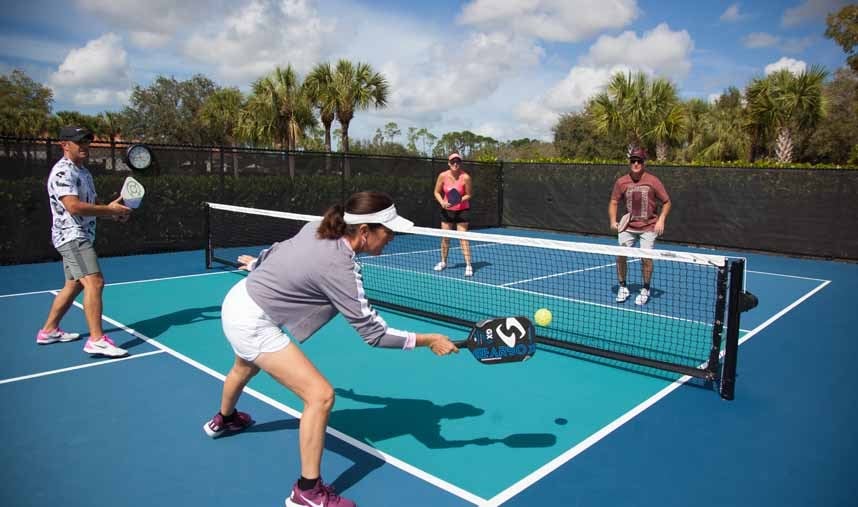
- Size is 20 feet by 44 feet for singles and doubles.
- The kitchen is the non-volley zone near the net.
- You cannot volley while standing in the kitchen.
Serve and return:
- Serve underhand with one foot behind the baseline.
- Serve diagonal and clear the kitchen.
- The ball must bounce once on each side after the serve. This is the double-bounce rule.
Scoring:
- Only the serving team scores in standard play.
- Games go to 11, win by 2. Some play to 15 or 21.
- In doubles, call the score as server’s score, receiver’s score, then server number (1 or 2).
Gear:
- Paddles use composite, fiberglass, or carbon faces.
- Balls have holes. Outdoor balls are firmer with more holes.
- Court shoes give grip and protect ankles.
How to play pickleball: step-by-step for your first game
- Warm up for five minutes. Shuffle, skip, and swing easy.
- Learn the grip. Start with a continental grip. It works for most shots.
- Serve soft and in. Aim deep, not fast.
- Return deep to the middle. Buy time to get to the kitchen line.
- Follow your return. Move up in small steps.
- Respect the double-bounce rule. Let the third shot bounce if needed.
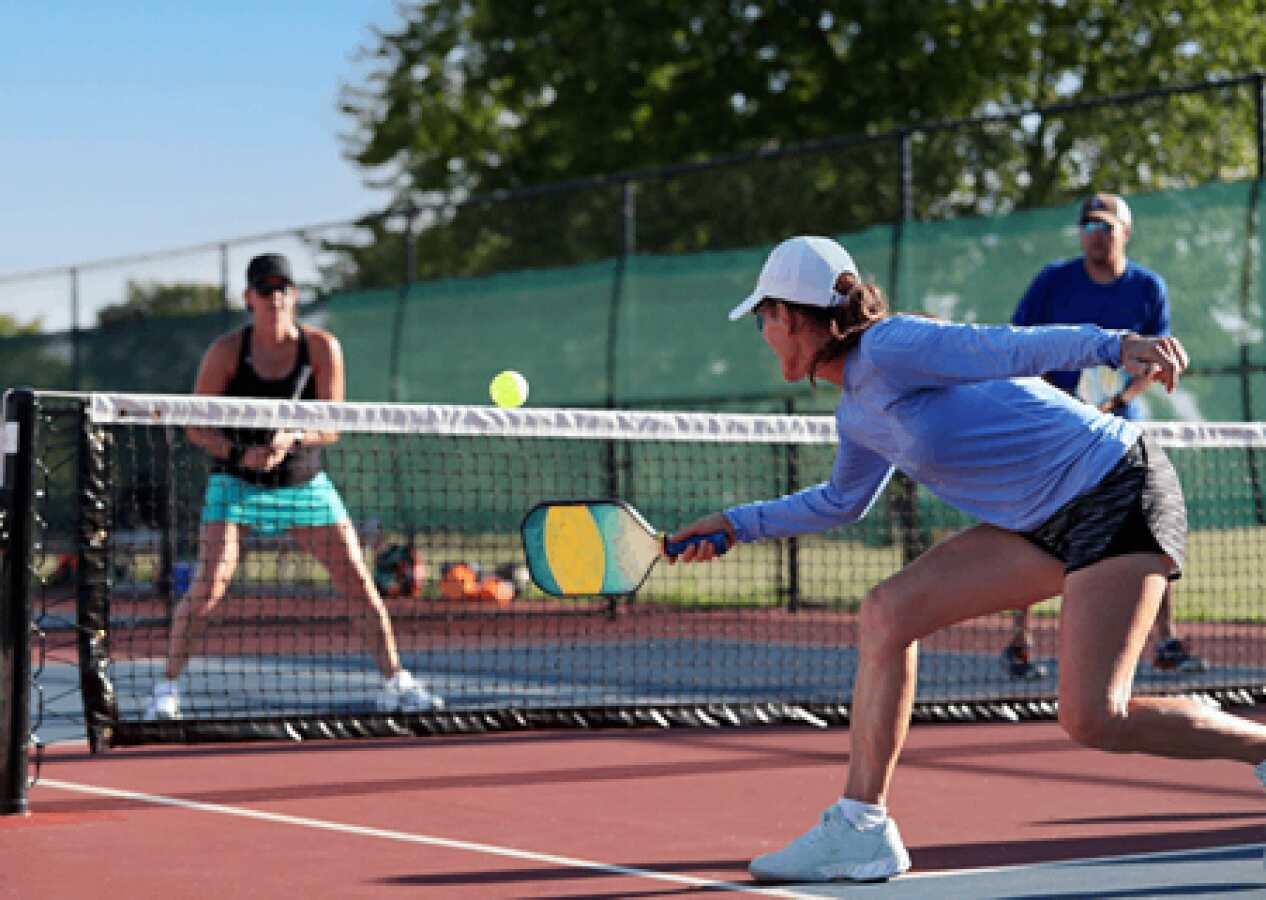
- Aim for the kitchen. Use a drop shot to reach the line.
- At the line, dink cross-court. Keep the ball low and soft.
- Attack high balls. Swing smooth. Aim at feet or open space.
- Call the score loud. Rotate serves in doubles. Have fun.
Tip from the court: In my first month, I tried to hit winners from the baseline. I lost many points. When I learned to get to the kitchen fast, my game changed at once.
Strategy that wins games
Early strategy:
- Keep serves and returns deep.
- Move as a team to the kitchen.
- Dink more than you drive.
Intermediate tools:
- Third shot drop. Aim to land it in the kitchen and set your line.
- Reset under pressure. Block hard shots with a soft paddle face.
- Attack with purpose. Use speed-ups off a high dink or a pop-up.
Doubles teamwork:
- Call shots early. Say mine, yours, switch, or middle.
- Cover the middle with the forehand if you can.
- Stay linked at the line. Move like a door on a hinge.
Situational ideas:
- Windy day. Aim bigger targets and add margin.
- Versus bangers. Block and reset. Make them hit three balls.
- Versus dinkers. Change pace. Add a well-timed lob.
Lesson learned: I once chased every ball to the sideline. My partner stayed still and gaps opened. We fixed it by moving as one. Our errors dropped right away.

Health benefits, fitness gains, and injury prevention
Pickleball boosts heart health with short bursts of play. The small court means frequent starts and stops. That builds cardio and balance. It also trains quick feet and sharp focus.
It is joint friendly compared to many sports. The paddle is light. Rallies reward control, not raw power. Many players enjoy long sessions pain-free.
Common injuries include ankle sprains, calf or Achilles strains, and sore elbows. Most are preventable with care. A few smart steps go a long way.
Simple prevention plan:
- Warm up 5 to 10 minutes. Add calf and hip work.
- Wear court shoes with good tread and side support.
- Build up volume. Add no more than one extra play day per week.
- Hydrate. Take breaks. Use sunscreen outdoors.
- Learn smooth form on serves, drops, and dinks.
If pain spikes, stop and check in with a pro. A small change in grip or footwork can solve it. Your future self will thank you.
Choosing the right paddle, ball, and shoes
Paddles:
- Weight: 7.5 to 8.5 oz fits most players. Lighter adds speed. Heavier adds pop.
- Face: Carbon gives control and spin. Fiberglass gives power. Composite blends both.
- Core: Polymer cores are common and quiet.
- Grip size: If in doubt, pick smaller and add an overgrip.
Balls:
- Outdoor balls are stiffer and have more holes. They fly true in wind.
- Indoor balls are softer and bounce higher.
Shoes:
- Use court shoes, not running shoes.
- Look for low profile, good lateral grip, and a stable heel.
- Replace when tread wears down to avoid slips.
Money saver tip: Start with a mid-price carbon paddle. Add an overgrip. This gives control and comfort without a big spend.
Practice plans and drills you can do today
Warm-up routine:
- Shadow swing 20 forehands and 20 backhands.
- Mini dinks cross-court for three minutes.
- Ten soft serves to each box.
Solo drills:
- Wall work. Aim 50 soft taps to a target square.
- Serve targets. Place two cones deep. Hit 20 serves to each.
- Footwork ladder. Quick in-and-out steps for 30 seconds, three sets.
Partner drills:
- Dink to the backhand cross-court. Keep 20 in a row.
- Third shot drop. Partner at the line. You drop from the baseline, 15 reps each side.
- Speed-up and reset. One feeds a hip-high ball. The other blocks back down.
Four-week plan:
- Week 1: Form. 70% dinks and drops, 30% serves and returns.
- Week 2: Add pace. 50% control, 50% drives and blocks.
- Week 3: Patterns. Third shot drop then two dinks then a speed-up.
- Week 4: Pressure sets. Play to 7 with serve targets and error goals.
Track progress. Count unforced errors per game. Lower is better. This simple metric changed my practice and my results.
Etiquette, scoring quirks, and common mistakes
Court etiquette:
- Paddle tap at the end of games.
- Call the score loud before each serve.
- Give honest line calls with space for doubt.
- Return stray balls with care and a heads-up shout.
Scoring quirks:
- Standard is side-out scoring. Only the server’s team can score.
- Some open play uses rally scoring. Ask before you start.
- Call server number 1 or 2 in doubles to avoid confusion.
Common mistakes:
- Swinging too hard from the baseline.
- Camping in no-man’s-land, not at the kitchen.
- Late split step at the line.
- Serving illegal: contact above the waist or paddle not moving up.
Fast fix: Film one game from the side. You will spot footwork issues at once. Correct one habit each week.
Where to play and how to find a pickleball community
Start local. Check parks, rec centers, and nearby gyms. Many run drop-in sessions with clear skill levels.
Use apps and club boards to find open play. Look for beginner hours. Bring extra balls and a friendly smile. You will get games fast.
Want more? Join a ladder league. Enter a small event to test your skills. Tournaments list clear brackets for age and level.
Travel tip: Pack a light paddle bag and two types of balls. Outdoor venues vary by surface and wind. Being ready makes your first game on a new court smooth.
Frequently Asked Questions of pickleball
What is the kitchen in pickleball?
The kitchen is the non-volley zone near the net. You cannot volley while standing in that zone.
How do you score in pickleball doubles?
Only the serving team scores in standard scoring. You call server’s score, receiver’s score, and server number.
What paddle weight is best for beginners?
A midweight paddle around 7.8 to 8.2 oz works well. It balances control and power without strain.
Is pickleball good exercise?
Yes, it boosts cardio, balance, and reflexes. It also offers social support, which helps you stay active.
Can kids play pickleball safely?
Yes, with light paddles and short sessions. Teach footwork and rules, and always warm up.
What is a third shot drop?
It is a soft shot from the baseline after the return. It lands in the kitchen so you can move to the line.
Indoor vs outdoor balls—what’s the difference?
Outdoor balls are harder and have more holes. Indoor balls are softer with fewer holes and bounce higher.
Conclusion
Pickleball is simple to start and deep to grow. You now know the rules, key shots, and smart gear picks. You also have drills and a plan to improve each week.
Pick one tip today. Maybe a deeper return or a calmer third shot drop. Then head to a court and test it in real play.
Ready for the next step? Subscribe for weekly drills, share your progress, or drop a question in the comments. Let’s keep leveling up together.