Dinking is a soft, low shot that lands in the non-volley zone.
If you want control, longer rallies, and smart wins, you need to know what is dinking in pickleball. I’ve coached and played for years, and I’ve seen the soft game turn matches around. In this guide, I’ll break down what is dinking in pickleball, why it works, how to do it, and how to practice it like a pro.

What is dinking in pickleball?
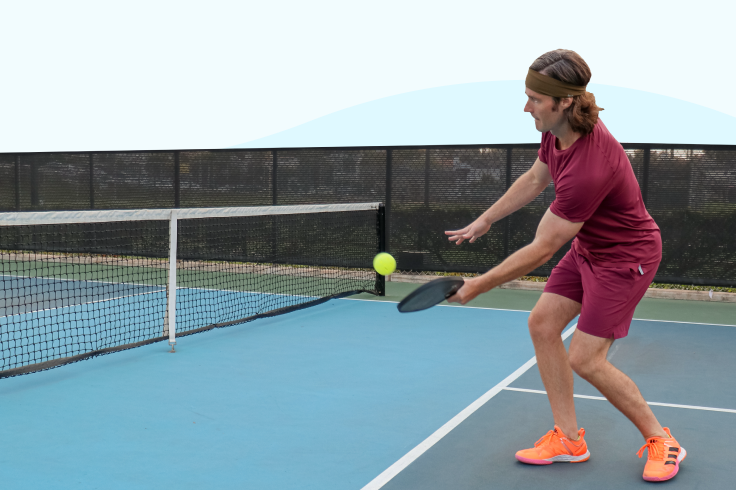
A dink is a gentle shot that clears the net and lands in the non-volley zone, also called the kitchen. You hit it with a short swing and a calm wrist. The ball travels slow and low, with a small arc.
What is dinking in pickleball at its core? It is control. You use it to take speed out of the rally. You make your opponent hit up on the next ball. You wait for a mistake or a ball that sits up, then attack.
The kitchen is seven feet from the net on each side. You may step in to hit a dink after the ball bounces, but you cannot volley there. Knowing what is dinking in pickleball also means knowing the rules that shape it.
Why dinking matters
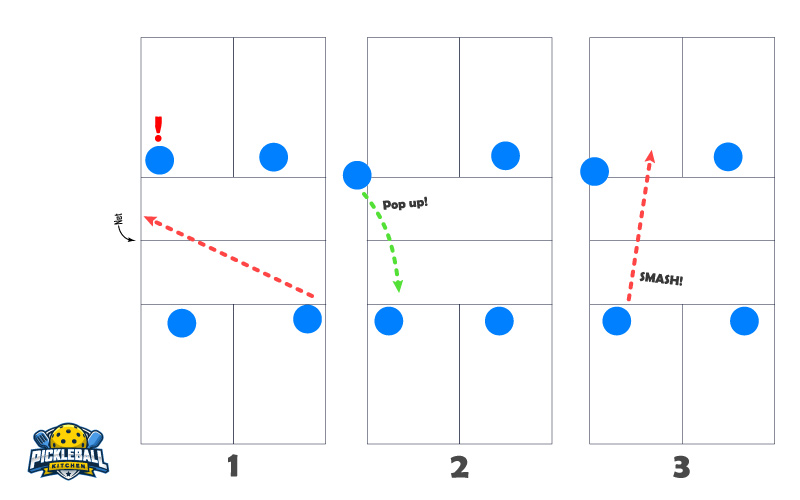
Dinking keeps points neutral and buys time. It lets you reach the kitchen line and hold it. At that line, your angle options grow, and your risk drops.
What is dinking in pickleball if not a plan to break down foes? Soft play forces patience. It exposes weak footwork and shaky touch. At higher levels, many rallies start fast, slow into dinks, then end on a pop-up.
Think of dinking as chess. Small moves shape the board. One short ball pulls an opponent wide. The next one hits the open space.
How to execute a proper dink
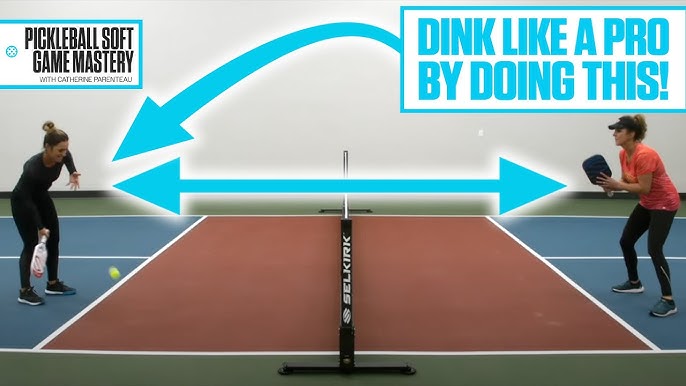
Use a relaxed grip. Think soft handshake pressure. This helps feel.
Set your feet. Bend your knees. Keep your head still. Contact happens in front of your body.
What is dinking in pickleball technique you can trust? Keep it simple. Short backswing. Open paddle face a touch. Brush up slightly for lift. Aim to land the ball near the opponent’s kitchen line.
Try this step-by-step:
- Start in ready stance at the kitchen line, paddle up at chest height.
- Move your feet to the ball. Do not reach.
- Let the ball drop to net height or a bit lower.
- Use a small push from your shoulder and legs.
- Hold your finish. Watch the ball bounce before you recover.
Personal tip: I used to jab at the ball. My dinks popped up. When I slowed my arm and used my legs, my ball stayed short and low.
Common mistakes and easy fixes
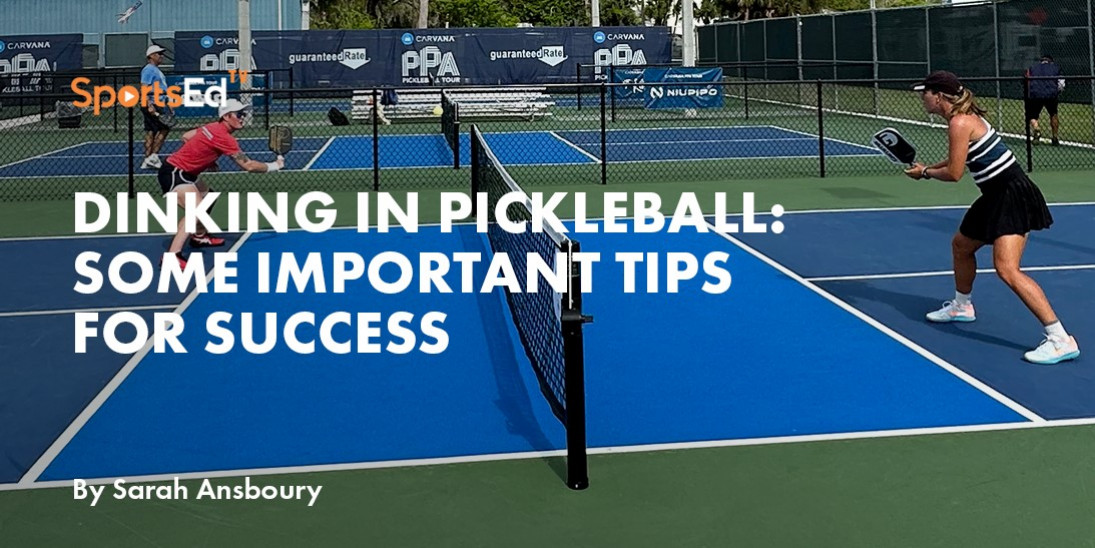
What is dinking in pickleball without control? It is a free point for the other side. Avoid these traps.
- Popping the ball up. Fix: Loosen your grip and reduce your swing size.
- Hitting too deep. Fix: Aim one foot inside the kitchen line, not the line itself.
- Staring at the ball. Fix: Peek at your target as the ball rises from the bounce.
- Reaching with the arm. Fix: Move your feet first, then swing short.
- Backing off the line. Fix: Split-step and hold ground unless you must retreat.
- Muscling the shot. Fix: Let the paddle do the work. Think lift, not hit.

Advanced dinking strategies
Once you can place the ball, you can shape the rally. What is dinking in pickleball at an advanced level? It is pattern play.
- Cross-court first. The net is lower in the middle, and the diagonal gives you more space.
- Pull and push. Dink wide, then ding back to the middle at the feet.
- Disguise pace. Mix dead dinks with a slightly faster, low skid.
- Change spin. Add light backspin to keep it low. Add light topspin to dip late.
- Attack on the right ball. High or sitting dinks can be rolled at the shoulder or flicked at the hip.
- Probe a side. Test backhands. Test movement to the sideline.

Drills to build a great dink
What is dinking in pickleball practice that pays off? Short, focused reps.
- Box targets. Place four cones in the kitchen. Land five in each box.
- Wall dinks. Stand 10 feet from a wall. Keep the ball below a line of tape.
- Triangle footwork. Dink left, middle, right. Move your feet before each hit.
- Figure-8 with a partner. Cross-court only. No speed-ups. First to 50 clean dinks wins.
- Pressure game. Play points where a speed-up is allowed only after ten dinks.
- Ladder test. Count consecutive unforced-error-free dinks. Log your best.
Keep each drill to five minutes. Track results. Progress feels great when you see numbers rise.
Gear that helps your soft game
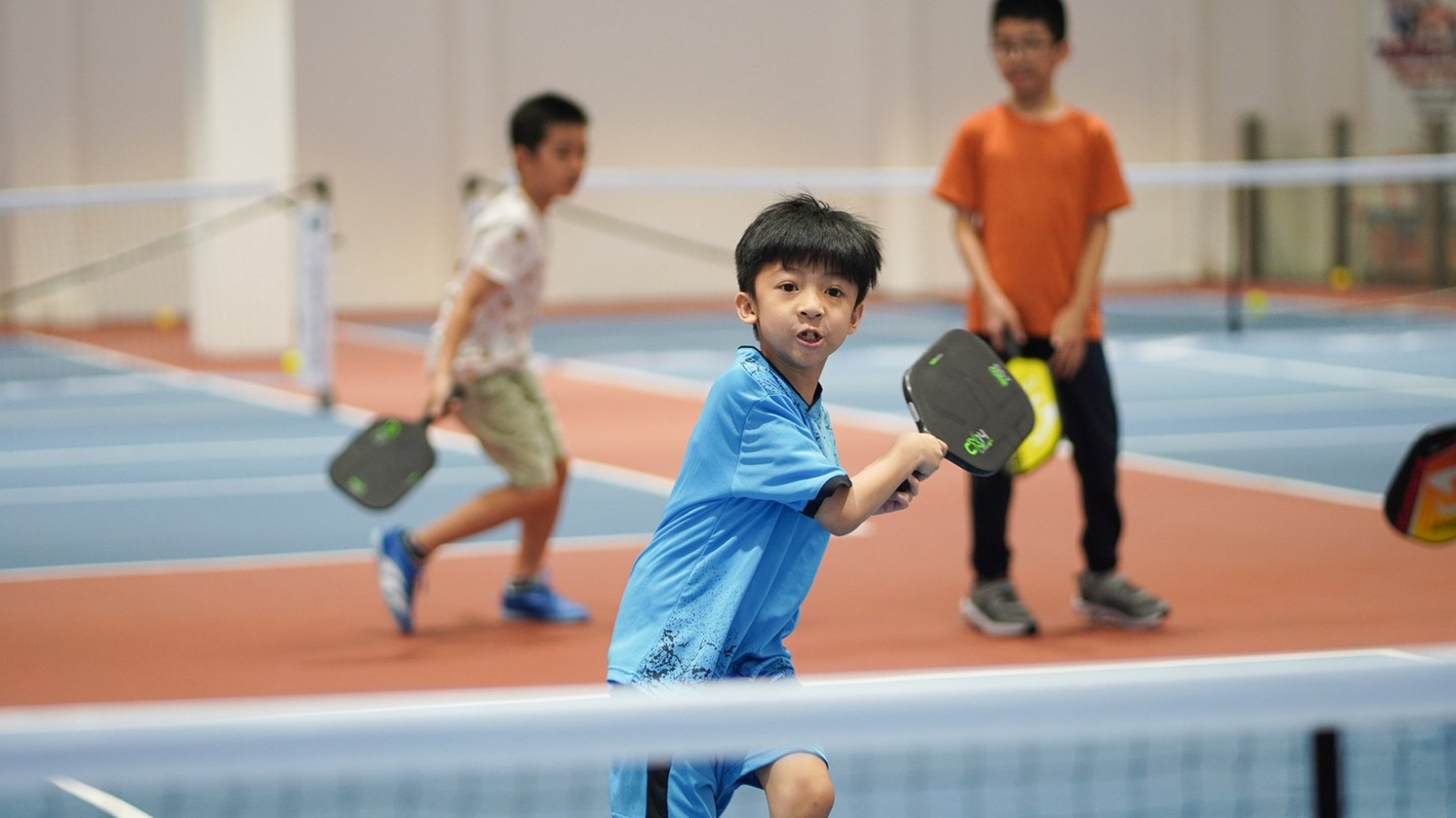
You do not need fancy gear to learn what is dinking in pickleball. But smart choices help.
- Paddle type. A control paddle with a softer core helps touch and depth control.
- Weight and balance. Slightly heavier paddles add stability. Head-light helps quick hands.
- Surface texture. Light texture grips the ball for shape and spin.
- Grip size. If it feels like a bat, it is too big. Add an overgrip for sweat.
- Shoes. Court shoes help short, sharp steps at the line.
Try paddles with a friend before you buy. The right feel boosts confidence.
Rules and positioning that shape the dink
Know the rules to use them. The non-volley zone spans seven feet on each side. You cannot volley while any part of you touches the kitchen or its line. You can step in to play a bounce, then step out.
What is dinking in pickleball with good shape? It is about space. Meet the ball early and in front. Keep your contact at or below net height.
Positioning tips:
- Play shoulder-to-shoulder with your partner at the kitchen line.
- Shift as a unit to seal gaps.
- Call middle balls early and loud.
- Reset to ready after each shot.
Also remember the two-bounce rule. The serve and the return must bounce. That sets up the soft game.
Dinking for every skill level
What is dinking in pickleball for beginners? It is learning touch. Keep the ball in. Aim at feet. Use cross-court space.
For intermediates, build patterns. Work wide, then middle. Mix spins and speeds. Learn to reset under pressure.
For advanced players, plan the attack. Hide pace changes. Read paddle faces. Turn a weak dink into a clean speed-up.
For singles, dinks are rare but key at times. Use a short cross-court dink to bring rivals off the line. Then pass into the open court.
Mindset, patience, and the reset
Your brain wins dinking duels. Breathe between hits. Count out your contact. One and through.
What is dinking in pickleball on the mental side? It is patience with a purpose. You are not stalling. You are shaping a ball you can attack.
If you feel rushed, reset the point. Send a higher, safer dink deep in the kitchen. Buy time and recover your balance. Small wins stack up.
Frequently Asked Questions of what is dinking in pickleball
What is dinking in pickleball for total beginners?
It is a soft shot that lands in the kitchen after a bounce. You use it to slow the point and set up a mistake.
When should I choose a dink over a drive?
Dink when you are off-balance or the ball is low. Drive only when the ball is high or you can hit down safely.
How do I stop popping up my dinks?
Relax your grip and shorten your swing. Let your legs add lift, and keep the paddle face stable.
Is cross-court dinking always best?
Not always, but it is safer due to space and a lower net. Mix middle and down-the-line to stay unpredictable.
What is the best target when dinking?
Aim one foot inside the kitchen line at the opponent’s feet. That keeps the ball low and hard to attack.
Can I step into the kitchen to dink?
Yes, if the ball bounces first. Step back out before your next volley to follow the rules.
How does wind change my dink?
Into the wind, add a touch more push. With the wind, aim shorter and use more spin.
Conclusion
Now you understand what is dinking in pickleball and why it wins games. Soft control creates chances. Smart targets force errors. Calm hands and fast feet seal the deal.
Start with simple cross-court dinks. Track your clean-hit streaks. Add one new pattern each week. Share your progress, ask a question, or subscribe for more drills and strategy guides.