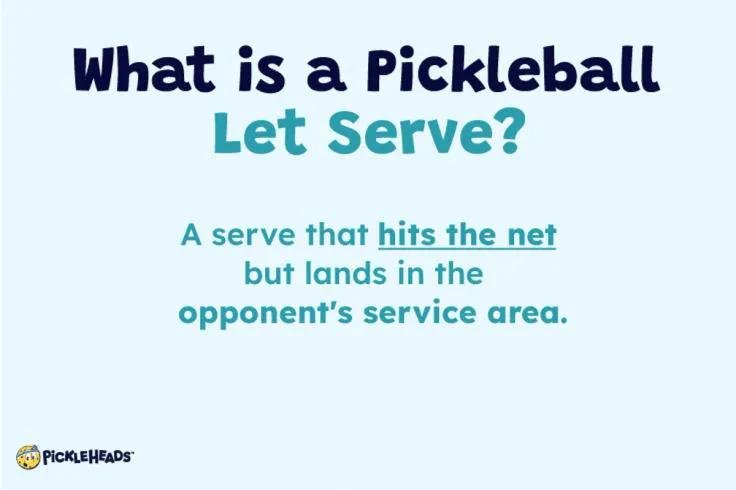
A let in pickleball is a replay, but not on serves anymore.
If you have heard mixed advice about the let in pickleball, you are not alone. I have coached new and seasoned players through this rule for years. In this guide, I break down how the let in pickleball works today, how it changed, and how to handle real match moments with calm, clear calls and smart play.
What is a let in pickleball today?
A let in pickleball is a replay of the point due to outside interference or a safety issue. It is not a redo for a serve that clips the net and lands in. That old habit is gone.
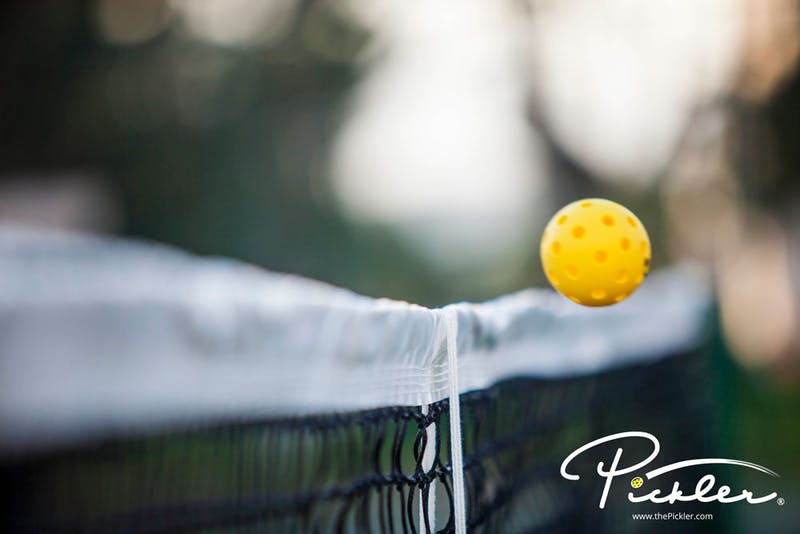
The official rulebooks removed the let serve rule. If a serve touches the net and lands in the correct service court beyond the non-volley zone, the ball is live. Keep playing. If someone shouts let on that serve, the point should still go on.
In casual games, some players still say let out of habit. Be kind, but know the modern rule. Clear calls build trust and reduce friction during play.
Serve rules and the old let serve
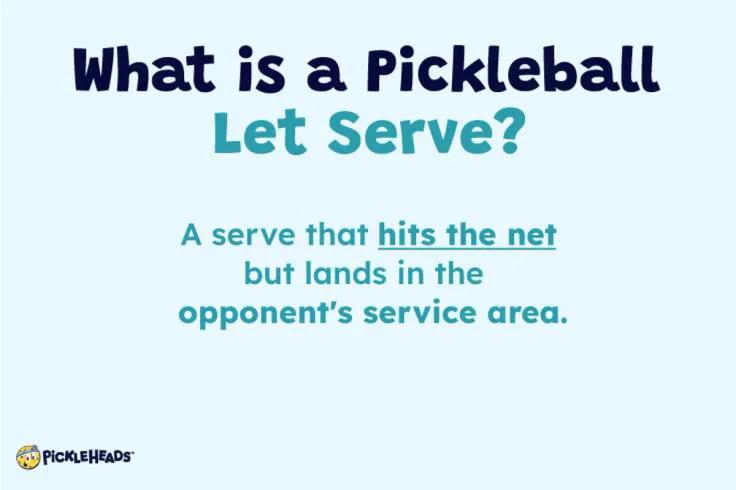
Many players still ask about the old pickleball let serve. Years back, a serve that hit the net and landed in was redone. That rule is gone. There is no let in pickleball on a serve anymore.
Here is how to judge a net-touch serve today:
- If it lands in the correct service box and clears the non-volley zone, it is good. Play continues.
- If it lands short in the kitchen or on the kitchen line, it is a fault.
- If it lands outside the service box, it is a fault.
- If the ball hits the net and then the net post or out-of-bounds first, it is a fault.
In league play, I once saw a teammate stop after a net-cord serve and call let. We lost the rally because we stopped. Since then, we remind partners before a match: there is no let in pickleball on serves.
Replay situations players still call a let
While the let serve is gone, replays still exist. People often use the word let for these events. The idea is simple: if something outside the players makes fair play impossible, replay the point.
Common replay triggers include:
- A stray ball rolls onto your court.
- A person walks into the court space.
- A scoreboard or fence gate falls or shakes into play.
- A loud, sudden distraction comes from very near the court at the moment of a shot.
- A referee or line judge error stops play.
- A wrong score called and served before anyone hits the return, which can lead to a replay under certain rulings.
In each case, stop play right away and call it. The spirit of the rule is safety and fairness. This is the heart of the modern let in pickleball, even if the word replay is more accurate.

How to call or respond to a let during a rally
Use short, calm words. Speak up fast. Do not wait to see if you win the point.
Try this simple process:
- If you see a stray ball or person on your court, stop and say stop, ball on.
- Hold up your hand to signal a replay.
- If your side caused the distraction, offer the replay quickly. Good sports win friends.
- If there is a dispute, replay the point. It is better than a sour match.
In tournaments, the referee makes the final call. In open play, both teams should agree. If in doubt, replay. The goal is the same as the rule: keep play safe and fair when a let in pickleball is needed.
Common myths about the let in pickleball
Let serves still happen in pickleball. Myth. They do not. Play net-cord serves that land in the right box.
Any net-touch on a serve is a redo. Myth. It is either live and in, or a clear fault.
You can call a let after you miss a return. Myth. Calls must be immediate. If you wait, it is not fair.
Only a referee can call a let. Myth in casual games. In open play, any player can stop for safety.
A small noise is always a let. Myth. Use common sense. The noise must be sudden, close, and affect the shot.

Strategy when the ball clips the net
Net-cord balls are tricky. The bounce is low and late. They mess with timing. Train your eyes and feet to handle the drop.
Try these quick tips:
- Stay light on your toes after contact. Expect odd bounces.
- Keep your paddle low on returns so you can lift the ball.
- Aim big targets. Do not force winners on jammed balls.
- When serving, still aim deep. A net clip that still lands deep is hard to return.
This mindset helps you deal with the moments that feel like a let in pickleball, even when play goes on.

Referee guidance and rulebook notes
Governing bodies updated rules to remove let serves and to define replays for interference. The key ideas are simple. Serves that touch the net and land in are live. Interference leads to a replay. Safety first.
For league or tournament play, read the current rulebook each year. Rules can get small tweaks. Learn the wording on replays, hinders, and faults. When I prep a team, I always do a rule check in preseason. It stops bad habits early and clears up the let in pickleball for good.

Drills and practice to handle net-cord chaos
You can train for messy bounces. A little practice goes a long way.
Try these drills:
- Random net-cord feed: A partner feeds balls that skim the net or land short. You focus on staying balanced and lifting the ball high and safe.
- Serve and react: Serve crosscourt. Partner blocks returns that dribble over the net. You sprint in and reset soft to the middle.
- Drop serve mix: Use drop serves that vary height and spin. Aim to land deep even on mishits. This builds calm when the ball clips the tape.
Use mini-games with a target score. Add one extra point for any rally won after a net-cord touch. It builds the instinct you need when a rally looks like a let in pickleball but stays live.

Frequently Asked Questions of let in pickleball
Is a serve that hits the net and lands in a let in pickleball?
No. Keep playing if it lands in the correct service court beyond the kitchen. The old let serve rule is gone.
Can I call a let for a stray ball from another court?
Yes. Stop play right away and call ball on. It is a replay for safety.
What if my opponent calls a let late, after I hit a winner?
Late calls should not stand. Calls must be immediate. In friendly play, consider a replay to keep peace, but know the rule favors a timely call.
Does a ball that clips the net and lands in the kitchen on a serve count?
No. That is a fault. Serves must land past the non-volley zone line.
Who decides a let in pickleball during a tournament?
The referee has the final say. Players can request a replay for interference, but the referee rules on it.
Do doubles and singles use the same let rules?
Yes. The no let serve rule and replay rules apply to both. Court size and positions change, but the let logic does not.
Can wind or sun cause a let in pickleball?
Usually no. Weather is part of play. Only sudden, outside interference or safety issues lead to a replay.
Conclusion
The bottom line is simple. There is no let in pickleball on serves, but replays still protect safety and fairness during rallies. Learn the difference, speak up fast, and play on with calm.
Bring this rule clarity to your next match. Teach a partner. Set the tone for fair play on your court. Want more tips like this? Subscribe for weekly skill guides, rules updates, and practice plans.