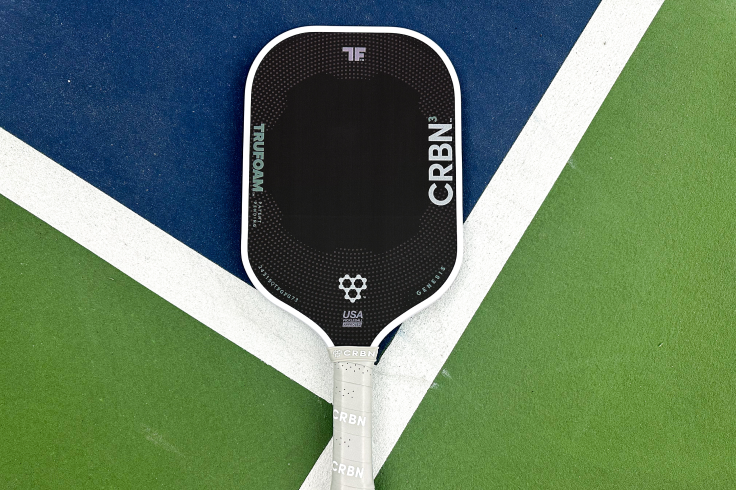
A good pickleball paddle perfectly balances weight, material, and shape to enhance your control, power, and comfort on the court.
I've spent years on the pickleball court, testing dozens of paddles and helping countless players find their perfect match. I know that feeling of using a paddle that just clicks—where every dink drops perfectly and every drive feels effortless. Understanding what makes a good pickleball paddle is the first step to elevating your game from casual to competitive. In this guide, we’ll break down everything you need to know, from core materials to grip size, so you can choose a paddle that feels like a true extension of your arm.
The Core of the Matter: Paddle Materials and Construction
Think of a paddle's construction like building a car. You have the engine (the core) and the body (the face). Each component plays a huge role in performance. The inside of the paddle, its core, dictates how the ball feels and sounds when you hit it. The outside surface, the face, is what makes contact with the ball and influences things like spin and power.
Finding what makes a good pickleball paddle for you starts with understanding these materials. A soft core combined with a gritty face can give you amazing spin and control. A harder core with a powerful face might be better for players who love to drive the ball from the baseline. Let's look at the specific options.
The Engine Room: Paddle Core Materials
The core is the heart of your paddle. It's usually a honeycomb structure that dampens vibration and provides the paddle's primary feel.
- Polymer (Polypropylene): This is the most popular core material today. It's made of a soft plastic that creates a quiet, forgiving feel. Paddles with polymer cores are great for control and are a fantastic choice for most players, from beginners to pros.
- Nomex: This was one of the original core materials. It's a very hard and dense cardboard-like material. Nomex cores provide a lot of power and a loud "pop," but they are less forgiving on off-center hits.
- Aluminum: This core is less common now. It offers good control but lacks the power of Nomex or the feel of polymer. It can also be prone to denting over time.
The Striking Surface: Paddle Face Materials
The face is what you see and what the ball touches. It works with the core to determine the paddle's final playing characteristics.
- Graphite: Graphite faces are very stiff and lightweight. They provide excellent touch and a responsive feel, making them ideal for players who value ball placement and control.
- Carbon Fiber: Similar to graphite, carbon fiber is strong, stiff, and light. It offers a great blend of power and control. Many high-end paddles use carbon fiber for its durability and large sweet spot.
- Fiberglass (Composite): Fiberglass is a powerful and flexible material. It acts like a trampoline, giving you more pop on your shots. This is a great choice for players who want to add extra power to their drives and smashes.

Finding Your Balance: Weight and Its Impact on Your Game
If you ask me what makes a good pickleball paddle, I'll often say weight is the first thing to consider. It affects everything from your swing speed to your ability to control the ball at the net. I remember my first paddle was a heavy, clunky thing. I had power, but my dinks sailed long every time. Switching to a midweight, control-oriented paddle completely changed my soft game. Paddle weight is all about finding a personal balance between power and control.
Lightweight Paddles (Under 7.5 oz)
Lightweight paddles offer excellent maneuverability and quick hand speed. They are perfect for players who frequent the kitchen line and engage in fast volley exchanges. The downside is that they provide less power and can feel less stable against hard-hitting opponents.
Midweight Paddles (7.5 oz to 8.4 oz)
This is the sweet spot for the vast majority of players. Midweight paddles provide a fantastic blend of power, control, and stability. They are substantial enough to drive the ball but light enough to react quickly at the net. If you're unsure where to start, a midweight paddle is a safe and effective bet.
Heavyweight Paddles (Over 8.5 oz)
Heavyweight paddles are for the power players. The extra mass helps you drive the ball with more pace and provides incredible stability. You won't get pushed around by hard shots. However, this weight can lead to slower reaction times and may cause arm fatigue for some players.
Get a Grip: Why Handle Size and Shape Matter
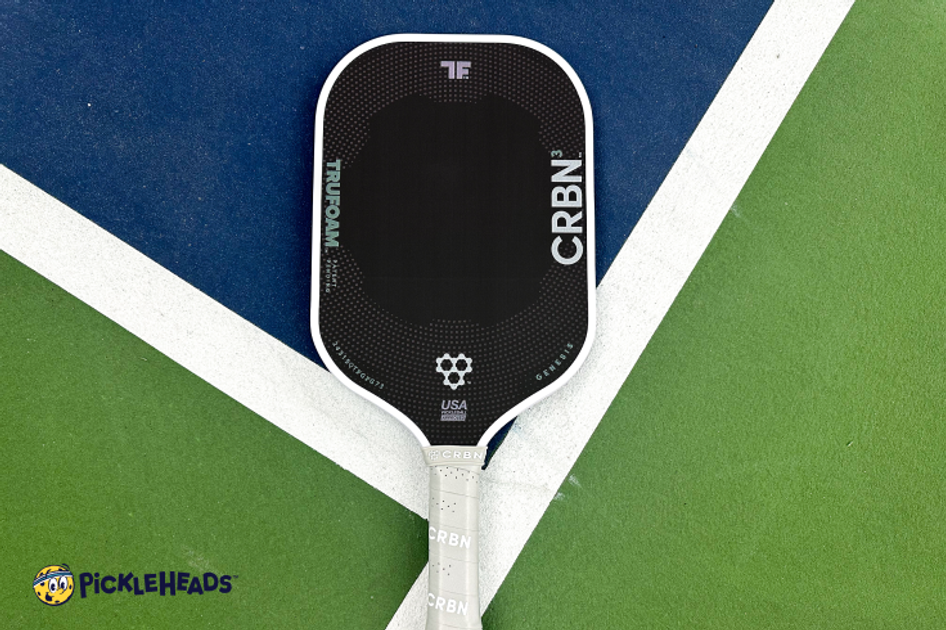
Your connection to the paddle is through the grip. A grip that's too large can restrict wrist movement, while one that's too small can cause you to squeeze too tightly, leading to elbow issues. The right grip size provides stability, comfort, and better control over your shots. It’s a critical component in understanding what makes a good pickleball paddle for your body.
Finding Your Perfect Grip Circumference
You can find your ideal grip size with a simple test. Hold the paddle with your dominant hand. You should be able to slide the index finger of your other hand into the space between your palm and your fingertips. If there's too much room, the grip is too big. If there's no room, it's too small. Most paddles come in sizes between 4 and 4.5 inches.
Handle Length: One-Handed vs. Two-Handed Backhands
Standard handle lengths are around 5 inches. This is perfect for most players. However, if you come from a tennis background and hit a two-handed backhand, you'll want to look for a paddle with a longer handle (5.5 inches or more). This provides the extra space needed to comfortably fit both hands.
The Shape of Victory: How Paddle Shape Affects Play
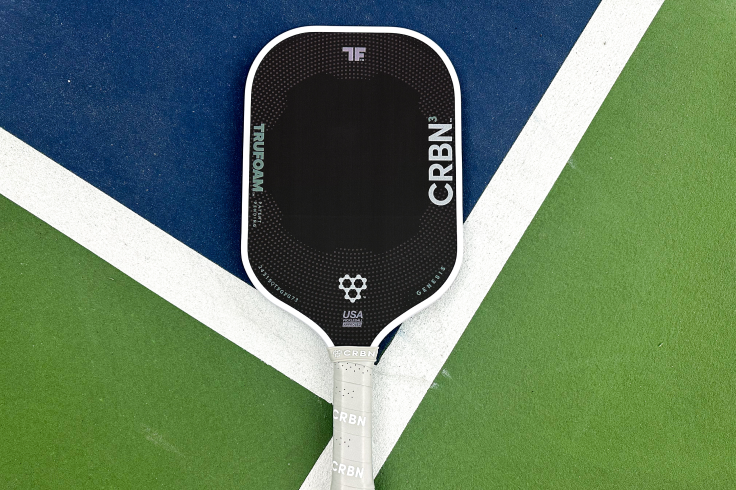
Paddles don't come in a one-size-fits-all shape. The overall silhouette of the paddle can significantly influence its sweet spot, reach, and forgiveness. The shape is another piece of the puzzle in figuring out what makes a good pickleball paddle for your specific style of play.
Standard Shape: The All-Arounder
The traditional paddle shape is a wide body, almost like a square with rounded corners. This shape provides the largest possible sweet spot, making it very forgiving on off-center hits. It's an excellent choice for beginners and players who prioritize consistency and control.
Elongated Shape: For Reach and Power
Elongated paddles are longer and narrower than standard shapes. This design gives you extra reach at the net and can generate more power due to a faster swing speed at the tip. The trade-off is a smaller, less forgiving sweet spot. These are popular with aggressive, singles players.
Wide Body Shape: For a Generous Sweet Spot
A wide body paddle maximizes the width allowed by the rules. This shape offers a massive sweet spot from side to side, making it incredibly forgiving. If you struggle with mishits, a wide body paddle can instantly boost your confidence and consistency.

Putting It All Together: Control vs. Power vs. Touch
Now, let's connect all the dots. The perfect paddle for you is one that aligns with your strengths and supports your weaknesses. It's not about finding the "best" paddle, but the best paddle for you. Understanding what makes a good pickleball paddle is about this synthesis.
For example, a player who prioritizes control and dinking might choose a midweight, standard-shape paddle with a polymer core and a carbon fiber face. This combination offers a large sweet spot, a soft feel for touch shots, and enough mass for stability.
Conversely, a power player who loves to drive the ball from the baseline might opt for a heavier, elongated paddle with a Nomex core and a fiberglass face. This setup maximizes reach, power, and pop. The ultimate decision depends entirely on how you want to play the game.
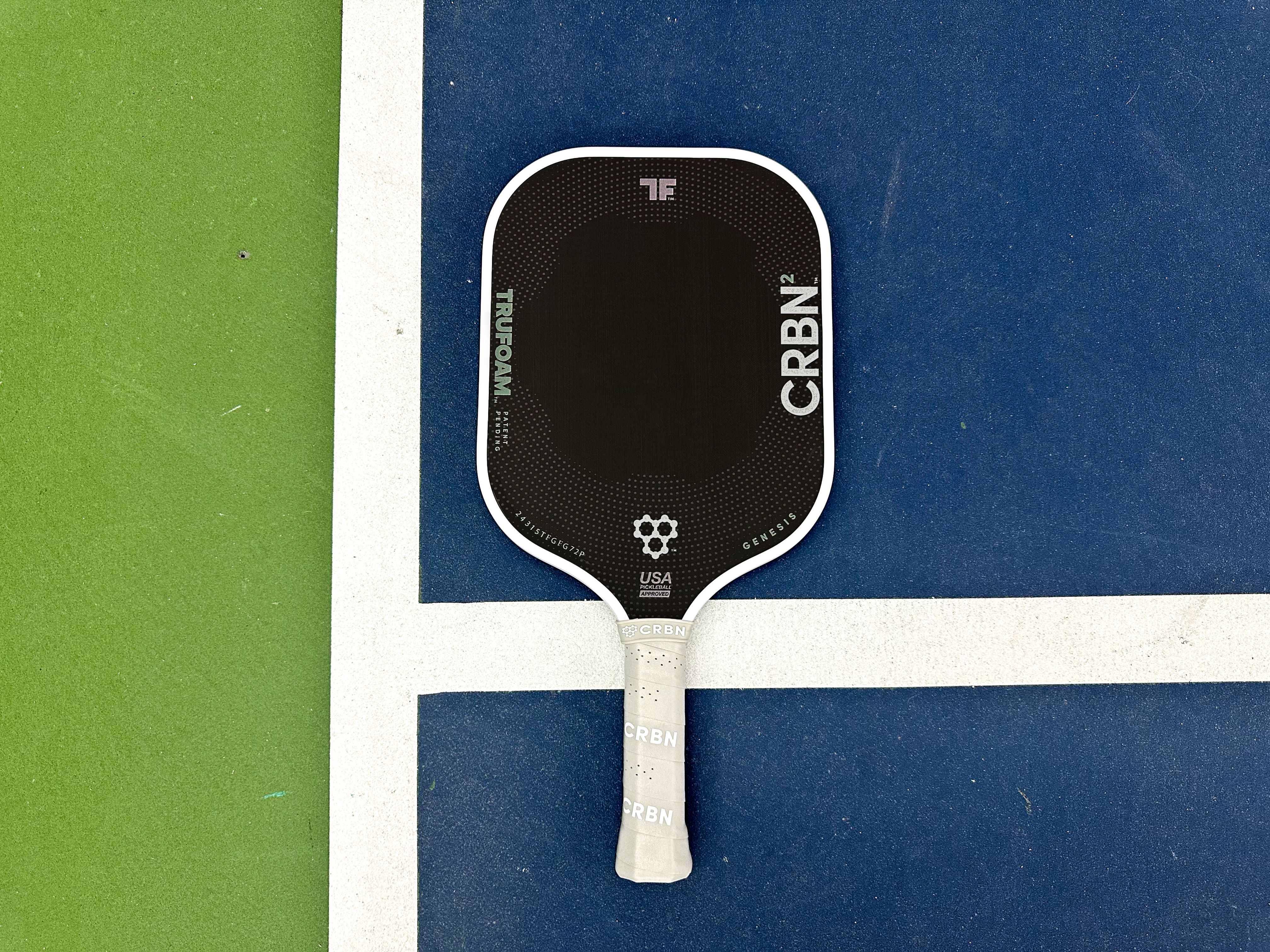
Frequently Asked Questions of what makes a good pickleball paddle
What is the most important factor in a pickleball paddle?
Weight is often considered the most important factor because it directly impacts both power and control. Finding the right weight for your strength and play style provides the best foundation for your game.
How much should I spend on a good pickleball paddle?
A good beginner to intermediate paddle typically costs between $60 and $150. This price range offers excellent technology, materials, and durability without breaking the bank.
Do expensive pickleball paddles make a difference?
Yes, more expensive paddles often use advanced materials like carbon fiber and have better construction, leading to a larger sweet spot and better feel. For a serious player, the investment can certainly improve consistency and performance.
What paddle face material is best for spin?
Carbon fiber and some textured fiberglass faces are generally best for creating spin. These surfaces are designed to "grip" the ball for a split second longer, allowing you to impart more rotation.
How do I know when to replace my pickleball paddle?
You should consider replacing your paddle if you notice a significant drop in performance, hear a rattling sound, or see visible damage like cracks. Over time, the core can soften, reducing the paddle's pop and consistency.
Conclusion
Choosing the right equipment is a giant leap toward playing your best pickleball. By understanding how core materials, face surfaces, weight, grip, and shape come together, you can find a paddle that truly complements your game. The factors that make up a good pickleball paddle are a blend of technology and personal preference. Don't just follow the trends; think about what you need on the court.
The best advice is to try a few different paddles if you can. Ask to hit a few balls with a friend's paddle or find a local shop with a demo program. The perfect paddle is out there waiting to help you hit cleaner dinks, sharper volleys, and more powerful drives.
Now that you know what makes a good pickleball paddle, what feature is most important to you? Let us know in the comments below