The right kind of ball for pickleball is a plastic, perforated ball, specifically an outdoor ball for outdoor courts and an indoor ball for indoor courts.
Stepping onto a pickleball court for the first time, you might think a ball is just a ball. But as someone who has spent countless hours playing, coaching, and testing gear, I can tell you that the ball you choose can completely change your game. Understanding what kind ball for pickleball to use is one of the first and most important lessons for any player. This guide will break down everything you need to know, from the key differences between ball types to how to select the perfect one for your playing style, ensuring your next game is your best one yet.
Understanding the Basics: What Makes a Pickleball a Pickleball?
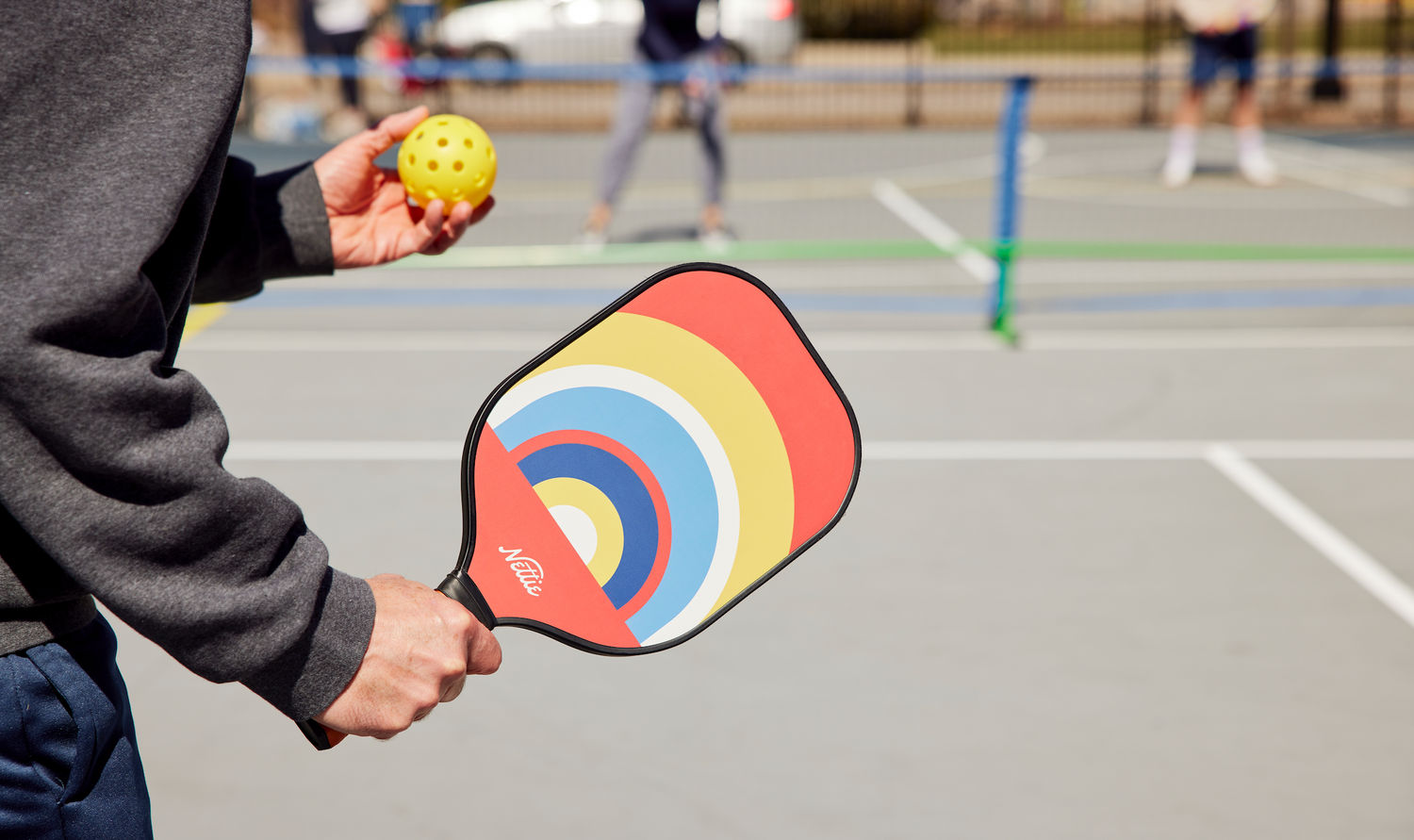
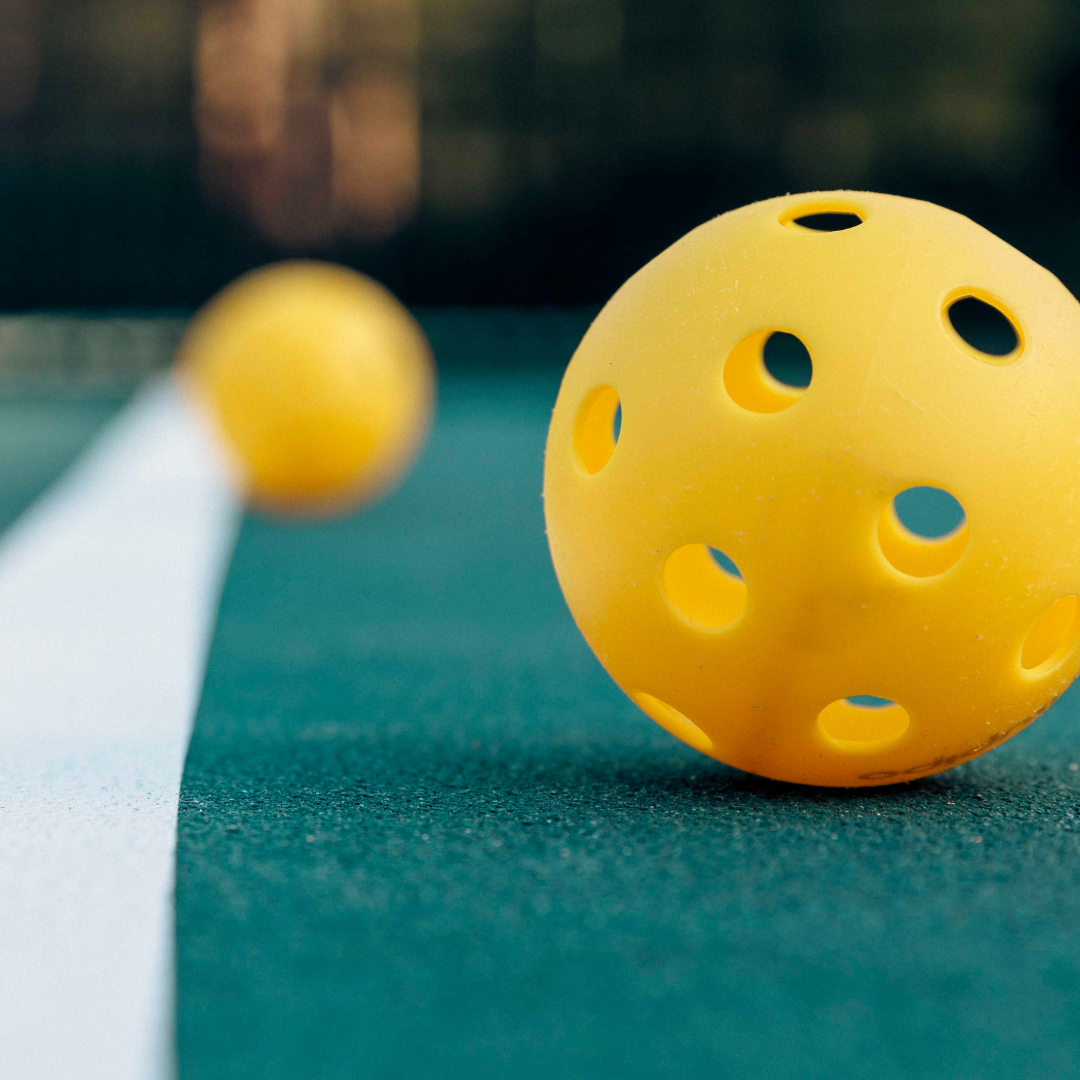
Before we dive into the specifics, let's talk about the ball itself. A pickleball is a lightweight, hollow polymer ball with precisely drilled holes. This unique design is what gives the ball its signature flight characteristics—slower and with less bounce than a tennis ball, which is perfect for the smaller court size.
The official rules state that a pickleball must be between 2.87 and 2.97 inches in diameter and weigh between 0.78 and 0.935 ounces. The number of holes can range from 26 to 40. These seemingly small variations in hole count, size, and plastic hardness are what create the two primary categories of pickleballs you'll encounter.
The Great Divide: Indoor vs. Outdoor Pickleballs
The most critical factor in determining what kind ball for pickle ball you need is where you're playing. The choice between an indoor and an outdoor ball isn't just a suggestion; it directly impacts playability, durability, and your overall experience on the court. Using the wrong ball for the environment can lead to a frustrating game.
Outdoor Pickleballs: Built for the Elements
Outdoor balls are engineered to withstand the rigors of outdoor play. They are made from a harder, more durable plastic to hold up against rough surfaces like asphalt or concrete. This harder plastic also makes them play faster and bounce higher, which is something you feel immediately.
Here’s a quick breakdown of their key features:
- More Holes: They typically have around 40 smaller, circular holes. This design helps the ball fly truer and cut through the wind more effectively.
- Heavier and Harder: The dense plastic makes them heavier, giving them more speed off the paddle and better resistance to wind.
- Less Durable in Cold: A major downside is that this hard plastic can become brittle and crack in cold weather. I’ve seen brand new balls shatter on a cold morning after just a few hard hits.
- Faster Play: If you enjoy a fast-paced, power-driven game, you'll love how an outdoor ball comes off the paddle.
From personal experience, playing with an outdoor ball like the popular Franklin X-40 or Dura Fast 40 feels crisp and responsive. You get a satisfying "pop" sound that many players, including myself, have come to love.
Indoor Pickleballs: Designed for Control
Indoor pickleballs, on the other hand, are designed for the controlled environment of a smooth gym floor. They are made from a softer, more flexible plastic, which gives them a completely different feel and performance profile.
Here are their defining characteristics:
- Fewer Holes: They usually have 26 larger, circular holes. This design contributes to a slower flight and a softer feel.
- Lighter and Softer: The softer plastic makes them lighter and easier to control, especially for dinks and drop shots at the net.
- More Durable: Because they are used on smooth surfaces, they tend to last much longer than outdoor balls and are not prone to cracking.
- Slower Play: The softer material and larger holes create more drag, slowing the ball down. This leads to longer rallies and a game that often relies more on strategy and placement than on raw power.
I remember once trying to use an indoor ball on a slightly breezy outdoor court with friends. It was a lesson in futility. The ball would get caught in the wind and float unpredictably, making for a comical but ultimately unplayable game. This experience really cemented the importance of knowing what kind ball for pickle ball to use for the situation.

How to Choose the Right Pickleball for You
Now that you understand the fundamental difference, how do you pick the right ball? It goes beyond just indoor versus outdoor. Here are a few factors to consider to find your perfect match.
Consider Your Playing Surface
This is the number one rule. If you're playing on a dedicated outdoor court or a converted tennis court, you need an outdoor ball. If you're playing on a basketball court or indoor gym floor, grab an indoor ball. It’s the easiest way to ensure a good game.
Think About Your Play Style
Are you a power player who loves to drive the ball hard from the baseline? An outdoor ball will complement your style. Are you a "dinker" who thrives on soft shots and strategic placement at the net? The slower, more controllable indoor ball might feel better in your hands, even if you are practicing dinks outdoors on a calm day.
Weather Conditions Matter
For outdoor play, weather is a huge factor. On a windy day, a heavier outdoor ball is essential. Temperature also plays a role. In very cold weather (below 50°F or 10°C), outdoor balls can become very brittle. Some players switch to indoor balls for casual cold-weather play because they are less likely to crack, even though they won't perform as well.
Sanctioned vs. Recreational Play
If you plan on playing in tournaments, you'll need to use a ball approved by the governing body, such as USA Pickleball. They maintain a list of approved balls, and most are outdoor models like the Dura Fast 40, Franklin X-40, or Onix Fuse G2. For recreational play, any ball will do, but using a quality ball will make the game more enjoyable. Choosing the right kind of ball for pickleball ensures you are ready for any level of competition.
Popular Pickleball Brands and What to Expect
Walking into a sports store or browsing online, you'll see a few brands dominate the market. Each has a slightly different feel, and players often develop a personal preference.
- Franklin: The Franklin X-40 is one of the most popular outdoor balls. It's known for its durability and consistent bounce, making it a favorite for both recreational and tournament play. It’s a great all-around choice.
- Dura: The Dura Fast 40 is famous for being, well, fast. It’s a hard, seamless ball that many advanced players prefer for its speed and consistent flight. It can be prone to cracking in the cold, however.
- Onix: Onix offers both popular indoor (Onix Fuse Indoor) and outdoor (Onix Fuse G2) balls. Their indoor balls are known for their true flight and soft feel, making them a top choice for gym play. The outdoor version is durable and plays a bit softer than a Dura.
My advice is to try a few different brands to see what you like best. What feels good to me might not be your favorite, and discovering what kind ball for pickle ball works for you is part of the fun.

Caring for Your Pickleballs: Making Them Last Longer
Pickleballs don't last forever, especially outdoor ones. They get scuffed, go out of round, and eventually crack. But you can extend their life with a little care.
- Store them properly: Avoid leaving your pickleballs in a hot car or in direct sunlight for extended periods. Extreme heat can soften and warp the plastic.
- Keep them clean: A little soap and water can clean off dirt and grime, which can help maintain the ball's texture and flight.
- Rotate your balls: If you have a bag of balls for practice, try to use them all evenly rather than using the same few over and over. This will help them wear down at a similar rate.

Frequently Asked Questions of what kind ball for pickle ball
Can you use an indoor pickleball outdoors?
You can, but it is not recommended. An indoor ball is too light and soft for outdoor conditions, will be heavily affected by wind, and will not bounce properly on a rough outdoor surface.
Why do pickleballs have holes?
The holes create drag, which slows the ball down compared to a solid ball like a tennis ball. This design is essential for controlling the ball on a smaller court and allows for the strategic, dink-heavy style of play unique to pickleball.
How long do pickleballs last?
An outdoor pickleball's lifespan can be very short, sometimes lasting only a few games in aggressive play or cold weather before cracking. Indoor balls, used on smooth surfaces, can last for many months.
Are all pickleballs the same size?
No, but they are all within a very specific range. According to USA Pickleball rules, they must be between 2.87 and 2.97 inches in diameter, so the variation between approved balls is minimal.
What color pickleball is best?
The best color depends on the environment. Bright colors like yellow, neon green, or orange are popular for outdoor play as they stand out against the court and sky. For indoor play, the color should contrast with the floor and wall colors.
Conclusion
Choosing what kind ball for pickle ball to use is a simple but vital decision that directly affects your game. The golden rule is straightforward: use outdoor balls for outdoor courts and indoor balls for indoor courts. From there, you can experiment with different brands to find the one that best suits your playing style and local conditions. By understanding the unique properties of each ball, you'll be better prepared, play more consistently, and enjoy every moment on the court.
Now that you're armed with this knowledge, pick the right ball for your next game and see what a difference it makes. Have a favorite ball or a tip I missed? Share it in the comments below