
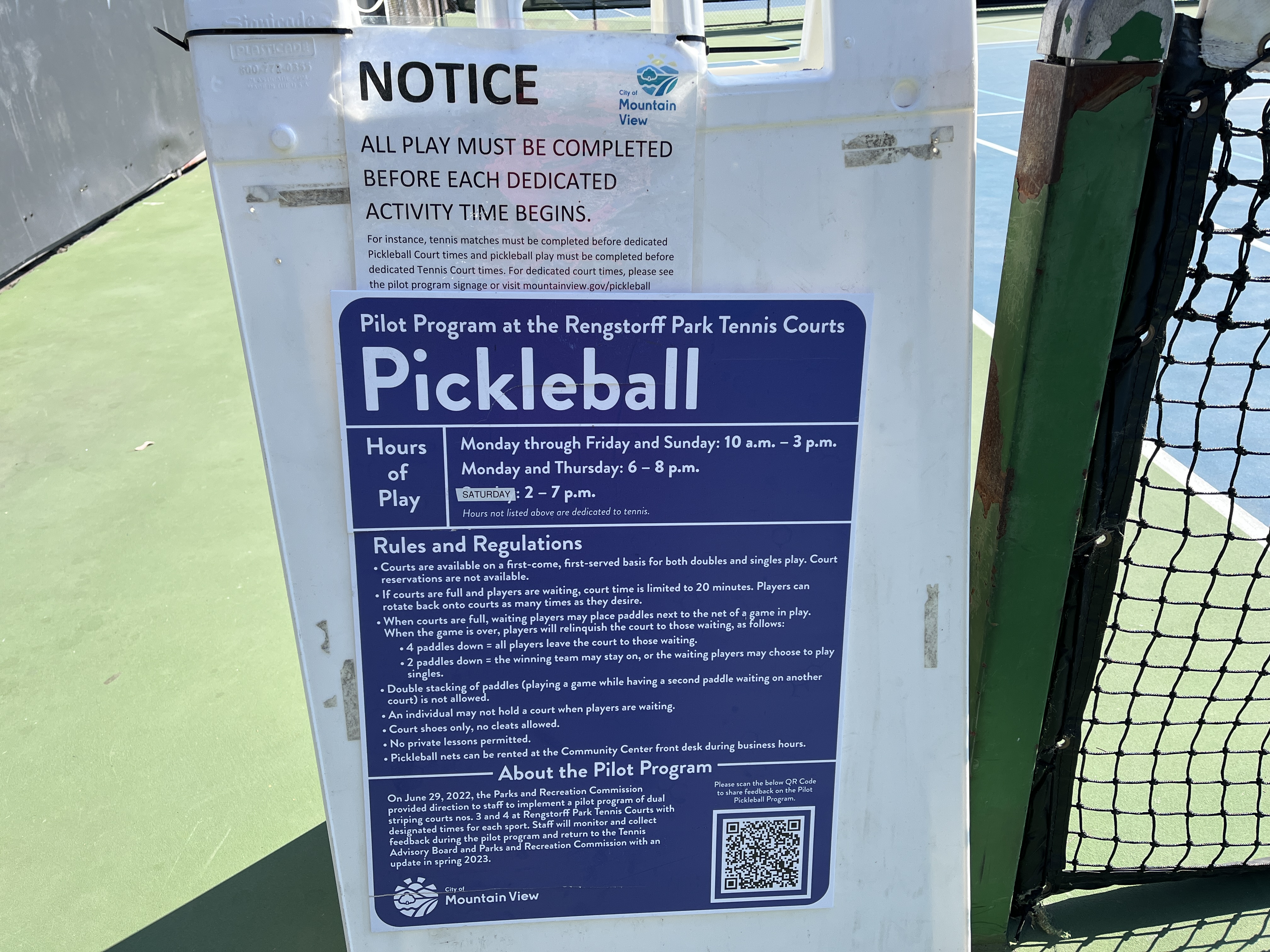
The strategy of pickleball double stacking is not allowed because it violates player positioning rules during the serve.
Have you ever been on the pickleball court, watched your opponents do a strange shuffle before the serve, and wondered, "What are they doing, and is that even legal?" As a seasoned player and coach, I've seen the confusion around stacking firsthand. Many players hear the term "double stacking" and assume it's a complex, possibly forbidden, maneuver. The truth is, while the concept of pickleball double stacking not allowed is a common point of confusion, understanding the official rules makes it crystal clear. This guide will break down exactly what stacking is, why certain positioning is illegal, and how you can use this strategy legally to dominate the court.

What is Stacking in Pickleball?
Stacking is a positioning strategy used in doubles pickleball. Its main goal is to keep both players on their preferred side of the court for the majority of the rally. Most players have a stronger forehand or backhand, so stacking allows them to play to their strengths, creating a more powerful and consistent offense.
Think of it like a specialized formation in football. Instead of lining up in a standard way, the team adjusts its position to maximize the skills of each player. In pickleball, this means the player with the dominant forehand might try to stay on the left side (for a right-handed player), and stacking is the coordinated movement that makes this possible after the serve and return. It’s a dynamic way to control the game from the very first shot.

The Confusion: Is "Double Stacking" Allowed?
Here’s where the confusion starts. There isn't an official pickleball term or strategy called "double stacking." This phrase is often used incorrectly by players trying to describe what they believe is an illegal form of stacking. The truth is much simpler: there is only one kind of stacking, and it is either legal or illegal based on player positioning.
The core principle that makes people think pickleball double stacking not allowed is a specific rule relates to where players must be during the serve and return. Stacking itself is a perfectly legal and widely used strategy at all levels of play. However, if you perform the movements incorrectly and violate the positioning rules, you will be called for a fault. So, the strategy isn't the problem; it's the execution.
Unpacking the Official Rules: Why You Can't Just Stand Anywhere
To truly understand why the idea of pickleball double stacking not allowed exists, we need to look at the official USA Pickleball rulebook. The rules about player positioning during the service motion are strict and non-negotiable. Breaking them down makes everything clear.
According to Rule 4.B, the positioning rules are as follows:
- Serving Team: When serving, the server must be behind the baseline and in the correct service court. Their partner, however, can stand anywhere on their side of the court, even outside the sidelines or behind the baseline. This flexibility is what makes stacking easy for the serving team.
- Receiving Team: This is where the limitations come in. The player returning the serve must be behind their baseline. Crucially, the receiver's partner must have both of their feet inside the court boundaries (within the sidelines and baseline) until the server strikes the ball.
This rule for the receiver's partner is the key. They cannot stand out of bounds to get a head start to their preferred side. I remember a tournament match where our opponents on the receiving team tried this. The partner was standing a foot outside the sideline. The referee immediately called a fault on them for illegal positioning. It was a perfect lesson in why knowing the rules is so important. This specific rule is the reason the myth of pickleball double stacking not allowed persists.

How to Legally Stack in Pickleball (And Avoid Faults)
Now that you know the rules, you can use stacking to your advantage without giving up easy points. It just requires a bit of practice and coordination with your partner. Here’s how to do it legally for both the serving and receiving teams.
Stacking on the Serve
This is the easier scenario. Because the server's partner can stand anywhere, the setup is simple.
- The server lines up in the correct service court to serve.
- The partner stands near the centerline, often in the non-volley zone, ready to move.
- Once the serve is hit, both players quickly shift to their desired sides of the court. For example, if both players are right-handed and want their forehands in the middle, the player starting on the right side will serve and then shift to the left side after the serve.
Stacking on the Return
This requires more timing and quickness due to the positioning rules.
- The receiver stands in their normal position to return the serve.
- The receiver's partner must stand with both feet inside the court. They usually position themselves close to the centerline or sideline they plan to move toward.
- The instant the server makes contact with the ball, the receiver's partner is free to move. They can then quickly cross the court to their preferred side as the receiver is hitting the return.
This quick movement feels like a little dance. It needs to be timed perfectly, but once you get it down, it’s an incredibly effective strategy. This legal method shows that the idea of pickleball double stacking not allowed is simply a misunderstanding of the rules.

Common Mistakes and Misconceptions About Stacking
As with any strategy, there are common pitfalls to avoid. Understanding these will help you implement stacking effectively and legally, clearing up any confusion around why pickleball double stacking not allowed is a common misconception.
- The Receiver's Partner Starting Out of Bounds: This is the most common fault related to stacking. Always remember: if you are the receiver's partner, your feet must be inside the court until the ball is served. Reinforce this with your partner before every game.
- Moving Too Early: The receiver's partner cannot move until the server makes contact with the ball. Moving even a split second too early is a fault. Practice your timing to ensure your movement is legal.
- Confusing Your Partner: Communication is key. Before the match, decide if you are going to stack and confirm your signals. Confusion during a point can lead to open courts and easy points for your opponents. Stacking is a team strategy, not an individual one.
By avoiding these mistakes, you can see that stacking is a valuable tool. The concept of pickleball double stacking not allowed is less about a specific illegal move and more about failing to follow the basic positioning rules of the game.

Frequently Asked Questions about Pickleball Double Stacking Not Allowed
Can both players on the serving team stand on the same side?
Yes, this is legal. The server must be in the correct service court, but their partner can stand anywhere on their side, including on the same side as the server, before shifting after the serve.
Is stacking allowed in recreational play?
Absolutely. Stacking is a legal strategy in all forms of pickleball, from casual recreational games to professional tournaments. Just make sure everyone understands and follows the official positioning rules.
What is the penalty for illegal stacking or positioning?
The penalty for illegal positioning by either the server's partner or the receiver's partner is a fault. This results in a loss of rally for the team that committed the fault.
Why do advanced players stack so often?
Advanced players stack to consistently keep their forehands (or strongest shot) in the middle of the court. This allows them to control the rallies with their most powerful and reliable shots, creating a significant strategic advantage.
Can you stack when your opponents are serving?
Yes, you can stack when receiving the serve. However, you must follow the rule that requires the receiver's partner to start with both feet inside the court boundaries until the ball is struck by the server.
Conclusion
The notion that pickleball double stacking not allowed is one of the biggest myths in the sport. The reality is that stacking is a completely legal and highly effective strategy when performed correctly. The "illegal" part never comes from the strategy itself but from violating the fundamental positioning rules for the receiving team. By understanding where you and your partner can and cannot stand during the serve, you can unlock a new level of strategic play.
Now that you have the knowledge, grab a partner and go practice your legal stacking formations. See how playing to your strengths changes the dynamic of your game. Don't be afraid to communicate and coordinate—it's the key to making this advanced strategy work for you.
What are your experiences with stacking on the court? Share your tips or questions in the comments below