You get one serve per turn in pickleball; in doubles only one partner serves at a time.
I’ve played and coached pickleball for years, so I know how confusing the serving rules can feel at first. This article digs into exactly how many serves do you get in pickleball, explains singles vs doubles, highlights faults that cost your serve, and gives clear tips to avoid common mistakes. Read on to master serving rules and keep your game calm and confident.
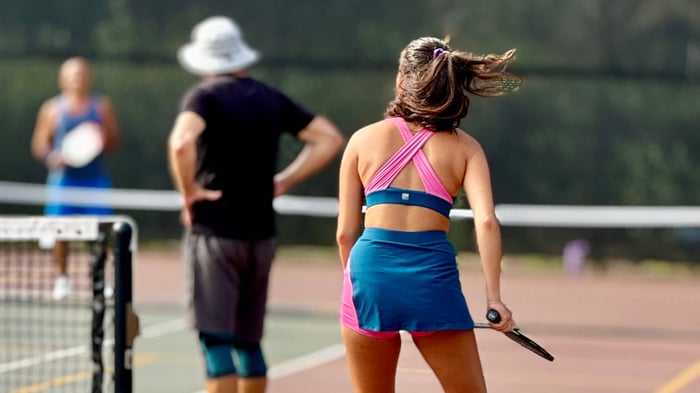
How many serves do you get in pickleball? Rules for singles and doubles
In singles, each player gets one serve per service turn. In doubles, one partner serves until they lose the rally, then the serve passes to the opposing team. That means you only get one serve per service turn, not a second chance like in tennis.
If the serving side scores, the same server continues in singles. In doubles, the server continues only if their team wins the rally and it is not the team’s second server situation. Understanding how many serves do you get in pickleball helps you plan risk and placement on serve.
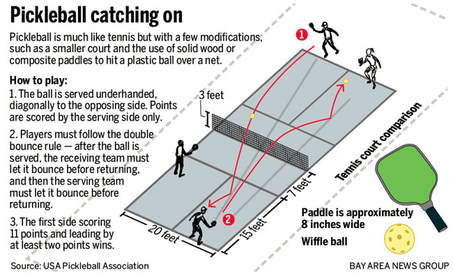
Serving sequence and rotation explained
Serve order in doubles follows a clear pattern. The team that starts serving gets only one server on their first service turn. After a side-out, both players on a team will serve before the serve goes back to the other team. Keep the rotation in mind to avoid confusion during matches.
Here’s a quick breakdown:
- At game start, only one player serves for the starting team.
- When that server loses the rally, the serve goes to the opposing team.
- After the first side-out, both players on each team will have a chance to serve in turn.
Knowing how many serves do you get in pickleball by rotation makes it simpler to track score and positioning.
Common faults that cause you to lose your serve
A serve can be lost for many small faults. Typical faults include serving into the wrong zone, serving out of bounds, stepping on the baseline, or hitting the ball into the non-volley zone on the serve. Also, serving "let" rules are different; an official rule states a serve that touches the net and lands in the correct area is a fault in some formats, so check your local rules.
Common faults:
- Foot faults: stepping past the baseline during serve.
- Wrong serve height or motion: not keeping paddle contact correct.
- Serve landing in the non-volley (kitchen) zone.
Knowing these faults helps you keep your single serve alive and avoid losing it.

Scoring basics tied to serving
You can only score points when your team is serving. If the serving team wins the rally, they score and the same server may continue. If the receiving team wins, the serve changes hands. That scoring link is why players focus so much on hold of serve.
Remember: how many serves do you get in pickleball ties directly to how many chances you have to score. In doubles, one player serves, and a side-out causes rotation that can give your partner a serve next.
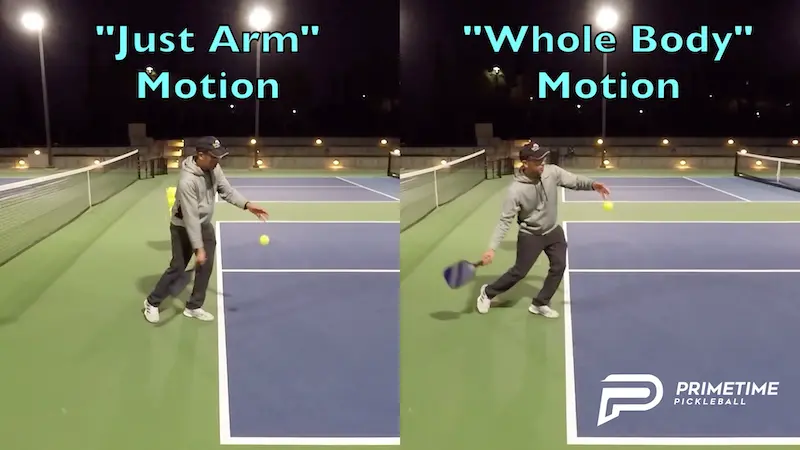
Strategies to make the most of your single serve
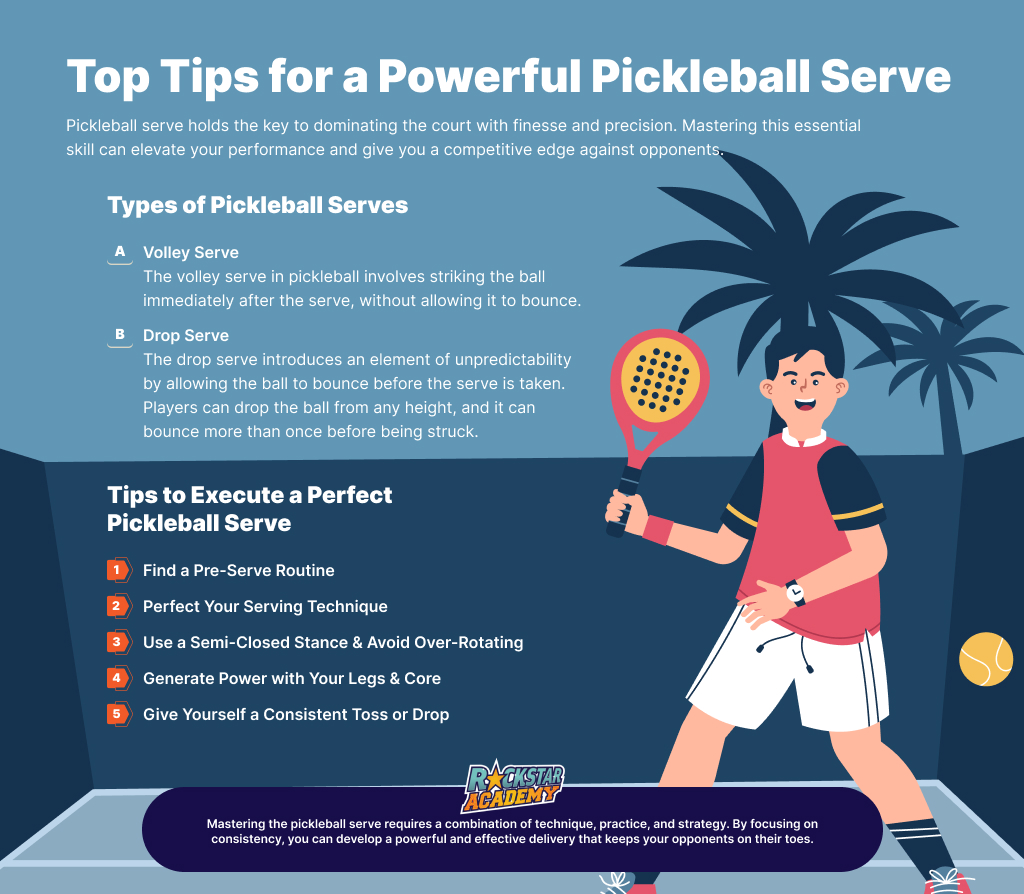
Treat each serve as a chance, not just a routine. Aim short and deep when needed. Use placement over power for better percentage. Practice these simple plays:
- Serve to the opponent’s backhand to force weaker returns.
- Mix short and deep serves to break their rhythm.
- Focus on consistency: a safe serve keeps your turn alive.
With the right tactics, your one serve per turn can be a real weapon. Remember how many serves do you get in pickleball and play each one smart.
Tournament rules and variations to watch for
Tournaments may use slight rule variants. Some events enforce strict let rules, others allow lets much like tennis. In some formats, tournament directors may clarify the rotation or implement time limits. Always read the specific event rules before play.
When preparing for competition, confirm how many serves do you get in pickleball under that event’s rules. That saves time and keeps you from being penalized for local differences.

My personal experience and practical tips
When I started, I often lost serve by stepping too early. I learned to pause, breathe, and set my feet. Practicing with a partner taught me the server rotation and how many serves do you get in pickleball in real matches. A few practice drills that helped me:
- Serve-and-chase: serve then move to the net to practice follow-up.
- Target warm-up: aim at cones to build placement.
- Rotation drills: simulate scoring to keep track of whose serve it is.
These small habits stopped my early mistakes and made my serving steady in matches.

Equipment and posture tips to protect your serve
Good posture and the right paddle matter. A lighter paddle can improve control. Stand behind the baseline and keep your non-dominant foot steady. Simple adjustments reduce faults and keep your one serve per turn in play.
Also check court shoes for grip. Slipping can cause foot faults and lose your serve. How many serves do you get in pickleball is fixed, so make each one count with good gear and stance.

Frequently Asked Questions of how many serves do you get in pickleball
How many serves do you get in pickleball in singles?
In singles, you get one serve per service turn. If you win the rally while serving, you keep the serve and continue.
How many serves do you get in pickleball in doubles?
In doubles, one partner serves at a time and keeps serving until their team loses a rally. After a side-out, both partners on the serving team will serve in turn.
Do you get a second serve like in tennis?
No. There is no second serve in standard pickleball. You get one serve per turn only.
What causes you to lose your serve quickly?
Faults such as serving into the kitchen, stepping on the line, serving out of bounds, or broken serving order will cause you to lose the serve. Keeping a consistent routine reduces these errors.
Can the net touch on serve be replayed?
Local rules vary, but many events treat a net-touching serve that lands in the correct area as a fault. Always check the event’s official rules before play.
Does scoring change how many serves do you get in pickleball?
Scoring does not change the number of serves per turn, but only the serving team can score points. The number of serves remains one per turn in both singles and doubles.
Conclusion
You get one serve per service turn in pickleball, and that rule shapes how you play, score, and rotate in both singles and doubles. Use steady technique, clear rotation awareness, and simple tactics to make that single serve count. Practice serving with purpose, track the serving order, and play with confidence knowing how many serves do you get in pickleball. Try a focused serve drill this week, leave a comment about your serving struggles, or subscribe for more practical tips.