Invented in 1965 by three dads on Bainbridge Island to entertain their kids.
I’ve studied and played pickleball for years, and I can explain exactly how did pickleball get started, who built the first rules, and why the sport grew so fast. This guide walks you through the origin story, early equipment and rule changes, the name debate, and how that backyard game became a global pastime. Read on for clear history, practical tips, and friendly first-person insights into how did pickleball get started and why it matters today.
The unlikely origin: a backyard game that stuck
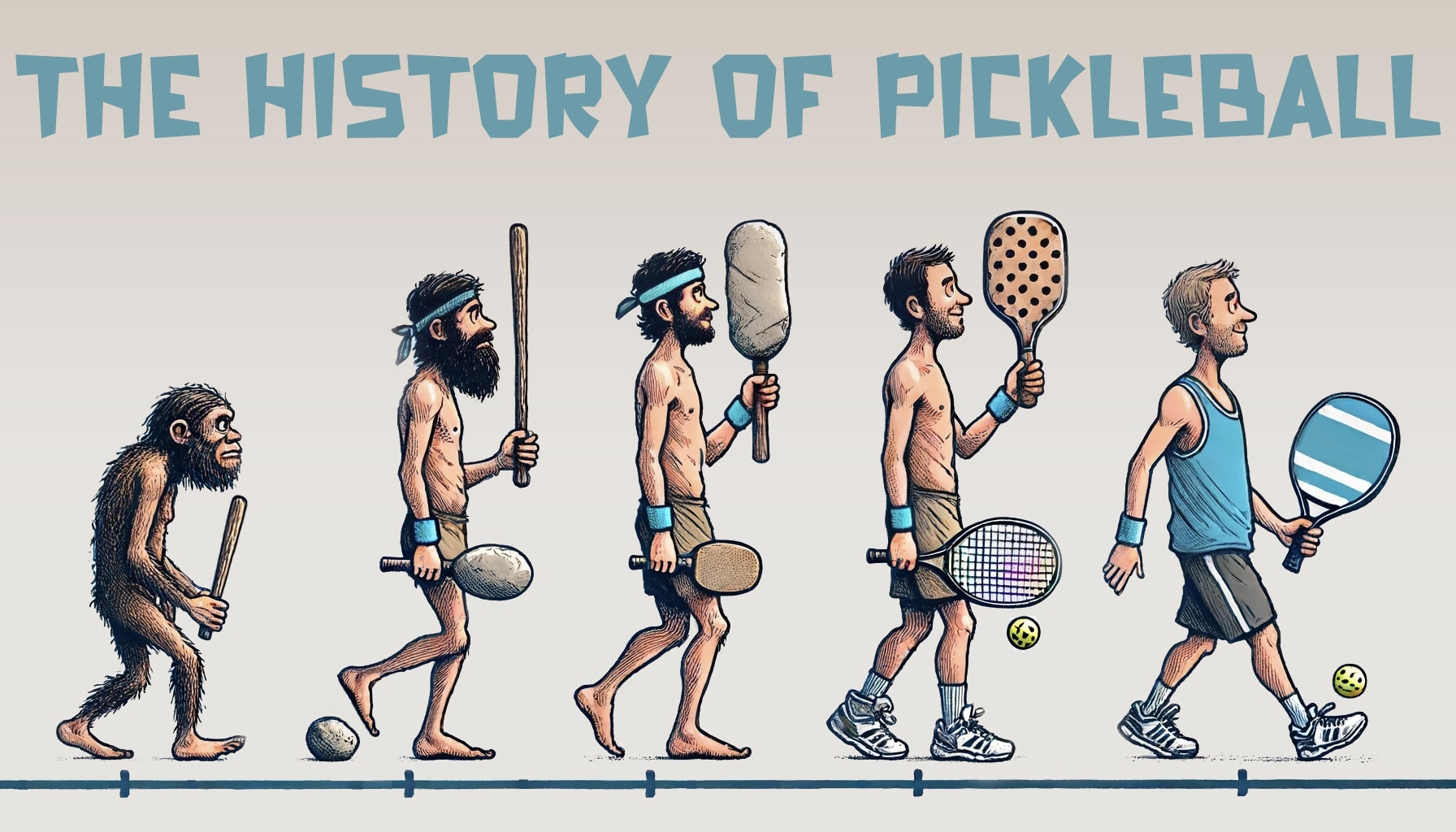
When people ask how did pickleball get started, the true story begins with three families and one small island. In 1965, Joel Pritchard, Bill Bell, and Barney McCallum wanted a simple way to keep their kids active. They combined elements of badminton, tennis, and ping-pong on a small court and used a perforated plastic ball and improvised paddles.
The first games were playful and informal. The founders created basic rules on the spot, aiming for fun and fair play. This humble start explains a lot about why pickleball is easy to pick up and hard to put down.
Who created the game and why the name is debated
A common question about how did pickleball get started centers on its name. The three men who created the game are well documented as Joel Pritchard, Bill Bell, and Barney McCallum. The name “pickleball” has two main origin stories: one says it came from a dog named Pickles who chased stray balls, and the other links it to a rowing term used by one founder’s spouse.
Both stories appear in early accounts, but the more reliable records point to the family story and the playful pet tale as part of local lore. Whatever the exact naming source, the name stuck and helped the sport feel fun and approachable from day one.

Early rules and equipment: simple, adaptable, and evolving
Understanding how did pickleball get started includes looking at the first rules and gear. Early equipment was homemade: wooden paddles, a plastic ball, and a court marked with whatever paint or tape was on hand. The founders set basic rules that mixed elements from other racket sports.
Over time, rules were refined to standardize scoring, serving, and the non-volley zone (the “kitchen”). Equipment also evolved. Manufacturers introduced lighter paddles, better balls, and standardized court dimensions. Those changes made play safer, more consistent, and more competitive.

Why the game appealed to so many people
A big part of how did pickleball get started is why it spread. The game appeals for several practical reasons:
- Easy to learn and quick to play. New players can rally fast and have fun in minutes.
- Low impact on joints. Short bursts of movement make it friendly for older adults.
- Social and adaptable. You can play singles or doubles, in casual or competitive settings.
- Small courts save space and cost, making community adoption easier.
Because of these traits, schools, parks, and retirement communities adopted pickleball quickly. That grassroots growth is key to how did pickleball get started and how it expanded.

From local courts to national organizations and pro play
Knowing how did pickleball get started helps explain its path to organization. Local groups kept playing through the 1970s and 1980s. As interest grew, clubs formed rulebooks and tournaments. National bodies later created official rules, ranking systems, and sanctioned events.
Televised events, professional tours, and corporate investment followed. Each stage moved the sport from backyard fun to mainstream recreation and then to athlete-driven competition. The organized structure made it easier for new players to find places to play and for the sport to scale.
How to get started playing today — practical steps
If you’re thinking about how did pickleball get started and want to try it, here are simple steps:
- Find a local court. Community centers and parks now often list open-play times.
- Rent or borrow a paddle. Many places let beginners try before buying.
- Learn basic rules: serve underhand, mind the kitchen, and play to agreed points.
- Join a beginner clinic or group. Small classes speed learning and boost confidence.
Starting this way mirrors how the game began: friendly, low-cost, and social.

My experience, lessons learned, and tips
I started playing at a local park league. Early on, I made common mistakes like standing too close to the kitchen line and swinging too hard. I learned to:
- Use soft hands at the net and control dinks.
- Communicate with partners to avoid collisions and win more points.
- Focus on placement over power, especially as a novice.
These lessons show that how did pickleball get started as a simple backyard game also shaped how newcomers should learn—slow, social, and steady.
:max_bytes(150000):strip_icc()/how-to-play-pickleball-tips-for-getting-started-5119213_final-bf80f980ffce4deca59039e2d83a1a1a.png)
The future: where pickleball goes from here
Thinking about how did pickleball get started helps predict what comes next. Expect continued growth in youth programs, more pro events, and better court access in cities. Challenges will include balancing rapid growth with court availability and preserving the sport’s friendly vibe as it professionalizes.
If communities plan courts, run inclusive programs, and keep play affordable, pickleball can grow without losing its roots.

Frequently Asked Questions of how did pickleball get started
Who invented pickleball?
Three men—Joel Pritchard, Bill Bell, and Barney McCallum—created pickleball in 1965 to entertain their kids on Bainbridge Island. They combined parts of tennis, badminton, and ping-pong to make a simple, social game.
Why is it called pickleball?
The name has two origin tales: one involves a dog named Pickles who chased balls, and the other links to a rowing term used by a founder’s family. Both stories became part of the sport’s early lore.
When did pickleball become popular?
Pickleball grew slowly through the 1970s and 1980s in local communities. It surged in popularity in the 2000s and especially in the 2010s as more courts and national organizations emerged.
How did the rules come about?
The original players improvised rules and then refined them over time for fairness and playability. National groups later standardized rules for tournaments and play.
What equipment did early players use?
Early players used wooden paddles, a perforated plastic ball, and makeshift court lines. Modern gear evolved for safety, consistency, and better performance.
Is pickleball for all ages?
Yes. The game’s low-impact moves, small court, and social nature make it suitable for kids, adults, and seniors alike. It’s one reason the sport spread quickly.
Conclusion
The story of how did pickleball get started is a tale of play, community, and simple innovation. Three dads, a small court, and a plastic ball created a game that keeps people moving, laughing, and connecting decades later. If you’re curious, try a local clinic, borrow a paddle, or watch a match to feel the energy for yourself. Share your first game in the comments, subscribe for more guides, or find a nearby court to start playing this weekend.