A lob is a high, deep shot hit over opponents to push them back and regain court control.
I’ve coached and played pickleball for years, so I know how a good lob can change a point. This article explains what does lob mean in pickleball, when to use it, how to hit it, common mistakes, and drills to get better. Read on for clear tips and simple steps you can use on the court today.

What does lob mean in pickleball?
A lob in pickleball is a high-arching shot that sends the ball deep into the opponent’s court. When people ask what does lob mean in pickleball, they want to know its purpose: to push opponents back and create space. A good lob can force a reset, buy time, or win the point outright if the opponents cannot reach it.
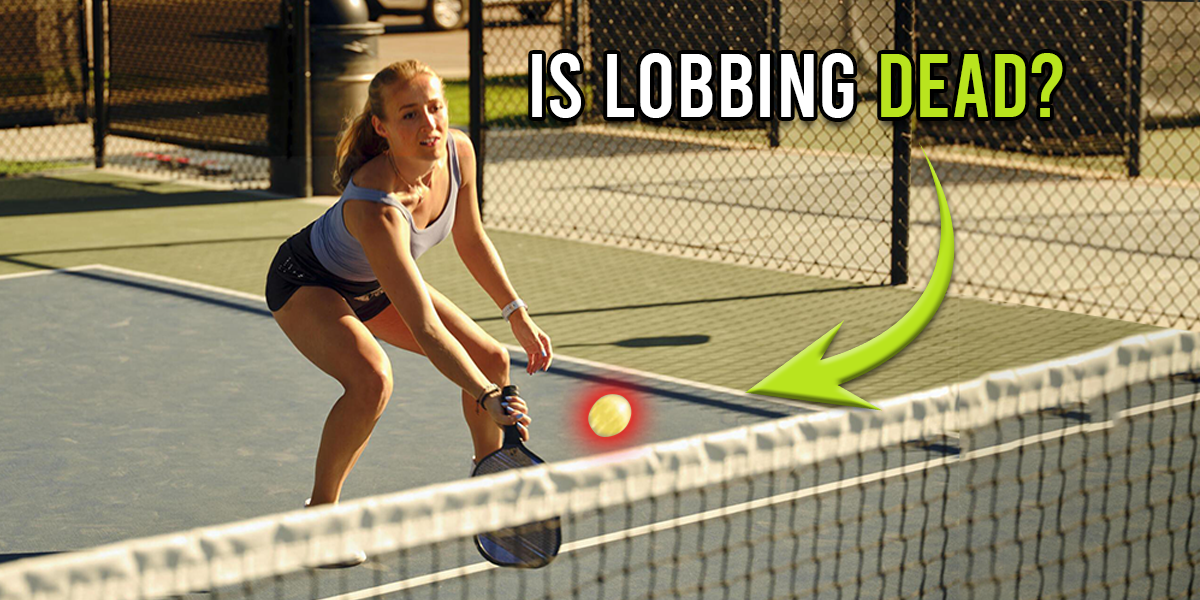
Why use a lob?
A lob solves several tactical problems on court. First, it moves opponents away from the net and opens gaps. Second, it gives you time to recover position or set up a stronger next shot. Third, it can turn an opponent’s strong volley into a defensive response. Asking what does lob mean in pickleball helps you see it as both an offensive and defensive tool.

Types of lob shots
There are a few common lob styles you should know.
- Defensive lob: A softer, higher lob to get out of trouble and reset the rally.
- Attacking lob: A deep, fast lob aimed at the baseline to win the point.
- Surprise lob: A quick lob used when opponents are tightly at the net and not ready.
Each type answers the question what does lob mean in pickleball by showing how flexible the shot can be. Practice all three to handle different match situations.

How to execute a lob step-by-step
Follow simple steps to hit a reliable lob.
- Read your opponents’ position. If they crowd the net, a lob is a good choice.
- Get behind the ball so you can tilt your paddle upward.
- Use a smooth under-to-over swing. Aim to hit the ball with a slightly open paddle face.
- Follow through high to add arc and depth.
- Recover quickly toward the center or baseline to prepare for the next shot.
When you practice, ask yourself what does lob mean in pickleball for each shot. Is it to buy time, to attack, or to reset the point? That mental check improves decision-making.

When to use a lob strategically
Timing makes the lob effective. Use it when:
- Opponents are camped at the net.
- You need time to recover after a weak return.
- Your opponents struggle with overheads or are slow moving back.
- You want to change the pace and rhythm of the rally.
Understanding what does lob mean in pickleball helps you pick the right moment. A poorly timed lob can gift a point, but a well-timed one will earn it.

Common mistakes and how to avoid them
Many players try the lob but miss the mark. Avoid these errors:
- Hitting too short, which invites an overhead smash.
- Using too little arc, leaving the ball attackable.
- Overhitting and sending the ball out of bounds.
- Not recovering after the lob, leaving wide open angles.
To fix these, practice depth control and recovery footwork. Ask yourself what does lob mean in pickleball before each lob—are you aiming to win, to reset, or to buy time? That clarity cuts mistakes.

Equipment and court positioning
Equipment and position affect your lob success.
- Paddle: A paddle with good control helps place higher, softer lobs.
- Grip: A relaxed handshake grip allows better wrist lift for arc.
- Position: Step back slightly when you plan the lob to give room for the swing.
- Footwork: Move to a neutral, balanced stance so you can recover after the shot.
When you think about what does lob mean in pickleball, include gear and stance in your plan. Small changes can boost consistency.

Practice drills to improve your lob
Use simple drills to build skill and confidence.
- Partner deep feed drill: Partner feeds groundstrokes while you practice lobbing deep to the baseline.
- Overhead recovery drill: One player stands at the baseline and practices smashes while you lob and then recover.
- Target practice: Place cones near the baseline and try to land lobs inside those zones.
- Pressure drill: Play points where a successful lob yields an extra point to encourage smart use.
I learned more from target practice than from random play. Repeating these drills will answer what does lob mean in pickleball in real time, not just theory.

Frequently Asked Questions of what does lob mean in pickleball
What is the main purpose of a lob in pickleball?
A lob mainly pushes opponents away from the net to create court space. It can also buy time to recover or force a weak return.
How high should a lob be in pickleball?
A lob should be high enough to clear the opponents’ reach but low enough to stay in play. Aim for a smooth arc that lands near the baseline.
Is a lob a defensive or offensive shot?
A lob can be both defensive and offensive. It defends when you need time and attacks when it forces opponents out of position.
When should I avoid using a lob?
Avoid lobbing when opponents are quick at the baseline or very good at overhead smashes. Also avoid lobbing when you are out of position to recover.
How can I make my lob more reliable?
Practice depth control, use a smooth under-to-over swing, and work on recovery footwork. Consistent practice and target drills help most.
Conclusion
A lob is a simple but powerful tool that can shift momentum, create space, and win points when used correctly. Remember what does lob mean in pickleball: a high, deep shot to push opponents back and change the rally. Start with basic drills, focus on arc and depth, and practice recovery after each lob. Try the drills and advice here on court this week, and share your progress or questions in the comments.