JOOLA paddles are primarily made in Germany, with many models produced in China and other European locations.
I have spent years testing and buying table tennis gear, and I’ve handled dozens of JOOLA paddles. In this article I explain where are joola paddles made, how to tell origin, and what the origin means for quality and price. Read on for clear facts, buying tips, and real-world notes from someone who uses JOOLA gear often.

Where are JOOLA paddles made? A clear overview
JOOLA is a German brand with roots in Germany and production that spans several countries. The core design and R&D stay in Germany, while manufacturing often happens in Germany, China, and sometimes other parts of Europe or Asia. When you ask where are joola paddles made, expect a mix: higher-end blades often come from Germany or Europe, while many mass-market paddles are produced in China.

Manufacturing locations and company background
JOOLA began in Germany and kept its brand identity tied to German engineering. Over time production moved to multiple sites to balance cost and supply. Today production locations commonly include:
- Germany — for some premium blades and central design work.
- China — for many consumer-level and mid-range paddles.
- Other European or Asian facilities — used for specific lines or temporary production runs.
This spread lets JOOLA offer broad price points. The question of where are joola paddles made therefore depends on model and time of manufacture. JOOLA keeps control of specs and testing even when parts of making happen abroad.

How JOOLA paddles are made: materials and steps
Understanding how a paddle is built helps when you care about where are joola paddles made. The main steps are:
- Blade construction — layers of wood or carbon are glued and pressed. Premium blades use carefully selected veneers.
- Rubber and sponge — rubbers are chosen for spin and speed. ITTF-approved rubbers go on competitive models.
- Assembly — blade and rubber join by adhesive and trimming. Handles are shaped and finished.
- Testing and packing — paddles are checked for balance, bounce, and glue quality.
Materials and QC standards remain similar across locations, but small variations in wood sourcing or rubber batches can change feel.
Differences by model and origin
Not every JOOLA paddle is made the same. When thinking of where are joola paddles made, consider these trends:
- Tournament-level blades — more likely made in Germany or Europe and meant for high performance.
- Mid-range paddles — often made in China under tighter brand specs.
- Beginner and hobby paddles — usually produced in larger runs in China or Asia.
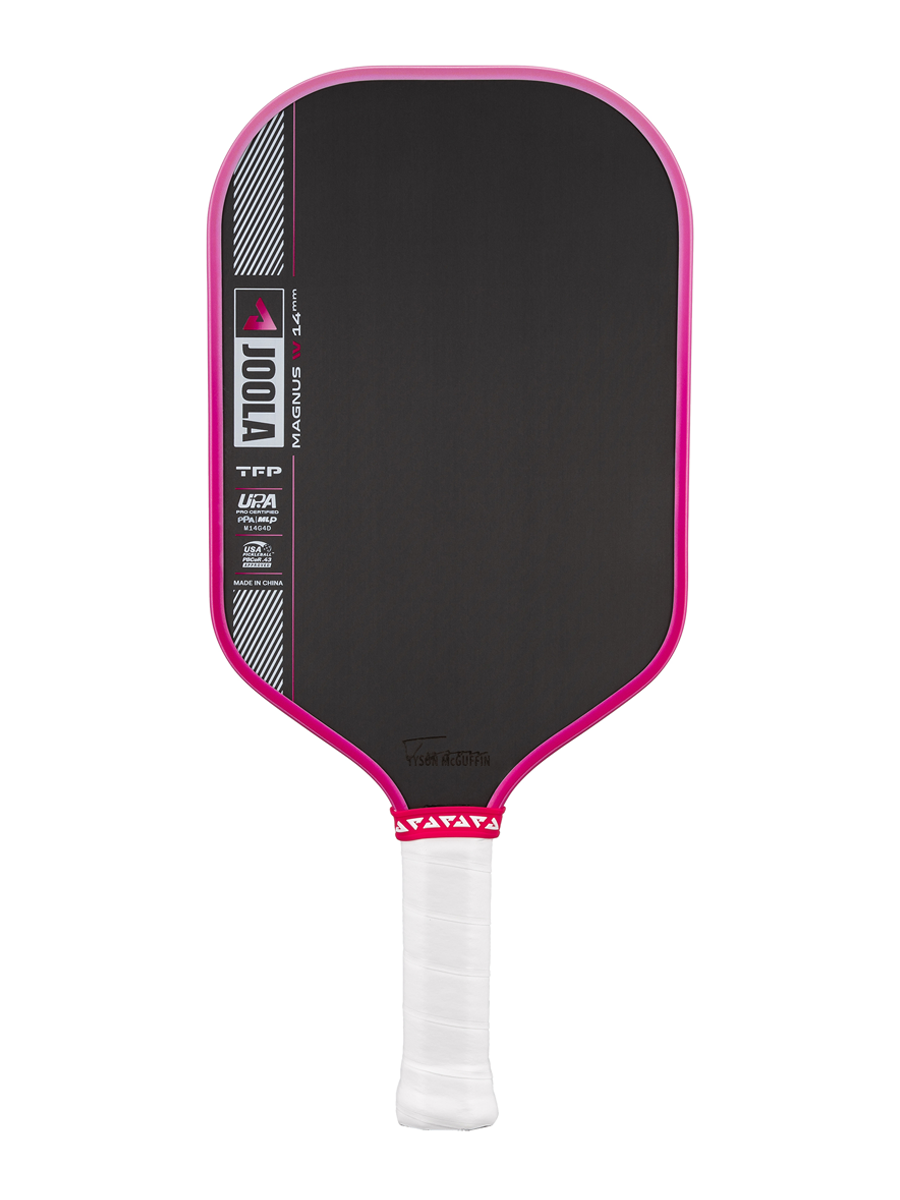
Labels and model lines help. If you want high-end feel, look for blades that note German origin or specific factory marks. For casual play, a China-made JOOLA paddle can be a solid, low-cost choice.
How to verify where your JOOLA paddle was made
If you want to know where are joola paddles made for a specific item, try these steps:
- Check the box and handle — country of origin is often printed there.
- Inspect product codes — model numbers or serials can indicate factory batches.
- Ask the seller or retailer — reputable sellers can tell you the origin.
- Contact JOOLA support — they can verify the exact production site for a model.
- Look at price and line — premium lines more often come from Germany or Europe.
These checks help you confirm origin before you buy or to verify a received item.

Quality control, standards, and certifications
JOOLA aims to meet sport standards regardless of where are joola paddles made. Typical quality steps include:
- ITTF rubber approvals for official competition use.
- Batch testing for bounce, weight, and balance.
- Visual checks for glue lines and handle finish.
Country of production matters less than the quality control regime. JOOLA often applies the same tech specs across factories to maintain consistency. Still, small feel differences are normal between factories.

Buying tips: choosing by origin and need
Here are practical tips when origin matters to you:
- Choose Germany-made models for top-level woods and fine craftsmanship.
- Pick China-made JOOLA paddles when you want value and consistent specs.
- Compare feel in person when possible. Two paddles with the same model name may feel different if made in different plants.
- Read seller notes and product photos for “Made in” tags before buying online.
- Consider the warranty and return policy as a marker of seller reliability.
These steps make your purchase fit your play style and budget.
My experience using JOOLA paddles
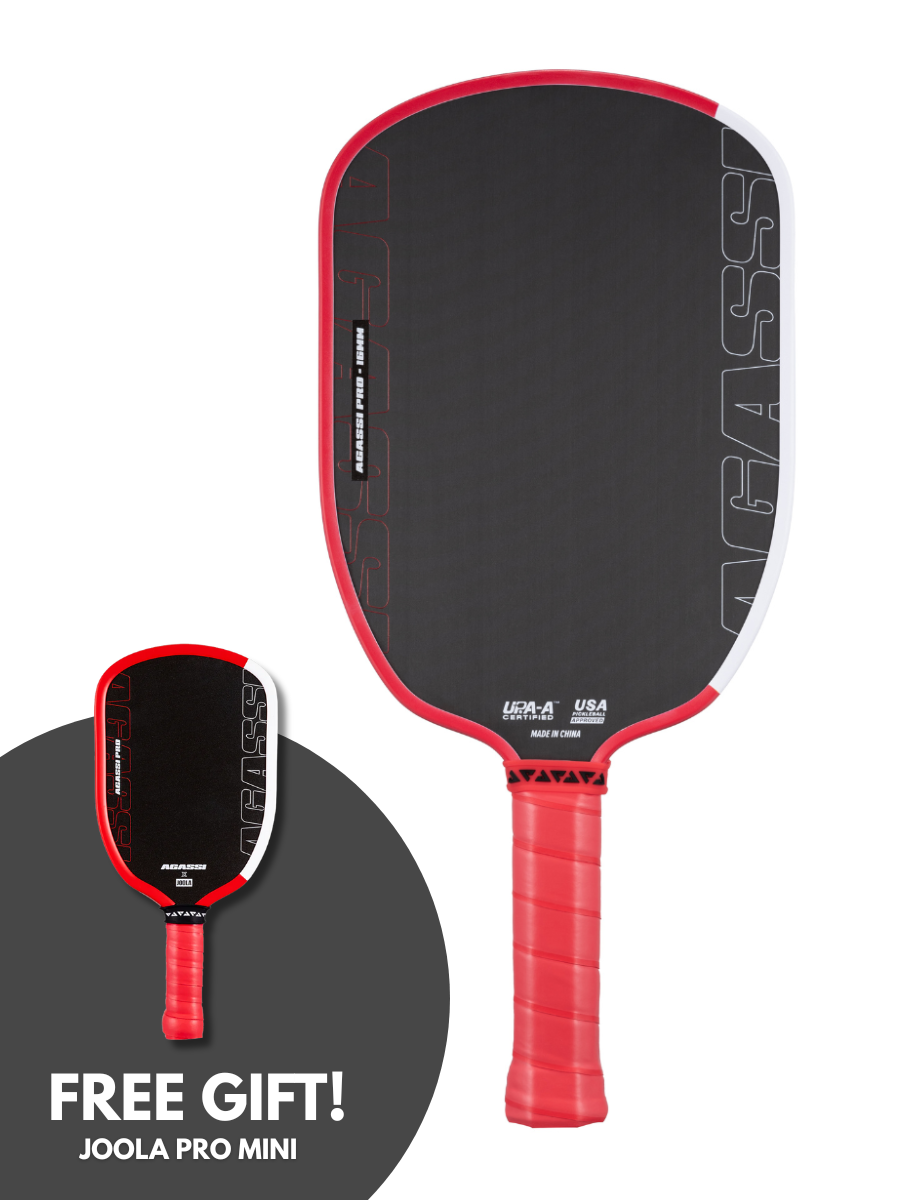
I have used JOOLA blades from both German and Chinese production runs. What I noticed:
- German-made blades felt slightly firmer and more uniform.
- China-made mid-range models offered great value and reliable play for practice.
- Small tweaks in handle shape or glue line changed comfort more than country of origin.
Lessons learned: always try a paddle if you can. If you buy online, buy from sellers with easy returns. This cuts risk when origin or batch affects feel.

Frequently Asked Questions of where are joola paddles made
Are all JOOLA paddles made in Germany?
No. Not all JOOLA paddles are made in Germany. JOOLA designs in Germany, but many paddles are produced in China and other locations.
How do I know the country of origin for a JOOLA paddle?
Check the box, handle stamp, or product label. If unsure, ask the seller or contact JOOLA customer service for confirmation.
Do JOOLA paddles made in China have lower quality?
Not necessarily. Many China-made JOOLA paddles meet the brand’s specs and play well. Differences are usually subtle and depend on the model and QC.
Are tournament JOOLA blades always made in Germany?
Many tournament-level blades are made in Germany or Europe, but some high-end China-made blades also meet tournament standards. Verify the model details for certainty.
Can origin affect paddle feel and performance?
Yes. Small differences in wood, glue, or assembly can change feel. However, performance differences are often minor compared to player skill and setup.
Is it cheaper to buy a China-made JOOLA paddle?
Typically yes. China-made models often cost less while delivering good value. Premium German-made blades usually cost more.
Conclusion
Knowing where are joola paddles made helps you choose the right paddle for your level and budget. JOOLA blends German design with global manufacturing to deliver a range of options. If you want top-crafted blades, lean toward models made in Germany or Europe. If you want value and solid play, many paddles made in China are excellent choices. Try gear when possible, read labels, and buy from trusted sellers to match origin with your needs. Ready to upgrade your game? Check product details, test a few blades, and leave a comment about your experience or questions.