Faire grip paddle pickleball means a balanced, firm paddle hold that boosts control and reduces injury.
I have played and coached pickleball for years, and I test grips daily. This guide breaks down faire grip paddle pickleball with clear steps, real tips, and simple drills you can use right away. Read on to learn how to pick, fit, and train the faire grip paddle pickleball so your game feels better and your shots improve fast.
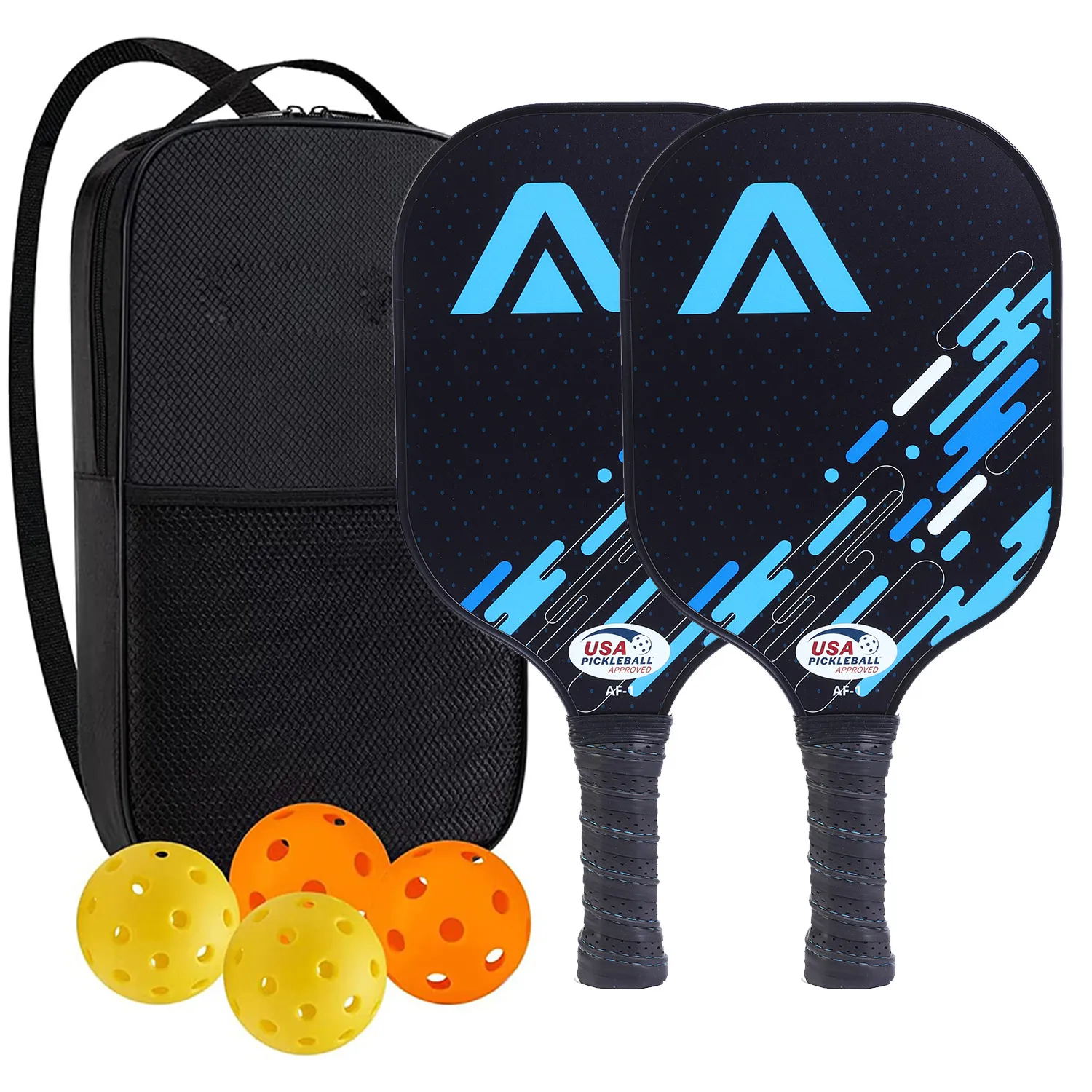
What is faire grip paddle pickleball?
Faire grip paddle pickleball describes a grip style and setup. It focuses on comfort, control, and consistent hand placement. The goal is a neutral hold that helps both soft dinks and firm drives. When you use a faire grip paddle pickleball, you aim for fewer wrist errors and better feel on every shot.
I use this grip to prevent wrist strain. I also find it makes volley work more consistent. Many players call it a "balanced" grip. It works well for singles and doubles.
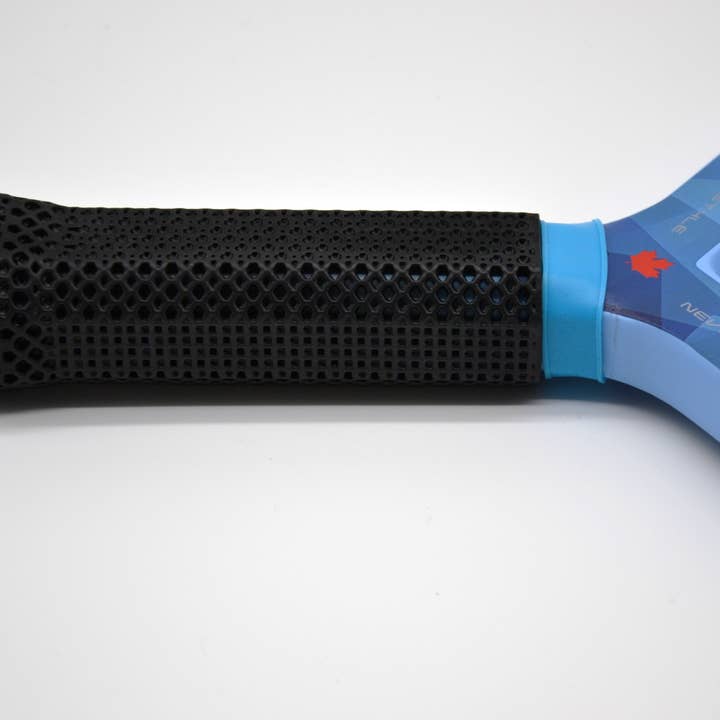
Why the faire grip paddle pickleball matters
A good grip changes shot quality. With faire grip paddle pickleball you get more control, steadier volleys, and cleaner serves. Grip affects spin, power, and touch. It also affects injury risk. A bad grip can cause forearm or wrist pain.
I once played with a grip too small. My shots had less depth and my wrist hurt. Changing to a faire grip paddle pickleball fixed my errors. Games felt easier and I aimed better.

Key elements of a faire grip paddle pickleball
Here are the core parts to check when you work on the grip.
- Grip pressure: Firm but relaxed. Too tight kills touch. Too loose reduces control.
- Hand position: Centered on the handle. Thumb and forefinger form a V that points toward the paddle face.
- Wrist alignment: Neutral wrist, not cocked back or bent forward.
- Grip size: Choose handle thickness that lets you wrap fingers without overlap.
- Grip material: Choose tack for sweat control and shock dampening.
These parts shape the faire grip paddle pickleball. Test each one in short drills to find your sweet spot.
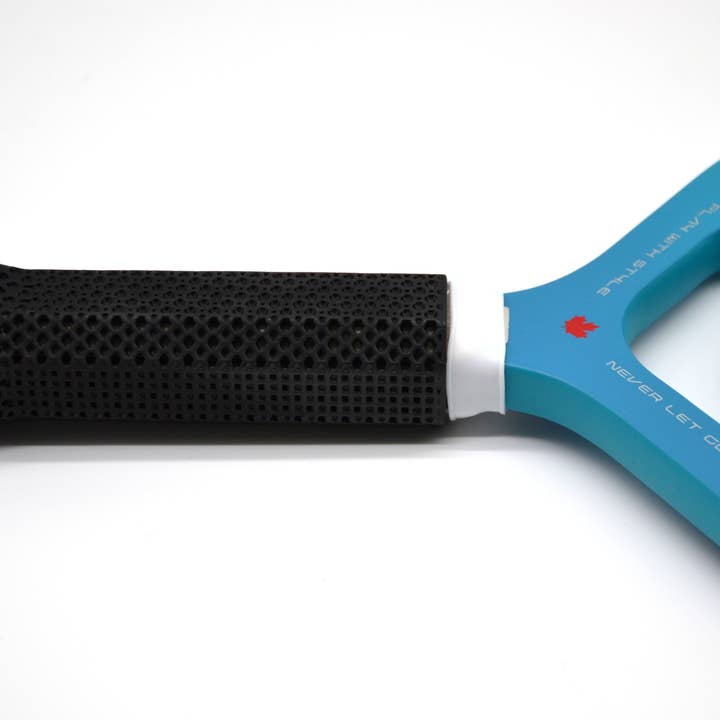
How to find and set up the faire grip paddle pickleball (step-by-step)
Follow these easy steps to fit and test your grip.
- Check grip size
- Hold the paddle and place your ring finger on the handle base. You should have about a thumb-width of space from fingertip to palm.
- Wrap your fingers
- Let fingers rest naturally. Do not squeeze hard. The thumb should rest lightly on the grip.
- Form the V
- The V between thumb and forefinger should aim toward the paddle face edge. This gives neutral control.
- Test grip pressure
- Squeeze with 20 to 30 percent effort. Relax between points. Feel the paddle, not the handle.
- Adjust grip tape
- Add a thin overgrip for padding or a tacky grip for sweat. Avoid too much bulk.
- Try small drills
- Do 10 soft dinks, 10 volleys, and 5 serves. Notice feel and control. Make tiny changes if shots feel off.
I follow these steps before a match. Small changes can make big differences in play.
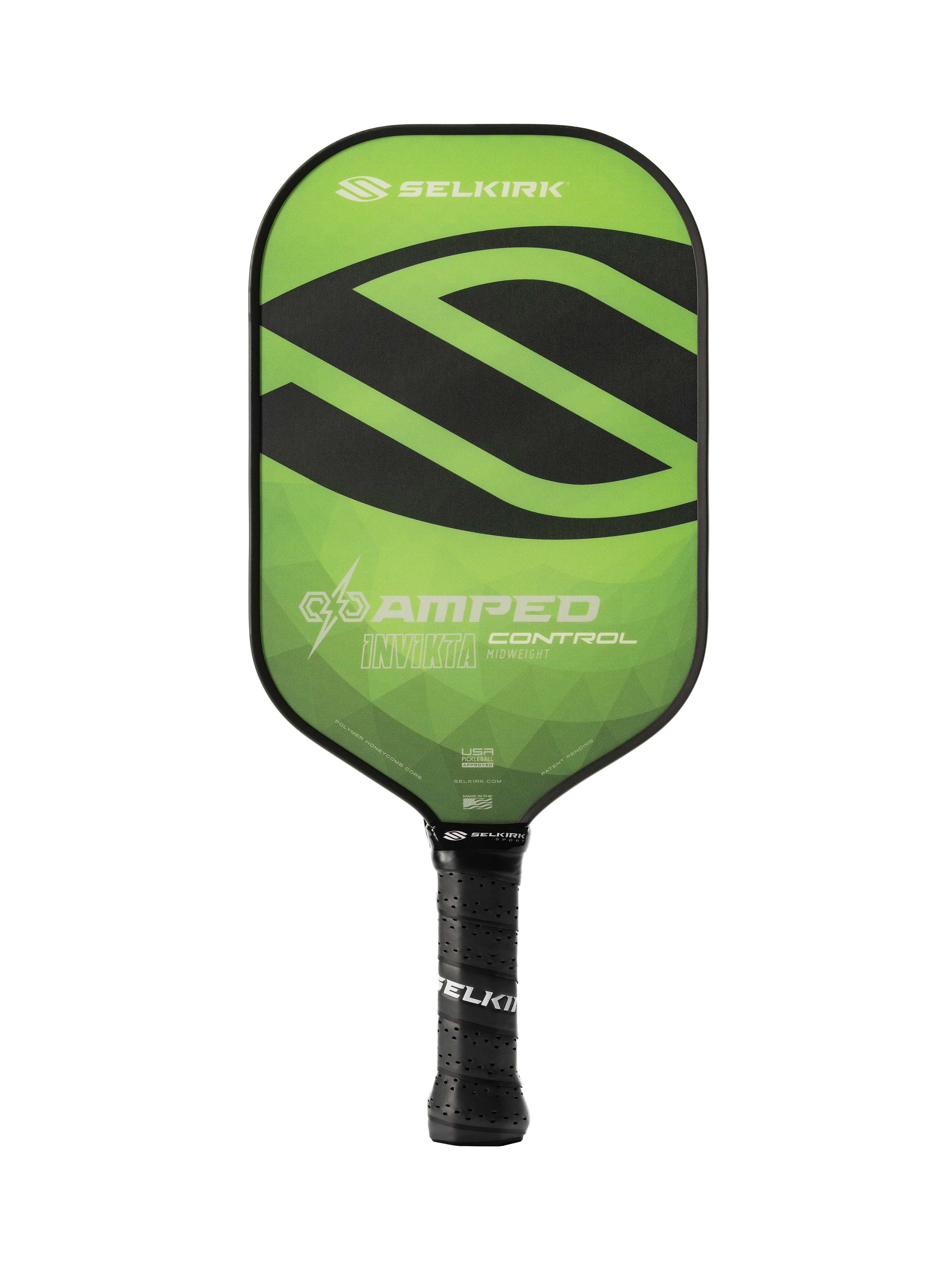
Grip drills and practice routines
Practice beats theory. Use short drills to lock in the faire grip paddle pickleball.
- Wall dink drill: Stand close to a wall and do 50 soft dinks. Focus on consistent hand placement.
- Partner volley exchange: Keep volleys below waist for 2 minutes with steady hand pressure.
- Serve-repeat: Hit 20 serves with the same grip. Aim for the same toss and wrist angle.
- Wrist-stability swings: Hold the paddle steady and swing slow. Count to three on each swing.
- Fatigue test: Play a five-minute rally. Check if grip slips or pressure rises.
These drills build muscle memory for the faire grip paddle pickleball. Short daily sessions work best.

Choosing grip size and material for faire grip paddle pickleball
Grip size and grip tape matter more than people think. Pick the right options.
- Small grip size benefits quick wrist action and wristy shots.
- Medium size offers balance for most players.
- Large grip reduces wrist movement and is good for stability.
- Tacky grips help sweat control and hold.
- Cushioned grips lower vibration and reduce arm strain.
- Thin overgrips add tack without a big size change.
Test a few grips. I often swap overgrips between drills and games to feel the difference. The faire grip paddle pickleball should feel natural after a few minutes.
Common mistakes and how to fix them
Avoid these traps that ruin the faire grip paddle pickleball.
- Too tight a grip
- Fix: Breathe and relax. Try a drill and count heart beats to remind you.
- Wrong hand placement
- Fix: Reposition until the V points to the paddle face edge.
- Bulk from too many wraps
- Fix: Use one thin overgrip. Keep grip size close to your ideal.
- Letting grip slip with sweat
- Fix: Use absorbent wristbands and a tacky overgrip.
- Ignoring comfort
- Fix: Prioritize feel. Pain and numbness mean change is needed.
I once added too many overwraps. My serve depth dropped. Removing one wrap fixed it instantly.

Maintaining and replacing grips
Grips wear out fast. Keep them fresh for the faire grip paddle pickleball.
- Replace grips every 6 to 12 months with regular play.
- Replace sooner when tack fades or texture smooths.
- Clean grips by wiping with damp cloth. Avoid harsh chemicals.
- Rotate grips between paddles to compare feel.
- Store paddles dry and out of sun to protect grip material.
A fresh grip keeps your faire grip paddle pickleball consistent across matches.

Choosing a paddle that supports the faire grip paddle pickleball
Not all paddles work the same with your grip. Choose one that helps your style.
- Pick paddles with handle shapes you like.
- Short handles favor quick wrist play.
- Longer handles give reach and two-handed options.
- Paddle weight affects feel. Lighter paddles are easier to swing. Heavier paddles add power.
- Try paddles in store or demo models to pair with the faire grip paddle pickleball.
I test new paddles with a simple drill set. If the paddle feels right in 10 minutes, it likely matches the faire grip paddle pickleball I want.
Tracking progress and common metrics
Measure changes to know if your faire grip paddle pickleball is working.
- Unforced error count: Track errors over a week of play.
- Serve consistency: Note how often you hit your target.
- Comfort levels: Log any wrist or forearm pain.
- Shot depth and control: Record rally outcomes in practice.
- Feedback from partners or coaches: Ask what changed in your play.
Small wins add up. I keep a short notebook of drills and notes. It helps me see real progress.
Frequently Asked Questions of faire grip paddle pickleball
What exactly does the term faire grip paddle pickleball mean?
Faire grip paddle pickleball refers to a neutral, balanced grip setup that aims for consistent control and comfort. It focuses on hand placement, grip pressure, and material choice.
How tight should I hold the paddle for faire grip paddle pickleball?
Hold the paddle firm but relaxed, around 20 to 30 percent of your maximum grip strength. Too tight reduces touch and increases fatigue.
Can faire grip paddle pickleball prevent injuries?
Yes. A balanced grip reduces wrist strain and lowers your risk of forearm issues when done correctly. Proper setup and breaks help further.
Is there one best grip size for faire grip paddle pickleball?
No. The best size varies by hand size and play style. Test small, medium, and large to find what feels natural and lets your fingers wrap without overlap.
How long before the faire grip paddle pickleball feels natural?
Many players feel a difference in a few practice sessions, but muscle memory can take a few weeks. Short daily drills speed up the process.
Conclusion
A solid faire grip paddle pickleball gives you better control, fewer errors, and more comfort on the court. Start by checking your grip size, hand placement, and pressure. Use short drills, swap grips to test feel, and track simple metrics to measure progress. Try one change per week and keep what works. Ready to improve? Test these steps on the court, share your results, and join the conversation below to learn from other players.