
Pickleball courts need a solid base, suitable surface, acrylic coatings, lines, posts, and good drainage.
I have planned, built, and maintained courts for clubs and homes. I know the key pickleball court ingredients inside out. This guide lays out each ingredient, why it matters, and how to pick the best options for play, budget, and longevity. Read on to get clear, practical advice you can use right away.

Core components of a pickleball court
A reliable court starts with the right pickleball court ingredients. Each ingredient affects play, safety, and life span. Below are the main parts you will find in any well-built court.
- Subgrade and base layer: Provides bearing strength and stability. Proper compaction and drainage are critical.
- Structural slab: Concrete or asphalt that forms the hard surface under layers.
- Acrylic surfacing system: Multi-coat finish that controls ball bounce and slip.
- Line paint or tape: Defines court boundaries and service boxes.
- Net system and posts: Regulation height net, sturdy posts, and anchoring hardware.
- Fencing and windscreens: Keep the ball in play and reduce wind.
- Drainage and expansion joints: Manage water and thermal movement.
- Accessories: Benches, windscreens, lighting, and court markings.
Each pickleball court ingredient has a job. Choose components that match your site, climate, and budget.

Subgrade and base layers
The subgrade is the soil under the court. It must be stable and well-drained. Poor subgrade leads to cracking and sinkage.
- Soil testing: Check for clay, organic matter, and water table depth. These affect design decisions.
- Base material: Use compacted crushed stone or aggregate for good drainage and uniform support.
- Thickness: Typical base depths run from 4 to 8 inches for asphalt and 6 to 12 inches under concrete, depending on loading and soil.
- Compaction: Aim for 95% relative compaction to minimize settling.
From my builds, neglecting the base is the top mistake. Fixing subgrade failures later costs far more than doing it right up front.

Surface materials: concrete, asphalt, and sport tiles
Pick the core surface carefully. It shapes ball bounce and court feel.
- Concrete: Durable and stiff. Good for long life. Requires control joints. Surface must be ground or diamond-polished before coatings.
- Asphalt: Softer than concrete. Warms faster in cold weather. Prone to oxidation and needs resurfacing more often.
- Interlocking sport tiles: Provide shock absorption and fast installation. Good for portable or multi-use sites.
Concrete and asphalt both work well. Match the choice to local climate and budget. I prefer concrete for club courts and tiles for community or temporary sites.
Acrylic coatings and color systems
Acrylic systems are common finishes. They bond to concrete or asphalt and give a consistent play surface.
- Primer and crack filler: Seal cracks and increase adhesion.
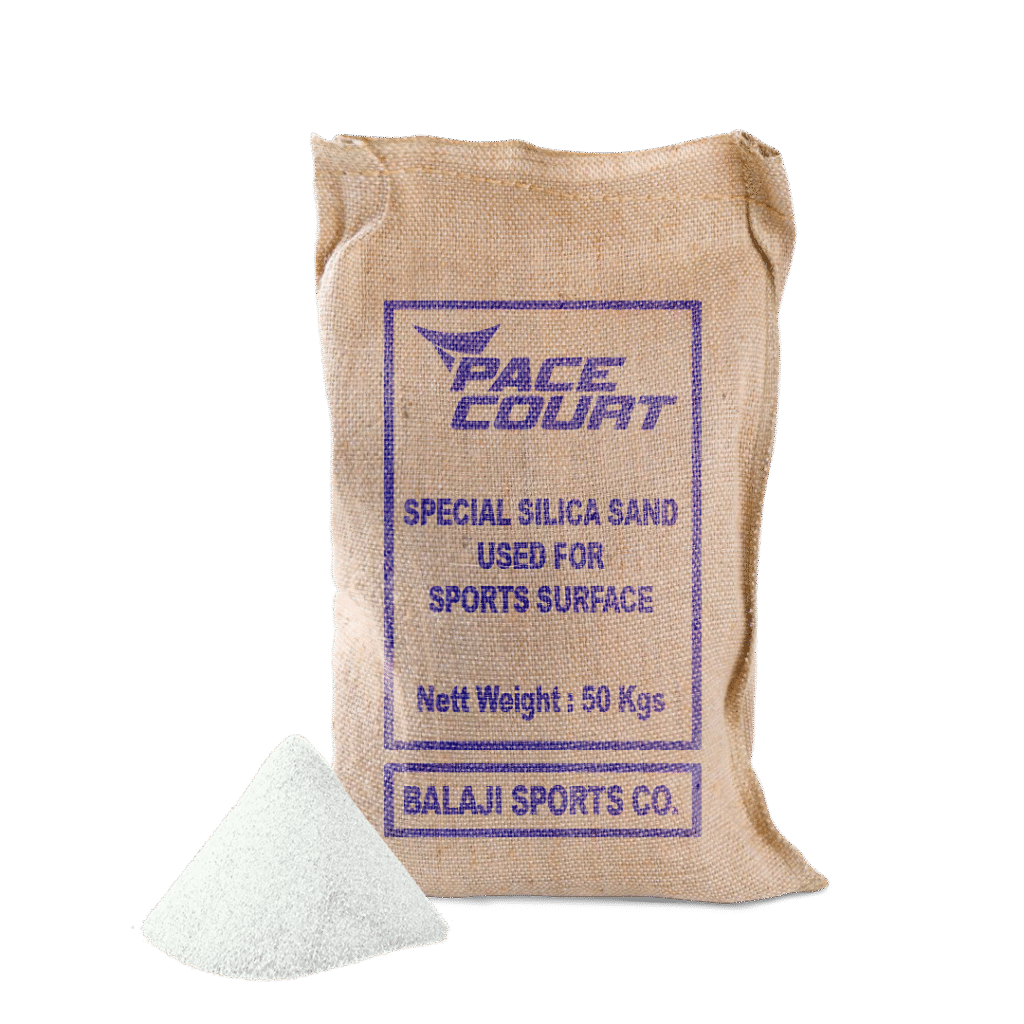
- Base coats: Build thickness and lock in color. Often include sand for traction.
- Texture coats: Control slip and uniform ball bounce.
- Top coats: UV stable color and wear resistance.
Ingredients in acrylic mixes often include acrylic polymer, silica sand, pigments, and fillers. Choose a multi-coat system from a reputable manufacturer. Apply in good weather and follow coverage rates for long life.

Lines, posts, nets, and hardware
Small items matter for play quality.
- Lines: Use a high-quality acrylic line paint or preformed tapes. Tape is convenient; paint lasts longer when applied correctly.
- Net system: Regulation net height is 34 inches at the center. Use steel posts with secure anchors for stability.
- Anchoring: Recessed sleeves or surface mounts are common. Choose anchors that match how permanent you want the court.
- Accessories: Scorekeepers, benches, and wind screens add value and comfort.
I once replaced cheap net posts after one season. Invest in good posts up front to avoid downtime and poor playing experience.

Drainage, joints, and weatherproofing
Water and movement are the enemies of a court.
- Surface slope: A 1% slope (about 1/8 inch per foot) allows water to run off.
- Subsurface drainage: Perforated drainpipe and outlet points can protect the base in wet sites.
- Expansion and control joints: Properly spaced joints control cracking in concrete.
- Sealants: Use flexible sealants in joints and at edges to keep water out.
Well-designed drainage keeps the pickleball court ingredients working as intended. It also reduces maintenance costs over time.
Maintenance, repairs, and lifespan
Care extends life. Small fixes prevent big costs.
- Cleaning: Sweep and hose the court weekly. Remove debris and stains.
- Crack repair: Seal small cracks quickly to stop water intrusion.
- Recoat schedule: Expect resurfacing every 4 to 8 years for acrylic systems, depending on use and climate.
- Full rebuild: Asphalt courts often need major work sooner than concrete courts.
From my projects, routine care doubles a court’s effective lifespan. Budget modest amounts each year for upkeep rather than waiting for big repairs.
Frequently Asked Questions of pickleball court ingredients
What are the essential pickleball court ingredients for a durable court?
A durable court needs a strong subgrade, a sound concrete or asphalt slab, proper drainage, and a quality acrylic surface system. Good posts, lines, and fencing complete the setup.
How thick should the base be for a pickleball court?
Typical base thickness ranges from 4 to 8 inches for asphalt and 6 to 12 inches under concrete. Exact depth depends on soil type and expected load.
Are acrylic coatings necessary for a pickleball court?
Acrylic coatings are recommended. They provide consistent ball bounce, color, and slip resistance. They also protect the base from weather.
Can I convert a tennis court to a pickleball court using the same ingredients?
Yes. Many tennis courts can be resurfaced and restriped for pickleball. You may need changes in net posts, lines, and shock-absorbent coatings to match play preferences.
How often should I resurface a pickleball court?
Plan to resurface every 4 to 8 years for acrylic systems. Frequency depends on traffic, climate, and maintenance habits.
What maintenance keeps pickleball court ingredients working longer?
Clean often, fix cracks quickly, recoat as needed, and maintain drainage. Regular checks of nets, posts, and fencing also help.
Conclusion
A great court starts with the right pickleball court ingredients: stable subgrade, quality slab, good drainage, correct coatings, and reliable hardware. Make choices based on site needs, climate, and how often the court will be used. Small investments in the base and coatings pay back in years of play and less repair work. Start planning with these ingredients in mind, set a realistic budget, and take action—build or refurbish your court the smart way. Share your questions or your project stories in the comments and subscribe for more practical guides.