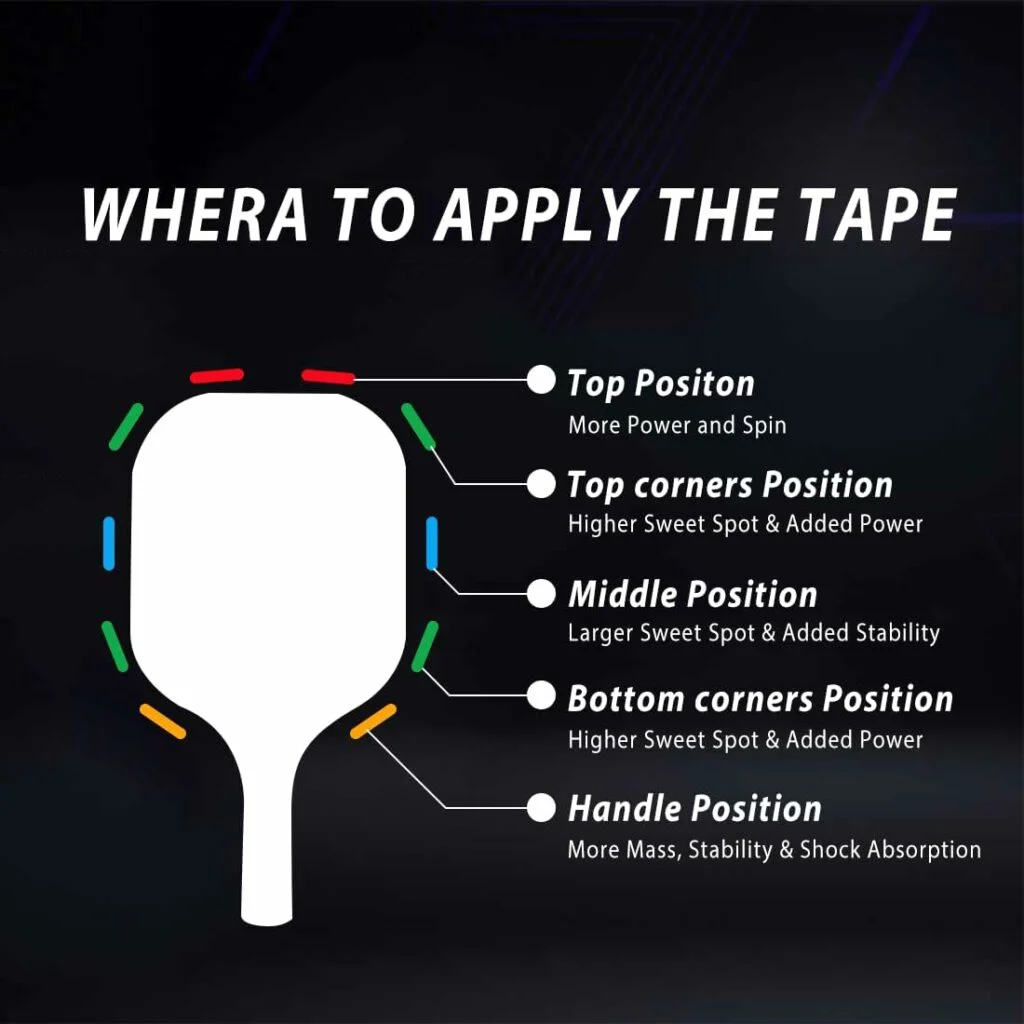
Common setup: 3–6 grams at the paddle’s top edge, plus 1–3 grams at the sweet spot.
I’ve tuned dozens of paddles and tested many placements. This guide explains the most common placement and amount of lead tape for pickleball paddle set up with clear steps, exact ranges, and practical tips. You’ll learn where to add tape for more power, control, and stability. Read on to get the setup that fits your game.

Understanding lead tape and why placement matters
Lead tape shifts weight and balance. The most common placement and amount of lead tape for pickleball paddle set up affects power, feel, and swing speed. Small changes of 1–5 grams can change your shot timing and stability. Knowing where to add tape helps you tune the paddle to your style.

Common placements and standard amounts
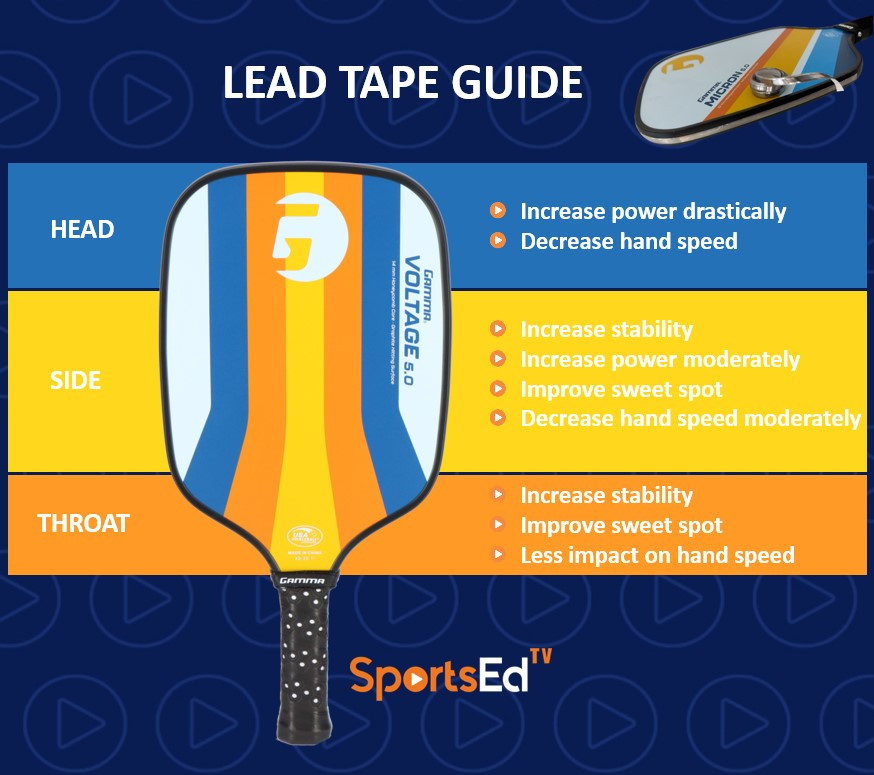
There are four common zones to add tape: top edge, sweet spot, perimeter, and handle. The most common placement and amount of lead tape for pickleball paddle set up usually follows these ranges:
- Top edge: 3–6 grams to boost power on drives and volleys.
- Sweet spot (center face): 1–3 grams to enlarge sweet spot and add bite.
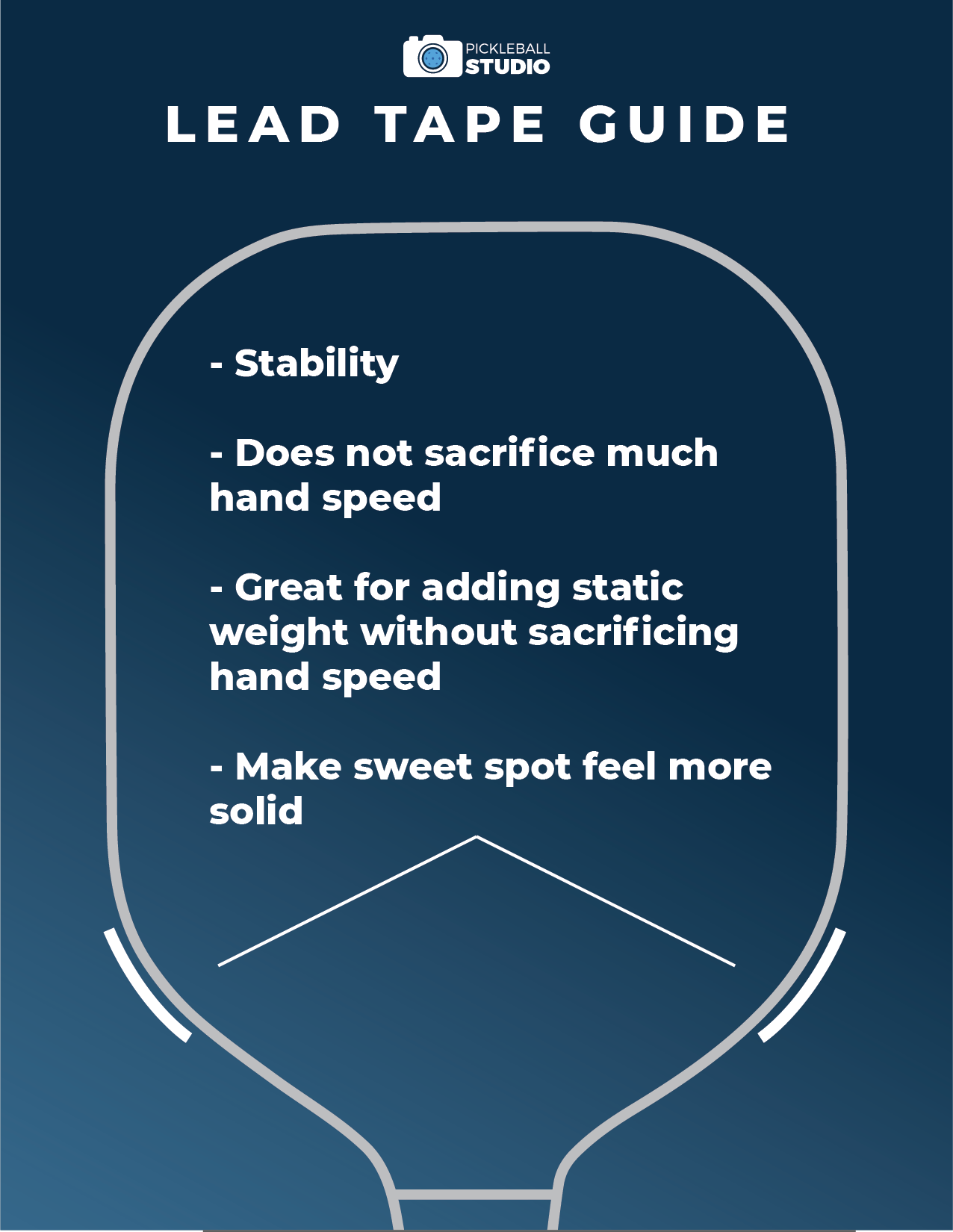
- Perimeter (3 and 9 o’clock): 2–5 grams per side for stability on off-center hits.
- Handle or butt cap: 3–8 grams to shift balance toward the handle for control.
Many players use multiple small strips rather than one large piece to fine-tune feel.
How to measure and apply lead tape (step-by-step)
Step 1: Test the base paddle weight. Know your starting weight and balance point.
Step 2: Add small amounts first. The most common placement and amount of lead tape for pickleball paddle set up starts with 1–2 grams.
Step 3: Use strips or pre-cut pieces. Place one piece, tape down, and retest swing and balance.
Step 4: Fine-tune with repeat steps. Keep notes of grams and placement after each change.

Tools, measurements, and quick math
Use a kitchen scale accurate to 0.5 grams. A ruler or balance board helps find the balance point. Many lead tape brands list grams per inch; if not, assume 1–2 grams per inch as a rough guide. Record changes so you can revert if a tweak hurts your game.

Tuning your paddle by play style
Power hitters prefer the most common placement and amount of lead tape for pickleball paddle set up near the top edge for extra pop. Control players often add weight at the handle to reduce head heaviness and increase maneuverability. All-court players split tape between sweet spot and perimeter for balanced feel. Test on-court with real rallies to validate changes.

Typical setups and real examples
Here are simple starter recipes I used with club players:
- Setup A — Power: 4 grams at top edge, 2 grams at sweet spot. Good for drives and serves.
- Setup B — Control: 6 grams at handle, 1 gram at sweet spot. Slows swing but ups control.
- Setup C — Balance: 2 grams per side at 3 and 9 o’clock, 2 grams top edge. Smooth feel, stable off-center hits.
These reflect how the most common placement and amount of lead tape for pickleball paddle set up can vary by player.
Mistakes to avoid and troubleshooting
Do not overdo it. Adding 10+ grams at once can ruin feel and timing. Keep changes small and test by playing points. If shots feel slow, remove weight from the head. If off-center hits sting, add small tape pieces to the perimeter. Track what you change so you can reverse it.

Personal experience and practical tips
I once added 5 grams to the top of a paddle to help a recreational player hit deeper returns. Their power rose, but their reaction time dropped. We moved 3 grams to the handle and split 2 grams to the sweet spot. The player found a sweet spot in feel and control. My tip: add tape like seasoning—little at a time and taste as you go.

Maintenance and safety
Secure tape edges to prevent peeling during play. Replace tape if sticky layer degrades. Be mindful of tournament rules; some leagues restrict modifications. Lead tape contains lead—wash hands after use and avoid direct contact with skin for long periods.
Frequently Asked Questions of most common placement and amount of lead tape for pickleball paddle set up
What is the safest starting amount of lead tape to try?
Start with 1–2 grams. Small steps let you feel the change without upsetting timing.
Where is the best spot for more power?
The top edge of the paddle is the most common placement and amount of lead tape for pickleball paddle set up to increase power.
Will lead tape damage my paddle?
Properly applied tape won’t harm the paddle. Avoid long-term adhesive residue by using removable tape and clean gently.
How do I measure grams added at home?
Use a kitchen scale accurate to 0.5 grams or note manufacturer weight per inch and calculate the total.
Can I use lead tape to fix vibration or sting?
Yes. Adding small amounts to the perimeter can reduce sting and stabilize off-center hits.
Conclusion
Fine-tuning your paddle with lead tape is simple and powerful. Start small, test on court, and track the most common placement and amount of lead tape for pickleball paddle set up that works for you. Try one change at a time, and don’t be afraid to revert tweaks that feel off. Want better shots and more fun on court? Grab a roll of tape, follow the steps here, and share your results or questions below.