Yes — many people can return to table tennis and pickleball after proper rehab and surgeon clearance.
I’ve worked with patients and surgeons for years helping people get back to sport after joint surgery. This article explains whether after knee replacement can you resume playing table tennis and pickleball, what to expect, how to prepare, and safe timelines. Read on for practical steps, rehab tips, and real-world advice so you can plan a safe return to the court or table.

Understanding knee replacement and recovery
Knee replacement aims to relieve pain and restore motion. Most operations are total knee arthroplasty (TKA) or partial knee replacement. Recovery focuses on strength, range of motion, and balance.
Many factors affect return to sport. Age, weight, surgical technique, implant type, and pre-op fitness all matter. Your surgeon and physical therapist guide the pace.
When people ask after knee replacement can you resume playing table tennis and pickleball, the short medical view is this: both sports are low to moderate impact and are often allowed after proper recovery. Still, personal factors change the answer.
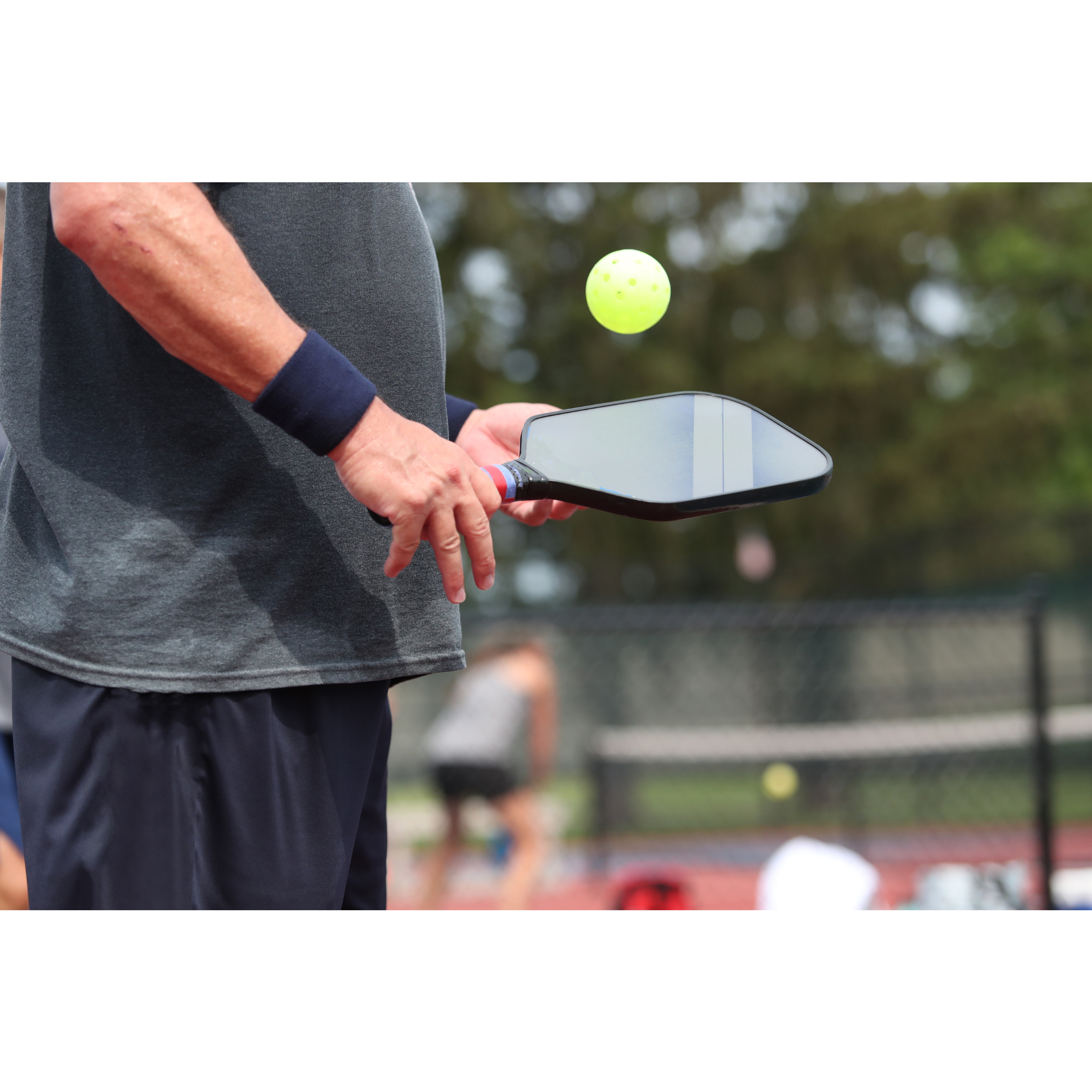
Can you resume playing table tennis and pickleball after knee replacement?
Yes, most patients can resume table tennis and pickleball with precautions and progressive rehab. Table tennis is mostly side-to-side footwork with quick small steps and fast upper-body movement. Pickleball has more lateral movement and occasional bursts, though it is lower impact than tennis.
When answering after knee replacement can you resume playing table tennis and pickleball, surgeons typically approve gentle play first. Competitive, pivot-heavy play may be delayed or modified. The goal is to protect the implant while rebuilding strength and confidence.
Key reasons these sports are commonly approved
- Low-to-moderate joint load compared with running and jumping.
- Easy to control intensity and duration.
- Great for balance, coordination, and cardiovascular health.
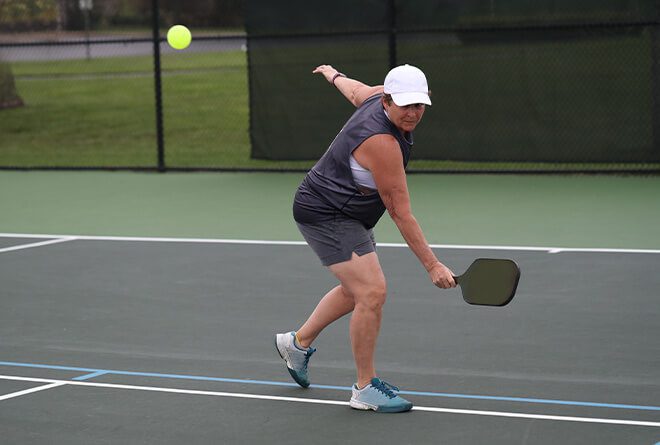
When to start playing: realistic timelines and milestones
Timelines vary, but common milestones help you plan. Early recovery (0–6 weeks) focuses on walking, straightening, and basic strength. Aim to clear swelling and pain first.
Typical timeline
- 0–6 weeks: Walk and basic exercises. No sport play.
- 6–12 weeks: Light, low-impact activity. Gentle drills may begin with PT approval.
- 3–6 months: Many can try short, non-competitive sessions of table tennis or pickleball.
- 6–12 months: Most strength and endurance return; longer, more intense play often OK if cleared.
Before you return, meet these milestones
- Pain controlled with minimal use of pain meds.
- Swelling is stable.
- Quadriceps and hamstrings strong enough for controlled lunges and side steps.
- Good balance on the operated leg.
- Doctor or therapist clearance.
When asking after knee replacement can you resume playing table tennis and pickleball, remember that timelines depend on your healing and progress. Rushing can cause setbacks.

How to prepare: rehab exercises and a progressive plan
Preparation matters more than enthusiasm. A clear plan with your PT speeds recovery and lowers injury risk.
Essential exercise categories
- Range-of-motion drills: heel slides, seated knee extensions.
- Strength work: quad sets, straight-leg raises, seated leg press as tolerated.
- Balance and proprioception: single-leg stands, wobble board drills.
- Lateral movement drills: slow side steps, mini-lunges, step-and-reach maneuvers.
- Cardiovascular conditioning: cycling and pool walking to build stamina.
Progression tips
- Start slow. Use 10–15 minute practice blocks and increase by 5–10 minutes weekly.
- Focus on form. Controlled steps are safer than fast, sloppy moves.
- Use drills that mimic play: light volleys at the table, controlled dinks in pickleball.
Equipment and environment
- Wear supportive, low-profile court shoes that allow quick lateral moves.
- Use softer balls or lower speed serves when restarting.
- Choose well-lit, non-slip courts and a partner who understands you are returning.
When people wonder after knee replacement can you resume playing table tennis and pickleball, a staged plan like this reduces risk and builds confidence.
.jpg?rev=e83a553e40654b87bc58034b214ebb7e)
Risks, precautions, and when to stop
No sport is zero risk after surgery. Know the common concerns and how to avoid them.
Main risks
- Overuse pain or swelling from too-fast progression.
- Falls during quick pivots or dives.
- Implant issues are rare but avoid extreme torque or twisting.
Precautions to follow
- Stop play if sharp pain, new swelling, or instability appears.
- Avoid deep lunges, sudden pivots, and full-speed starts in the first months.
- Favor doubles or casual play over singles or aggressive matches initially.
- Communicate with your partner and coach about limits.
When the question is after knee replacement can you resume playing table tennis and pickleball, the safe answer stresses gradual return, awareness, and stopping when your body signals a problem.
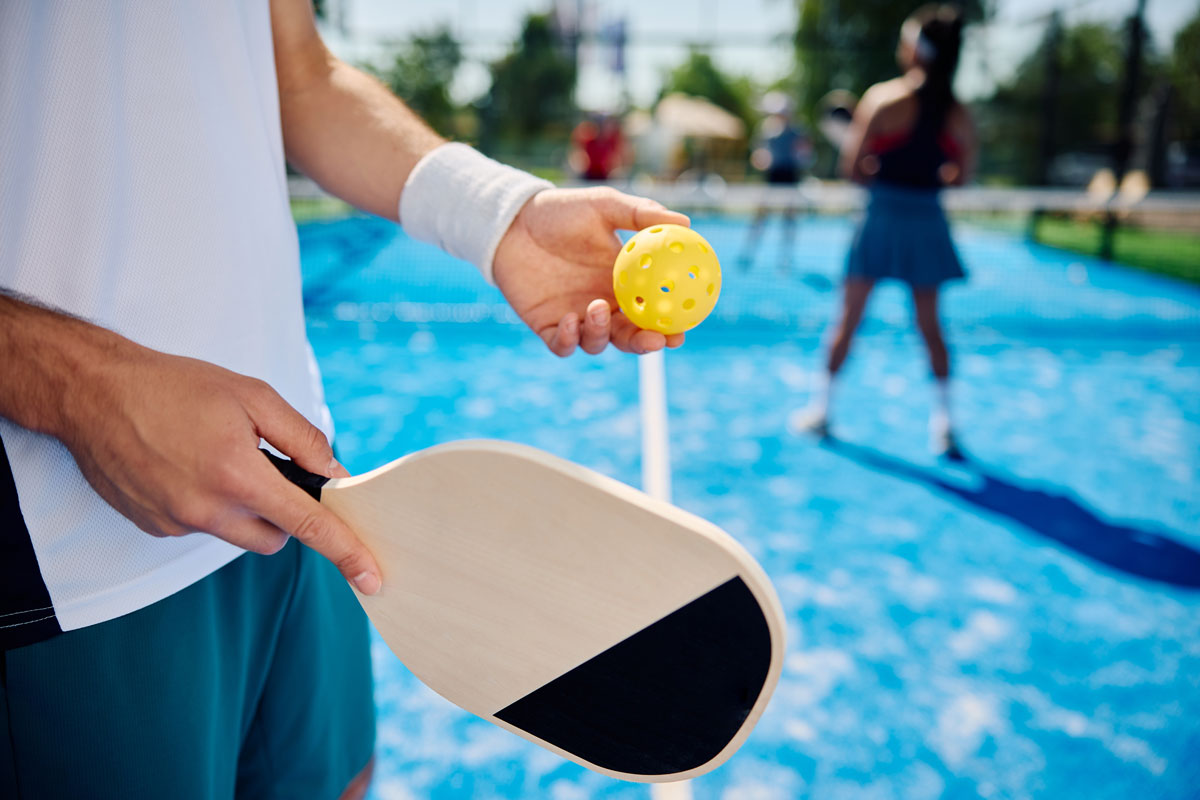
Personal experience and practical tips
I’ve helped patients return to racket sports after knee replacement. A few practical lessons stand out.
Real-world tips I pass on
- Start with table tennis before moving to pickleball. Table play uses smaller steps and less force.
- Use drills that emphasize balance over speed. Slow and steady pays off.
- Track your session time and swelling. A small notebook or app helps spot patterns.
- Don’t be shy to ask for adaptive strategies, like taking more breaks or changing court position.
Common mistakes to avoid
- Trying a full game too soon.
- Ignoring persistent swelling.
- Comparing your timeline to others without considering individual factors.
Many players I worked with regained satisfying play within months by following steady rehab and listening to their body. If you ask me after knee replacement can you resume playing table tennis and pickleball, I answer: yes, but do it carefully.
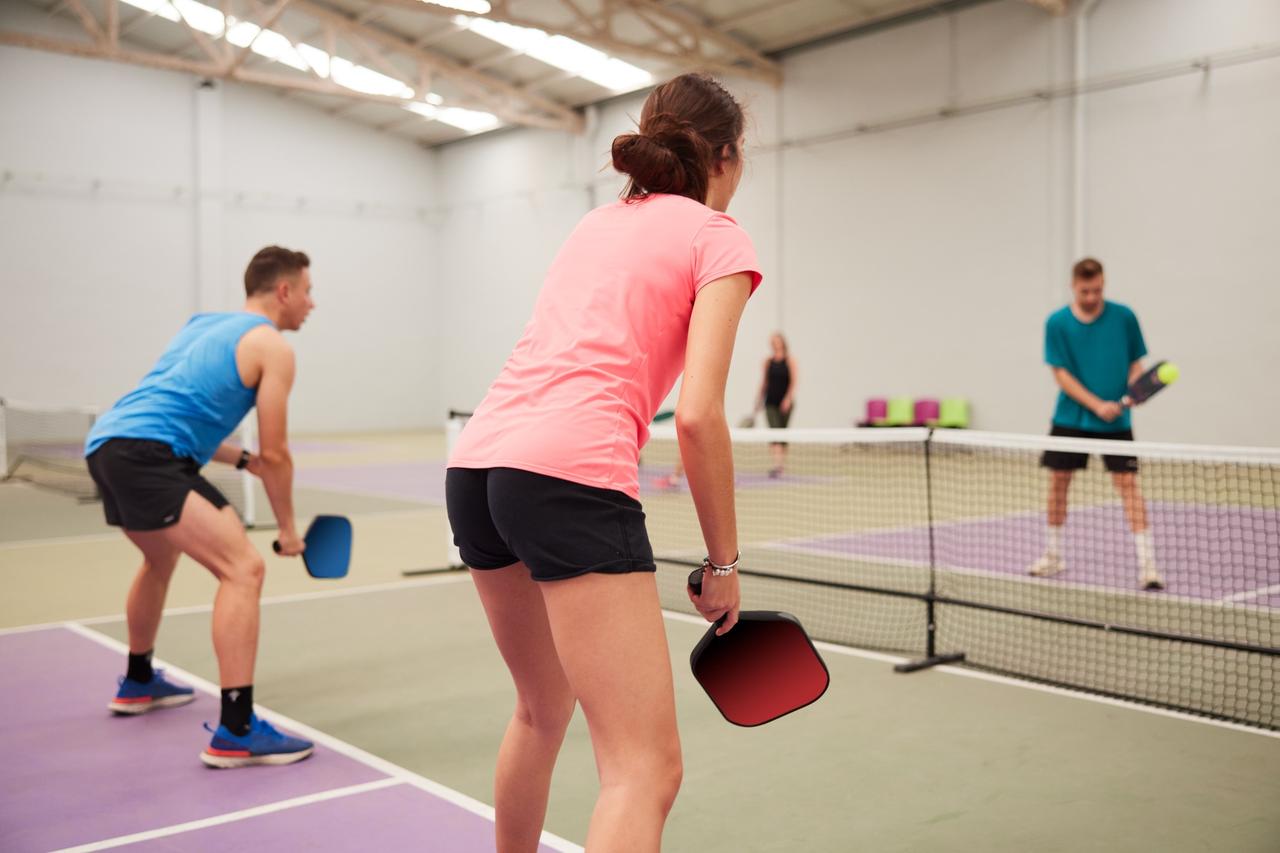
Frequently Asked Questions of after knee replacement can you resume playing table tennis and pickleball ?
After knee replacement can you resume playing table tennis and pickleball right away?
No. You should wait for wound healing and basic strength first. Typically 6–12 weeks before gentle activity and 3–6 months for short sessions with clearance.
Will playing table tennis or pickleball wear out my implant faster?
Low-impact sports like table tennis and pickleball are unlikely to wear out a modern implant quickly. Avoid high-impact or repetitive heavy loading to protect the joint.
How do I know if I am ready to return to play?
You should have good range of motion, minimal swelling, strong leg muscles, and PT or surgeon approval. If you have pain, instability, or persistent swelling, delay return.
Can I play competitively after knee replacement?
Some people return to competitive play, but it depends on age, fitness, and surgical outcome. Start with non-competitive matches and progress only if you feel stable and pain-free.
What exercises help most for returning to these sports?
Focus on quadriceps and hamstring strengthening, single-leg balance drills, lateral stepping, and controlled lunges. Cardio via cycling and pool workouts helps endurance without heavy joint stress.
Conclusion
Returning to table tennis and pickleball after knee replacement is a realistic goal for many people. With progressive rehab, surgeon and PT clearance, careful pacing, and attention to pain and swelling, you can play safely and enjoyably again. Start slow, build strength and balance, and choose low-intensity practice before competitive matches. Ready to get back on the court? Talk with your care team, set clear milestones, and share your progress in the comments or subscribe for more recovery tips.