
Becoming a certified pickleball instructor boosts your credibility, skills, and coaching income fast.
I’ve coached players at every level and helped many gain certification. This guide covers becoming a certified pickleball instructor from start to finish. You’ll get clear steps, realistic costs, lesson plans ideas, and business tips. I mix research with hands-on tips I learned while training players and running clinics. Read on to gain a practical roadmap to earn certification and start coaching with confidence.
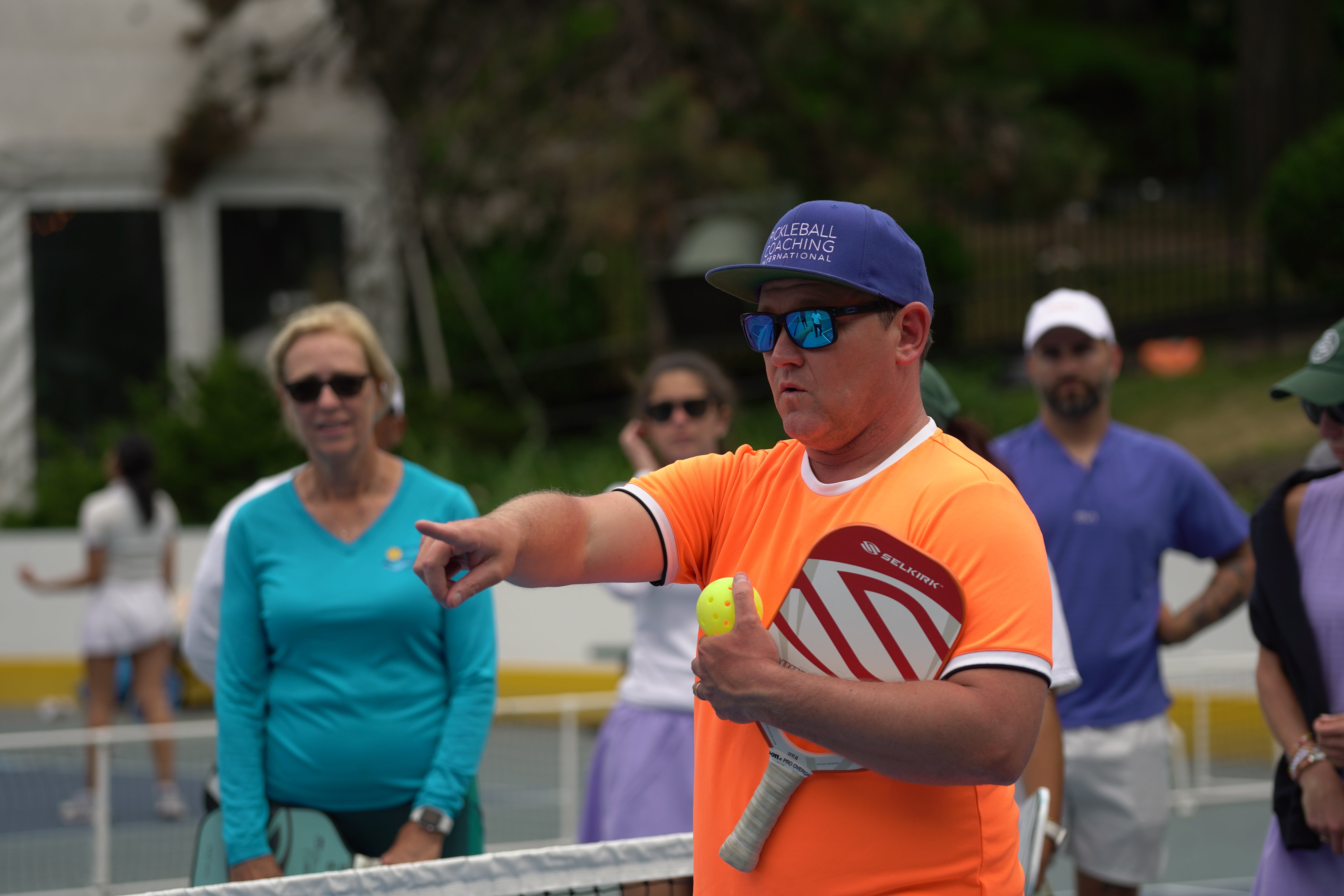
Why become a certified pickleball instructor?
Becoming a certified pickleball instructor gives you trust and structure. Players pick coaches who show proven skills and safety know-how. Certification helps you teach better and attract students who pay for quality.
I found certification made my lessons smoother and safer. It also helped me charge more and get steady bookings. If you want coaching to be a hobby or full-time job, certification is a clear next step.
Certification pathways and organizations
There are a few common certification routes for becoming a certified pickleball instructor. Each program has its own focus, fees, and renewal rules. Compare them by scope, reputation, and resources they provide.
Common options include:
- National association programs that teach technique, rules, and safety.
- Private coaching organizations that add business and lesson-planning skills.
- Local or regional clinics run by experienced pros.
I recommend picking a program that covers both teaching skills and on-court drills. Certification that includes liability guidance and insurance advice is especially useful.
Step-by-step process to get certified
Follow these steps to streamline becoming a certified pickleball instructor:
- Research programs and pick one that fits your goals and budget.
- Meet prerequisites such as player level or prior coaching experience.
- Complete online modules or attend in-person clinics.
- Pass practical and written assessments if required.
- Apply for certification and any membership badges.
I once chose a weekend clinic and then completed online follow-ups. That mix let me practice drills, ask questions, and pass the assessment within a month. Plan time for practice after the course so you can teach naturally.

Costs, time, and prerequisites
Expect costs to vary widely when becoming a certified pickleball instructor. Fees typically include course tuition, study materials, and sometimes membership dues. Time to finish ranges from a weekend clinic to several weeks for blended programs.
Typical cost factors:
- Course fee for certification
- Membership or renewal fees
- Optional insurance and background checks
Prerequisites often include playing at an intermediate level and basic first aid knowledge. Ask the provider about hidden fees before you enroll.
What you'll learn and teach as a certified instructor
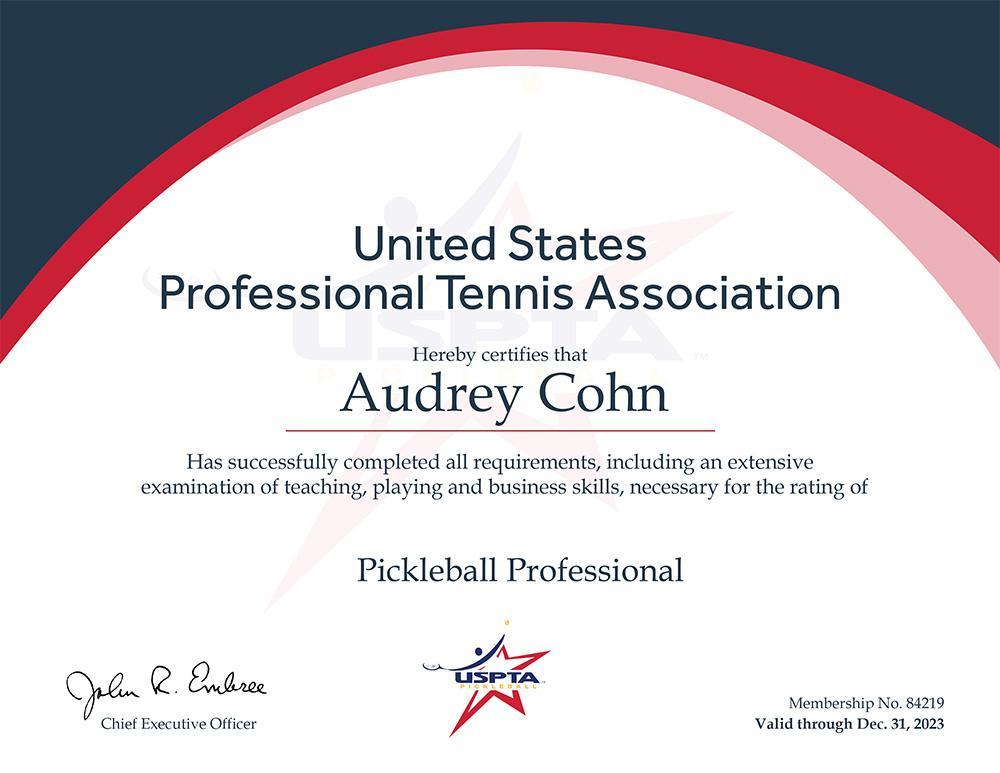
Certification teaches you how to coach technique, strategy, safety, and etiquette. You learn lesson structure, warm-ups, progressions, and cueing for common strokes. You also learn how to adapt drills for seniors, beginners, and competitive players.
Core topics usually include:
- Grip, stance, and stroke mechanics
- Serving, return, and third-shot strategy
- Movement, positioning, and court awareness
- Lesson planning, risk management, and communication skills
These skills help you run clear sessions and get repeat clients quickly.
How to build a business as a certified instructor
Turn certification into steady income by creating clear offers and a simple marketing plan. Start with group clinics, private lessons, and beginner courses. Use local clubs, community centers, and social media to reach players.
Business tips that worked for me:
- Offer a free intro clinic to attract new players.
- Package lessons into multi-session bundles for better retention.
- Collect testimonials and short video clips to show progress.
- Partner with local facilities for court time and referrals.
Keep prices clear and add options like small-group rates to scale.

Common challenges and tips from experience
New instructors often struggle with lesson pacing and varied player skill. You may also find marketing and scheduling take more time than coaching. Expect to refine your program after the first dozen lessons.
Practical tips I learned:
- Use simple progressions and stick to one main goal per session.
- Bring a stopwatch and a drill sheet to stay organized.
- Build a waitlist for cancellations to keep slots full.
- Ask for feedback after each lesson to improve fast.
These small habits save time and make your sessions feel polished and fun.
Frequently Asked Questions of becoming a certified pickleball instructor
What level of play do I need to become certified?
Most programs require at least an intermediate skill level. You should be comfortable with fundamental shots and basic strategy before enrolling.
How long does certification take?
Time varies by program. Some courses finish in a weekend, while others take several weeks of online work plus a practical day.
How much does certification cost on average?
Costs range from low hundreds to over a thousand dollars. Expect extra costs for membership, insurance, and renewals.
Do I need insurance to teach?
Yes. Liability insurance is recommended and sometimes required by clubs. It protects you and helps you get court contracts.
How often must I renew certification?
Renewal rules vary. Many programs ask for renewal every 1–3 years and may require continuing education or refreshers.
Can I teach part-time after becoming certified?
Absolutely. Many certified instructors start part-time with weekend clinics and private lessons. Part-time teaching grows naturally into more hours if demand rises.
Will certification help me get more students?
Yes. Certification signals credibility. Players and facilities often prefer certified instructors for safety and quality.
Are there online certification options?
Yes. Several reputable programs offer online theory modules and videos, with a practical assessment component. This hybrid model is convenient for busy adults.
Can seniors become certified instructors?
Yes. Many seniors become excellent coaches. Programs include adaptations for coaching older players and teaching safe movement.
What mistakes should I avoid as a new instructor?
Avoid overloading lessons with too many drills and neglecting clear goals. Don’t underprice your services or skip insurance and contracts.
Conclusion
Becoming a certified pickleball instructor is a clear path to better coaching, more clients, and greater confidence on court. Start by choosing the right program, practice your teaching, and build simple offers that players can buy. Keep learning, collect feedback, and treat certification as the start of a growing coaching life. If you’re ready, enroll in a course, run a free clinic, or book your first paid lesson this month. Share your progress, ask questions below, or subscribe for more coaching tips.