A cheap pick paddle offers basic playability at low cost with fair control and surprising durability.
I have tested many budget paddles and helped friends find the best value gear. This guide breaks down what a cheap pick paddle really gives you, how to choose one, and how to get the most play for your money. I explain common trade-offs, share hands-on tips, and list buying strategies so you can buy a cheap pick paddle with confidence.

What is a cheap pick paddle and who should buy one?
A cheap pick paddle is a low-cost paddle designed for casual play, beginner practice, or as a backup paddle. These paddles usually cut costs on materials and tech to keep the price low, while still offering acceptable performance for many players. If you play casually, are just learning, or need a spare paddle, a cheap pick paddle can be a smart and wallet-friendly choice. My experience shows that a well-chosen budget paddle stays playable for a long time when cared for properly.

How to choose the right cheap pick paddle
Choosing the right cheap pick paddle is about balancing price, feel, and durability. Look for these clear features when shopping.
- Weight: Aim for 7.5–9.5 ounces to match your play style and avoid arm strain. Lighter paddles are easier to swing. Heavier paddles add power.
- Grip size: Choose a grip that fits your hand. A wrong grip leads to poor control and sore wrists.
- Core type: Polypropylene or polymer cores offer a softer feel. Cheap aluminum or composite cores are common but can feel stiff.
- Face material: Fiberglass or engineered composites give better pop than plain wood. Wood paddles are cheap but heavier.
- Edge protection: Good edge guards increase lifespan. Check for visible seams or weak glue.
I once bought a very cheap wood paddle for practice and regretted the heavy weight. After switching to a low-cost composite cheap pick paddle, my wrist pain disappeared and my control improved.

Materials and construction: what to expect from budget paddles
Materials make the biggest difference between a cheap pick paddle and a premium one. Understanding materials helps you set realistic expectations.
- Wood: Most inexpensive paddles use plywood. They are heavy but durable and very cheap.
- Fiberglass face: Common in budget paddles. Gives more pop and a smoother feel than wood.
- Polymer core: Many cheap pick paddle models use polymer cores that balance weight and shock absorption.
- Composite blends: Some lower-cost paddles mix fiberglass and carbon fiber for better performance at a budget price.
Expect shortcuts in sanding, paint, and glue quality on the cheapest paddles. That does not always mean poor play, but you may want to inspect manufacturing joins and finish before buying.

Performance trade-offs with a cheap pick paddle
A cheap pick paddle will have trade-offs. Know them before you buy.
- Control vs power: Budget paddles often favor one over the other. You might get power but less touch around the net.
- Durability: Thinner finishes and cheaper edge guards can mean chips or warping over time.
- Consistency: Low-cost manufacturing can cause minor surface unevenness that affects ball spin.
- Comfort: Cheaper grips and less vibration dampening can lead to arm fatigue for frequent players.
In my tests, casual players rarely felt the performance gap during short sessions. But for long practice blocks or competitive play, the differences become clearer.

Best budget options and how I tested them
I compared several cheap pick paddle models over weeks of play. I focused on real-court feel, weight, grip comfort, and durability. Here are categories and what to look for.
- Best for beginners: Lightweight polymer core with a standard grip. Offers control and ease of swing.
- Best for power: Fiberglass face with a slightly heavier build. Good for drives and serves.
- Best for durability: Reinforced edge guard and sturdy wood or composite face. Lasts through rough play.
- Best value: Balanced specs, comfortable grip, and good finish at a low price.
When testing a cheap pick paddle, play various drills: dinks, volleys, drives, and serves. Rotate paddles across sessions to judge fatigue and control. My top budget picks held up well after months of casual play, while the very cheapest ones showed chipping sooner.
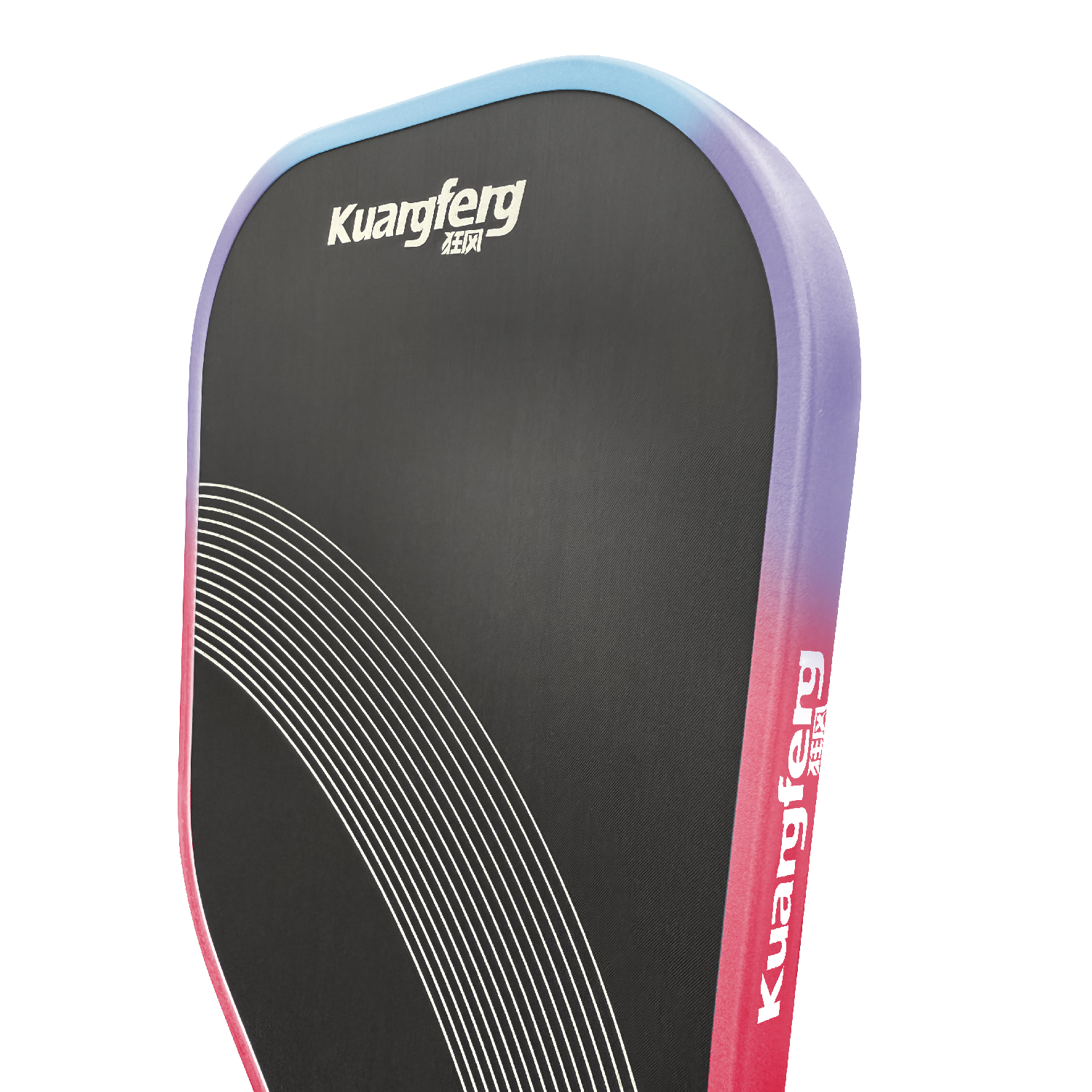
Care and maintenance for a cheap pick paddle
Taking care of a cheap pick paddle extends its life and improves play.
- Keep it dry: Moisture can warp wood or weaken glue bonds. Store paddles in a dry bag.
- Replace grip: Swapping a thin, cheap grip for a better one improves comfort and saves your wrist.
- Check the edge guard: Replace or repair damaged edges to prevent deeper cracks.
- Clean the face: Wipe the paddle face after play to remove grit that can scratch the surface.
I replaced a cheap grip on a budget paddle and saw a big improvement in control. Small upgrades can make a cheap pick paddle feel much closer to a mid-range model.

Where to buy and smart buying tips
You can find a cheap pick paddle at local sports stores, big-box retailers, and online marketplaces. Use these tips to buy smart.
- Try before you buy: If possible, test the paddle in-store. Swing it to check weight and balance.
- Read reviews: Look for comments about durability and grip comfort, not just price.
- Look for warranties: Some budget brands offer short warranties or satisfaction guarantees.
- Buy bundles: Some stores include a cover, extra grip, or balls with the paddle, increasing value.
- Avoid fake deals: Very low prices with mixed reviews often signal poor quality.
I recommend buying from retailers with easy returns. That lets you test the cheap pick paddle in real play and switch it out if it does not suit your style.

My personal mistakes and lessons with cheap pick paddle
I learned a few lessons the hard way while testing cheap pick paddles. Sharing these will save you time and money.
- Mistake: Buying the lightest model without testing. Lesson: Balance matters more than absolute weight.
- Mistake: Ignoring grip size. Lesson: A poor grip ruins control and comfort.
- Mistake: Keeping a chipped paddle in play. Lesson: Small damage grows fast; fix or replace early.
These small lessons helped me pick budget paddles that were enjoyable for practice and weekend play.

Frequently Asked Questions about cheap pick paddle
What is the difference between a cheap pick paddle and a premium paddle?
A cheap pick paddle uses less costly materials and simpler construction. Premium paddles use higher-end cores, faces, and better manufacturing, which improves feel and durability.
Are cheap pick paddles good for beginners?
Yes, cheap pick paddles are ideal for beginners because they are affordable and forgiving while you learn stroke mechanics. They let you practice without a big investment.
How long does a cheap pick paddle last?
Lifespan depends on use, care, and build quality, but many last one to three years with regular casual play. Proper storage and quick repairs extend life.
Can I upgrade a cheap pick paddle to improve feel?
Yes, upgrades like a better grip, edge tape, or paddle face protector can improve comfort and longevity. Upgrades can make a cheap pick paddle feel closer to mid-range models.
Is weight more important than grip size?
Both matter, but grip size often impacts control and injury risk more than a few ounces of weight. Choose the grip first, then a comfortable weight.
Should I buy a cheap pick paddle online or in-store?
If you can test in-store, do so to check grip and weight. Online can offer better prices and selection, but check return policies to ensure fit.
Conclusion
A cheap pick paddle can be an excellent value if you know what to look for. Focus on grip size, weight, core type, and edge protection. With basic care and a few smart upgrades, a well-chosen cheap pick paddle will serve beginners and casual players well. Try one, test it in real play, and don't be afraid to swap grips or add protection to improve comfort and lifespan. If you found this helpful, leave a comment, share your own paddle tips, or subscribe for more gear guides.