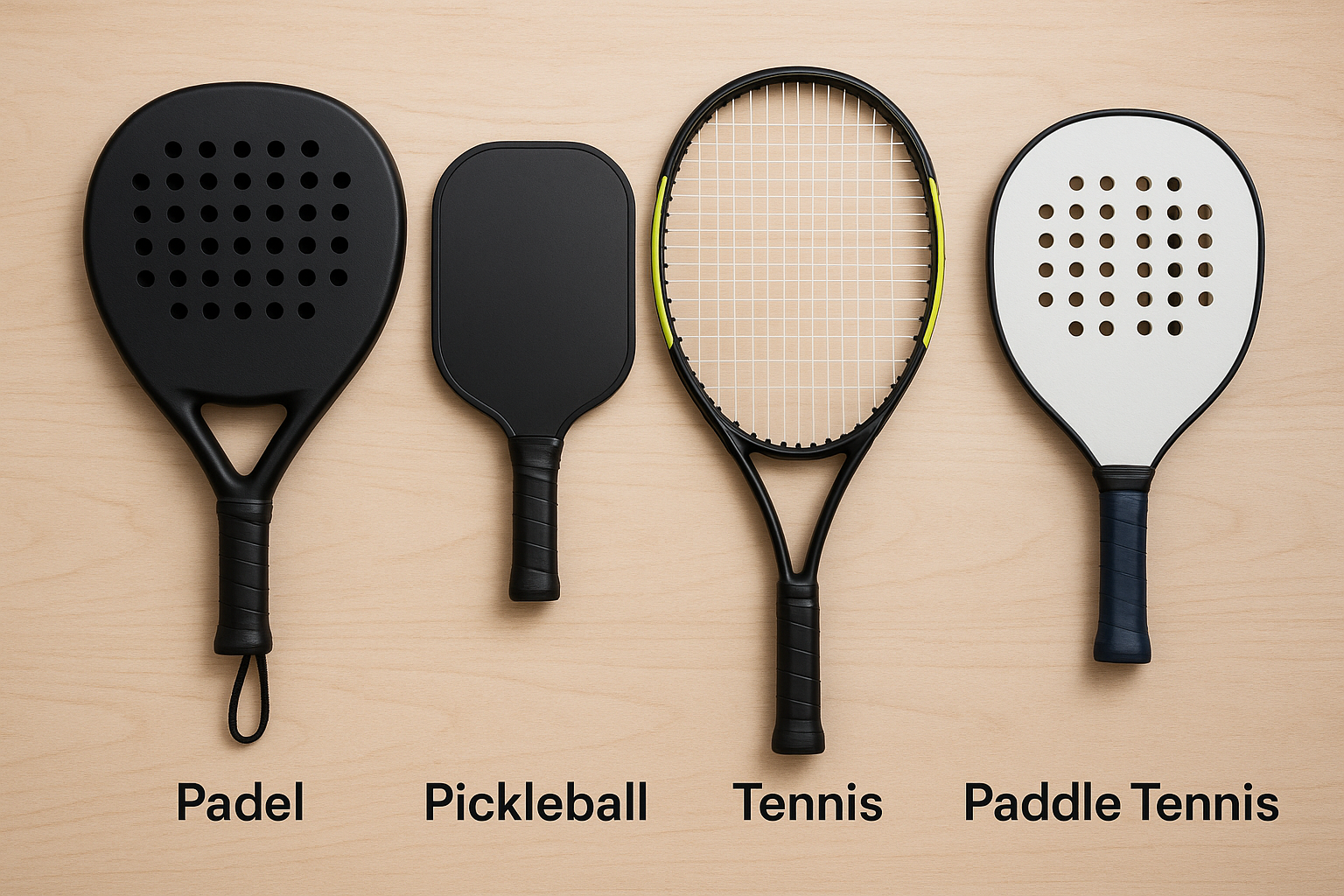
Pickleball uses a perforated plastic ball on a court; paddle ball is a toy or wall sport.
If you’ve ever mixed up these two, you’re not alone. In this guide, I break down the difference between pickle and paddle ball with clear terms, simple examples, and real tips from coaching new players. You’ll learn how they play, what gear to buy, and which one suits your style. Stick around to make a smart choice and feel confident the next time someone asks about the difference between pickle and paddle ball.
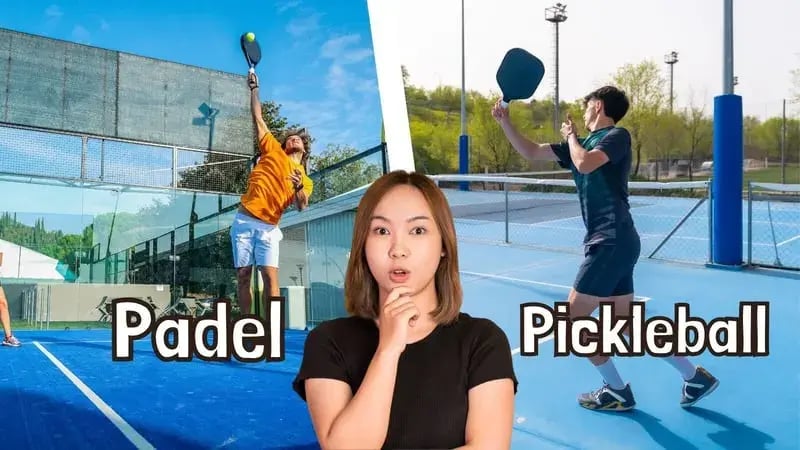
What We Mean By Pickle And Paddle Ball
People use paddle ball to mean different things, which creates confusion. Here is the simple map so we can compare the difference between pickle and paddle ball in a fair way.
- Pickle means pickleball, the fast-growing paddle sport on a small court with a net.
- Paddle ball can mean the toy with a rubber ball on a string.
- Paddleball can also mean a court sport, like one-wall or four-wall, played with a rubber ball and solid paddles.
- Beach paddleball (also called frescobol or matkot) is a rally game without a net.
In this article, I will cover all common meanings so you get the full picture of the difference between pickle and paddle ball.

Equipment: Paddles And Balls Compared
The gear tells a big part of the story and makes the difference between pickle and paddle ball easy to see.
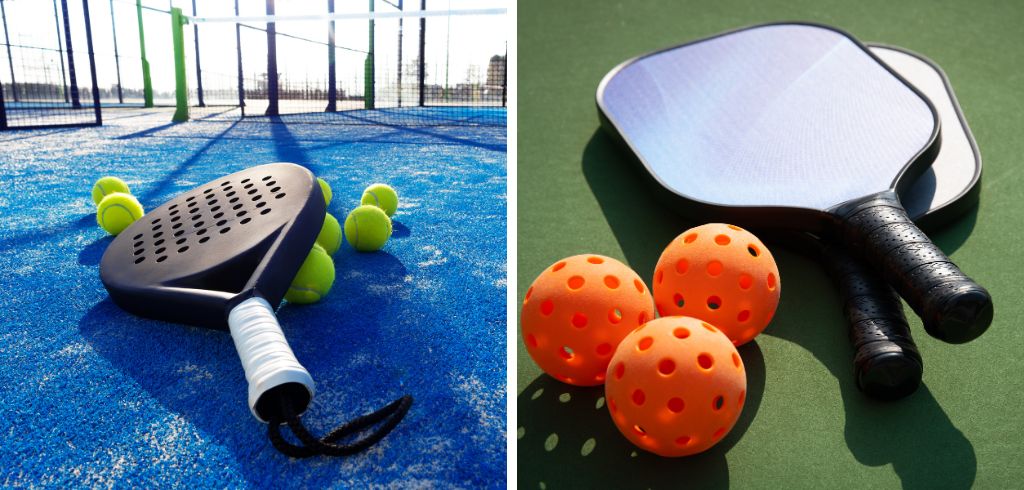
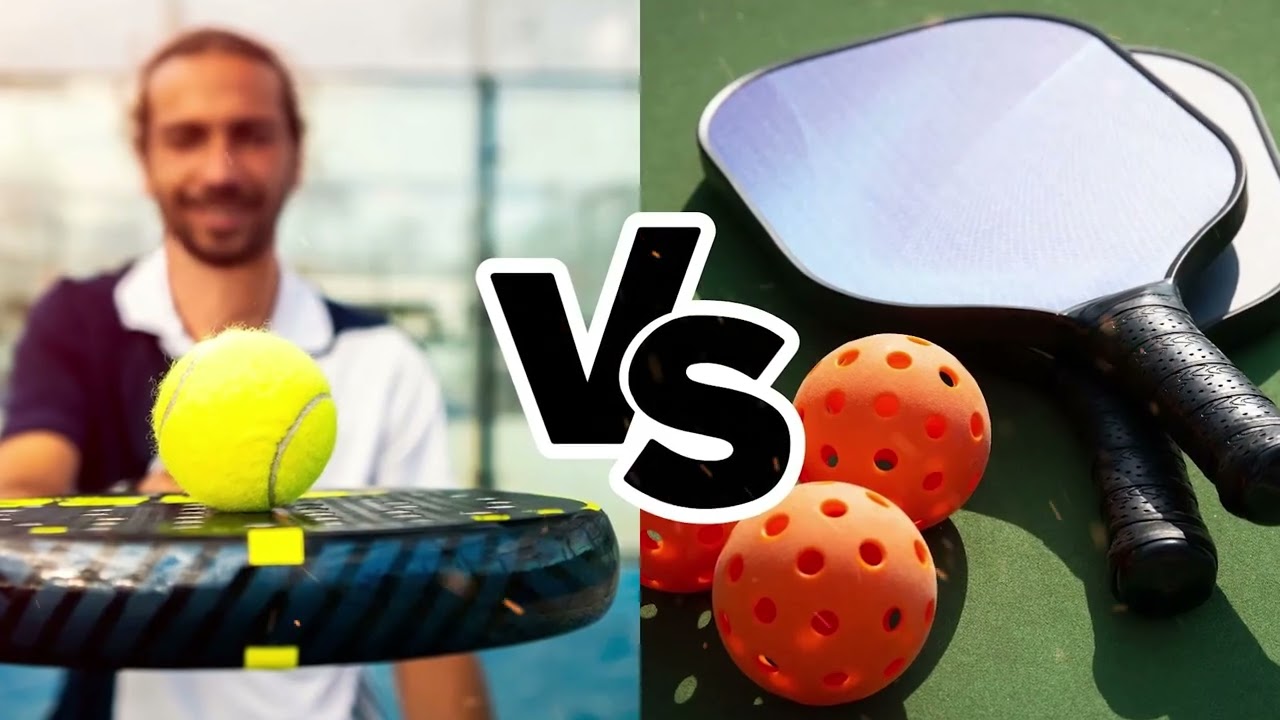
- Pickleball paddle: Solid face, no strings. Common materials are graphite, carbon fiber, or fiberglass with a honeycomb core. Typical length is under 17 inches.
- Pickleball ball: Hard plastic with 26–40 holes. Lighter, with indoor and outdoor types.
- Court paddleball paddle: Solid wood or composite. Shorter than a tennis racquet. Heavier than many pickleball paddles.
- Court paddleball ball: Small rubber ball. No holes. Much bouncier than a pickleball.
- Toy paddle ball: Small wooden paddle with an elastic string and a rubber ball. It is a solo toy, not a court sport.
From a feel point of view, pickleball gear is tuned for touch and control at a net. Paddleball gear is tuned for power on a wall. The toy is for hand–eye fun at home. This is another clear difference between pickle and paddle ball.
Court, Net, And Lines
Court size shows a sharp difference between pickle and paddle ball.
- Pickleball court: 20 by 44 feet for both singles and doubles. Net is 36 inches at the posts, 34 inches at the center. There is a 7-foot non-volley zone on each side of the net.
- Court paddleball: Played on one wall, three walls, or four walls. No net. Court sizes vary by venue. Lines mark service and short lines like handball or racquetball.
- Toy paddle ball and beach paddleball: No fixed court. You can play at home or at the beach.
These layouts shape how you move and what skills you use. That is a core part of the difference between pickle and paddle ball.

Rules And Scoring At A Glance
Let’s keep this clean and simple. Rules vary by sport and league, so check your local rulebook.
- Pickleball serve: Underhand. Contact below the waist. Diagonal serve. Double-bounce rule: The ball must bounce once on each side after the serve before anyone can volley.
- Pickleball scoring: Side-out scoring in standard play. Games to 11, win by 2. Only the serving team scores.
- Court paddleball serve: Overhand or underhand, depending on the version. Serve must hit the wall first. Faults include screen, skip, or out of bounds.
- Court paddleball scoring: Often rally scoring or side-out, depending on the style and region. Games may go to 15 or 21. Check your local rules.
- Toy and beach paddleball: Focus on rallies, not points, unless you set house rules.
These rule sets drive pace, shot choice, and strategy. That is a key difference between pickle and paddle ball.

How Each Game Plays And Feels
I teach both sports to new players. The feel is not the same.
- Pickleball: Lots of quick pivots, soft drops, and fast hands at the kitchen line. Rallies mix soft touch with sudden speed ups.
- Court paddleball: More wall angles, longer swings, and chases to the back. The rubber ball adds bounce and speed off the wall.
- Toy or beach paddleball: Rhythm and flow. The joy is a smooth, long rally.
If you want net play and angles, go pickleball. If you love walls and power, go paddleball. That is the heart of the difference between pickle and paddle ball.
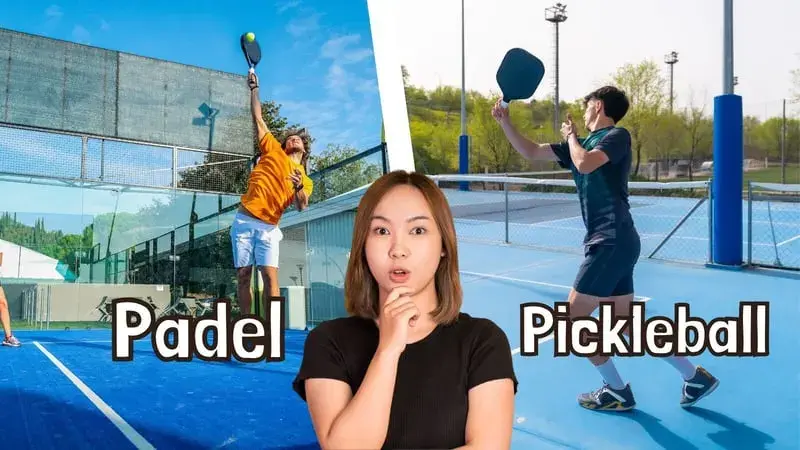
Skill Crossover And Who Should Play Which
This is where experience helps. I see a lot of tennis, racquetball, and squash players switch over.
- If you like net duels and soft hands, pickleball fits fast.
- If you enjoy tracking balls off a wall, paddleball feels natural.
- Baseball and table tennis players often enjoy both for hand speed.
For many, the best answer to the difference between pickle and paddle ball is to try both. The games build different strengths and keep things fresh.
)
Costs, Gear, And Starter Checklist
Budget plays a role in the difference between pickle and paddle ball.
- Pickleball costs: A good paddle runs 60–200 dollars. A 3-pack of balls is low cost. Many parks have free courts.
- Court paddleball costs: Paddles often 30–100 dollars. Rubber balls are cheap. Some venues charge court fees.
- Toy paddle ball: Usually under 10 dollars. Great for kids and hand–eye drills.
- Beach paddleball: Wood sets range widely. Public beaches are free.
Starter checklist
- Pickleball: Paddle, indoor or outdoor balls, court shoes, water.
- Court paddleball: Paddle, rubber balls, eye protection, court shoes, water.
- Toy or beach: Paddle set, spare balls, sunscreen.
This makes the cost difference between pickle and paddle ball easy to plan for.
Safety, Noise, And Etiquette
These factors matter a lot to players and neighbors.
- Pickleball: The plastic pop is loud outdoors. Wear proper shoes and warm up your calves and shoulders. Follow kitchen-line etiquette and call lines clearly.
- Court paddleball: Eye guards help prevent injuries from the fast rubber ball. Watch for wall ricochets and respect serve rules.
- Toy or beach: Mind bystanders and wind. Keep rallies safe and fun.
Noise, space, and safety gear all add to the practical difference between pickle and paddle ball.
Training Tips And Drills
Here are simple drills I use in clinics to highlight the difference between pickle and paddle ball and build fast gains.
- Pickleball wall dink: Stand 7 feet from a wall. Hit soft dinks that bounce once before the wall. Aim for 50 in a row.
- Pickleball third-shot drop ladder: Start at the baseline and drop to a target in the kitchen. Move up one step when you hit three in a row.
- Court paddleball drive and retrieve: Hit a drive to the front wall, then sprint to touch a side line, recover, and repeat 20 times.
- Court paddleball ceiling control: Practice high, soft shots to reset. Track the bounce off the wall, then step in and drive.
- Toy or beach: Keep a rally going with a friend for time. Count hits to set a record.
Use these to feel how each game flows. It will lock in your sense of the difference between pickle and paddle ball.
Frequently Asked Questions of difference between pickle and paddle ball
Is pickleball the same as paddle ball?
No. Pickleball is a net sport on a marked court with a perforated ball. Paddle ball can be a wall sport or a toy with a ball on a string.
Which is easier for beginners?
Most beginners find pickleball easier to start. The court is small, and the serve is underhand, which helps new players.
Does paddle ball mean padel?
No. Padel is a different sport with glass walls, a net, and stringed bats called rackets. Paddle ball usually refers to wall games or the toy.
Can I use a pickleball paddle for paddleball?
It is not a good idea. Pickleball paddles are built for a plastic ball and net play, not for repeated wall impacts with a rubber ball.
Which sport is better for fitness?
Both can be great. Pickleball gives quick bursts and balance work, while court paddleball can deliver longer chases and sustained cardio.
What ball should I buy first?
If you want pickleball, get outdoor balls if you play outside and indoor balls for gyms. For paddleball, buy a set of rubber balls matched to your local rules.
How noisy are these games?
Pickleball can be loud outdoors due to the plastic pop on paddle and court. Paddleball in indoor courts has a strong echo but less carry into neighborhoods.
Conclusion
The difference between pickle and paddle ball comes down to gear, space, rules, and feel. Pickleball is a net game with touch and fast hands. Paddleball is a wall game built on angles and power. The toy and beach versions add simple fun and skill work.
Try both this month. Borrow a paddle, book a court, or grab a toy set for the yard. Share what you learn, ask a friend to join, and subscribe for more guides and drills tailored to your goals.