The difference between pickleball and tennis shoe is how each is built for court shape, grip, and play style.
I’ve tested shoes on both courts and studied gear specs for years, so I’ll walk you through the difference between pickleball and tennis shoe in clear, friendly detail. This guide explains how design, traction, support, and fit affect performance. Whether you play often or are choosing your first pair, I’ll help you pick the right shoe and avoid common mistakes. Read on to learn the practical differences and find a shoe that keeps you fast and safe on court.
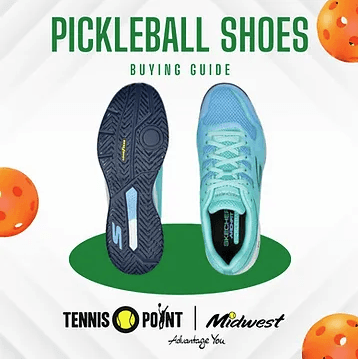
Design and purpose: why shoes differ
Pickleball and tennis shoes look similar but serve different needs. The difference between pickleball and tennis shoe starts with court length and movement patterns. Tennis players run longer distances and need forward motion support. Pickleball players need quick lateral moves and stability for short sprints.
Key design contrasts:
- Court movement: Tennis emphasizes running; pickleball emphasizes quick side-to-side steps.
- Weight: Tennis shoes can be lighter for running; pickleball shoes often add stability.
- Cut and padding: Pickleball shoes may add extra ankle support and toe protection.
These design choices change how each shoe performs and wears over time. Understanding the difference between pickleball and tennis shoe helps you choose the correct pair for your game.

Soles and traction: grip for each court
The sole is the biggest functional gap when comparing shoes. The difference between pickleball and tennis shoe shows up most in sole patterns and rubber compounds.
What to expect:
- Pickleball shoe soles: Often use a flatter, full-length tread for constant lateral grip on indoor and outdoor courts.
- Tennis shoe soles: Feature segmented tread and pivots to handle starts, stops, and long runs on different court surfaces.
Good traction reduces slips and improves quick footwork. For indoor pickleball, a soft rubber sole works best. For outdoor playground courts, choose a tougher rubber that resists abrasion.

Support and fit: protecting knees and ankles
Support needs differ by sport. The difference between pickleball and tennis shoe also affects midsole construction, arch support, and upper structure.
Support features to consider:
- Lateral support: Pickleball shoes typically have beefier sidewalls for quick turns.
- Heel counter: Tennis shoes often use a firmer heel for forward stability.
- Fit: Pickleball and tennis shoe sizes may vary slightly; always try both with the socks you play in.
A wrong fit causes blisters or instability. I recommend trying shoes late in the day when your feet swell most. That ensures a safer, more accurate fit.
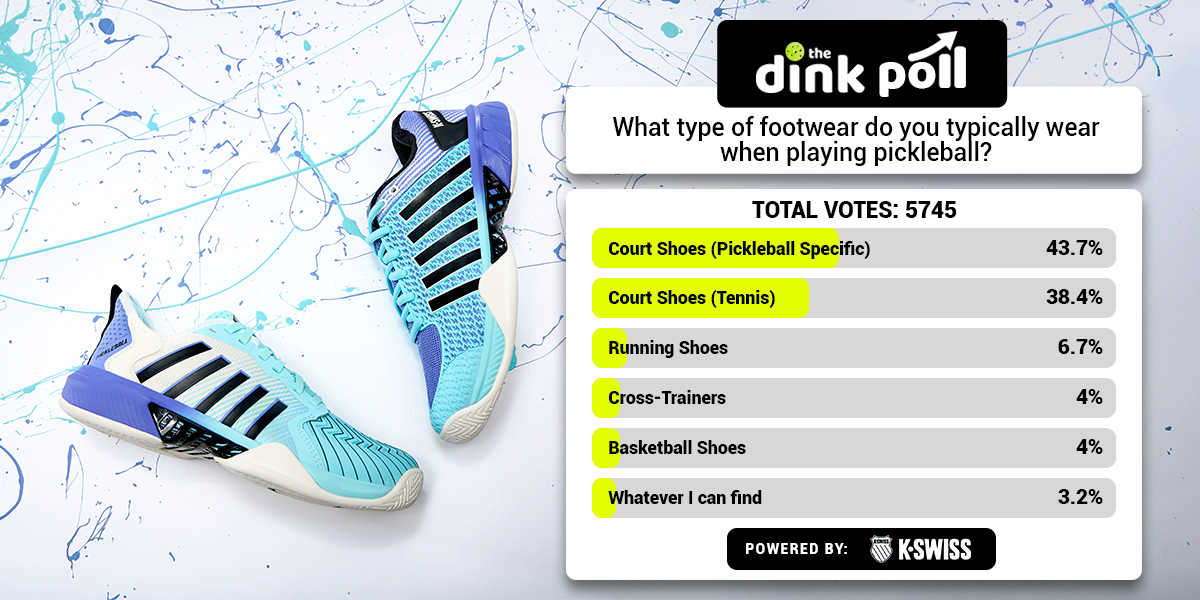
Cushioning and responsiveness
Cushioning affects comfort and feel. The difference between pickleball and tennis shoe shows in the cushioning balance between shock absorption and court feel.
How they differ:
- Tennis shoes: May prioritize long-run cushioning to reduce fatigue over long points and matches.
- Pickleball shoes: Often aim for lower, firmer cushioning to keep you stable during short, sharp moves.
If you have joint pain, choose cushioning that protects without making the shoe unstable. I once switched to a firmer midsole for pickleball and felt faster on my feet.

Durability and court wear
How long shoes last depends on play surface and shoe build. The difference between pickleball and tennis shoe appears in wear patterns and outsole composition.
Durability notes:
- Outsole wear: Outdoor pickleball on rough courts can erode soft rubber quickly.
- Upper wear: Frequent lateral movement can stress side stitching and toe caps.
- Reinforcement: Look for reinforced toe and side panels if you play pickleball often.
Rotate shoes and keep one pair for indoor and another for outdoor use to extend lifespan. Regular maintenance, like cleaning and airing shoes, also helps durability.

Choosing the right shoe: practical tips
Picking the correct shoe means matching your play style, court, and body needs. The difference between pickleball and tennis shoe guides your choice.
Simple buying steps:
- Identify where you play most: indoor gym, outdoor court, or both.
- Test for lateral stability: make quick side steps while trying shoes on.
- Check outsole pattern: flatter, gum rubber for indoor pickleball; segmented tread for tennis.
- Consider weight and cushioning: choose the balance that reduces fatigue and boosts control.
Try shoes in person when possible. If shopping online, read return policies and reviews from players with similar needs.

My experience and lessons learned
I’ve played both sports and tested many shoes. The difference between pickleball and tennis shoe became clear after months of soreness from the wrong pair.
What I learned:
- Mistake to avoid: Using a running shoe for either sport. It lacks lateral support and wears out fast.
- Best practice: Buy sport-specific shoes or models labeled for court sports.
- Quick tip: Break in shoes gently with practice sessions before a long match.
These small steps saved me from ankle pain and improved my court speed.
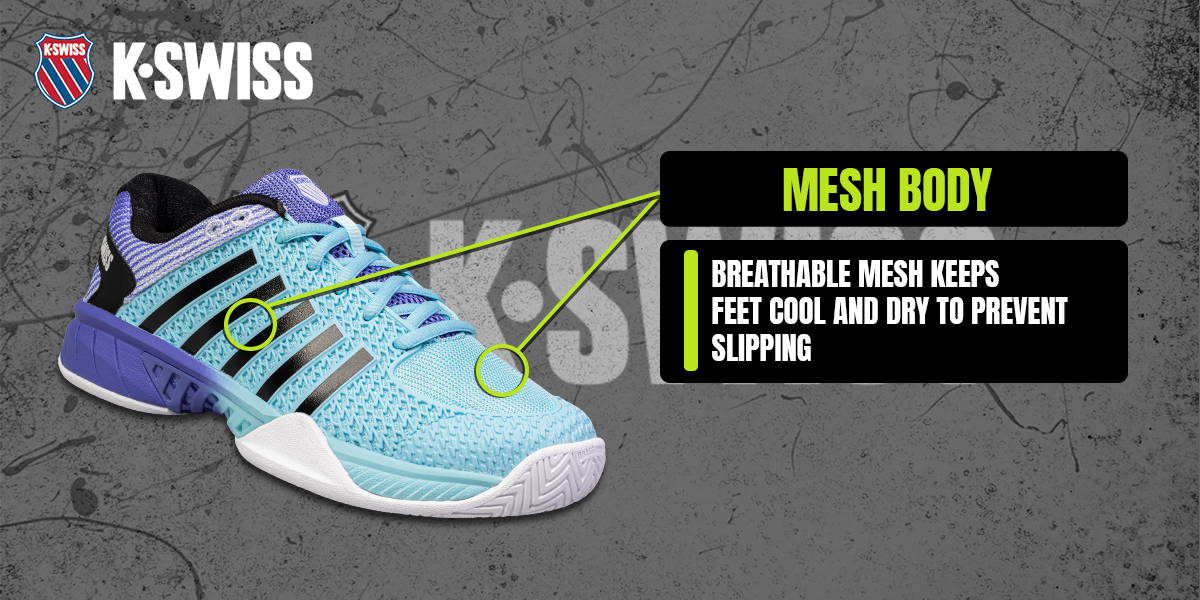
How to adapt if you only own one pair
Sometimes you only have one pair and must choose versatility. The difference between pickleball and tennis shoe can be bridged with smart choices.
Adaptation tips:
- If you mostly play pickleball but have tennis shoes, add insoles for lateral support.
- If you play both, choose a hybrid court shoe with balanced cushioning and a durable outsole.
- Watch wear: If you see quick sole wear, switch to a shoe made for your main court type.
Adaptations help short-term, but a dedicated pair for each sport is best over time.

Frequently Asked Questions of difference between pickleball and tennis shoe
What is the main difference between pickleball and tennis shoe design?
The main difference is that pickleball shoes focus on lateral stability for short, quick moves while tennis shoes balance forward movement and cushioning for longer runs.
Can I use tennis shoes for pickleball?
Yes, you can, but tennis shoes may lack the quick lateral support and toe reinforcement needed for intense pickleball play.
Are there shoes made specifically for pickleball?
Yes, some brands now make shoes labeled for pickleball with flat, grippy soles and extra lateral support designed for court quickness.
How do I choose the right sole for indoor pickleball?
Choose a soft, gum-style rubber sole with a flat tread that offers high grip on smooth gym floors.
Will using the wrong shoe cause injury?
Using improper shoes increases risk of ankle sprains, knee strain, and blisters due to poor support and traction.
Conclusion
Understanding the difference between pickleball and tennis shoe helps you play better and stay injury-free. Pick shoes based on court type, movement needs, and fit. Start by testing stability and traction, then choose a pair built for your main game. Try one change this week: test shoes with lateral drills and note how your feet feel. If this article helped, leave a comment or share your shoe story and subscribe for more gear tips.