
A dink in pickleball is a soft, controlled shot into the kitchen.
If you want to win long rallies, control pace, and set traps, learn the dink in pickleball. I’ve coached hundreds of rec and tournament players, and the dink in pickleball is their turning point. This guide breaks down technique, drills, strategy, and gear so you can build a calm, deadly soft game.
What Is a Dink in Pickleball?
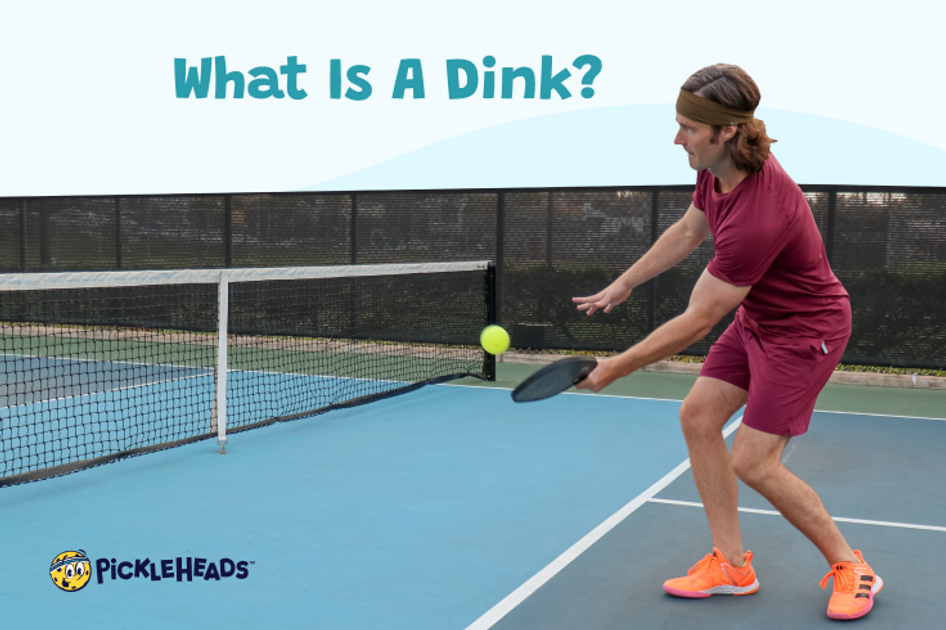
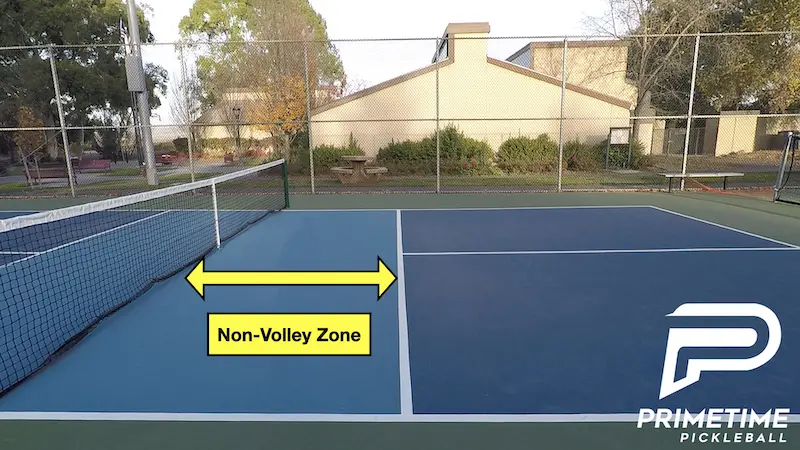
A dink in pickleball is a soft shot that lands in the non-volley zone, also called the kitchen. It travels low and clears the net by a small margin. It forces your opponent to hit up, which makes your next shot easier.
The goal is not speed. The goal is control. With a good dink in pickleball, you remove angles, take away time, and create attack chances.
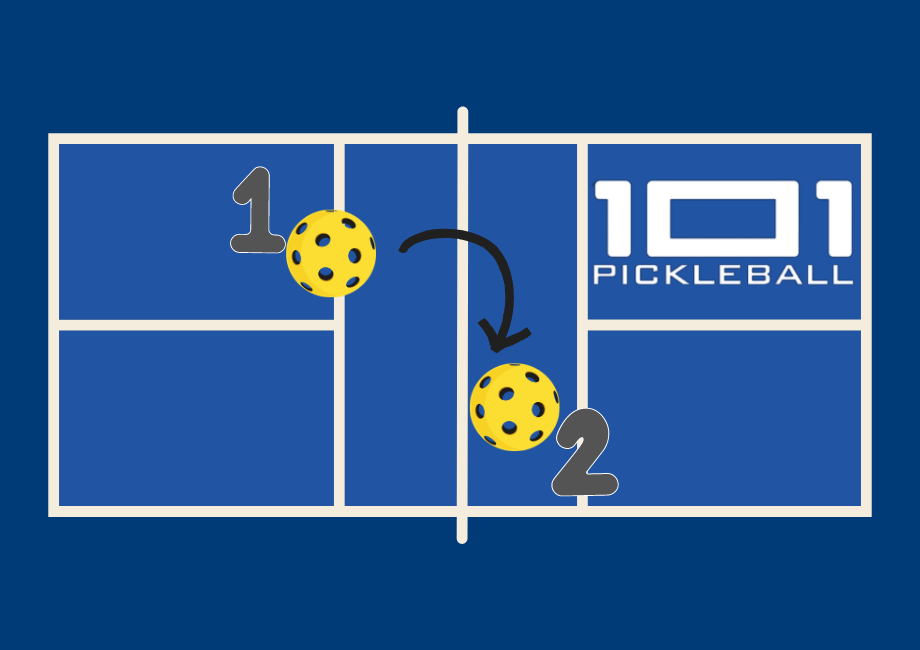
You can dink crosscourt or straight on. Crosscourt dinks give more space and a lower net. Straight dinks can pin a player and set up a speed-up. Both matter in smart play.
Why the Dink in Pickleball Matters
Rallies at higher levels often become dink battles. The player who stays calm and precise wins more points. A steady dink in pickleball stops errors and draws pop-ups.
Soft play also helps you move as a team. It slows the ball enough to reset and take the kitchen. When your dink in pickleball lands low and near the net, attacks are safer and cleaner.
Mechanics and Fundamentals
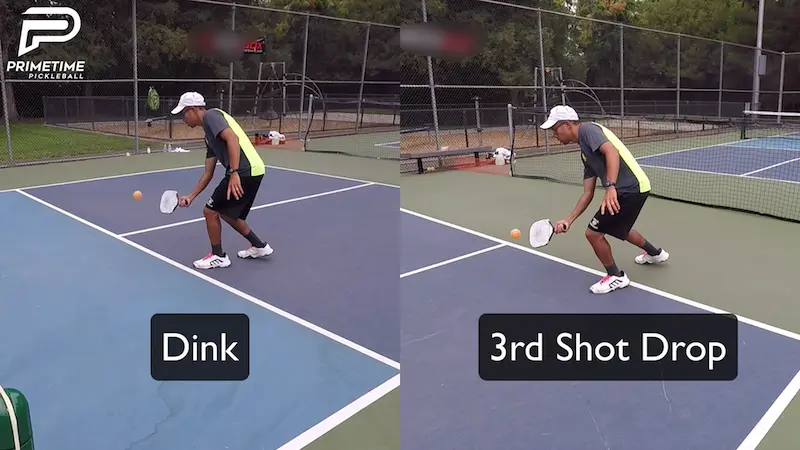
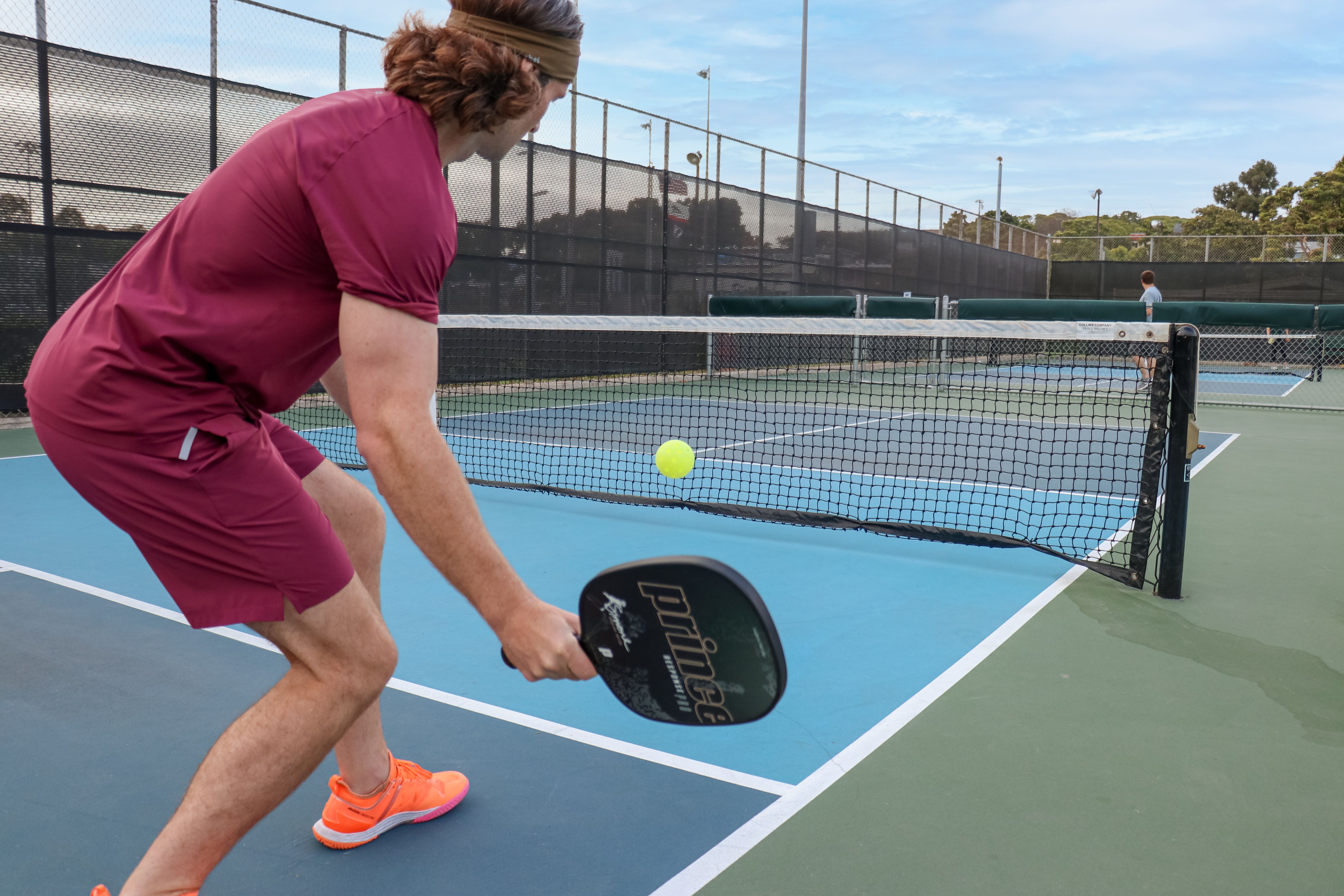
A clean dink in pickleball starts with a simple base. Think short steps, soft hands, and a square paddle face. Keep your wrist quiet and your swing small.
Follow these steps to build a repeatable stroke:
- Grip: Use a relaxed, continental grip. Hold it like a hammer with light pressure.
- Stance: Feet shoulder-width. Knees soft. Chest over toes for balance.
- Paddle angle: Slightly open face. Aim to lift, not slap.
- Contact point: In front of your lead foot. Keep it away from your body.
- Swing path: Short and smooth. Push from the shoulder, not the wrist.
- Footwork: Little steps to the ball. Stop before contact.
- Finish: Paddle points to target. Hold for a beat to feel control.
Use a smooth breath as you strike. Exhale on contact to reduce tension. This small cue helps a lot on a dink in pickleball.

Technique Tips from Experience
When I teach the dink in pickleball, I use one cue: quiet hands, busy feet. Move first. Then swing small. If your feet stop late, the paddle will get wild.
Aim for a net clearance of six to twelve inches. That range is safe but still low. If you miss short, add a tiny bit of lift. If you miss long, slow the swing and soften the grip.
Keep the paddle up after you hit. Many pop-ups come from dropping the paddle. Ready position saves points, fast.

Common Mistakes and Fixes
Players often try to “save” low balls with a wrist flick. That adds spin but also adds risk. Use a soft push instead.
Watch for these mistakes and quick fixes:
- Swinging big: Shorten the stroke. Use shoulder, not wrist.
- Gripping too tight: Loosen one notch. Tension makes the ball jump.
- Contact too close to the body: Reach out more. Meet the ball early.
- Aiming at the sideline: Aim three feet inside. Win with margin.
- Hitting straight at a poacher: Go crosscourt more. Make them move.
If nerves show up, slow your breath. Bounce-bounce-hit is a calm tempo that helps your dink in pickleball stay steady.
Drills to Master the Dink in Pickleball
Drill with purpose. Keep goals small and clear. Count good reps, not minutes.
Try these:
- Box targets: Place four small targets in the kitchen. Land five in each.
- Crosscourt only: Rally crosscourt dinks for 50 balls. Switch sides.
- Down-the-line pressure: One player holds the line. The other works angles inside the kitchen.
- Net tape drill: Clip a small ribbon on the net. Clear it by a hand’s width.
- Beat the kitchen line: Start deep. Step in with each dink until you both reach the line.
Solo options help too:
- Wall dinks: Stand eight feet from a wall. Soft touches for 100 in a row.
- One-knee holds: Kneel on one knee. Focus on a soft push and a still head.
Track your best streak. Growth loves numbers.

Dink Strategy and Patterns
Use the dink in pickleball to move people, not just the ball. Pull them wide, then hit to the middle. Or pin the backhand to set the forehand speed-up.
High-value patterns:
- Crosscourt stretch: Dink crosscourt to open space, then roll to the middle.
- Inside foot trap: Aim at the inside foot. It limits reach and angle.
- Two to the feet, one to the corner: Repeat to change look and pace.
- Reset and re-pin: If they attack, block back low, then re-pin the same spot.
Talk with your partner. Say middle, switch, or mine. A tight team wins more dink wars.
Advanced Dinking: Spin, Depth, and Offense
Once you can drop the ball soft, add layers. A roll dink with light topspin can lift over the net and dip fast. A slight slice can keep the bounce low.
Use these tools with care:
- Roll dink: Brush up with a quiet wrist. Aim crosscourt for safety.
- Slice dink: Glide across the ball. Great to the opponent’s backhand.
- Depth change: Mix near-net drops with safe deep dinks to the kitchen line.
- Surprise speed-up: Attack chest-high balls. Go at their paddle shoulder.
Your advanced dink in pickleball should still look calm. Hide tells with the same setup each time.

Equipment and Court Factors
Paddle feel matters. Softer cores give more touch. Stiffer paddles bounce more. Test both before you buy.
Ball type changes bounce. On hot days, balls get soft and slow. On cold days, balls get hard and fast. Your dink in pickleball must adapt.
Wind shifts the arc. Aim more into the wind. Aim lower with a tailwind. On gritty courts the ball grabs and sits. On slick courts it skids, so get under it more.
Rules and Etiquette at the Kitchen
Know the non-volley zone rules. You cannot volley while in the kitchen or on its line. If your momentum carries you in after a volley, it is a fault.
A dink in pickleball often lands near feet. Call close balls fair. Do not swing your paddle over the net plane. Be kind between long dink rallies. A simple good rally keeps the vibe strong.
Frequently Asked Questions of dink in pickleball
What is the main goal of a dink in pickleball?
You aim to keep the ball low and soft in the kitchen. This forces an upward reply and sets up your attack.
Is a crosscourt dink better than a straight dink?
Crosscourt gives more space and a lower net. Straight dinks are great to pin a player and set up a speed-up.
How do I stop popping up my dinks?
Relax your grip and shorten the swing. Make contact in front and keep the paddle face quiet.
Can I add spin to my dinks?
Yes, light topspin or slice can help. Use spin to change bounce, but keep control first.
What is the best target for a dink in pickleball?
Aim at the opponent’s feet or the inside foot. These targets reduce angle and draw errors.
Conclusion
Mastering the dink in pickleball feels like learning to breathe in a storm. It calms the point, opens the court, and makes your offense safer. Build clean form, drill with intent, and use smart patterns.
Pick one tip today and test it for 10 minutes. Track your best streak and improve it next session. Want more soft-game wins? Subscribe for fresh drills, ask a question, or share your go-to dink pattern in the comments.