
DUPR is a live pickleball rating that updates after confirmed match results.
If you care about fair seeding, smart matchups, and steady growth, you need to understand the dupr pickleball rating. I’ve tracked players, run league nights, and tested DUPR in clubs and tournaments. In this guide, I’ll break down how it works, how to raise it fast, and how to avoid common traps that slow players down. Stick with me and you’ll use your dupr pickleball rating like a pro.

What Is the DUPR Pickleball Rating?
DUPR stands for Dynamic Universal Pickleball Rating. It is a single, consistent system for rating skill in singles and doubles. The scale runs from beginner to pro and updates with each confirmed score.
Your dupr pickleball rating reflects who you played, what the score was, and how reliable your match history is. Verified matches count more than casual games. As you log more results, your rating becomes more stable and accurate.
I like DUPR because it respects context. A tight loss to a stronger team can help. A blowout win over weaker players may not move much. That feels fair and helps players aim for the right matchups.

How the DUPR Algorithm Works in Plain English
DUPR uses a predictive model similar to well-known rating systems. It looks at expected results based on current ratings, then adjusts your number up or down after each match.
Key factors that shape your dupr pickleball rating:
- Opponent strength. Wins over higher-rated players move you up more. Losses to lower-rated players can hurt more.
- Score margin. Closer scores move less. Clear wins or losses create bigger shifts, up to a cap.
- Match type. Verified matches and sanctioned events carry more weight than casual rec play.
- Data confidence. DUPR tracks how much data supports your rating. More matches means higher reliability and smaller swings.
You have singles and doubles ratings. Your public profile can show both, and events may use the one that fits the format. If you are new, DUPR starts you with a provisional number and adjusts fast while reliability is low.
How To Start Using Your DUPR Pickleball Rating
Getting started is simple. You can set this up in one session and start logging right away.
Steps to get going:
- Create a profile. Add your name, home club, and contact details.
- Claim past results. If you have tournament data in the system, claim it to seed your dupr pickleball rating.
- Confirm matches. After play, enter scores. Ask your opponents to confirm. Verified results are best.
- Play a mix. Rotate partners and opponents. This gives the algorithm more context and settles your number faster.
In my leagues, new players hit stable numbers within a few weeks by logging 12 to 20 games with varied partners. It saves captains time and ends many seeding arguments.

How To Improve Your DUPR Pickleball Rating
The fastest gains come from smart planning. You want good reps, good data, and good choices.
Use these tips to raise your dupr pickleball rating:
- Play verified events often. These carry more weight and signal your true level.
- Seek strong opponents. Close battles with tougher players teach you more and help your rating more.
- Track the score, not just wins. Aim for clean side-outs, serve depth, and low unforced errors to improve point spread.
- Build a core partnership. Consistency in doubles helps you learn patterns and close tight sets.
- Log results fast. Fresh data means quicker updates and fewer disputes.
- Train to your weak links. If your backhand dink fails under stress, drill that exact shot under time on task.
A simple weekly plan:
- One league or ladder night for verified results.
- One practice night focused on serve, return, and third shot drop.
- One match night vs slightly stronger teams for stretch goals.
Small, steady gains stick. That is how you move your dupr pickleball rating without yo-yo swings.

Common Myths and Mistakes About the DUPR Pickleball Rating
I hear a lot of myths at open play. Most come from a good place but lead to bad choices.
Myths to avoid:
- You need blowouts to climb. Not true. Quality wins and close sets vs stronger teams can move you up.
- Casual games do not count. They can, if both sides confirm. But verified games count more.
- Playing down to win is smart. This often backfires. A loss to lower-rated players can sting.
- Your rating is stuck. It is dynamic. With reliable, varied results, your dupr pickleball rating can change fast.
Mistakes I see often:
- Logging scores late or not at all.
- Playing only the same two teams every week.
- Ignoring singles if your doubles is stalled. Singles can expose gaps and help your overall growth.
Focus on good data and solid habits. The rating will follow.

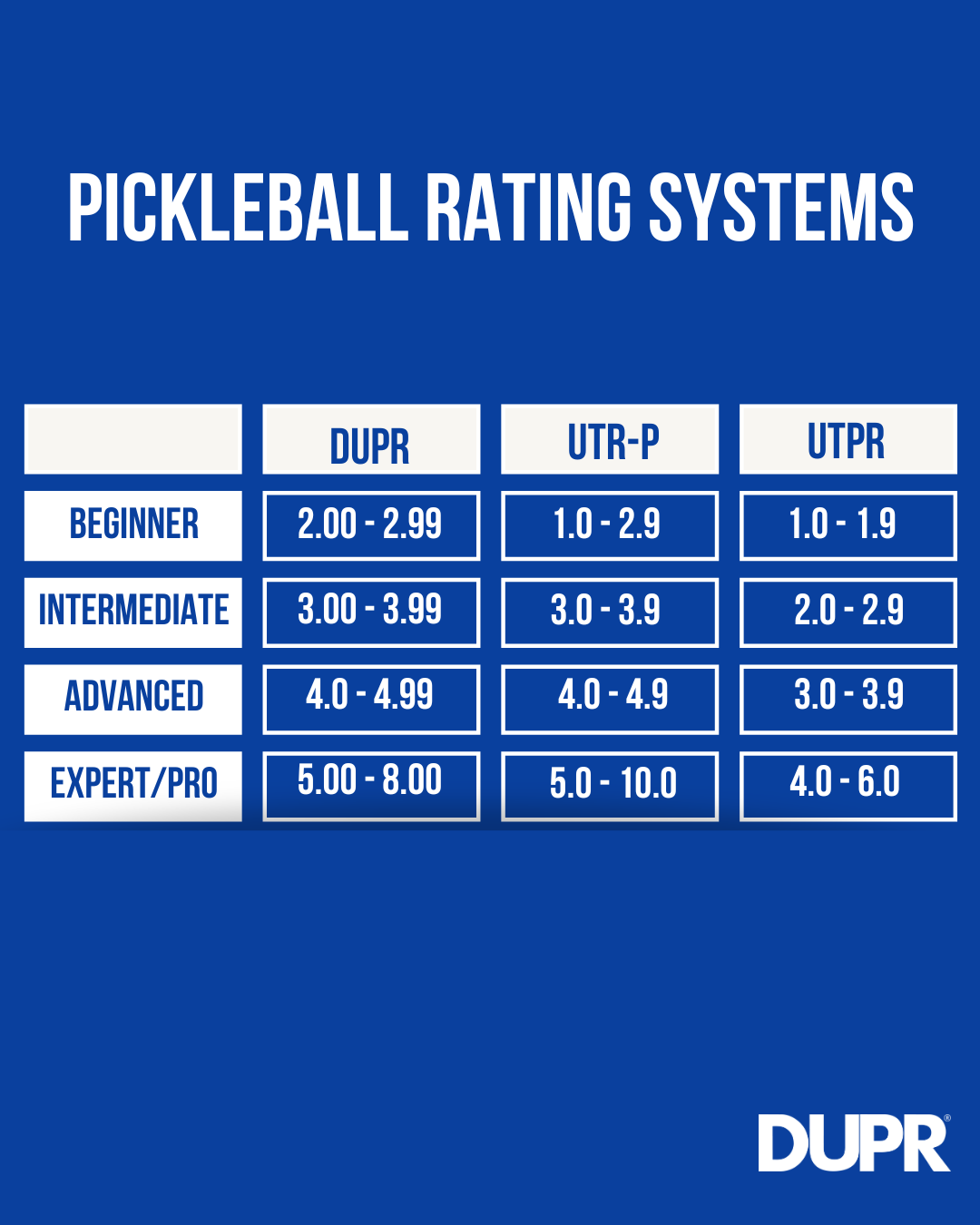
DUPR Pickleball Rating vs. Other Systems
Several systems exist, but they serve different needs. Here is how they differ at a high level.
- DUPR. Universal, dynamic, and used for both casual and verified play. Reads score lines and context. Great for broad tracking.
- USA Pickleball Tournament Ratings (UTPR). Focused on sanctioned events and used for some brackets.
- Club ladders. Local-only and format-specific. Good for in-house seeding but not portable.
Why I prefer DUPR for day-to-day use:
- It travels with you. Your dupr pickleball rating holds across clubs and cities.
- It updates fast. You do not need to wait months for shifts.
- It values context. Score lines and opponent quality matter.
You can still use event-specific ratings when required. But for a clear, modern skill snapshot, DUPR is hard to beat.
Using Your DUPR Pickleball Rating in Leagues and Tournaments
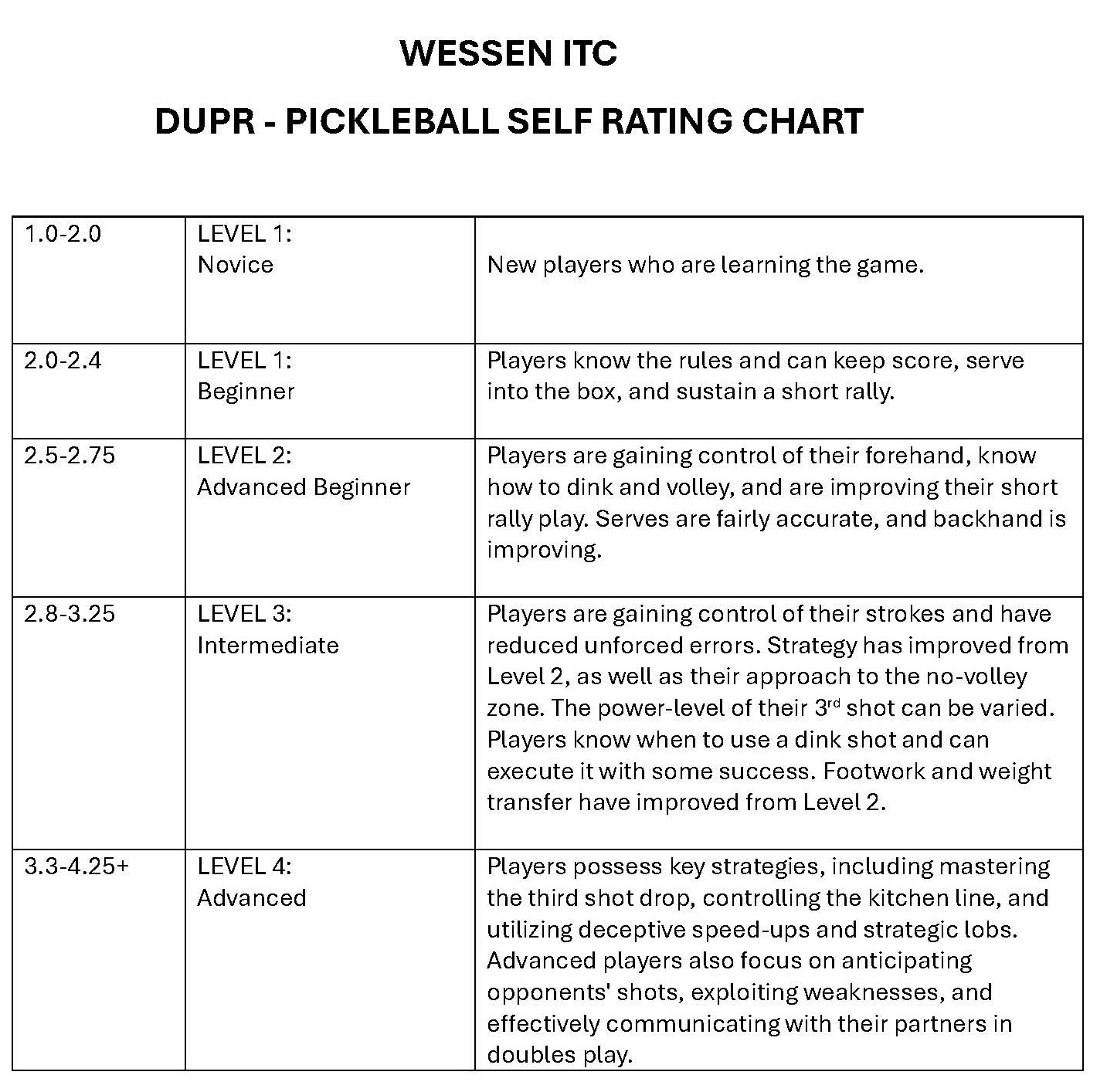
Your rating is more than a number. It is a tool for planning. Here is how to use it smart.
For leagues:
- Set divisions by narrow bands. This keeps matches close and fun.
- Use your dupr pickleball rating to form balanced pairs. Spread strengths across courts.
- Track reliability. Encourage members to log and confirm weekly.
For tournaments:
- Seed with recent verified results. Reduce early mismatches.
- Check partner fit. Two mid-level players with high reliability can beat a pair with shaky numbers.
- Plan your bracket path. Know your likely matchups and adjust practice for those styles.
I have run events where these steps cut blowouts by half. Players loved it. The finals felt earned, not lucky.

Sample Progress Plans and Real-Life Examples
A few simple case studies show how your dupr pickleball rating can climb with a plan.
Case 1: 3.2 to 3.7 in six weeks
- Two verified events with mixed partners.
- Weekly drill on returns deep to the backhand.
- Targeted play vs 3.5–3.8 teams, logging all scores.
Case 2: Doubles stuck, singles to the rescue
- Player stalled at 4.0 doubles.
- Added 10 singles matches vs 4.0–4.3.
- Improved footwork and third ball drive choice.
- Doubles dupr pickleball rating rose after better resets under pressure.
Case 3: Efficient logging pays off
- Club logged matches same day.
- Reliability scores rose across the board.
- Ratings settled, fewer seeding debates, smoother playoffs.
Use these ideas and tweak them to your needs. The core rule is simple: better inputs make a better rating.

Frequently Asked Questions of dupr pickleball rating
What is a typical range for DUPR?
Most players fall between 2.0 and 5.0. High-level amateurs and pros can rate above that, based on verified results and reliability.
How often does DUPR update?
It updates after confirmed matches. The more you play and confirm, the faster and steadier your updates feel.
Do doubles and singles share one number?
You have separate singles and doubles ratings. Events use the one that fits the format, and both help show your true level.
Do casual games count toward my dupr pickleball rating?
They can count if both sides confirm. Verified league and tournament results carry more weight and produce more stable changes.
Can a close loss help my rating?
Yes, in some cases. A tight loss to a stronger team can reduce a negative shift or even help if context and reliability favor it.
What is reliability in DUPR?
Reliability shows how much data backs your number. More verified matches raise reliability and make your rating steadier.
Can I hide my rating?
Profiles can show public info set by you and the platform rules. Check your account settings and league requirements.
Conclusion
Your dupr pickleball rating should guide smarter play, not cause stress. Log clean scores, seek strong but fair matches, and build reliable data. Focus on simple skills that shift scores fast: deep serves, deep returns, and calm resets.
Pick one tip today and act on it. Enter a verified event, book a drill session, or invite a tougher team for a set. Want more help? Subscribe for weekly drills, rating insights, and step-by-step plans tailored to your goals.