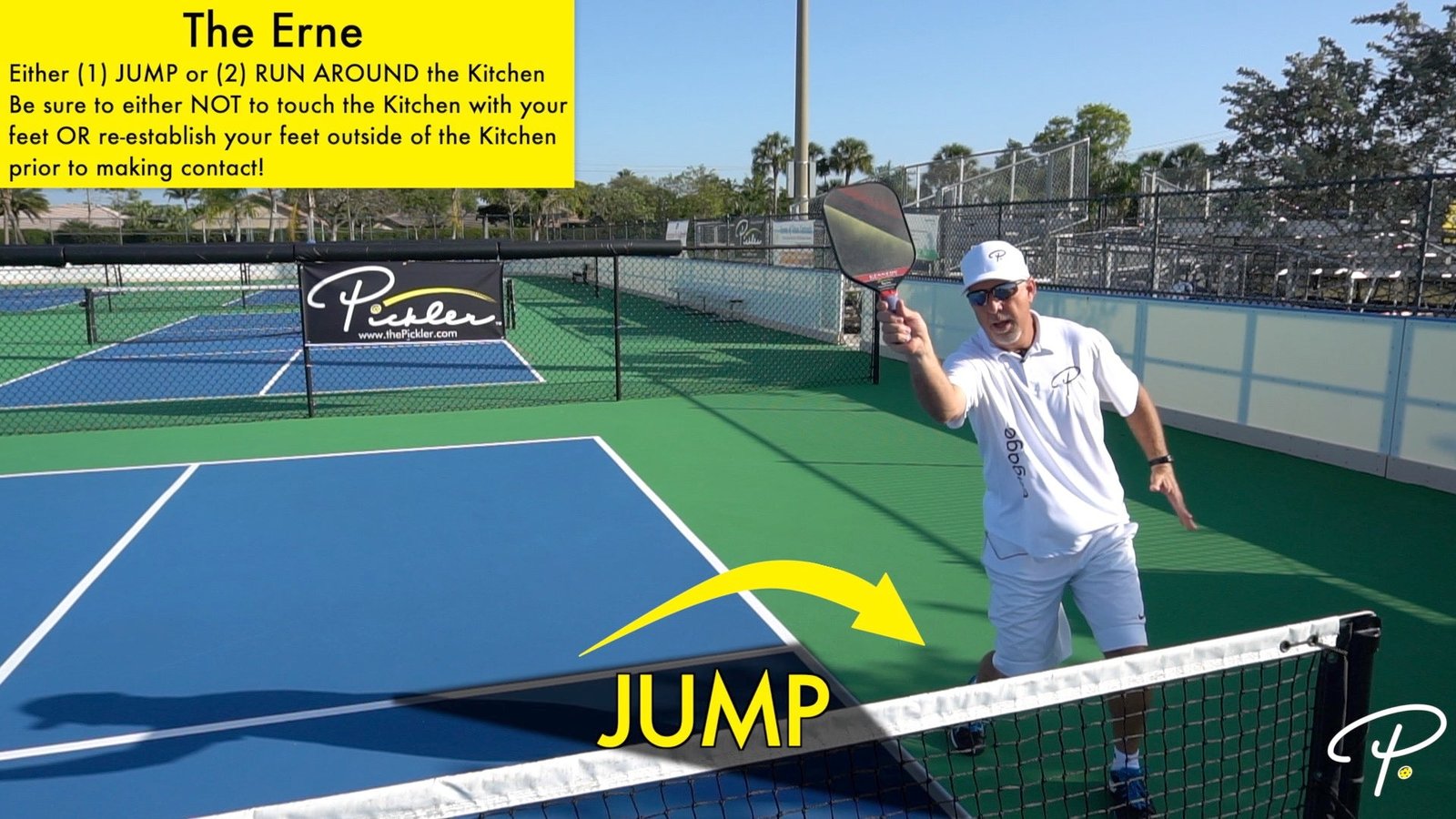
Ernie pickle ball is a friendly, high-performance approach to paddle, play, and community.
I’ve spent years playing and testing gear, and I’ll walk you through everything you need to know about ernie pickle ball. This guide explains what ernie pickle ball means, how the gear and techniques work, and practical tips I used to improve my game. Read on to learn gear picks, drills, mistakes to avoid, and how to bring ernie pickle ball into your routines with confidence.

Overview of ernie pickle ball
Ernie pickle ball is a practical, player-centered approach that blends smart gear choices and reliable on-court tactics. The phrase often describes a paddle model, a player style, or a friendly local play philosophy focused on consistency and fun.
People drawn to ernie pickle ball value control, placement, and teamwork over pure power. Whether you’re a beginner or a seasoned player, ernie pickle ball emphasizes simple mechanics, steady footwork, and reliable equipment that fits your style.

History and origins of ernie pickle ball
Pickleball itself has roots in the 1960s, but ernie pickle ball as a term grew informally among clubs and players. Some communities labeled a popular local paddle or a playstyle "ernie" to honor a coach or a standout player. Over time, the name stuck as shorthand for approachable, smart play.
This history makes ernie pickle ball flexible. It can mean a paddle with balanced specs, a steady tactics set, or the warm, welcoming vibe of many pickleball groups. That flexibility is part of its appeal.
Gear and equipment for ernie pickle ball
Choosing the right equipment matters for ernie pickle ball. The goal is consistent touch, good control, and comfort.
- Paddle attributes to look for
- Weight: 7.4–8.2 ounces helps balance power and control.
- Grip size: Match your hand to avoid wrist strain and improve control.
- Core material: Polymer cores offer a quieter, softer feel good for dinks.
- Face texture: Slight texture aids spin without sacrificing predictability.
- Ball and court considerations
- Indoor vs outdoor balls: Indoor balls feel softer and are slower. Outdoor balls are harder and bounce differently.
- Shoes and grip: Court shoes with lateral support reduce injury risk and improve movement.
- Accessories to consider
- Paddle covers and edge guards protect gear.
- Vibration dampeners can soften hard hits for comfort.
From my own testing, an ernie pickle ball setup favors a balanced paddle with a medium grip. That setup helped me control dinks and third-shot drops more consistently.

Techniques and playstyle in ernie pickle ball
Ernie pickle ball focuses on placement and consistency. The core techniques are simple but demand repetition.
- Serve and return
- Use a smooth, controlled serve to start the rally.
- Aim to place the return deep to force a weaker reply.
- Dinks and net play
- Keep the paddle face steady and use soft wrists for dinks.
- Focus on angles and patience rather than power.
- Third-shot drops and transition
- The third-shot drop is critical. Practice a short, low arc to safely reach the kitchen.
- Move forward after a successful drop and claim the net.
- Footwork and positioning
- Small, quick steps win points. Reset your stance after every shot.
- Communicate in doubles to avoid confusion.
When I adapted to ernie pickle ball tactics, I stopped trying to win every point with power. I began constructing points and letting opponents make errors. That shift improved my winning percentage quickly.
Training and drills for ernie pickle ball
Practiced routines make ernie pickle ball concepts real on the court. Simple, repeated drills yield fast improvements.
- Warm-up and control drills
- Short cross-court dinks for 5 minutes to build touch.
- Paddle-to-paddle control drill: both players tap gently for rhythm.
- Movement and footwork drills
- Side-step ladder drills to boost lateral quickness.
- Shadow dinking without a ball to rehearse posture and balance.
- Tactical drills
- Third-shot drop drill: server hits, passer practices drops repeatedly.
- Transition drill: drop, then two net exchanges to practice follow-up.
I recommend practicing drills in short blocks: 10–15 minutes focused work, then a 5-minute break. That rhythm kept my focus high and reduced fatigue during skill training.

Buying guide and reviews for ernie pickle ball gear
Buying the right gear for ernie pickle ball means balancing price, feel, and durability. Use these steps when shopping.
- Set priorities
- Control vs. power: prioritize control if you favor ernie pickle ball tactics.
- Comfort: pick a grip and weight that feel good for long sessions.
- Try before you buy
- Demo paddles at a club. Hands-on feel beats specs alone.
- Evaluate value
- Mid-range paddles often give the best blend of durability and performance.
- Read user reviews but treat them as one input among many.
From my experience, getting a comfortable paddle early saved money later. A well-chosen ernie pickle ball paddle prevented a long switch and improved my consistency quickly.
Common mistakes and tips for ernie pickle ball
Avoid these pitfalls to make faster progress with ernie pickle ball.
- Mistakes players make
- Over-hitting: swinging too hard on dinks and drops.
- Poor footwork: standing flat-footed and reaching.
- Ignoring grip size: leads to blisters or wrist pain.
- Practical tips
- Slow down rallies to practice control under pressure.
- Use video to review technique and spot recurring errors.
- Talk with partners about roles to avoid collision and confusion.
A big lesson I learned was to measure progress by fewer unforced errors, not by raw point totals. That change in mindset matched the ernie pickle ball emphasis on steadiness and placement.

Frequently Asked Questions of ernie pickle ball
What exactly does ernie pickle ball mean?
Ernie pickle ball usually refers to a friendly, control-focused approach to pickleball or a paddle style associated with that approach. It emphasizes placement, consistency, and comfort over sheer power.
Is ernie pickle ball good for beginners?
Yes. Ernie pickle ball principles are ideal for beginners because they prioritize simple mechanics, good footwork, and low-risk shot selection. Those basics help new players develop reliable habits.
What paddle specs suit ernie pickle ball?
Look for a balanced weight (7.4–8.2 oz), a comfortable grip, a polymer core, and a slightly textured face for spin. Prioritize control-oriented features over maximum power.
Can advanced players benefit from ernie pickle ball?
Absolutely. Advanced players can use ernie pickle ball tactics to refine placement, reduce unforced errors, and improve doubles teamwork. It often makes high-level play more consistent.
How do I practice ernie pickle ball at home?
Practice short control drills, shadow dinks, and footwork ladders. Use a wall for consistent returns and record practice sessions to spot technical issues.
Conclusion
Ernie pickle ball is about smart play, reliable gear, and steady improvement. Focus on control, practice the right drills, and pick equipment that fits your hand and your goals. Start small, track progress by reducing errors, and enjoy the process of getting better.
Take action: try one ernie pickle ball drill this week, test a demo paddle, or join a local session to see how the approach fits your game. Leave a comment to share your experiences or ask a question — I’d love to hear how ernie pickle ball changes your play.