The Friday pickleball paddle blends clean design with easy control for everyday play.
If you are considering a Friday pickleball paddle, you want clear answers and real advice. I have coached new and returning players who use this paddle on busy club courts, and I have tested setups across drills and open play. This guide dives into build, feel, value, and who it suits. By the end, you will know if the Friday pickleball paddle fits your style and how to get the most from it.

What is the Friday Pickleball Paddle?
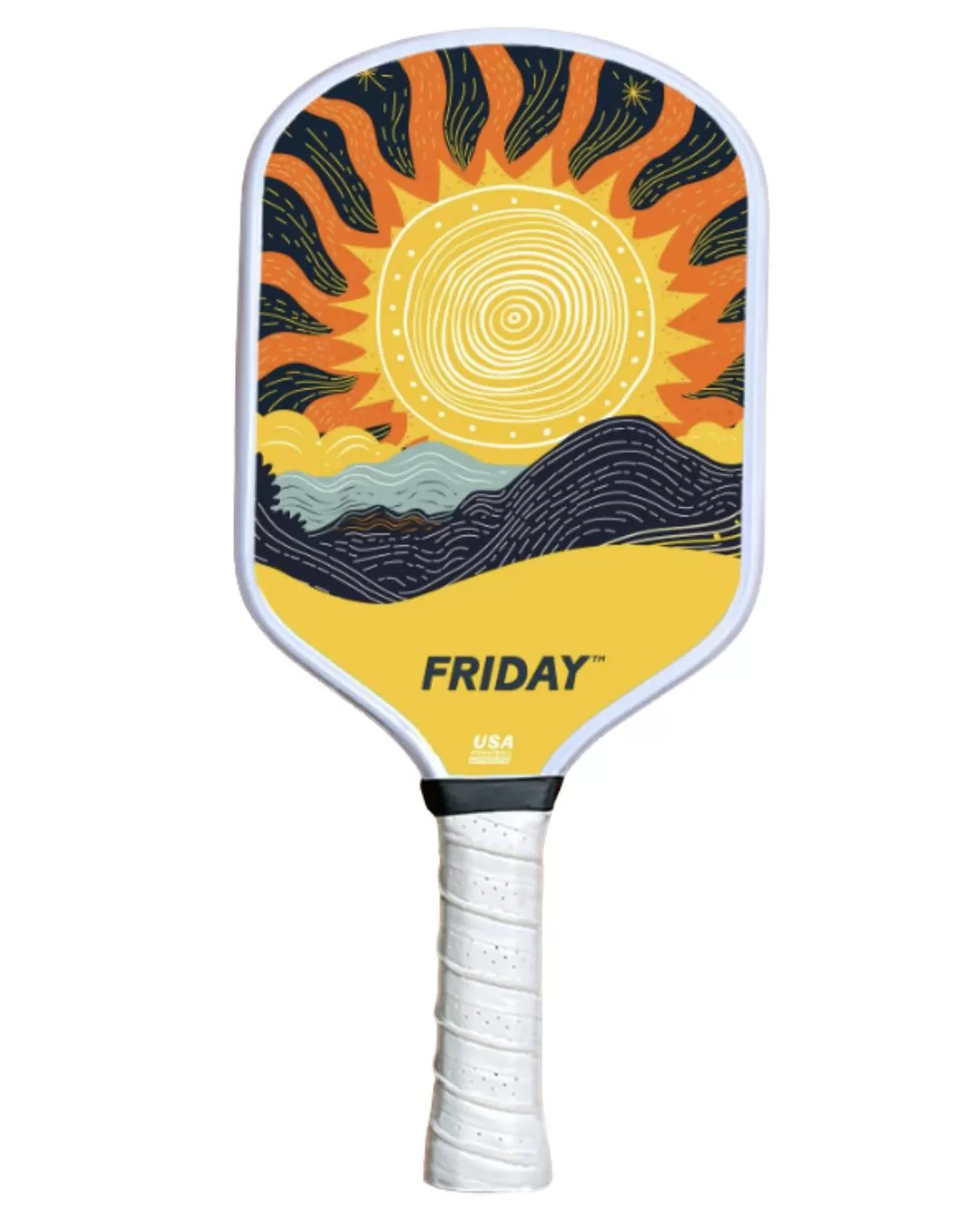
The Friday pickleball paddle is a lifestyle-forward, performance-ready paddle aimed at casual to intermediate players. Most models use a polymer honeycomb core with either a fiberglass face for pop or a textured carbon face for control and spin. The look is minimalist, the swing is friendly, and the learning curve is short.
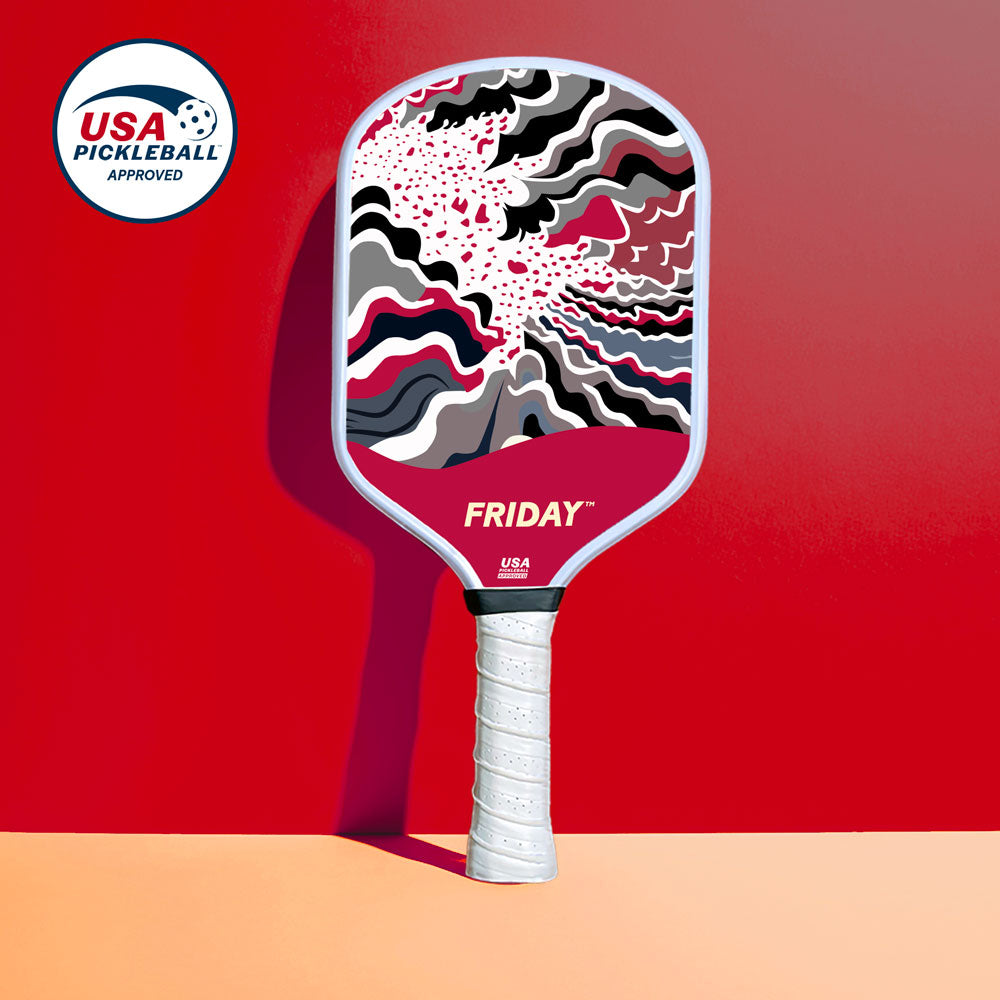
In plain terms, the Friday pickleball paddle is built to help you get consistent contact, keep the ball in, and enjoy Friday night games without fuss. It is not the most extreme power paddle, and that is a good thing for many players who want control and comfort. If you compete in sanctioned events, confirm the USA Pickleball approval mark on the specific model before you buy.
Key Specs and Materials to Know
Exact specs vary by model, but here is what you will likely see on a Friday pickleball paddle and why it matters:
- Weight range: About 7.6 to 8.2 oz. Lighter paddles swing fast. Heavier paddles add plow-through and stability.
- Core: Polypropylene honeycomb. This is the standard for a soft, quiet feel and shock absorption.
- Face material: Fiberglass for pop and easy depth; raw carbon fiber for spin and control.
- Thickness: Often 13 to 16 mm. Thicker paddles soften impact and raise dwell time for touch.
- Shape: Standard 16 by 8 inches. Good sweet spot and friendly reach for most players.
- Handle length: About 5.0 inches. Enough room for two-handed backhands on many models.
- Grip size: Around 4.125 to 4.25 inches. Fits many hands; easy to build up with an overgrip.
When you compare a Friday pickleball paddle to others, keep these specs in mind. Your comfort and stroke style should guide the choice.

Who the Friday Pickleball Paddle Fits Best
The Friday pickleball paddle works best for new and intermediate players who want balanced control with low shock. If you like to play doubles, block hard drives, and win with placement, this paddle can shine.
From my sessions, players with elbow or wrist soreness liked the softer impact of a thicker Friday pickleball paddle. Players with aggressive tennis swings preferred a slightly heavier setup to gain stability at the kitchen. If you are a raw power hitter, you may want to add lead tape or look at a stiffer, thermoformed option.

Performance: Power, Control, Spin, and Touch
I judge paddles on four simple areas. Here is how a well-built Friday pickleball paddle tends to feel.
- Power: Moderate. You can finish high balls, but it will not feel like a sledgehammer. Add a bit of weight at 3 and 9 o’clock to boost pace.
- Control: High. The paddle stays stable on blocks and counters if your contact is clean.
- Spin: Good if the face is textured carbon, fair if fiberglass is smooth. Use a relaxed swing path and brush the ball to raise RPMs.
- Touch: Strong. Soft dinks and drops land deep with less trampoline effect on thicker models.
During drills, the Friday pickleball paddle helped my groups hit third-shot drops with fewer errors. In live play, we could reset from the midcourt more often, which is gold in doubles.

Durability and Care Tips
A Friday pickleball paddle should last a long rec season with routine care. Any paddle can fail early from mishits on the edge, court rash, or trunk heat. Protect it and it will protect you.
- Use edge tape if you scrape courts or play near fences.
- Do not leave the paddle in a hot car. Heat can weaken the core and glue.
- Wipe the face with a damp cloth. A clean face grips the ball better for spin.
- Check the grip. Replace or add an overgrip when it gets slick or thin.
If you add lead tape, press it down well and seal it with edge tape. This prevents peeling and keeps your Friday pickleball paddle tidy.

How It Compares to Popular Alternatives
If you are weighing a Friday pickleball paddle against bigger names, think about your goals.
- Versus raw carbon “spin” paddles: Friday is more forgiving and often softer. You get fewer mishits, but peak spin can be lower unless the face is raw carbon.
- Versus stiff thermoformed power paddles: Friday is easier on the joints and better for control. Those power frames can hit harder but demand clean timing.
- Versus budget fiberglass paddles: Friday usually wins on build feel and balance. Cheaper fiberglass can feel too springy and less stable on blocks.
For many club players, the Friday pickleball paddle hits the sweet spot: easy control, nice feel, clean looks, and fair price.

Buying Guide: Price, Warranty, and Value
Price for a Friday pickleball paddle often falls in a friendly range. Expect mid-tier pricing that undercuts some marquee pro frames.
- Typical price: Often around 60 to 130 dollars, depending on face and core.
- Warranty: Many brands offer 60 to 180 days. Check the seller’s policy before purchase.
- Value check: Look for USA Pickleball approval, a protective cover, and clear return terms.
If you play twice a week and want a paddle that feels good from day one, the Friday pickleball paddle is strong value. If you are chasing every edge in spin and speed-ups, a premium thermoformed frame could be worth the extra cost.
Setups and Customization That Work
You can tune a Friday pickleball paddle with simple tweaks. Small changes make a big difference.
- Overgrip: Adds tack and comfort. Also bumps grip size by about 1/16 inch.
- Lead tape: Start with 2 to 4 grams at 3 and 9. Add 1 to 2 grams at 12 for power.
- Edge tape: Protects the rim and locks in the lead.
- Vibration dampening: A thicker grip wrap can cut harsh feel without changing balance too much.
Test one change at a time and log how it plays. This keeps your Friday pickleball paddle predictable and helps you learn what your swing likes.

Real-World Test Notes and Simple Drills
Here is how I test a Friday pickleball paddle with students in one session. It takes about 25 minutes and tells us a lot.
- Warm-up dinks, forehand and backhand, cross-court for two minutes each.
- Third-shot drops from both sides. Aim deep kitchen middle. Count clean landings out of 20.
- Drive and block: One player drives from midcourt, the other blocks down to feet.
- Speed-up ladder at the kitchen. Start slow, then add pace. Track forced errors.
In my notes, the Friday pickleball paddle helped reduce pop-ups in the kitchen and raised drop consistency by a few points. Blocks stayed lower, which set up counters. This is what many club players need most.
Common Mistakes to Avoid
Many issues are easy to fix. Watch for these traps with your Friday pickleball paddle.
- Over-swinging: Let the paddle do the work. Smooth swings win points.
- Wrong grip size: If your forearm aches, your grip may be too small. Add an overgrip.
- No weight tuning: A gram or two can calm wobble. Test small changes first.
- Ignoring approval: If you plan to play sanctioned events, confirm approval for your model.
- Heat damage: Do not store in hot cars or near heaters. It shortens paddle life.
A little care and smart setup go a long way in getting the most out of the Friday pickleball paddle.
Frequently Asked Questions of friday pickleball paddle
Is the Friday pickleball paddle good for beginners?
Yes. It offers a friendly sweet spot and a soft feel that helps control. Most new players find drops and dinks easier to learn.
Can I generate good spin with a Friday pickleball paddle?
If your model has a textured carbon face, spin is solid. Brush the ball and keep the paddle path relaxed for best results.
How long does a Friday pickleball paddle last?
With normal play and basic care, many paddles last a season or more. Avoid heat and court scrapes to extend life.
What grip size should I choose?
Most adults do well with about 4.25 inches. If in doubt, go smaller and add an overgrip to fine-tune.
Is the Friday pickleball paddle approved for tournaments?
Approval varies by model. Check for the USA Pickleball seal on the paddle or the brand’s listing.
What weight should I pick for doubles?
Midweight around 7.8 to 8.2 oz is a safe bet. It balances fast hands with enough stability for blocks.
How do I add a bit more power without losing control?
Add 1 to 2 grams of lead at 12 o’clock. Test in small steps and keep your swing smooth.
Conclusion
The Friday pickleball paddle stands out for comfort, control, and easy play. It shines in drops, dinks, and blocks, and it welcomes upgrades like overgrips and a touch of lead. For club nights and rec play, it is a smart, low-stress pick.
Try a simple setup, keep notes during drills, and adjust in small steps. That is how you turn a good Friday pickleball paddle into your best Friday pickleball paddle. If this helped, explore more gear guides, subscribe for updates, or share your questions so we can dial in your next paddle together.