
A full size pickleball court measures 20 feet by 44 feet for singles and doubles play.
As a player, coach, and facilities planner, I’ve measured, painted, and played on dozens of courts. This guide breaks down everything you need to know about a full size pickleball court — from exact dimensions and surface choices to costs, lighting, and DIY tips. Expect clear specs, real-world advice, and step-by-step direction you can use to build, convert, or maintain a court that meets official standards.
Official dimensions and layout
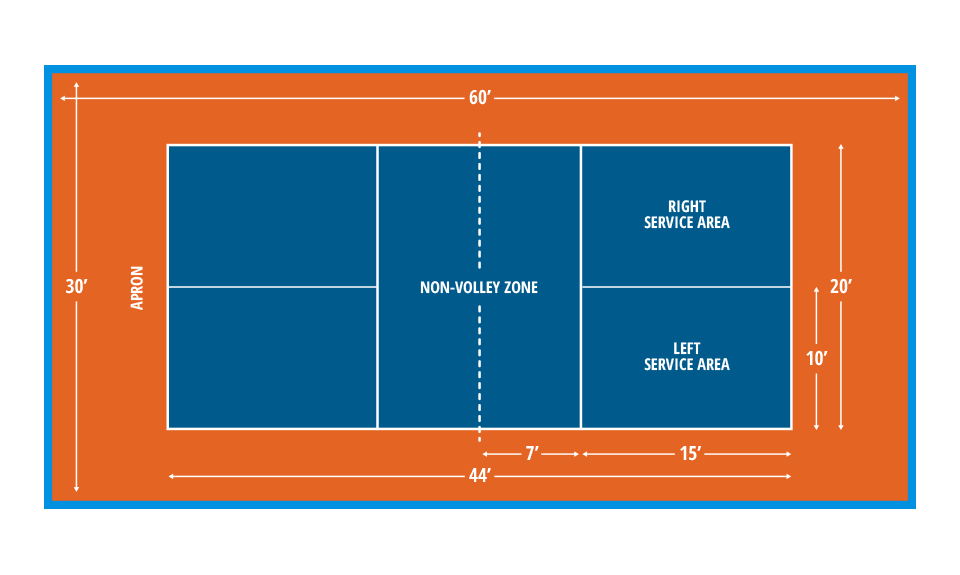
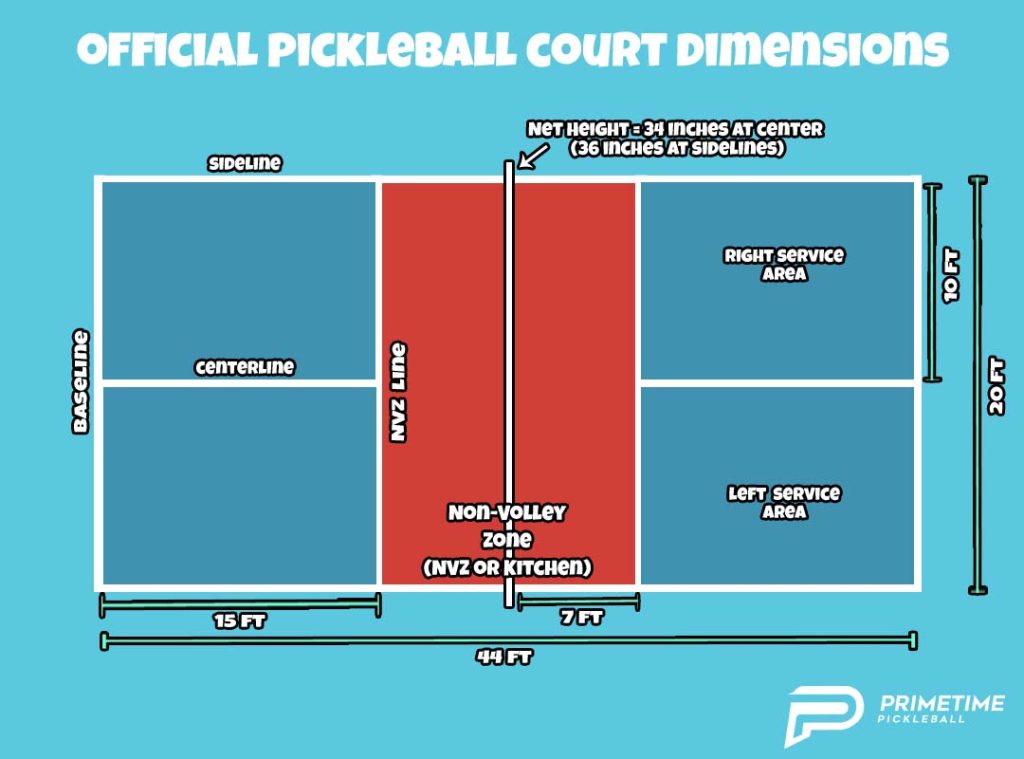
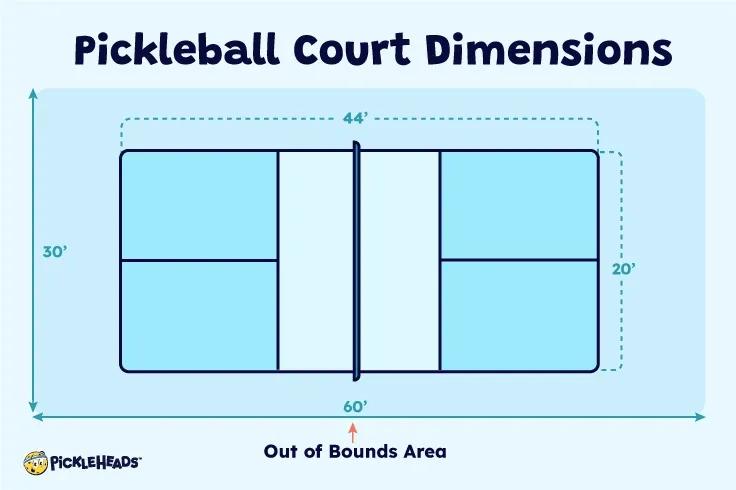
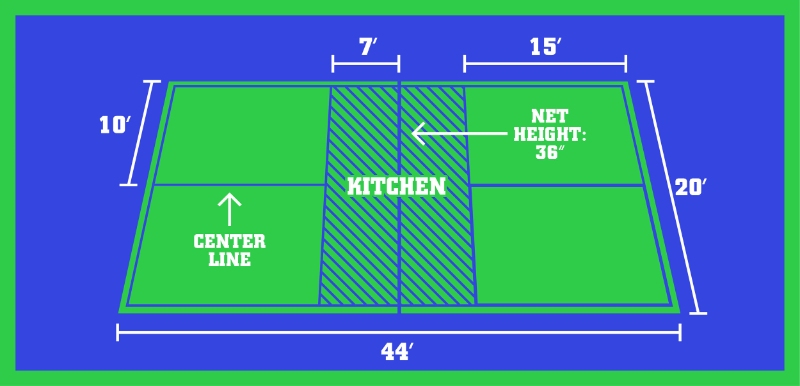
A full size pickleball court is 20 feet wide and 44 feet long for both singles and doubles. The playing area includes the baseline, sideline, and the non-volley zone. The non-volley zone, known as the kitchen, runs 7 feet from the net on each side.
Key measurements:
- Court width: 20 feet.
- Court length: 44 feet.
- Non-volley zone depth: 7 feet each side.
- Net height at center: 34 inches.
- Net height at posts: 36 inches.
Lines are part of the playing area. Lines should be between 2 and 4 inches wide for visibility. Governing rules set these dimensions for competition and public play. When setting up a full size pickleball court, follow these specs exactly to ensure fair play and safe sizing.
Surface types, materials, and markings
Surface choice affects play, safety, and maintenance. Common surfaces include asphalt, concrete, and cushioned acrylic. Each has pros and cons.
Surface options:
- Concrete: Durable and flat. Needs crack repair and can be hard on joints.
- Asphalt: Slightly softer than concrete. Prone to more surface wear.
- Cushioned acrylic: Adds shock absorption and grip. Best for joints and play comfort.
- Portable modular tiles: Fast to install and replace. Good for temporary or multi-use spaces.
Marking the court:
- Use high-contrast paint. White or yellow is common.
- Lines should be crisp and durable.
- Ensure the kitchen and service areas are clearly marked.
A well-chosen surface improves safety and play. I prefer cushioned acrylic when budget allows. It cuts joint strain and lasts well under regular play.

Net, posts, and equipment standards
Proper net and post setup matters for play quality. The net must be 36 inches high at the posts and 34 inches at the center. Posts sit outside the sidelines to keep lines clear.
Equipment checklist:
- Official net with height adjusters.
- Sturdy posts anchored to the court.
- Tape measure and level for setup.
- Boundary and centerline paint or tape.
Small details matter. Use a wind tie or bottom cable to keep the net stable. On one build, I learned to check net height before every event. A slightly low net changes the whole game.

Building a full size pickleball court: steps and costs
Building a full size pickleball court involves planning, groundwork, and finishing. Costs vary by location, surface, and extras like fencing or lighting.
Basic build steps:
- Site selection and permits.
- Excavation and base preparation.
- Lay concrete or asphalt.
- Apply surface coating (if used).
- Paint lines and install nets, posts, and fencing.
- Add lighting and amenities.
Cost factors:
- Surface type: concrete and asphalt are cheaper than cushioned acrylic.
- Labor and local rates.
- Lighting and fencing add to cost.
- Drainage and grading increase prep costs.
Typical cost ranges (approximate):
- Basic asphalt or concrete court: moderate cost.
- Cushioned acrylic finish: higher cost per court.
- Lighting and high fence: additional investment.
In my projects, an entry-level full size pickleball court conversion cost far less than building new from scratch. Always get multiple bids and check references.
Lighting, fencing, and accessibility
Good lighting extends play time and safety. Fencing defines the space and keeps balls contained. Accessibility ensures everyone can use the court.
Lighting tips:
- Aim for even light across the court.
- Use fixtures 20 to 30 feet high for reduced glare.
- Consider LED fixtures for efficiency and lifespan.
Fencing recommendations:
- Height: 8 to 10 feet is common for public courts.
- Gate placement to allow easy access.
- Windbreaks if the location is exposed.
Accessibility and safety:
- Leave clear paths to entrances.
- Provide accessible parking near courts.
- Use non-slip surfaces and ramps where needed.
I helped plan courts near a community center. Adding a low ramp and clear signage made the court friendly to players of all ages.
Maintenance and care
Regular maintenance keeps a full size pickleball court safe and playable. A simple schedule prevents costly repairs.
Routine tasks:
- Sweep debris and clean the surface weekly.
- Check for and fill cracks promptly.
- Repaint lines as needed, typically every few years.
- Inspect nets, posts, and fencing for wear.
Seasonal care:
- Address drainage before rainy seasons.
- Store removable nets during severe storms.
- Check and retighten lighting fixtures annually.
A small maintenance budget and weekly checks save money. I once extended a court’s life by fixing small cracks early. That tiny effort avoided a major resurfacing.

Converting a tennis court or shared space
Converting a tennis court can be a cost-effective way to get full size pickleball court play. A tennis court can host multiple pickleball layouts with proper markings.
Conversion tips:
- A tennis court is 36 feet by 78 feet. It can fit two side-by-side full size pickleball courts or four cross-court layouts.
- Use removable or permanent paint for lines.
- Temporary nets work for casual play; permanent posts are better long-term.
Design considerations:
- Keep net posts outside pickleball lines.
- Add extra signage if sharing time with tennis.
- Consider surface re-coating for optimal pickleball bounce.
I’ve converted several tennis courts. The best conversions included clear scheduling and high-quality paint. Players appreciated the marked courts and felt the investment was worthwhile.
Personal experience and practical tips
From years of play and planning, a few practical tips stand out. They will save you time and money.
Lessons I learned:
- Measure twice, paint once. Small mis-measures lead to wasted time.
- Invest in a good net. A quality net improves feel and lasts longer.
- Plan for drainage. Water damage is the most common long-term problem.
- Start with one court and expand if demand grows.
Mistakes to avoid:
- Skipping a proper base layer under the surface.
- Using low-quality paint for lines.
- Ignoring local rules about lighting or permits.
These tips come from real builds and community programs I’ve run. A mindful approach leads to a court that players love.
Frequently Asked Questions of full size pickleball court
What are the exact dimensions of a full size pickleball court?
A full size pickleball court measures 20 feet wide by 44 feet long. The kitchen extends 7 feet from the net on each side, and net height is 34 inches at center.
Can you fit two full size pickleball courts on a tennis court?
Yes. A standard tennis court can usually fit two side-by-side full size pickleball courts or four cross-court setups with proper layout and markings.
What is the best surface for a full size pickleball court?
Cushioned acrylic provides comfort and reduced joint strain, while concrete and asphalt offer durability. Budget and play level guide the final choice.
How much does it cost to build a full size pickleball court?
Costs vary widely by location and surface. Expect a basic court to cost thousands, while premium surfaces and lighting add significantly more.
Do full size pickleball courts need permits?
Often yes. Local rules differ, so check with your city or county before building. Permits are commonly required for new pavement, fencing, or lighting.
Conclusion
A full size pickleball court gives players a consistent, official space to enjoy the game. Know the dimensions, choose the right surface, plan for lighting and drainage, and keep up with maintenance. Start with clear goals and budget, and consider converting existing spaces to save costs. If you build thoughtfully, your court will bring years of fun and health benefits.
Ready to plan your court? Share your site details, ask a question below, or subscribe for more guides and checklists.