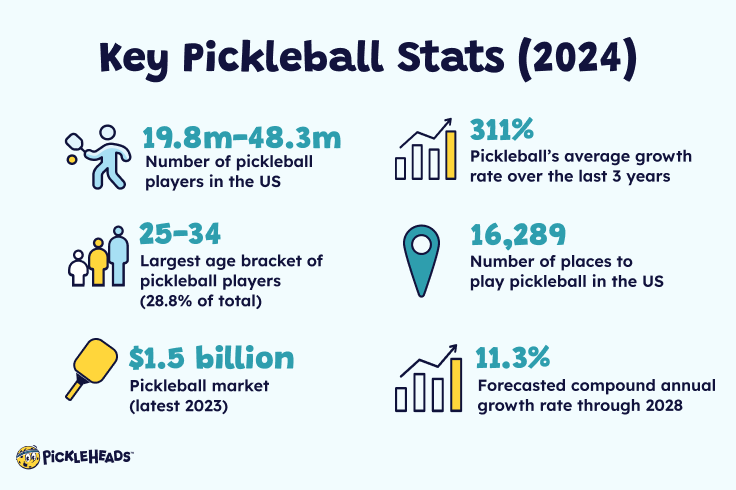
Pickleball's growth is fueled by its simple rules, social atmosphere, and appeal to players of all ages.
Have you noticed the unmistakable thwack-thwack sound taking over local parks and community centers? That's the sound of the fastest-growing sport in America. As someone who has spent countless hours on the court, I've witnessed this explosion firsthand, seeing tennis courts transform and new communities form around this wonderfully addictive game. If you're curious about the incredible growth of pickleball and why it is popular, you've come to the right place. We're about to dive deep into the factors behind this phenomenon, from its simple beginnings to its current cultural takeover.
The Meteoric Rise: A Look at the Numbers
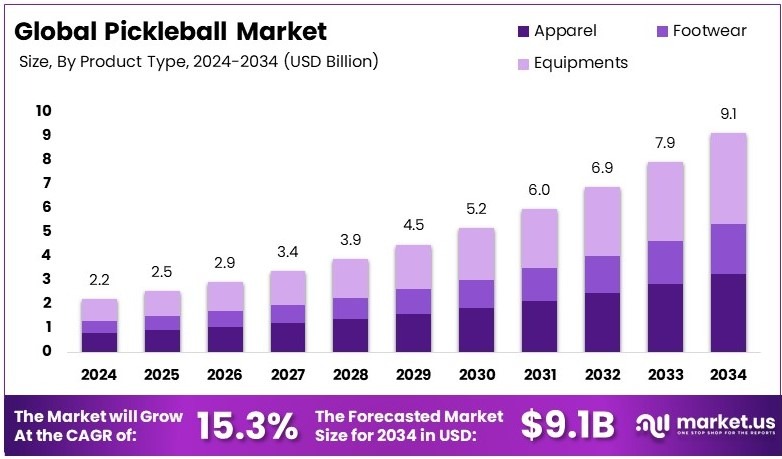
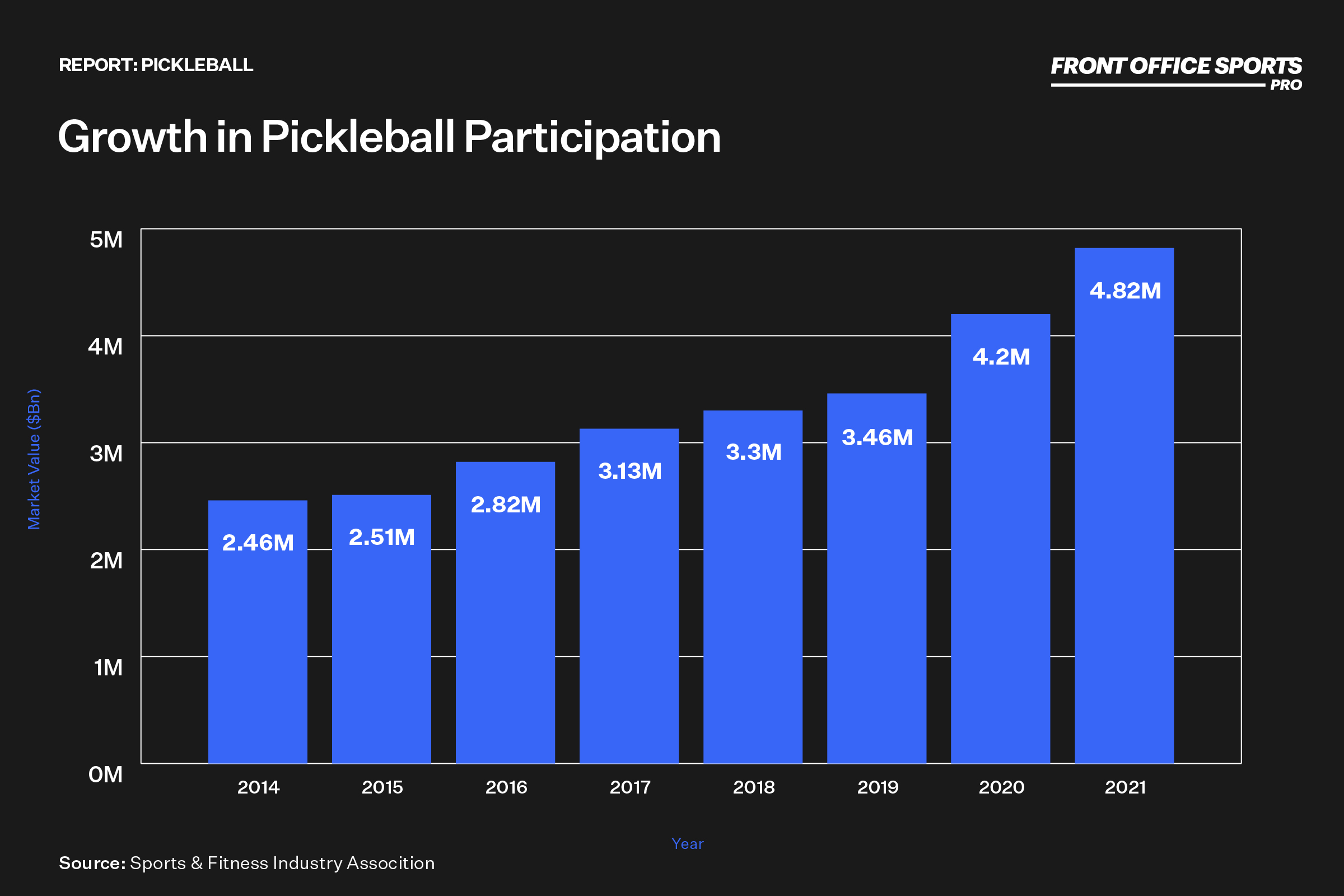
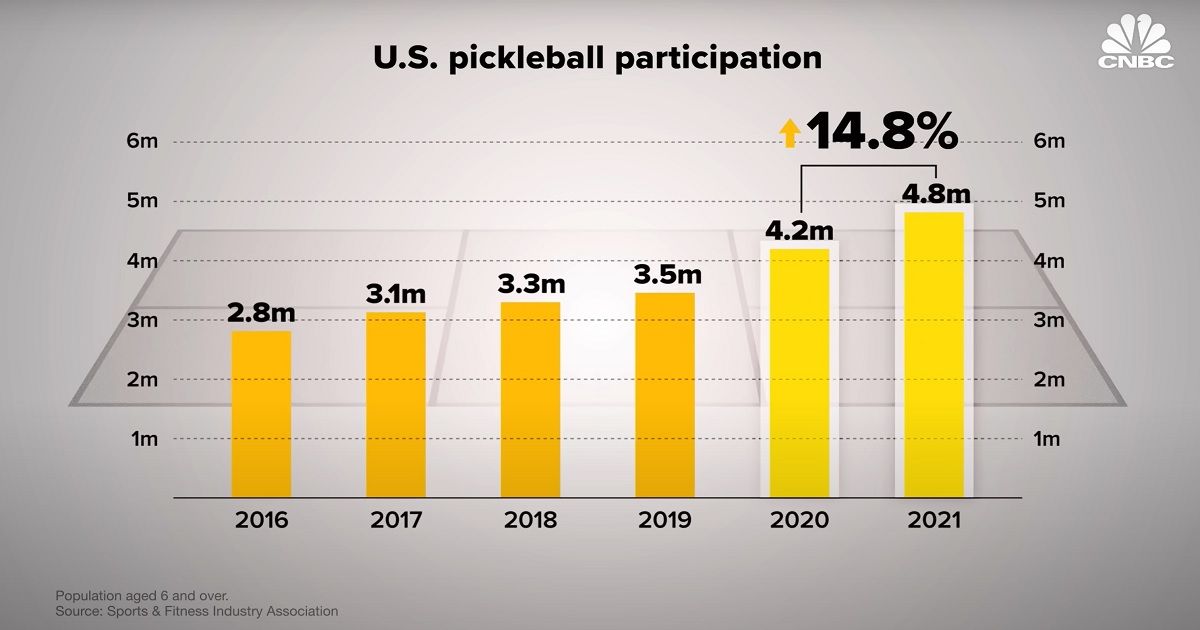
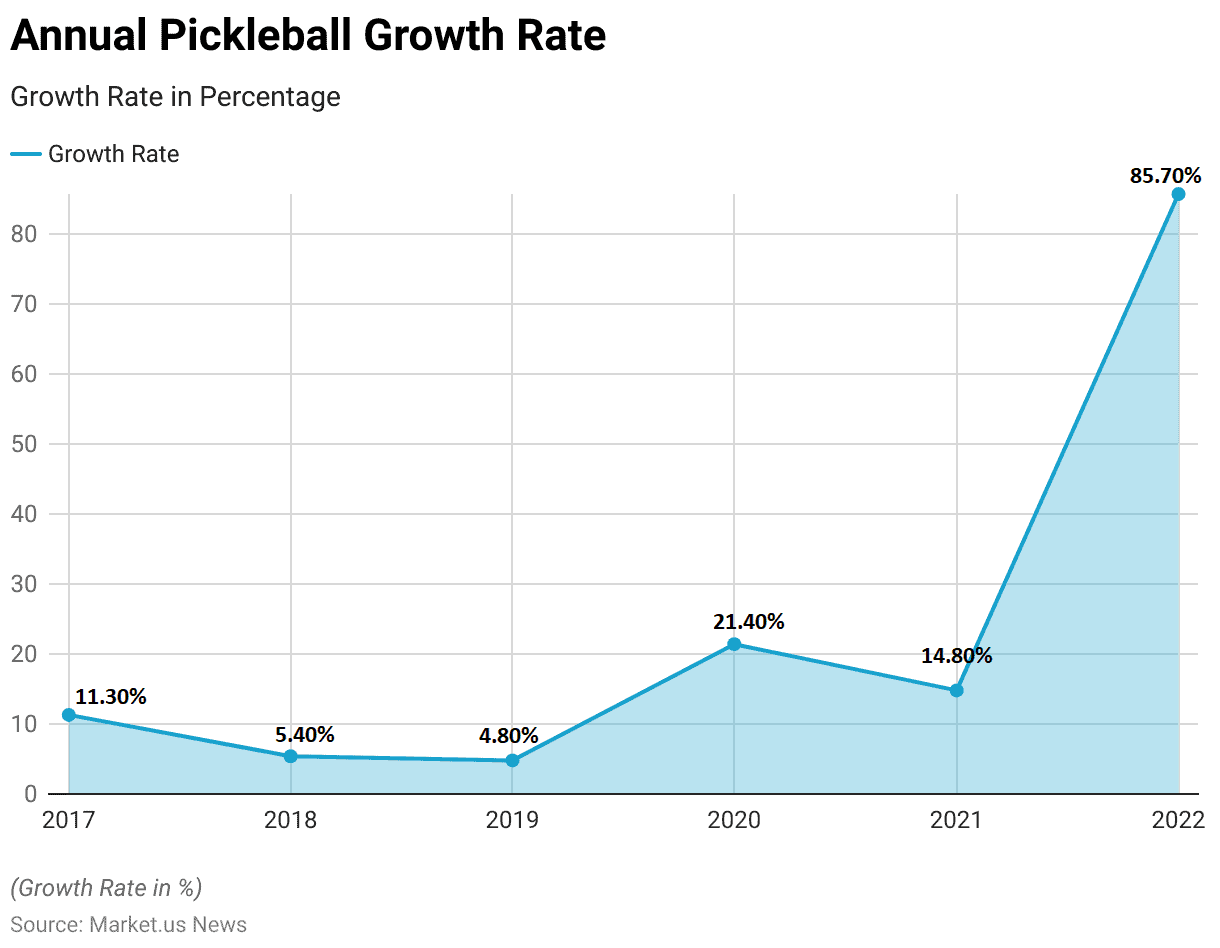
The story of pickleball's growth isn't just about feeling; it's backed by some truly staggering numbers. In just a few short years, the sport has gone from a niche hobby to a mainstream sensation. Participation has skyrocketed, with millions of new players picking up a paddle each year. Reports show a triple-digit percentage increase in players, making it the fastest-growing sport for several consecutive years.
This isn't just a fleeting trend. The expansion is visible everywhere. Dedicated pickleball courts are popping up in parks, new indoor facilities are opening their doors, and even sports retailers are expanding their pickleball sections. This rapid development is a clear testament to the sustained growth of pickleball and why it is popular with such a diverse audience. It's a movement that has captured the attention of communities, investors, and athletes alike.
Why is Pickleball So Popular? The Core Ingredients
So, what is the secret sauce behind this craze? The answer isn't a single thing but a perfect combination of factors that make the sport uniquely appealing. The remarkable growth of pickleball and why it is popular comes down to a few core ingredients that create an experience unlike any other sport.
A Low Barrier to Entry
Unlike sports that require years of lessons to become proficient, you can learn the basics of pickleball in about 20 minutes. The court is smaller than a tennis court, meaning less ground to cover. The paddles are lightweight, and the plastic ball moves slower than a tennis ball, making rallies easier to sustain. I've personally introduced dozens of friends to the game, and nearly all of them are having fun and engaging in real points within their very first session.
The Social Connection
Pickleball is an inherently social game. The smaller court size means you are closer to your opponents, allowing for friendly banter and conversation between points. Doubles is the most common way to play, which fosters teamwork and camaraderie. Walk up to any public court, and you’ll likely find a welcoming group ready to rotate you into a game. This friendly, community-first atmosphere is a huge driver behind the growth of pickleball and why it is popular among people looking to connect.
Fun for All Ages and Fitness Levels
One of the most beautiful things about pickleball is its intergenerational appeal. It's not uncommon to see a teenager playing with their grandparent. Because the game is less about raw power and more about strategy and placement, it levels the playing field. It provides excellent low-impact exercise, making it a safe and enjoyable activity for seniors, while still being fast-paced and competitive enough to challenge younger, more athletic players. This wide appeal is central to understanding pickleball's popularity.
Affordability and Accessibility
Getting started in pickleball won't break the bank. A starter set with two paddles and a few balls can be found for a very reasonable price. As the sport has grown, so has the availability of courts. Many towns are converting underused tennis courts into multiple pickleball courts, making it easier than ever to find a place to play. This ease of access removes a major hurdle that often keeps people from trying new sports.
The Cultural Impact of the Pickleball Boom
Pickleball is quickly becoming more than just a game; it's a cultural phenomenon. This shift from a recreational activity to a cultural touchstone has significantly fueled the growth of pickleball and why it is popular in the mainstream. We're seeing celebrities and top-tier athletes like Tom Brady and LeBron James investing in professional pickleball teams, bringing a new level of media attention and legitimacy to the sport.
This spotlight has a ripple effect. Major sports networks are now broadcasting professional tournaments, and pickleball-themed apparel and lifestyle brands are emerging. On a local level, I've watched my own community park transform. What was once a quiet set of tennis courts is now a vibrant hub of activity from morning until night, filled with the sounds of laughter and competition. This cultural integration ensures that pickleball's popularity is not just a fad but a lasting part of our social and athletic landscape.

From a Backyard Game to a Global Phenomenon
To truly appreciate the growth of pickleball and why it is popular today, it helps to know its humble origins. The game was invented in 1965 on Bainbridge Island, Washington, by three fathers trying to create a new game to entertain their bored children. Using table tennis paddles, a perforated plastic ball, and a badminton net, they created a game that was instantly fun and accessible.
For decades, pickleball remained a well-kept secret, spreading slowly through word-of-mouth in communities, particularly in retirement areas. However, in the last decade, something shifted. The game's inherent qualities of being easy to learn, social, and fun for everyone finally reached a critical mass. This grassroots journey from a simple backyard solution to a global sport is a key part of its charm and a driving force behind its authentic, community-driven expansion.
Frequently Asked Questions of growth of pickleball and why it is popular
Why is pickleball growing so fast?
Pickleball is growing rapidly because it is easy for beginners to learn, it fosters a strong sense of community, and it can be played by people of all ages and fitness levels. Its low equipment cost and increasing court availability also make it highly accessible.
Is pickleball easier than tennis?
Yes, for most people, pickleball is easier to learn and play than tennis. The smaller court, slower ball speed, and underhand serve create a much gentler learning curve, allowing new players to enjoy rallies almost immediately.
What age group plays pickleball the most?
While pickleball is famous for its popularity among seniors, the fastest-growing demographic of players is actually under the age of 35. The sport's core player base is getting younger as more people discover its fun and competitive nature.
Can I play pickleball if I'm not very athletic?
Absolutely! One of the best things about pickleball is that it can be played at many different intensity levels. It can be a casual, social game or a fast-paced, highly competitive match, making it suitable for nearly any athletic ability.
How did pickleball get its name?
The most common story is that it was named after the creators' family dog, Pickles, who would chase the balls and run off with them. Another version suggests it was named after the "pickle boat" in crew, which is filled with leftover oarsmen from other boats.
Conclusion
The amazing story of pickleball's rise is a testament to the power of simplicity, community, and pure fun. The core reasons behind the growth of pickleball and why it is popular are clear: it welcomes everyone, regardless of age or athletic skill, into a social and active lifestyle. It breaks down barriers and builds connections in a way few other activities can.
If you've been watching from the sidelines, now is the perfect time to join the fun. Grab a friend, find a local court, and experience for yourself why millions have fallen in love with this game. You might just find your new favorite hobby.
What are your thoughts on pickleball's incredible growth? Share your own experiences or ask a question in the comments below