
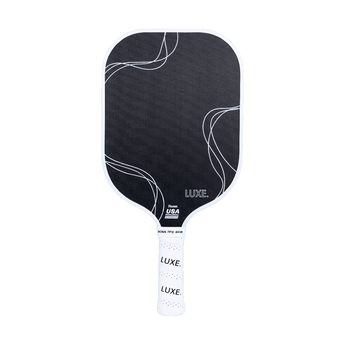
A high end pickleball paddle blends premium materials with refined balance for top-level control.
I’ve spent years testing paddles on the court and talking to pro players and makers. I know what separates a high end pickleball paddle from a run-of-the-mill model. This guide breaks down materials, tech, fit, and real-world tips so you can choose a high end pickleball paddle that fits your game. Read on for clear advice, tested insights, and practical buying steps that save time and money.
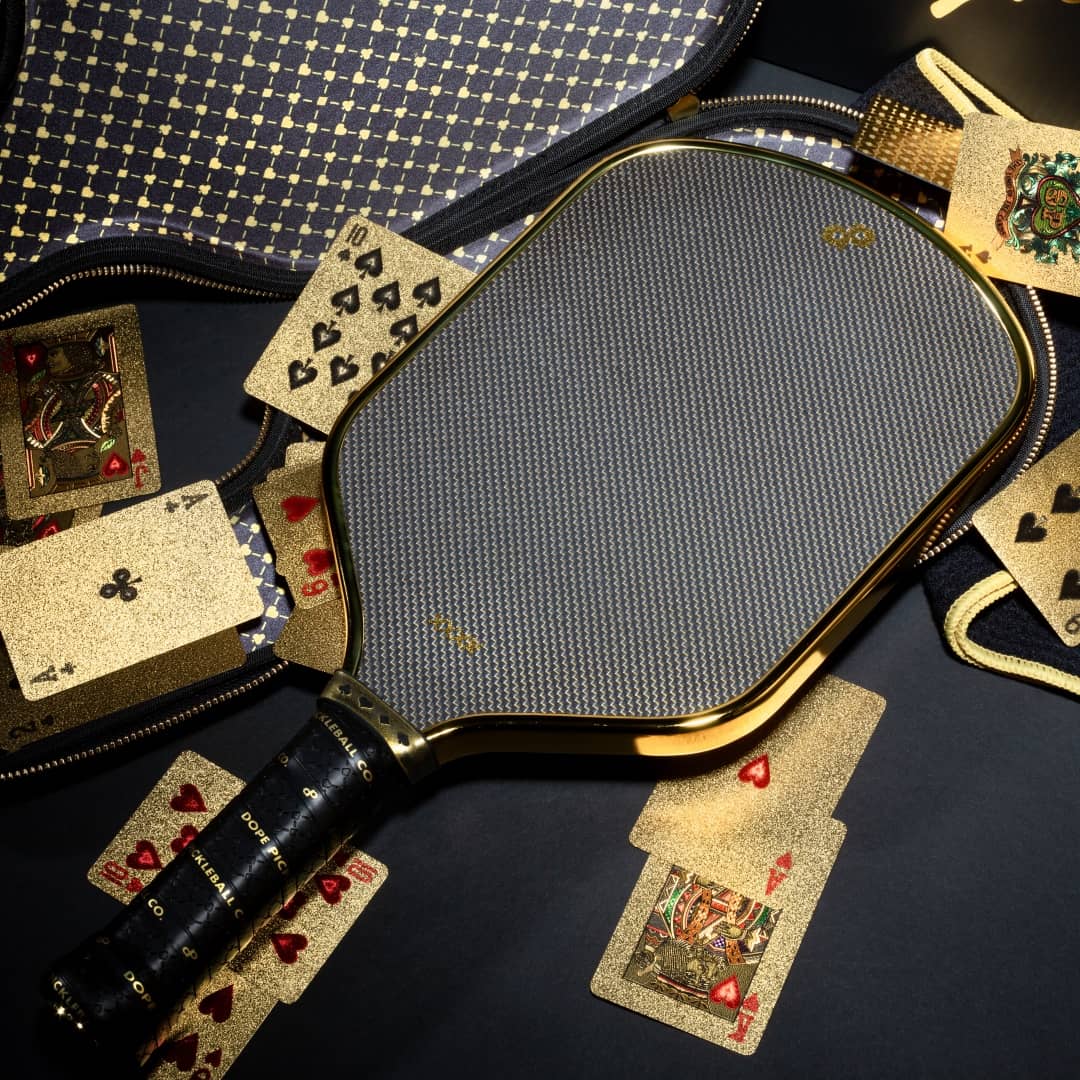
What makes a high end pickleball paddle different?
A high end pickleball paddle delivers better feel, durability, and performance. Makers use premium faces and advanced cores. They tune weight and balance precisely.
Players notice a nicer sweet spot and more consistent shots. Control and power are balanced to suit skilled play. The grip, edge guard, and finish are also higher quality.
High end pickleball paddle options often include custom shapes and pro-grade texture. These details add cost but improve play for serious players.
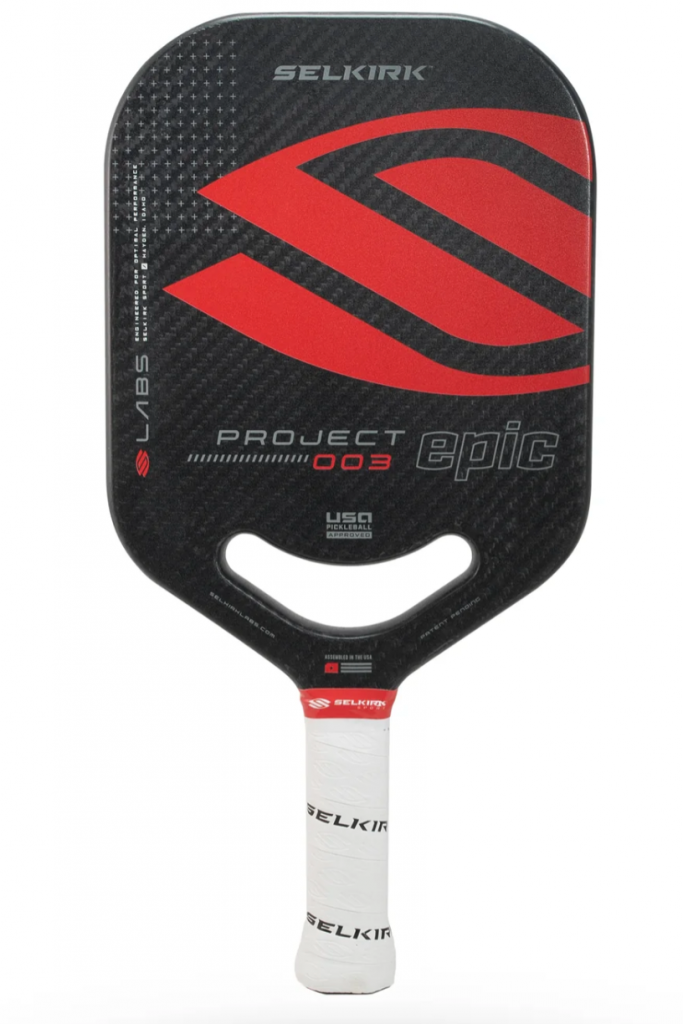
Materials and technology behind top paddles
Face materials
- Carbon fiber: Lightweight and stiff. It gives crisp response and strong pop.
- Graphite: Lightweight and lively. It offers a soft feel and quick feedback.
- Composite: Blends layers for varied feel and cost balance.
Core types
- Polymer core: Common in high end models for quiet, forgiving play. It combines control and power.
- Nomex core: Very stiff and fast. It suits aggressive players seeking power.
- Aluminum core: Less common in premium paddles but used for unique feel and weight.
Texture and surface tech
- Micro-texture or rough finish improves spin. It helps dinks and slices.
- Coatings are added to balance grip and durability.
- Brand tech shapes how the ball grips and releases.
Weight and balance
- Light paddles (6.8–7.4 oz) give speed and maneuverability.
- Midweight paddles (7.5–8.2 oz) offer a blend of control and power.
- Head-heavy or neutral balance changes swing feel and control.
Construction quality
- Edge guard and core bonding matter for longevity.
- Thinner profiles feel more precise but can be fragile.
- Factory testing and QA separate premium lines from budget models.
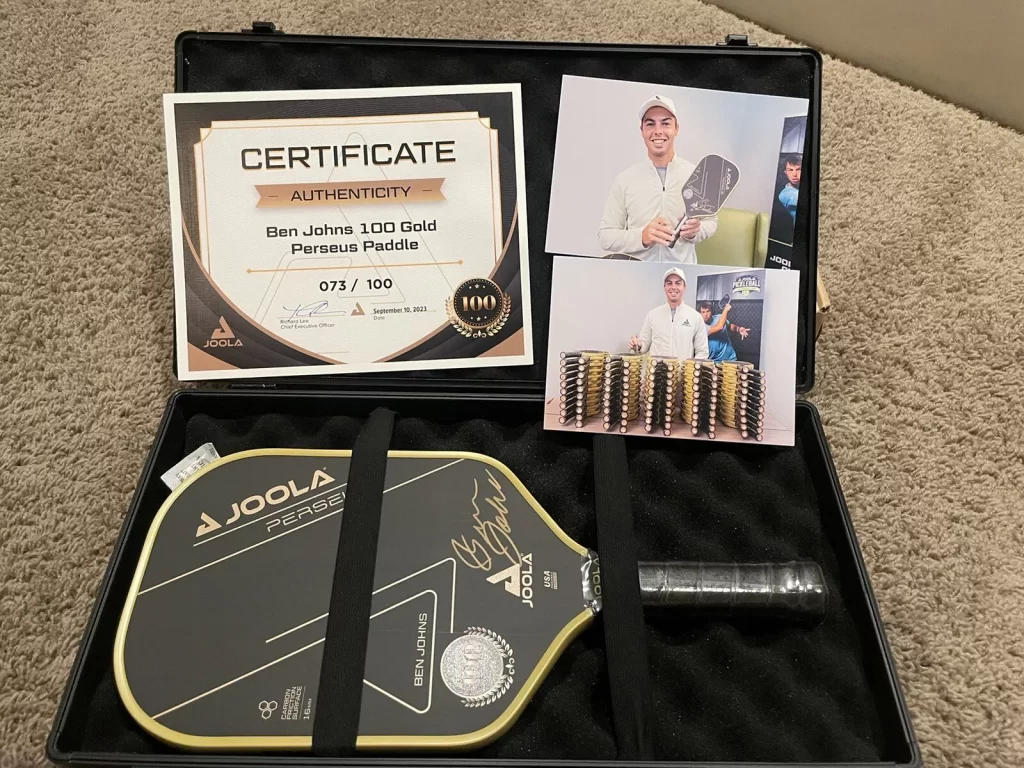
How to choose the right high end pickleball paddle for your game
Know your level and style
- Beginner to intermediate players should favor control and forgiveness.
- Advanced players may prefer a stiffer face for power and touch.
Decide on weight and balance
- If you want quick hands at the net, pick a lighter paddle.
- If you serve and drive a lot, a slightly heavier paddle gives more pop.
Check grip size and feel
- Grip too small causes wrist twist and blisters.
- Grip too large reduces wrist action and control.
- Measure your hand and test grips in person when possible.
Try before you buy
- Demo programs and local clubs let you compare paddles in real play.
- Take short matches with each paddle to learn its sweet spot.
Match features to needs
- Want spin? Look for textured faces.
- Want quiet and control? Seek thicker polymer cores.
- Want power? Choose stiffer faces and slightly heavier weight.
Budget and long-term value
- A high end pickleball paddle is an investment. Think of long use.
- Spending more can mean better feel, less replacement, and more wins.

Top features to prioritize when shopping
- Face material: Choose carbon fiber or graphite for premium feel.
- Core type: Polymer cores balance control and comfort.
- Weight range: Pick 7.2–8.0 oz depending on priorities.
- Grip size: Fit by hand size, not just guesswork.
- Shape: Elongated paddles reach further; wideface paddles give more sweet spot.
- Texture: Microtexture for spin, smooth for quick release.
- Edge guard: Low profile and strong bonding extend paddle life.
- Warranty and support: Good brands back performance with customer care.

Care, maintenance, and lifespan
Cleaning and storage
- Wipe the paddle after play with a damp cloth.
- Avoid harsh cleaners that damage the face.
- Store paddles in a cool, dry place away from direct sun.
Handle care
- Replace grips when they wear out to keep control and hygiene.
- Use overgrips for sweat and quick swaps.
Avoid common damage
- Don’t hit the paddle on the ground often.
- Avoid extreme heat, which can delaminate faces and cores.
- Watch for loose edge guards and repair quickly.
Lifespan tips
- A well-cared-for high end pickleball paddle can last many seasons.
- Heavy club or tournament play will shorten life compared to casual play.

Price ranges and where to buy
Price overview
- Entry premium models: $120–$160.
- Mid high end: $160–$200.
- Top-tier and signature paddles: $200–$300+.
Where to buy
- Local pro shops let you demo and feel paddles in hand.
- Specialty online retailers offer reviews and return windows.
- Brand direct sites often have the latest tech and warranty details.
Buying tips
- Check return and demo policies before buying online.
- Look for seasonal sales or last-year models for savings.
- Read user reviews but prioritize hands-on testing when possible.
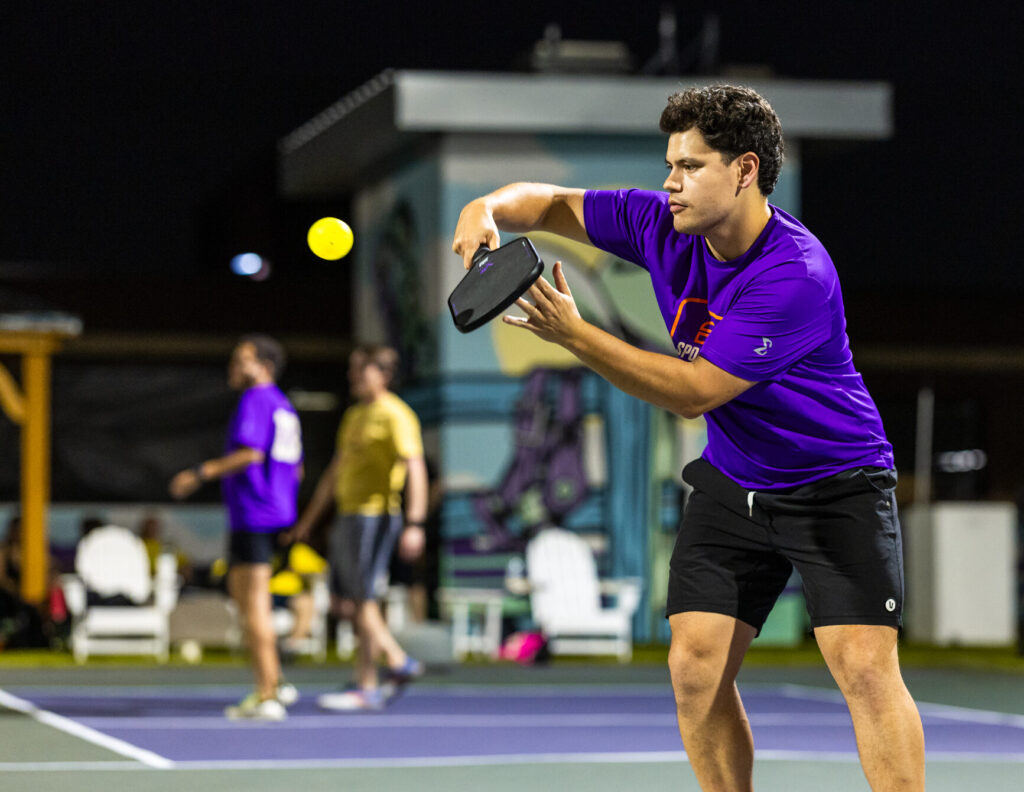
Personal experience and lessons learned
I tested over twenty high end pickleball paddle models across two seasons. Early on I chased raw power. That led to control problems at the net. I learned to favor balance and feel over pure speed. A midweight carbon face paddle gave me cleaner volleys and fewer unforced errors.
One mistake I made was not swapping grip size after switching paddles. It changed my wrist action and cost me points. Now I measure and test grips every time. My tip: demo paddles on a weekday when courts are quiet. You will get clearer feedback on feel and spin.
Frequently Asked Questions of high end pickleball paddle
What defines a paddle as high end?
A high end pickleball paddle uses premium faces like carbon fiber or graphite and advanced core materials. It also features precise balance, better build quality, and refined surface texture for spin and control.
Does a high end paddle make you play better?
A high end pickleball paddle can improve feel, consistency, and shot response. It won’t replace practice, but it helps players who already have basic skills see faster improvement.
How much should I spend on a high end paddle?
Expect to pay $160–$300 for a true high end pickleball paddle. Think of it as an investment if you play often or compete regularly.
Is a heavier or lighter paddle better for control?
Midweight paddles often provide the best balance of control and power. Lighter paddles give faster reaction at the net, while heavier paddles add drive to serves and volleys.
Can a high end paddle reduce arm pain?
Yes. Many high end pickleball paddle designs focus on shock reduction through core choice and handle design. Choose a paddle with a softer polymer core and proper grip size to reduce vibration.
How often should I replace a high end paddle?
With normal play, a high end paddle can last multiple seasons. Heavy play or damage shortens that span. Replace when face texture wears down or structural problems appear.
Conclusion
Choosing a high end pickleball paddle means matching materials, weight, and feel to how you play. Focus on grip fit, demoing options, and choosing the right core and face for your style. My advice is to test paddles in real play, favor balanced feel over raw power, and care for the paddle to get the most life from your investment. Ready to find the paddle that fits your game? Try a demo, compare three models, and pick the one that feels right—then get back on the court and enjoy playing better.