
Serve underhand, hit below waist, strike diagonally into the opposite service court from behind the baseline.
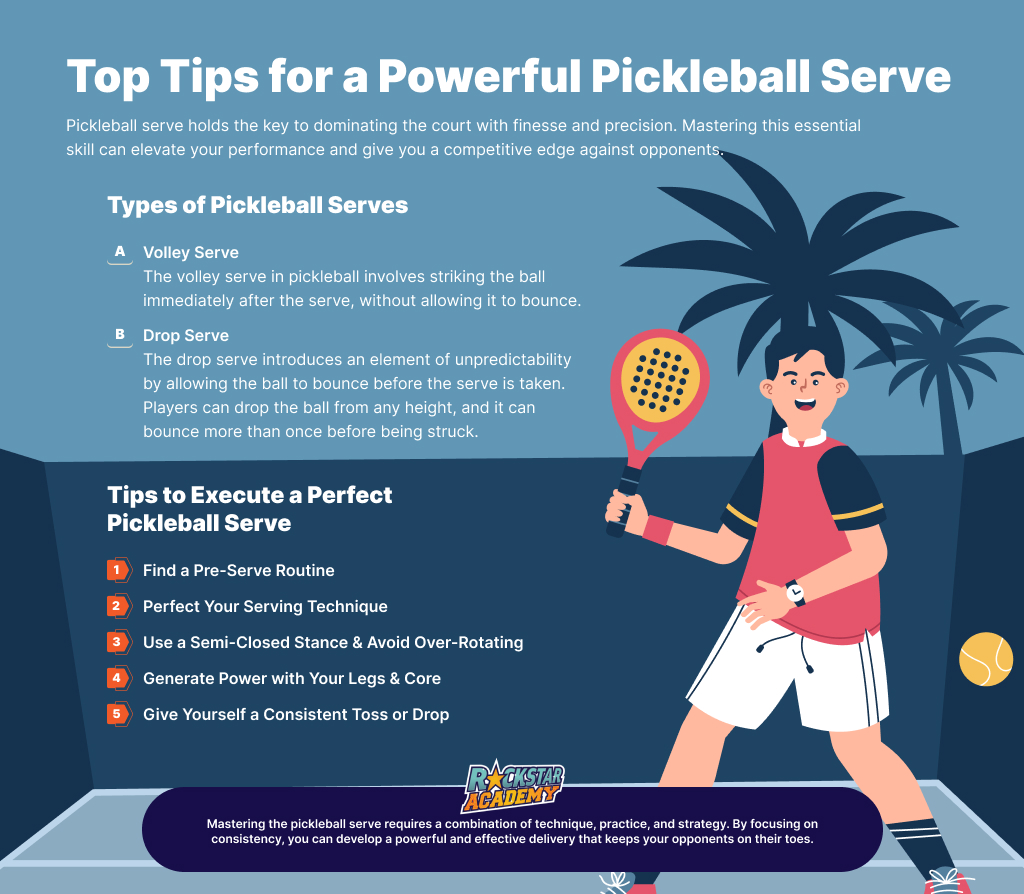
I’ve taught and played pickleball for years, and I’ll walk you through exactly how do you serve in pickleball with clear steps, rules, tips, and drills. This guide breaks down the serve into simple parts: stance, contact, placement, and strategy. You’ll learn the official rules and practical cues that work on the court. Read on to master the serve and build confident points from the start.
Basics of the pickleball serve
A good serve starts with the right mindset and a solid routine. Knowing how do you serve in pickleball means starting low, staying balanced, and hitting diagonally into the correct service box. The serve must be underhand. The paddle must contact the ball below your waist. Your feet must be behind the baseline when you hit. These simple rules keep your serve legal and reliable.
Why the serve matters
- Sets the tone for the point and can force weak returns.
- Gives you a chance to control court position early.
- A consistent serve reduces unforced errors in matches.
Personal note: I found that a short pre-serve routine calms my nerves and keeps the toss consistent. After a few matches, the routine felt automatic, and my serve became a dependable weapon.
Rules and court positioning
Understanding rules helps you avoid faults and start points strong. When learning how do you serve in pickleball, keep these rules front and center.
Key rules
- Serve must be made underhand with paddle below the waist on contact.
- Server must hit diagonally into the opponent’s service court.
- Ball must clear the non-volley zone (kitchen) line on a serve.
- Only one serve attempt is allowed after the initial fault, except in the case of a let in some recreational play.
- Both feet must be behind the baseline at contact.
Positioning tips
- Stand just behind the baseline, about shoulder-width from the center line.
- Aim for the far corner of the diagonal service box to stretch the returner.
- In doubles, communicate with your partner about serve placement to set up the point.

Step-by-step serving technique
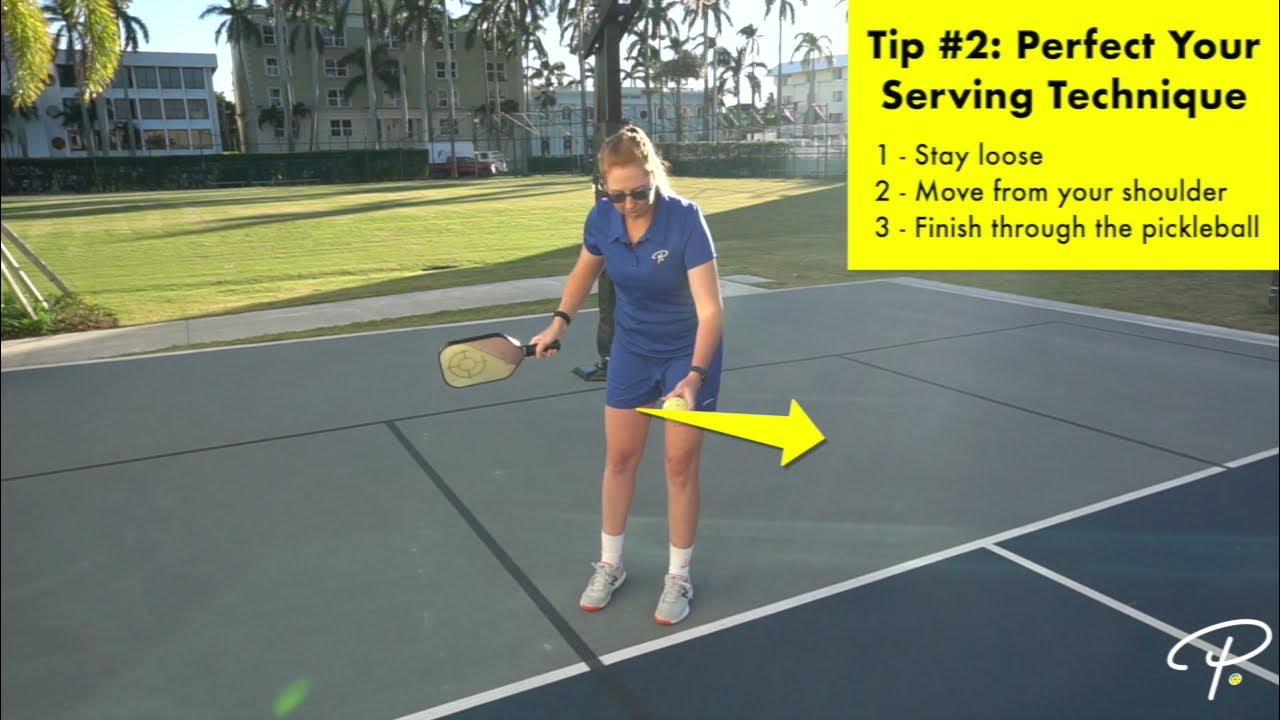
Follow a clear sequence to make your serve repeatable and legal. If you’re asking how do you serve in pickleball, follow these steps.
- Setup
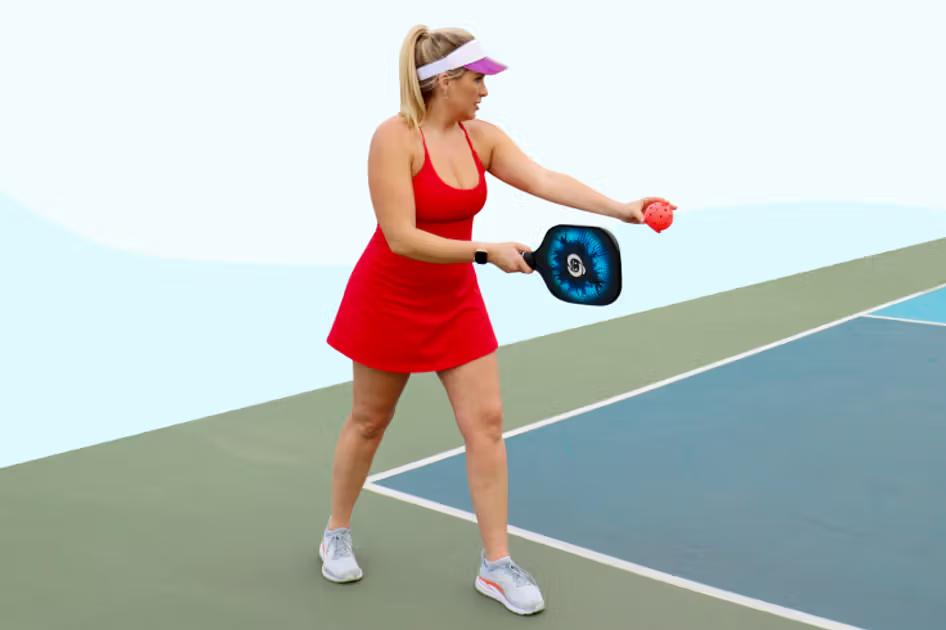
- Stand behind the baseline and face the net.
- Hold the paddle with a continental or eastern grip.
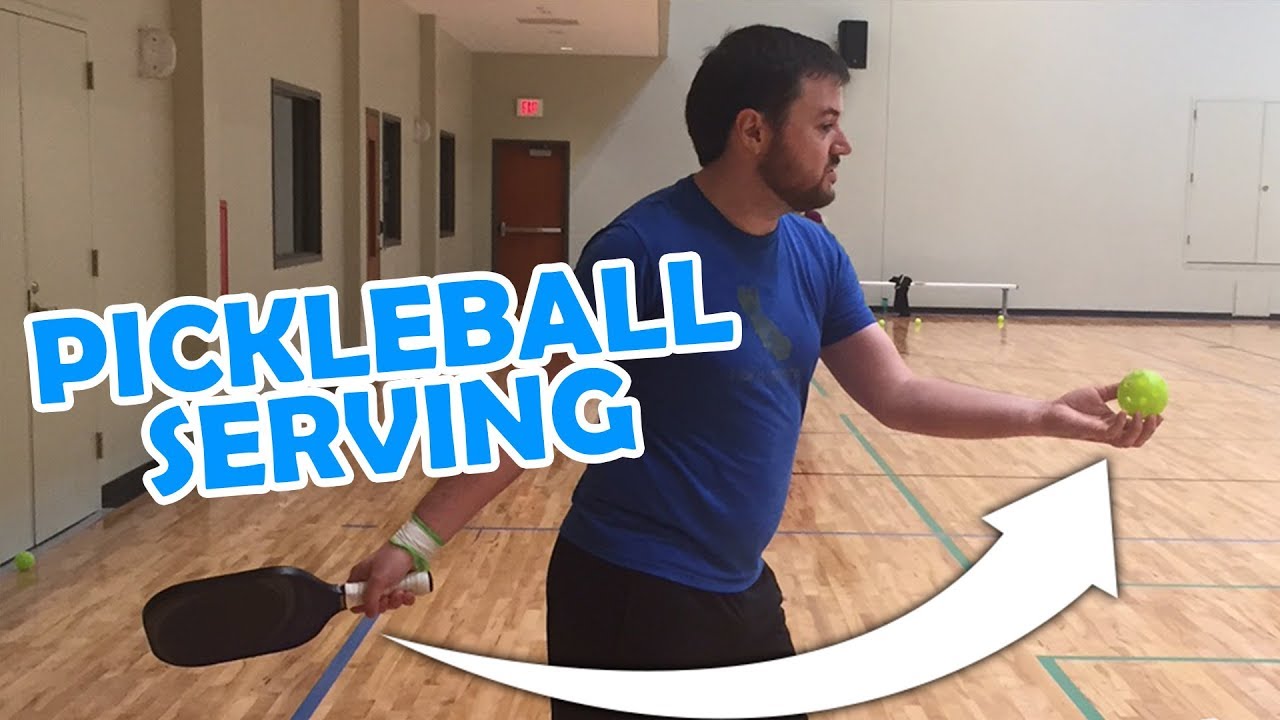
- Hold the ball in your non-paddle hand at about waist height.
- Toss and swing
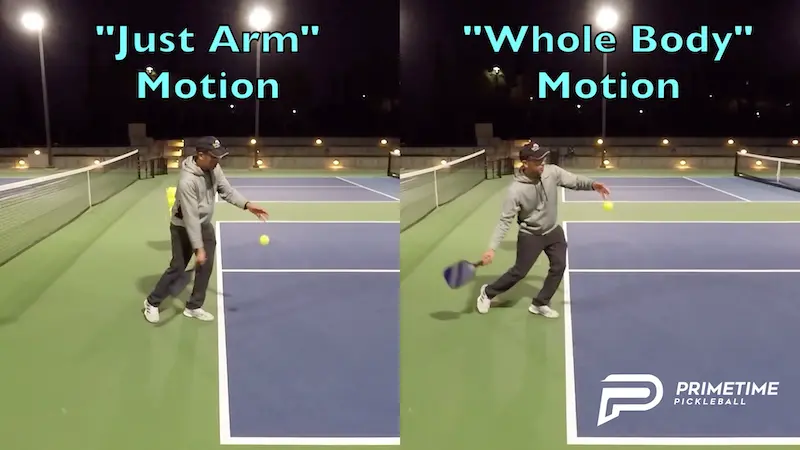
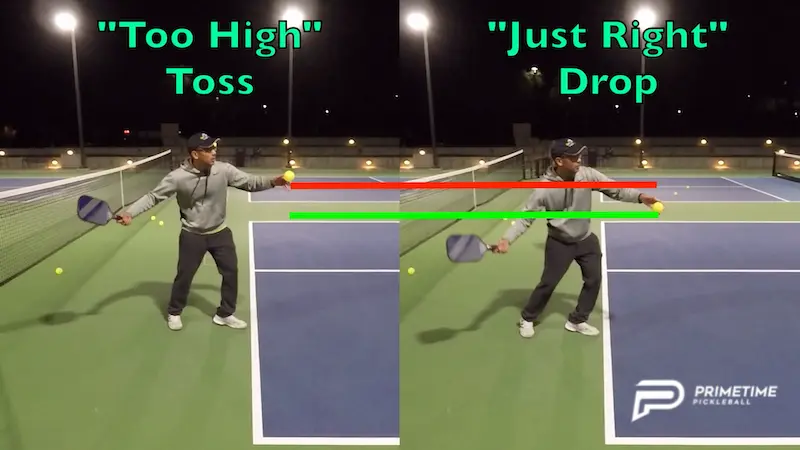
- Drop or gently toss the ball a few inches; keep it low and controlled.
- Step forward with your lead foot as you swing.
- Swing the paddle in an upward arc and contact the ball below the waist.
- Follow-through and recovery
- Aim to follow through toward your target to control direction.
- Recover quickly and move toward the kitchen line or a ready position.
- Watch your opponent’s return and be ready to react.
Practice cue: Count “one-two” in your head—“one” as you drop the ball, “two” as you strike. That simple cadence helped me sync my footwork and swing.
Common serve types and strategy
Once you know how do you serve in pickleball, you can add variety to disrupt your opponent. Here are reliable serves and their uses.
Serve types
- Deep serve
- Aims near the baseline of the opponent.
- Forces a backward return and gives you time to move forward.
- Short serve
- Lands closer to the kitchen line.
- Can surprise opponents but is risky if it lands in the kitchen.
- Angle serve
- Targets the wide corner of the diagonal box.
- Opens up the court for the next shot.
- Soft or spin serve
- Uses slice or spin to make returns awkward.
- Works well against aggressive returners.
Strategy tips
- Mix serves to prevent predictability.
- Use a deep serve to push opponents back, then move forward.
- Target weaker or slower players on the receiving side.
Practice drills and tips
Drills build muscle memory for how do you serve in pickleball. Short, focused practice beats long, random hitting.
Drill 1: Corner targeting
- Place cones in the far corners of the service box.
- Serve 20 balls, trying to hit cones alternately.
- Track your hit rate and aim for improvement.
Drill 2: Rhythm and toss
- Practice 50 toss-and-hit repetitions without aiming.
- Focus on keeping the contact point below the waist.
- Maintain the same toss height and foot pattern.
Drill 3: Serve-and-volley pattern
- Serve deep, then step forward and practice the third shot transition.
- Work with a partner who returns consistently.
- Practice moving quickly to the kitchen line after a serve.
Tip: Record a few serves on your phone. Watching slow-motion contact helps you correct paddle angle and toss timing.

Mistakes to avoid
Learning common errors speeds progress when figuring out how do you serve in pickleball. Watch for these pitfalls.
Frequent faults
- Tossing the ball too high and contacting it above the waist.
- Stepping on or over the baseline before contact.
- Serving into the non-volley zone (kitchen).
- Telegraphed serves from poor ball toss or body cues.
Fixes
- Keep toss low and consistent.
- Pause briefly to reset feet before serving.
- Use a simple pre-serve routine to mask intent.
Personal warning: Early on I tried to power every serve. That led to many faults. Slowing down and focusing on placement produced better match results.
Equipment and grip
Right gear and a stable grip help you learn how do you serve in pickleball faster.
Paddle choice
- Softer paddles offer more touch for short or spin serves.
- Firmer paddles give more pop for deep serves.
Grip basics
- Continental grip works well for most serves and volleys.
- Hold the paddle lightly. Too tight reduces feel and increases errors.
Shoes and footing
- Use court shoes with good lateral support.
- Avoid running shoes with high heels; they can hamper sudden moves.
Frequently Asked Questions of how do you serve in pickleball
What is the legal way to serve in pickleball?
A legal serve is underhand, with paddle contact below the waist. The ball must be hit diagonally and clear the non-volley zone line.
Can I jump when I serve in pickleball?
No. You must have at least one foot behind the baseline at the moment of contact, so jumping during contact is not allowed.
Do I get a second serve if I fault?
Pickleball uses one serve attempt per point. If you fault, the serve is lost to the opponent in singles or to the next server in doubles.
Where should I aim my serve to be most effective?
Aim deep to push your opponent back or angle to the far corner to open the court. Mixing depth and angle keeps opponents off balance.
How do I practice a consistent serve?
Use short, focused drills that repeat the toss and contact. Record yourself and use cones to target corners for measurable progress.
Conclusion
Mastering how do you serve in pickleball takes rule knowledge, a simple technique, and steady practice. Start with the legal underhand motion, focus on placement, and build a short pre-serve routine. Mix serve types and drill regularly to make the serve a strength. Now take one idea from this guide—practice a consistent toss, aim for the diagonal corner, or record your serve—and try it in your next session. If this helped, subscribe for more tips or leave a comment with your serving questions.