
Pickleball is easy to start but becomes quite challenging as you progress to competitive play.
I’ve played and coached pickleball for years, so I know exactly what people mean when they ask how hard is pickleball. This article breaks down the difficulty at every level, explains the physical and mental demands, and gives practical tips from real experience to help you improve faster. Read on to learn what makes pickleball feel easy for some and tough for others, and get clear steps to move forward no matter your starting point.

Why people ask "how hard is pickleball"
Many newcomers wonder how hard is pickleball because it looks simple on video. The court is small and rules are basic, so beginners often pick it up quickly. Yet players hit a performance wall where technique, positioning, and strategy matter a lot. Understanding those layers explains why the sport feels easy at first and hard later.
:max_bytes(150000):strip_icc()/how-to-play-pickleball-tips-for-getting-started-5119213_final-bf80f980ffce4deca59039e2d83a1a1a.png)
Key factors that determine how hard is pickleball
Several things shape how hard is pickleball for any player.
- Physical fitness: Good balance, quick feet, and core strength make the game easier and reduce injury risk.
- Hand-eye coordination: Consistent contact and soft touch at the net require steady coordination.
- Technique: Proper paddle grip, swing path, and footwork turn common shots into reliable weapons.
- Strategy and court sense: Decisions about where to stand and when to attack separate beginner play from advanced play.
- Doubles teamwork: Communication, court coverage, and partner habits add complexity.
- Practice and coaching: Focused drills and feedback speed learning and lower the perceived difficulty.
- Age and mobility: Older players may find movement harder, but smart play and positioning can compensate.

How hard is pickleball to learn: realistic timeline
Beginners often ask how hard is pickleball to learn and want timelines. Here’s a simple progression based on my coaching experience.
- First week: You can learn basic rules, grips, and rally for short periods. Expect lots of missed shots.
- 1–2 months: Regular players can sustain rallies, learn dinks, and serve legally. Footwork improves.
- 3–6 months: Players develop consistent third-shot drops and basic strategy. Wins in casual play increase.
- 6–12 months: With lessons and practice, you start reading opponents and playing competitively in local leagues.
- 1+ year: Advanced skills like controlled spin, tactical poaching, and high-level doubles coordination develop.
Practical tips that helped me and my students improve faster:
- Short focused sessions beat long sloppy ones.
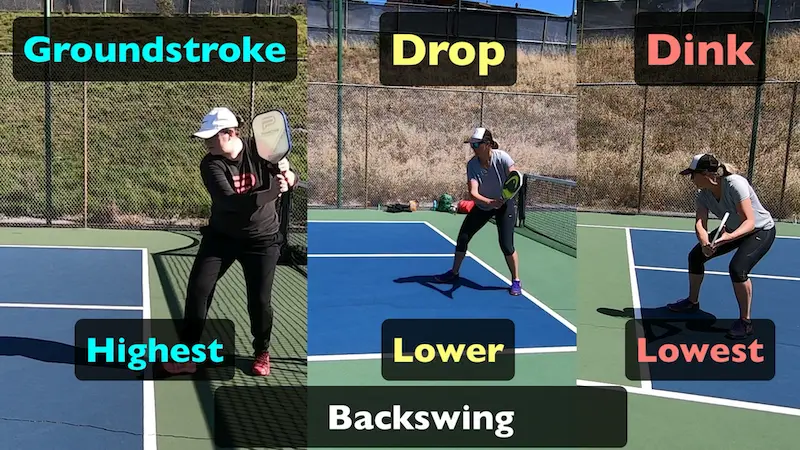
- Drill the third-shot drop and dink under pressure.
- Play with slightly better players to stretch your skills.
Physical vs mental: what makes pickleball hard
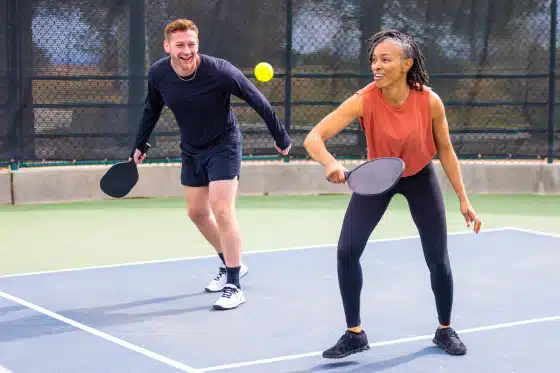
When people ask how hard is pickleball, they usually mean both physical and mental aspects. Here’s how they differ.
- Physical demands: Quick lateral movement, short bursts of speed, and stable balance are key. These needs grow at higher levels.
- Mental demands: Anticipation, shot selection, patience, and reading opponents are the biggest mental challenges.
- Pressure moments: Close games and tournament play create stress that affects decision-making and execution.
- Recovery and endurance: Playing multiple matches in a day requires stamina and smart pacing.
Simple drills to build both:
- Reaction drill: Partner feeds random shots; focus on first step.
- Dink-to-drive drill: Alternate soft dinks and aggressive drives to train decision timing.
- Serve-return ladder: Practice consistent serves and immediate, controlled returns.

Common mistakes and how they affect how hard is pickleball
Many errors make pickleball harder than it needs to be. Address these to lower the difficulty.
- Overhitting: Trying to blast every shot forces mistakes and loses control. Focus on placement instead.
- Poor footwork: Standing flat-footed limits reach and response time. Always be on your toes.
- Ignoring the kitchen: Not understanding the “no-volley zone” strategy leads to lost points. Learn when to step in and when to stay back.
- Weak third-shot drops: Failing to neutralize opponents early makes rallies harder. Practice low, soft drops.
- Playing only power: Power without control loses matches. Mix soft touch with well-timed aggression.
A mistake I made early on was powering through dinks. That cost many points. After shifting to controlled touch, my win rate improved quickly.
Equipment and resources that make pickleball easier
The right gear and coaching make a big difference in how hard is pickleball to learn and enjoy.
- Paddles matter: Choose a paddle that balances control and power for your skill level.
- Balls: Practice with consistent, quality balls; indoor and outdoor balls feel different.
- Shoes: Court shoes with good lateral support protect knees and help quick turns.
- Lessons and clinics: Short, coached sessions target weak spots faster than solo play.
- Video and analysis: Recording your play reveals footwork and technical issues you can fix.
I switched to a control-oriented paddle after struggling with consistency. That change cut my unforced errors and made learning tactics easier.
How hard is pickleball at competitive levels
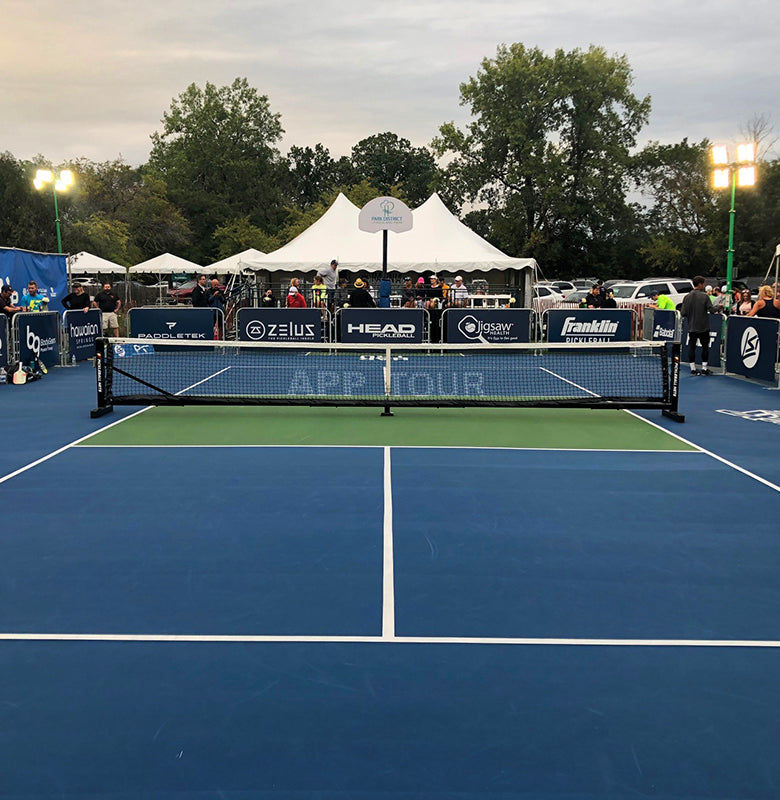
At high levels, pickleball becomes genuinely demanding. Here’s what elevates difficulty.
- Speed of play increases: Rally pace and reaction windows shrink dramatically.
- Spin and placement: Top players use spin to shape rallies and target weaknesses.
- Team dynamics: Doubles at elite levels require near-perfect coordination and split-second decisions.
- Conditioning: Tournaments mean multiple matches; fitness and recovery are crucial.
- Mental toughness: You must handle pressure, adapt tactics, and stay calm under heat.
If your goal is local tournaments, aim for steady practice, focused drills, and match experience. For national play, structured coaching, fitness work, and competitive matches are essential.

Frequently Asked Questions of how hard is pickleball
How long does it take to become decent at pickleball?
Most players reach a comfortable recreational level in about 1–3 months of regular play. Consistent practice, coaching, and focused drills shorten that timeline.
Is pickleball harder than tennis?
Pickleball is easier to start than tennis because the court is smaller and the learning curve for basic rallies is gentler. At advanced levels, both sports demand high skill, but pickleball emphasizes placement and quick reactions.
Do I need to be athletic to play pickleball?
You don’t need to be an elite athlete to enjoy pickleball. Basic mobility and coordination help, and many older players succeed by using strategy and footwork over raw speed.
Can I play pickleball if I have knee issues?
Yes, with modifications. Use good court shoes, improve knee-strengthening exercises, and avoid overreaching. Playing doubles also reduces court coverage and strain.
Is pickleball good exercise?
Yes, pickleball offers cardio, agility, and balance work in short bursts. It’s an excellent low-impact sport for many fitness levels.
Will lessons make pickleball less hard?
Lessons accelerate learning by correcting technique and building good habits early. A few targeted sessions often remove major roadblocks and reduce frustration.
Conclusion
Pickleball is easy to try but layered in difficulty as you get serious. Physical skills, technique, strategy, and teamwork all add depth that makes advanced play challenging and rewarding. Start with focused practice, fix common mistakes early, and invest in basic coaching and the right gear. If you want to improve, commit to short, regular sessions, play slightly better opponents, and enjoy the small wins along the way. Try a lesson this week, join a local clinic, or comment below with your biggest pickleball question — I’ll help you take the next step.