Pickleball is moderately easy to start but takes effort to master and become highly competitive.
I’ve played and coached pickleball for years, so I know the real answer behind how hard pickleball can be. This guide breaks down physical demands, skills, learning curves, and practical tips you can use today. Read on to get honest, experience-backed insight into how hard pickleball is at every level and how you can improve fast.

What people mean by "how hard pickleball" and why it matters
When people ask how hard pickleball is, they mean different things. Some ask about physical strain. Others ask about skill, tactics, or how long it takes to get good. Answering this helps set expectations and plan practice.
How hard pickleball feels depends on age, fitness, and goals. A casual player will find it much easier than someone chasing tournament wins. I’ll explain what to expect at each level so you can choose the right path.

Physical demands: how hard pickleball is on your body
Pickleball is low to moderate intensity for most players. Games include quick bursts, short sprints, and lateral moves. These actions stress knees, hips, shoulders, and core muscles.
How hard pickleball is physically depends on:
- Age and baseline fitness. Younger, fitter players find it less taxing.
- Match intensity. Social play is gentler than competitive matches.
- Frequency of play. Daily play increases stamina but also risk of overuse injuries.
I recommend strength work, balance drills, and short cardio sessions to lower injury risk and make games feel easier. Over time, your body adapts and the sport feels much less demanding.

Skill and technique: the learning curve explained
Pickleball has a short initial learning curve but a long mastery curve. You can learn basic rules and strokes in a few sessions. Mastery of dinks, volleys, third-shot drops, and court positioning takes months or years.
Key skills to focus on early:
- Grip and paddle control to reduce errors.
- Consistent serve and return to stay in points.
- Footwork to reach soft shots with balance.
How hard pickleball is to master comes down to small habits. Improving tiny technical details yields big gains. I’ve seen beginners who practiced consistent dinks become strong intermediate players in six months.
Mental and tactical difficulty
Pickleball is as tactical as it is physical. Strategy matters more at higher levels. Reading opponents and choosing the right shot wins many matches.
Tactical elements that make pickleball harder:
- Court positioning and timing near the kitchen line.
- Shot selection under pressure.
- Communicating with a partner in doubles.
How hard pickleball is mentally depends on your comfort with quick decisions and pattern recognition. Practice and match play sharpen those skills fast.
Common challenges and how to overcome them
Beginners and intermediates face predictable problems. Knowing these makes them easier to fix.
Common issues:
- Hitting too hard and losing control. Fix: slow your swing and focus on placement.
- Poor footwork. Fix: practice split step and small adjustment steps.
- Weak third-shot drops. Fix: drill soft contact and angle, not power.
How hard pickleball feels often comes from avoidable mistakes. Targeted drills reduce frustration and speed progress.
Training plan: practical steps to make pickleball easier
A simple training plan helps you progress without burnout. Follow a weekly routine that balances skill, fitness, and play.
Sample weekly plan:
- Two skill sessions (30–45 minutes) focused on dinks and third shots.
- Two short cardio or strength sessions (20–30 minutes).
- Two match-play sessions to apply skills under pressure.
- One rest or light mobility day.
How hard pickleball is decreases with a consistent plan. Small, steady improvements matter more than long, sporadic practice.

Equipment and environment: factors that affect difficulty
The right gear and court conditions change how hard pickleball feels. Better paddles and good courts make play smoother.
Equipment tips:
- Beginner paddles with larger sweet spots reduce mishits.
- Shoes with lateral support lower ankle and knee strain.
- Good nets and courts with proper lines speed learning.
How hard pickleball is can drop significantly when you use gear that matches your level. Spend a bit on shoes and a paddle that feels right.
My personal experience: lessons from the court
I started playing pickleball in my thirties. At first the game felt easy and fun. After a season of casual play, I joined a local league and hit a plateau.
What helped me:
- Slowing down the swing to improve control.
- Doing 10 minutes of dink drills before matches.
- Cross-training with light weight work and balance exercises.
How hard pickleball became for me changed with goals. Social play stayed easy. Competitive play demanded hours of focused practice. These steps helped me bridge the gap.
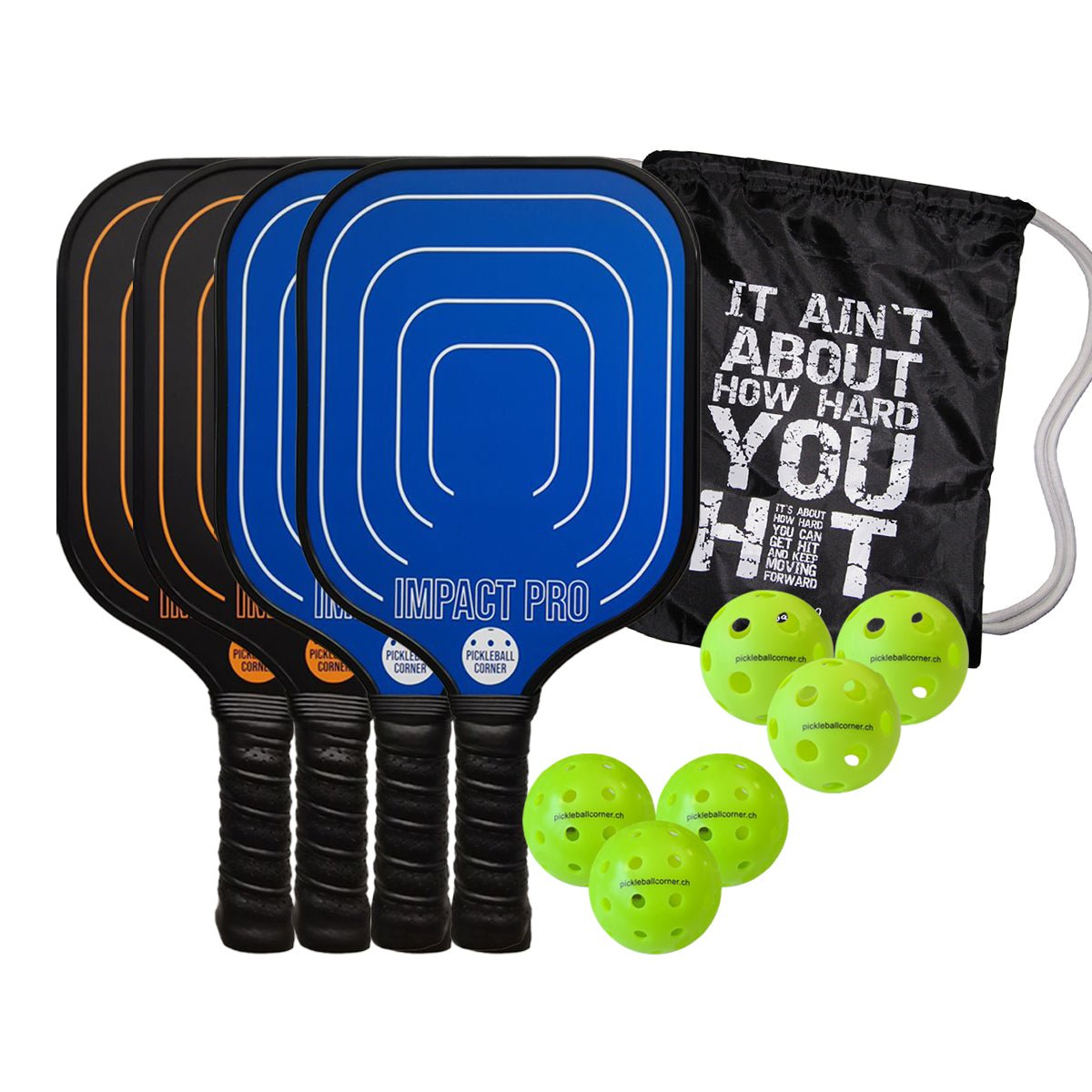
Beginner to advanced timeline: realistic expectations
Progress varies, but a rough timeline helps set goals.
Typical timeline:
- 1–4 weeks: Learn rules, serve, basic returns.
- 1–3 months: Reliable dinks and volleys, comfortable in social matches.
- 6–12 months: Consistent third-shot drops, better strategy.
- 1+ years: Tournament-level skills and refined tactics.
How hard pickleball feels changes most in the first three months. After that, gains slow but become more meaningful.
Injury prevention and recovery
Injuries slow progress and make the game feel harder. Prevention is simple and effective.
Preventive steps:
- Warm up with light movement and dynamic stretches.
- Strengthen hips, glutes, and core to support lateral moves.
- Rest after long sessions and treat minor pain early.
How hard pickleball is will remain manageable if you protect your body. Small daily habits keep you on the court longer.
Frequently Asked Questions of how hard pickleball
Is pickleball hard to learn for beginners?
Most beginners find pickleball easy to pick up. Basic strokes and rules are simple and intuitive.
How hard is pickleball compared to tennis?
Pickleball is generally less physically demanding than tennis. It requires quick reaction and strategy but involves less running.
How long until I get good at pickleball?
You can become a confident social player in a few months with regular practice. Reaching advanced levels often takes a year or more of focused work.
Can older adults play pickleball without high injury risk?
Yes. Many older adults play safely by focusing on mobility, strength, and proper shoes. Modify intensity as needed.
Do I need special training to play competitively?
Competitive play benefits from targeted drills, fitness work, and match strategy practice. Coaching or clinics speed progress.
Conclusion
Pickleball is easy to start and rewarding to play, yet it offers a deep path to mastery. How hard pickleball feels depends on your goals, fitness, and practice habits. Use simple drills, protect your body, and pace your progress to make the game fun and sustainable. Try a focused week of dink and third-shot drills, then play a few matches to test what you learned. Leave a comment about your experience or subscribe to keep improving on the court.