
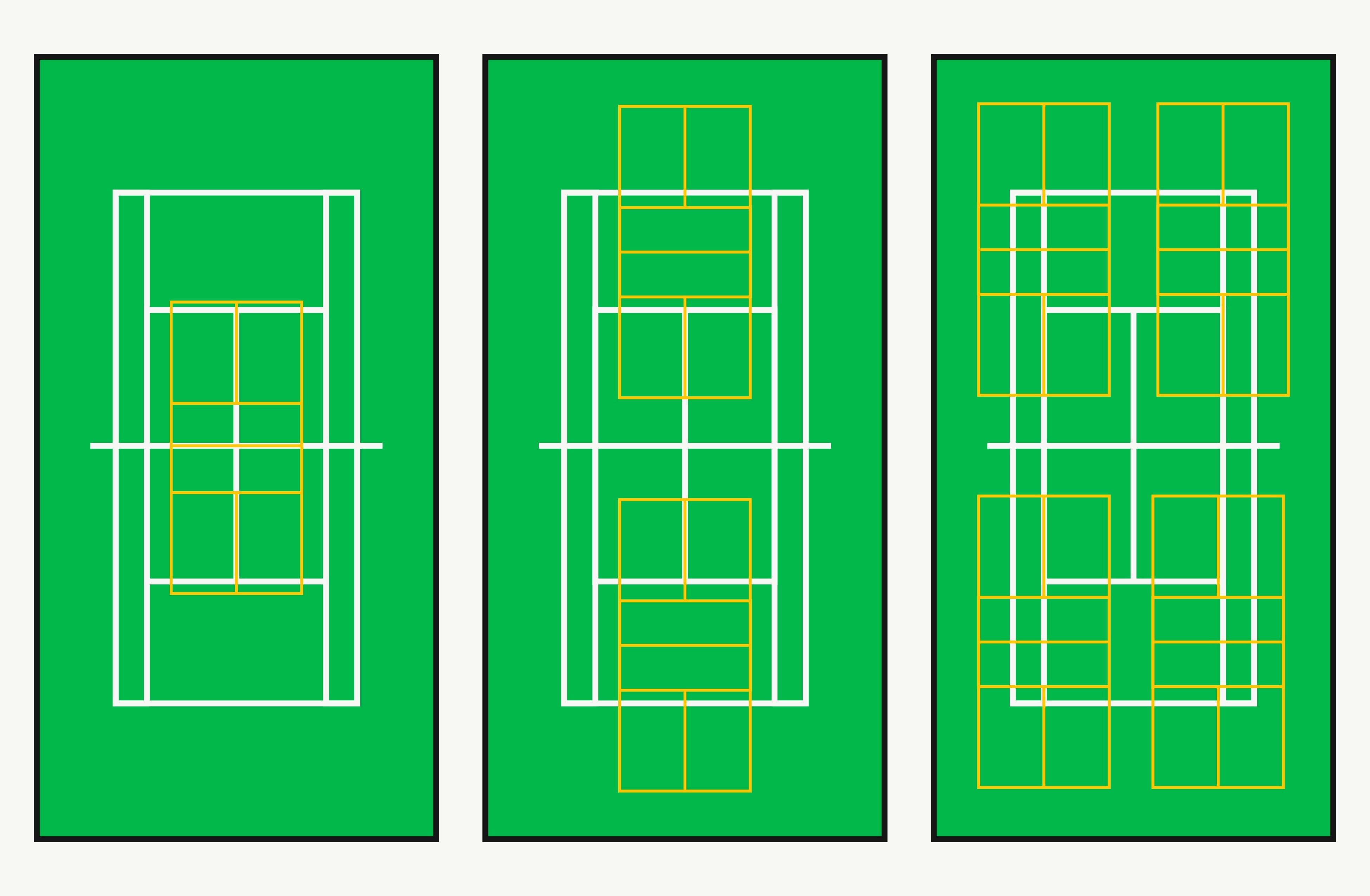
Most tennis courts can fit four pickleball courts; two or three also work well.
If you want a clear plan for how many pickleball courts in a tennis court, you’re in the right place. I’ve helped parks, HOAs, and clubs convert tennis courts for shared play, and I’ll show you what works in real life. We’ll cover layout options, exact dimensions, gear, safety, costs, and smart tips to avoid headaches. By the end, you’ll know how many pickleball courts in a tennis court fits your space, your budget, and your community goals.
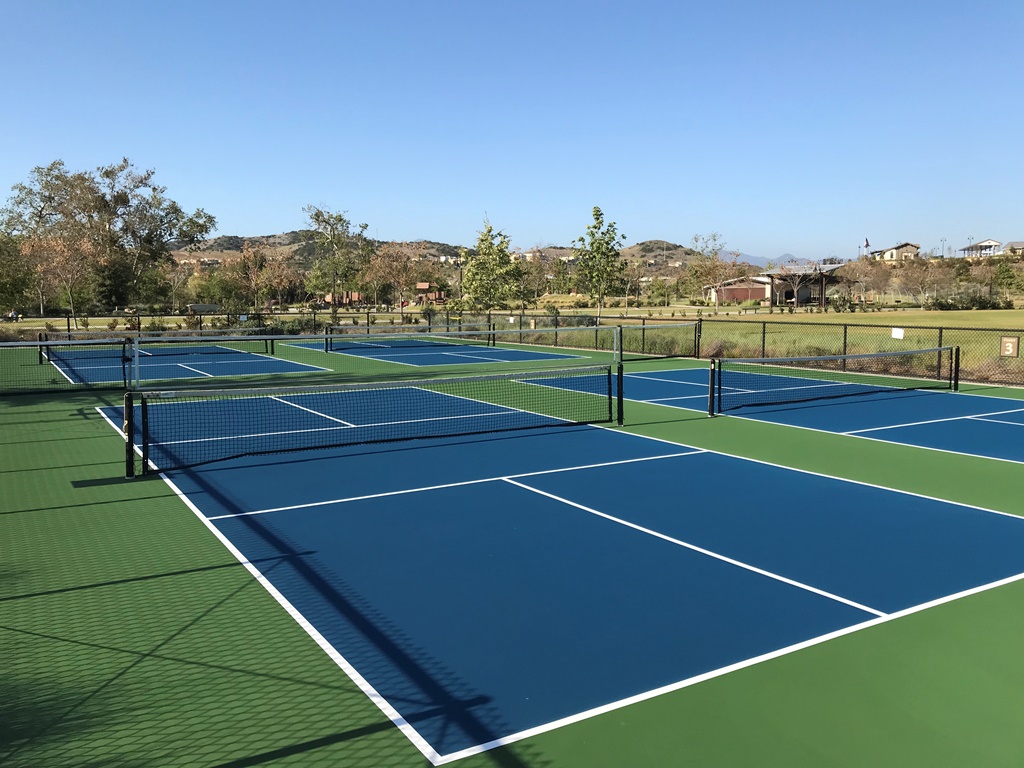
How many pickleball courts in a tennis court: the short and long answer
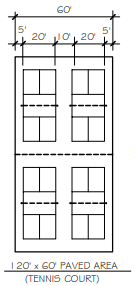
The most common and practical fit is four pickleball courts on one full-size tennis court enclosure. This uses the standard 60 by 120 feet tennis footprint with four pickleball courts at 30 by 60 feet each. If space or comfort is a priority, two or three courts can be the better call.
Think of it this way: how many pickleball courts in a tennis court depends on safety buffers, aisles, and whether you want shared-use or dedicated pickleball. Many parks start with two to learn demand, then paint for four later. Indoor facilities sometimes go with three for wider aisles and fewer ball crossovers.
Popular configurations:
- Four-court standard. Fits most fenced courts. Good capacity and good flow.
- Three-court spacious. Extra space between courts. Lower noise and fewer ball interruptions.
- Two-court premium. Great for clinics, beginners, or private clubs. Very low ball crossover.
- One overlay. One pickleball court centered on the tennis court for casual play.
Court dimensions and spacing that drive the answer
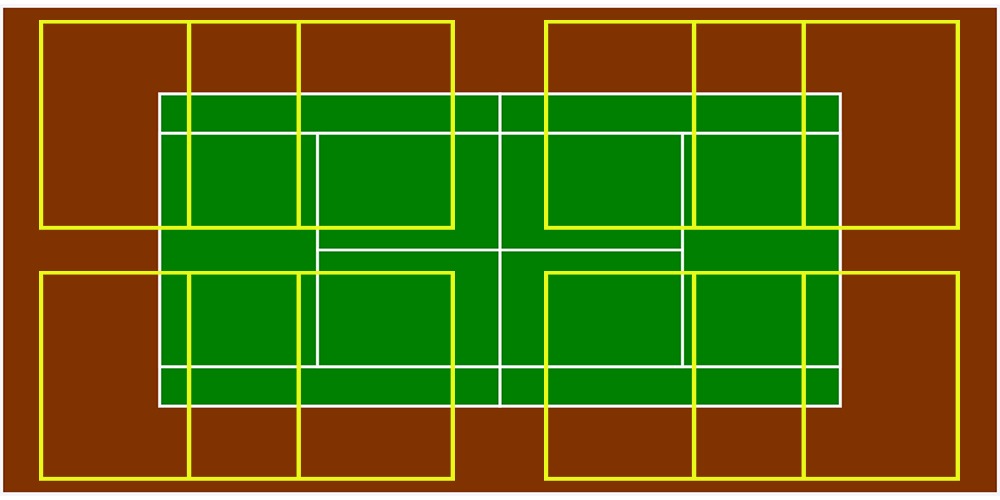
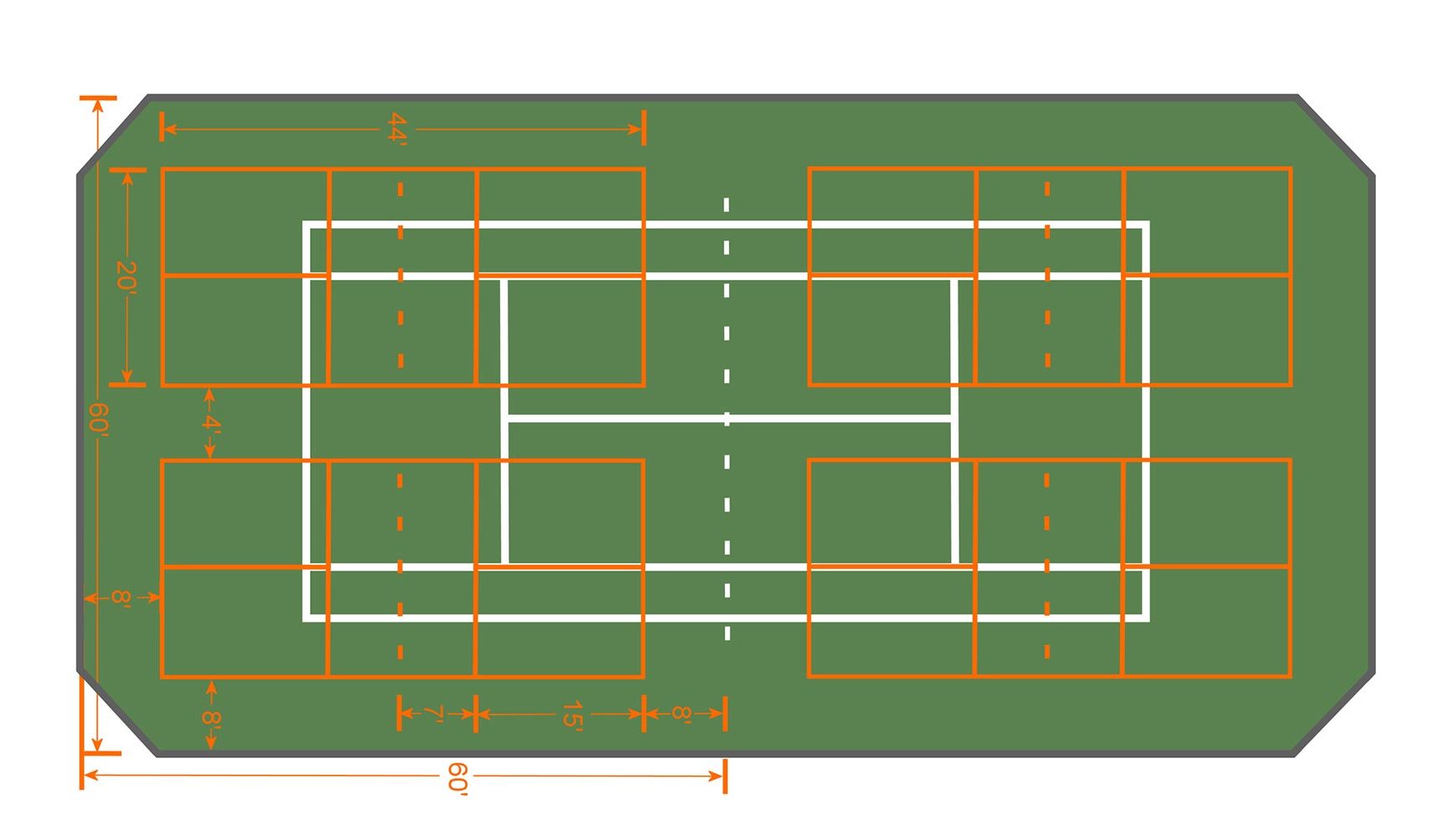
The math behind how many pickleball courts in a tennis court is simple when you know the sizes. A regulation pickleball court is 20 by 44 feet for play. The recommended minimum total court size is 30 by 60 feet, which includes safe run-off space. A standard tennis court enclosure is 60 by 120 feet.
Four pickleball courts fit because 2 courts by 2 courts equals 60 by 120 with the recommended buffers. For shared-use, maintain at least 4 feet between side-by-side pickleball courts and 7 to 10 feet behind baselines. This keeps players safe on hard stops and lobs.
Key numbers to remember:
- Pickleball play area: 20 by 44 feet
- Pickleball recommended total area: 30 by 60 feet
- Tennis play lines: 36 by 78 feet (doubles), but the full court enclosure is 60 by 120 feet
- Net heights: Pickleball 36 inches at posts, 34 inches at center. Tennis 42 inches at posts, 36 inches at center
Orientation matters too. North-south orientation reduces sun glare in mornings and evenings. If you’re painting four courts, stagger the layouts so baselines do not align with tennis baselines to reduce visual confusion.
Step-by-step: lining a tennis court for pickleball
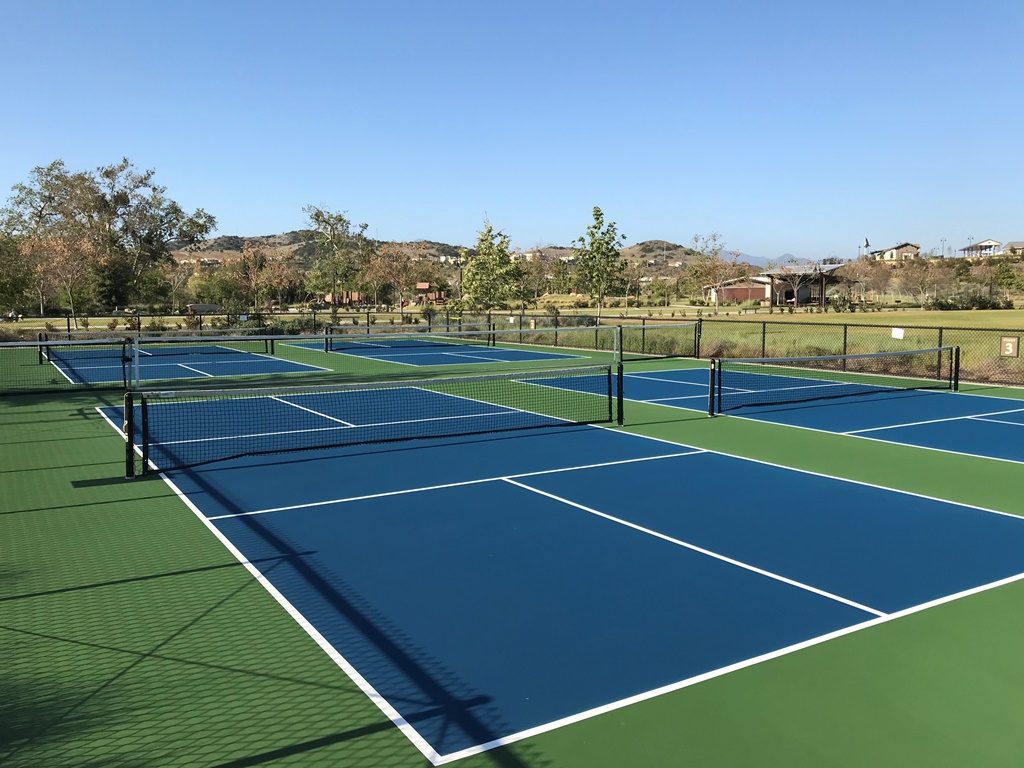
When people ask how many pickleball courts in a tennis court, they often also need to know how to mark the lines. You can phase it in with temporary tape first, then paint once you test the layout.
Steps I use on projects:
- Decide your layout. Choose two, three, or four courts based on demand and funding.
- Measure and snap chalk lines. Use a long tape and chalk line reel. Square corners using a 3-4-5 triangle or laser.
- Test with temporary tape. Use high-visibility, court-safe tape and play for a week. Ask players for feedback on spacing and sight lines.
- Paint with a contrasting color. Keep tennis and pickleball lines easy to tell apart. Two-inch pickleball lines are standard.
- Mark court numbers and arrows. Clear labels help reduce confusion during busy play.
- Add boundary warnings. Small dots or marks for aisles and doorways improve safety.
Pro tips from the field:
- Use a mellow color for pickleball lines so tennis players are not distracted.
- Avoid dark colors that get too hot in summer.
- Keep lines crisp with painter’s tape and a low-nap roller.
Nets, posts, and gear for shared-use courts
Nets make or break the experience. If you plan four courts, portable pickleball nets are simple, fast, and affordable. For two courts, some facilities re-use the tennis net with a center strap and side markers, but the height is not perfect for regulation play.
Options that work:
- Portable pickleball nets. Easy setup and storage. Best for shared-use or testing demand.
- Sleeved posts with removable nets. Great for dedicated conversions. Clean look and stable nets.
- Adjustable center straps on tennis nets. Fine for casual play and clinics when only one pickleball court is in use.
Bring a couple of rolling carts or small sheds to store nets and balls. This keeps the court clear and safe between sessions.
Safety, noise, and neighbor-friendly choices
Safety spacing is the heart of how many pickleball courts in a tennis court you should plan. Crowded layouts can cause trips, collisions, or ball conflicts. Follow the 30 by 60 feet per court rule when possible, and consider 5 to 8 feet between side-by-side baselines for high-traffic courts.
Noise matters too. Pickleball has a sharp pop sound. Use windscreens, plant shrubs near fences, and suggest quiet paddles and balls for early morning play. Post simple etiquette signs so players keep voices low near homes.
Simple safety wins:
- Keep entry gates clear of active play zones
- Use non-slip coatings after resurfacing
- Inspect for cracks and raised edges every season
- Provide benches, shade, and water close by but out of play
Cost, timeline, and maintenance
Budget can drive how many pickleball courts in a tennis court you finally paint. Temporary tape is cheap and fast. Permanent lines and dedicated nets cost more but offer a better experience and signal commitment to players.
Typical ranges I see:
- Temporary tape trial: $50 to $150 per court
- Permanent line painting: $300 to $800 per court
- Portable nets: $150 to $300 each
- New posts and sleeves: $500 to $1,500 per court
- Resurfacing: $4,000 to $8,000 per court area, depending on condition and climate
Timing:
- Tape layout: same day
- Paint-only conversion: 1 to 2 days, plus cure time
- Full resurface + paint: 3 to 7 days, weather dependent
Plan annual inspections. Patch cracks, clean debris, and re-tension nets. A little care goes a long way in play quality and safety.
Real-world examples and lessons learned
In one HOA, we started with two courts to manage neighbor noise. After three months, demand soared, but the extra space was well loved. We added a third court and kept a wider central aisle. It was the sweet spot for that community.
At a city park, we tested four courts with tape during a weekend event. The layout was tight but playable. Parents liked the capacity for open play. The city then invested in permanent lines and four portable nets. The key lesson: test first, then decide how many pickleball courts in a tennis court matches your users.
Mistakes to avoid:
- Painting before testing demand and traffic patterns
- Mixing line colors that confuse tennis players
- Skipping aisle space near gates
- Forgetting to plan for storage and lighting

Frequently Asked Questions of how many pickleball courts in a tennis court
How many pickleball courts in a tennis court can I fit safely?
Most facilities fit four courts in a full 60 by 120 feet tennis enclosure. If you want extra safety space, choose three courts with wider aisles.
Can I put two pickleball courts on one side of the tennis net?
Yes, but the ball crossover can be high if only a net divides the space. Use portable nets and clear aisle space for better flow.
Do I need 30 by 60 feet per pickleball court?
That is the recommended minimum, including run-off. You can go tighter indoors, but it is less safe and less fun for lobs.
Is it okay to use the tennis net for pickleball?
For casual play, yes, with a center strap to reach 34 inches at the center. For regulation and better feel, use portable pickleball nets.
What line colors work best for shared tennis and pickleball use?
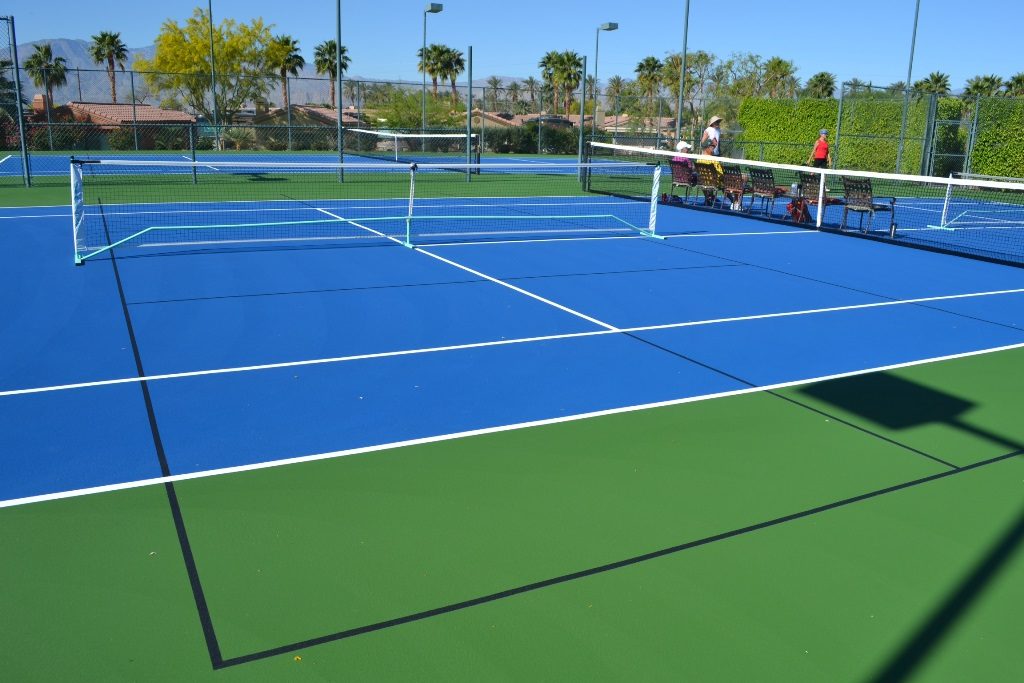
Pick a contrasting but softer color for pickleball lines, like light blue or green. Keep tennis lines bright white for clarity.
How many pickleball courts in a tennis court if I have lighting limits?
If lights are dim or uneven, fewer courts may be safer. Two or three courts reduce shadows and improve visibility.
Will a four-court setup be too noisy for nearby homes?
It can be if play starts early or runs late. Use windscreens, quiet paddles and balls, and post play-hour guidelines.
Conclusion
You now know how many pickleball courts in a tennis court is not a one-size answer. Four courts maximize capacity, three courts balance space and comfort, and two courts feel premium and calm. Choose the layout that matches your players, neighbors, and budget.
Test with tape, listen to feedback, then paint with confidence. Ready to plan your court? Share your layout goals or questions in the comments, and subscribe for more practical guides and templates.