
Most pickleball games go to 11 points, win by 2; some formats use 15 or 21.
If you have wondered how many points are typically needed to win a pickleball game, you are not alone. I coach new players every week, and this question always comes first. In this guide, I will explain how many points are typically needed to win a pickleball game, when the number changes, and how scoring rules shape your strategy. You will get clear examples, simple tips, and expert insight you can use today.
 standard scoring target in pickleball”
style=”max-width: 100%; height: auto; border: 2px solid black; border-radius: 10px; display: block; margin: 0 auto;”
loading=”lazy”
/>
The standard scoring target in pickleball
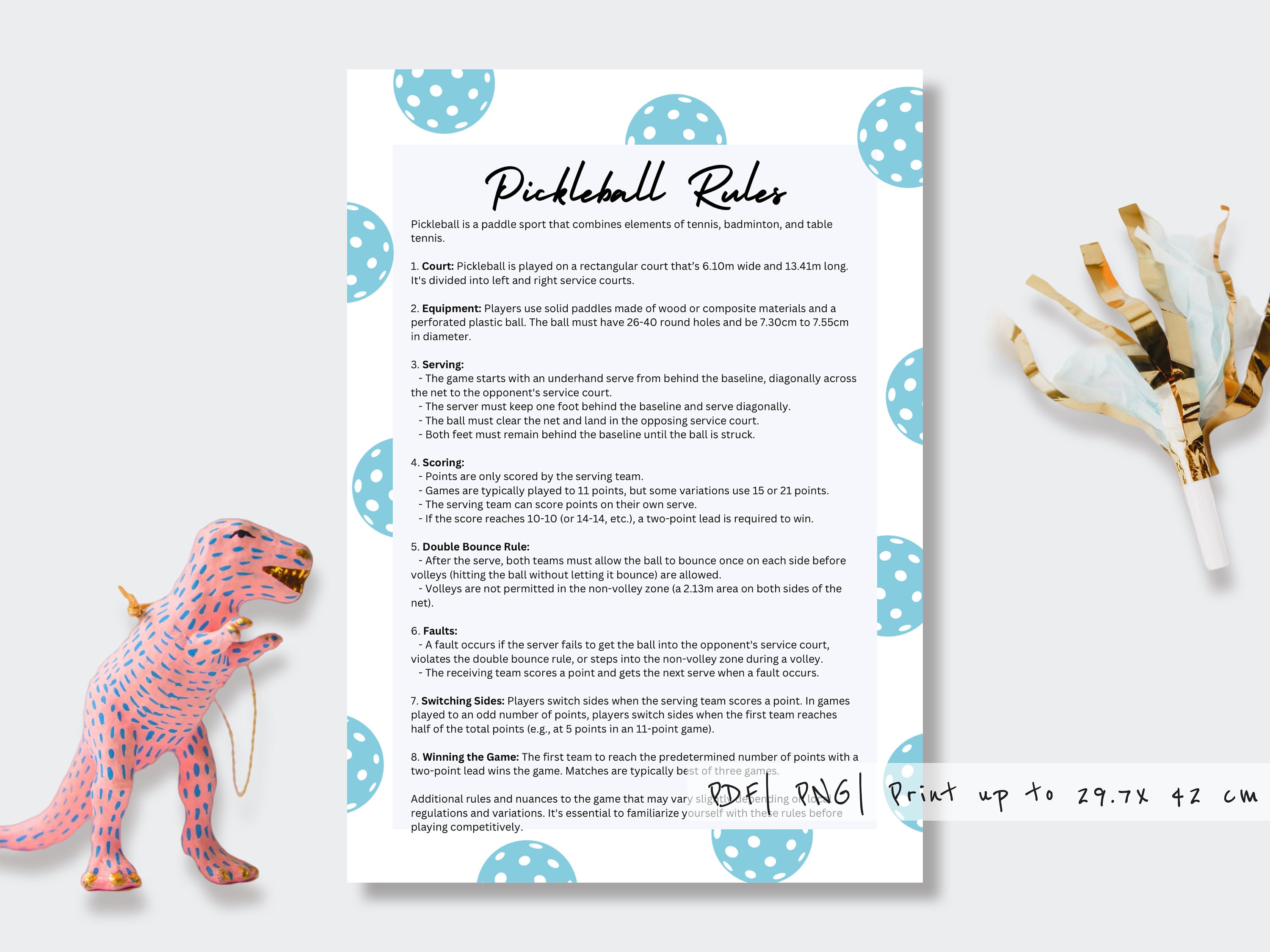
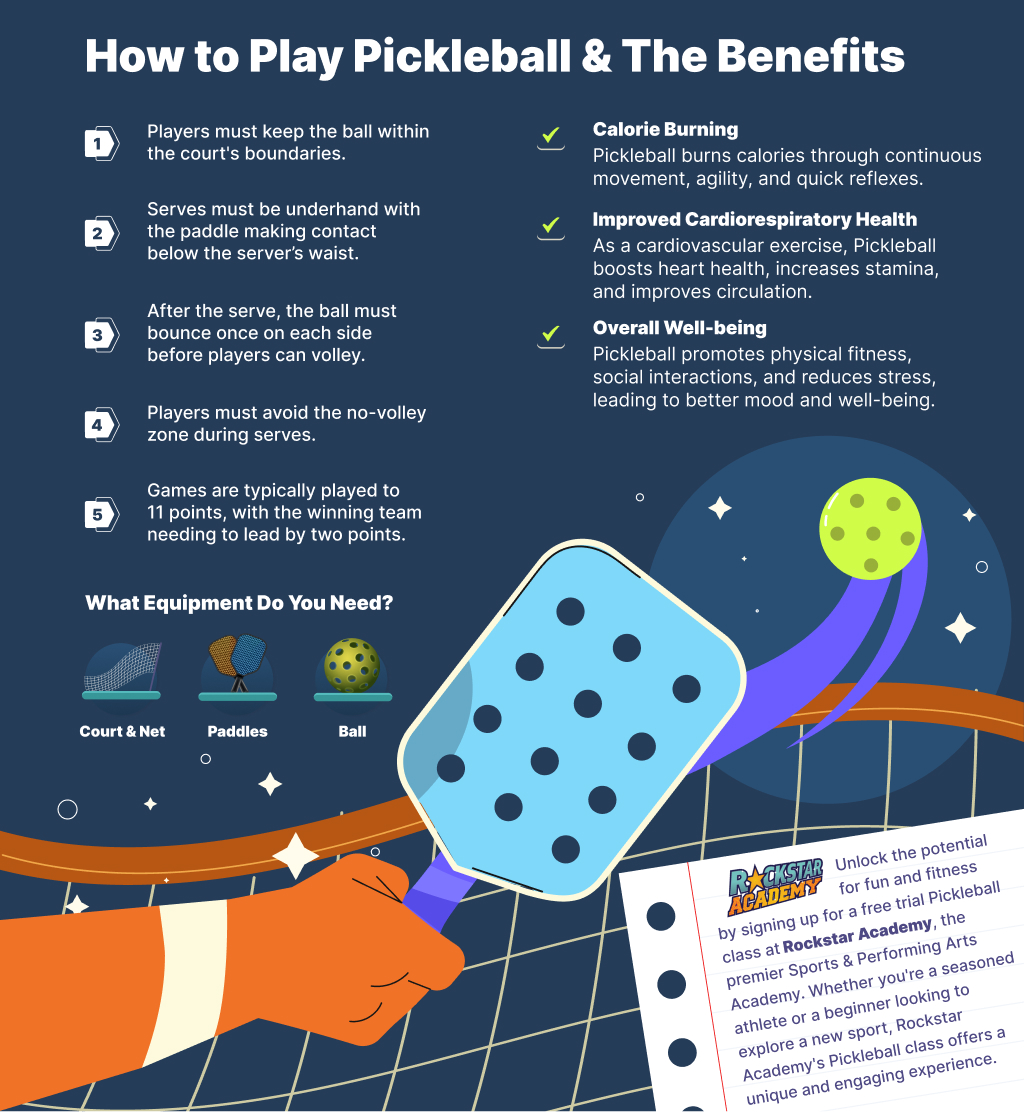
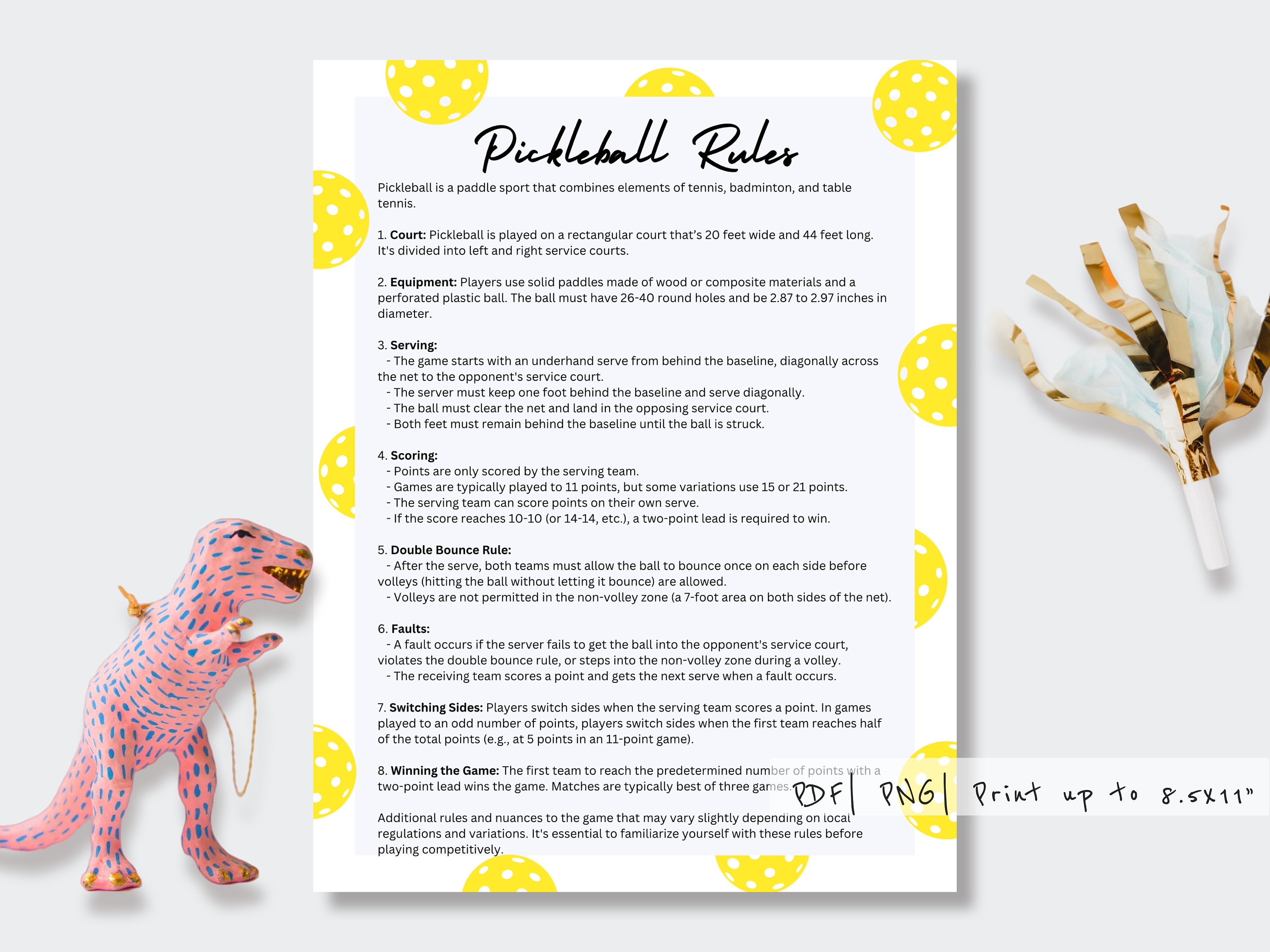
The short version is simple: most games are played to 11 points, and you must win by 2. That is the default target for both singles and doubles in casual play and in many events. If you ever forget how many points are typically needed to win a pickleball game, start with 11 and win by 2.
Key points to remember:
- Only the serving team can score under traditional rules.
- You keep serving until your side commits a fault.
- You must lead by two points to close the game, such as 11–9 or 12–10.
New players often ask me how many points are typically needed to win a pickleball game when a match is best of three. The answer is still the same per game: each game goes to 11, win by 2, unless the event says otherwise.

When games go to 15 or 21
Some formats change the target. In many sanctioned tournaments, early rounds are often best two of three games to 11. Consolation rounds or some medal matches may be one game to 15, win by 2. A few finals or special brackets may be one game to 21, win by 2. Event directors choose the format, so always check your bracket sheet.
Common patterns I see at events:
- Main draw: best two of three to 11, win by 2.
- Backdraw or consolation: one game to 15, win by 2.
- Gold medal or special match: one game to 15 or 21, win by 2.
These formats keep play moving and manage court time. If your goal is to know how many points are typically needed to win a pickleball game at a tournament, read the event’s sheet before warm-up.

Side-out scoring vs rally scoring
Traditional pickleball uses side-out scoring. Only the serving team scores. This is why games to 11 can take time and swing fast. In side-out scoring, how many points are typically needed to win a pickleball game stays 11 in most cases, with a win-by-two margin.
Some leagues and pro team events use rally scoring. In rally scoring, every rally ends in a point for someone. Many rally-scoring formats play to 21, win by 2. Some add a freeze near the end so only the serving side can score the final point. This keeps the finish fair and exciting.
What this means for you:
- Side-out scoring rewards strong serving runs and tight defense.
- Rally scoring rewards consistency on every point, since every rally counts.
- Ask the organizer which system is in use before you start.
Singles vs doubles: does the target change?
The target does not change. Singles and doubles both play to 11, win by 2 in standard play. The difference is the serving sequence and court coverage, not how many points are typically needed to win a pickleball game.
Quick notes:
- In doubles, both players on a team get a serve turn each side-out, except at the start of the game.
- In singles, you alternate serve boxes based on even and odd scores.
- The goal remains the same: reach 11 first with a two-point lead.
From coaching, I see singles players press more for quick points. Doubles teams often build points with soft play first. The number does not change, but how you reach it does.
Strategy to reach the winning number faster
Your plan should match the scoring system and target. When someone asks me how many points are typically needed to win a pickleball game, I also ask how they plan to get them. Small habits add up fast.
Try these tips:
- Start strong on serve. Use a deep, safe serve to set up the third shot.
- Protect your return. Aim deep and to the weaker side to limit drive angles.
- Build the point. Use a soft third shot drop to reach the kitchen and control pace.
- Manage runs. Call a timeout if you lose three points in a row.
- Play percentages at 9–9. Target the middle and reduce risk. Force one more ball.
In a recent league night, my partner and I were down 8–10. We slowed the pace, aimed middle, and took three straight points. The lesson: your path to 11 is often patience, not power.
Scoring walkthroughs and examples
Let’s make it real with simple examples. These show how many points are typically needed to win a pickleball game and what win by 2 looks like.
Game to 11, win by 2:
- Score climbs 0–0, 3–1, 7–6, 10–9. You still need a two-point lead.
- Final ends 12–10. That is a valid win by 2.
One game to 15, win by 2:
- Pace feels longer. Each side needs more clean side-outs.
- A tight finish could be 16–14 or 18–16.
Rally scoring to 21, win by 2:
- Every rally matters. Short lulls can cost three to four points.
- Late freeze rule could mean only the serving team may score at 20–20.
If a friend asks how many points are typically needed to win a pickleball game during open play, say 11 with win by 2. If they ask during a special event, say check if it is 15 or 21.

Common myths and mistakes about pickleball points
Misunderstanding scoring can cost games. Here are myths I correct all the time.
- You can score while returning. False. In side-out scoring, only the serving team scores.
- You win at 11–10. Not always. You must win by 2, so play continues.
- Singles needs fewer points. False. Singles still goes to 11 in standard play.
- A skunk rule ends it early. There is no official skunk. Some groups use house rules for fun.
- Timeouts change targets. They do not. They only pause momentum.
If you ever forget how many points are typically needed to win a pickleball game, ask the court or the ref before the first serve. It avoids sticky debates at 10–10.
Frequently Asked Questions of how many points are typically needed to win a pickleball game?
Is it always 11 points to win?
No. Most casual and many tournament games use 11, win by 2. Some events use 15 or 21, win by 2.
Why do some tournaments use 15 or 21?
It helps with scheduling and fairness. Longer games reduce flukes and ensure the better team has time to adjust.
Does rally scoring change how many points are typically needed to win a pickleball game?
Yes. Rally scoring often uses 21, win by 2, so the target is higher and every rally counts toward the score.
Do singles and doubles have different winning scores?
No. Both usually play to 11, win by 2 under standard rules. The serving pattern changes, not the target.
What happens at 10–10 in an 11-point game?
You keep playing until one team leads by two. Final scores could be 12–10, 13–11, or higher.
How do I know how many points are typically needed to win a pickleball game at my event?
Check the draw sheet or ask the organizer. Formats vary by bracket, round, and event type.
Can I choose 15 points for rec play?
Yes, if all players agree. Set clear rules first so everyone knows how many points are typically needed to win a pickleball game.
Is there a mercy or skunk rule at 11–0?
Not in the official rulebook. Some groups use house rules, but they are not standard.
Why is win by 2 required?
It reduces lucky finishes at the end of a close game. You must earn a clear lead to close.
Does side-out scoring make games longer?
Often, yes. It takes more time to reach 11 since only the serving team can score.
Conclusion
You now know the key rule: most games go to 11 and must be won by 2. Some formats use 15 or 21, and rally scoring changes the feel and the pace. When you step on court, confirm the format, set a simple plan, and play the percentages when the score gets tight.
Use what you learned this week. Try a deep serve, a safe third shot, and smart timeouts at crunch time. Want more breakdowns and real drills? Subscribe, ask a question, or share your toughest scoring moment in the comments.