
Only the serving team can score points, and games are usually played to 11, win by two.
Jumping into pickleball is a blast, but the one thing that trips up almost every new player is the scoring. I’ve been on the court for years, and I’ve seen that moment of confusion on countless faces. Don't worry, it's not as complicated as it sounds! This guide is here to break it all down. We'll walk through exactly how pickleball scoring works, from calling the score to understanding the serving sequence, so you can step onto the court with confidence and focus on the fun.

The Basics of Pickleball Scoring: What You Need to Know First
Before we dive into the details, let's cover the foundational principles. The most important rule to remember is that you can only score a point when your team is serving. If you win a rally while the other team is serving, you don’t get a point; instead, you win the serve back. This is what’s known as a "side-out."
Most games are played to 11 points. However, you must win by at least two points. So, if the score is tied 10-10, the game continues until one team gets ahead by two, like 12-10 or 13-11. Understanding this basic framework is the first step in mastering how pickleball scoring works.

Calling the Score: Decoding the Three-Number Sequence
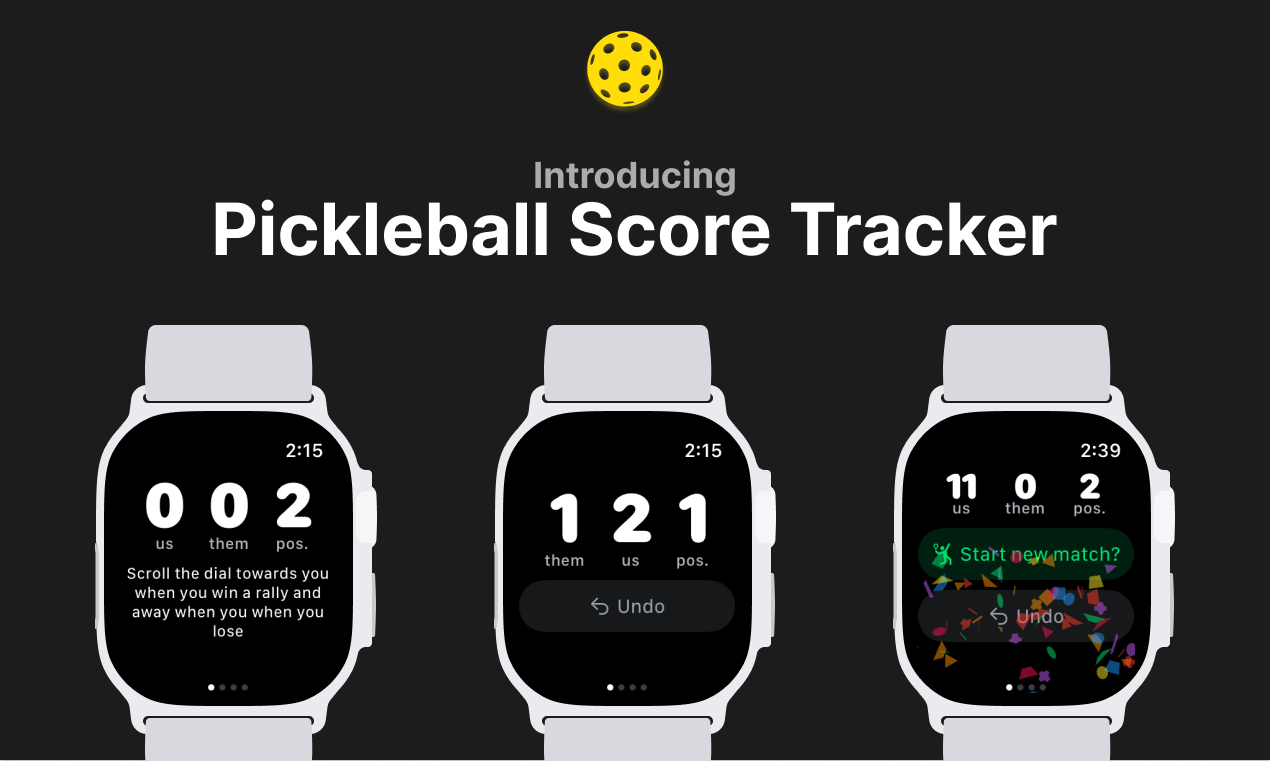
The score call is what you'll hear before every single serve, and it’s the key to understanding how pickleball scoring works. In doubles, the score is always announced as a sequence of three numbers. Let’s break down what each number means with an example score of "4-2-1".
- First Number (4): This is always the serving team's score.
- Second Number (2): This is always the receiving team's score.
- Third Number (1): This is the server number, either a "1" or a "2". This indicates whether the first or second server on that team is serving.
So, when a player calls out "4-2-1," it means their team has 4 points, the opponents have 2 points, and they are the first server for their team's turn. Calling the score loudly and clearly before each serve is not just a courtesy; it's a rule that helps everyone on the court stay on the same page.

The Serving Sequence in Doubles: Where It Gets Tricky
This is where most beginners get a little lost, but I promise it's simple once you see it in action. The serving sequence and server number are crucial parts of how pickleball scoring works. The game starts with one unique rule called the "First Server Exception."
To start the game, the team that serves first only gets one service turn. The first server will call the score as "0-0-2" to signify this. They serve from the right side of the court and continue serving, alternating sides after each point they score, until they commit a fault. Once they fault, the serve goes to the other team, which is a side-out.
From that point on for the rest of the game, both players on a team will get a chance to serve before a side-out occurs. For example, when Team B gets the serve, their first server (starting on the right) serves until they fault. Then, instead of a side-out, the serve goes to their partner, who becomes the second server. They continue serving until they also fault. Only then does a side-out happen, and the serve returns to Team A.

How Pickleball Scoring Works in Singles
If you’re playing singles, the scoring system is much simpler. You only have to keep track of two numbers: your score and your opponent's score. You’ll call your score first, followed by your opponent’s. For example, if you have 5 points and your opponent has 3, you would call "5-3" before you serve.
The most important rule for singles scoring relates to your position on the court. It’s a simple rule of thumb that helps you remember where to stand.
- If your score is an even number (0, 2, 4, etc.), you serve from the right side of the court.
- If your score is an odd number (1, 3, 5, etc.), you serve from the left side of the court.
This simple positioning rule ensures that players are always on the correct side and makes it easy to keep track of the game. It’s a much more straightforward version of how pickleball scoring works compared to doubles.

Key Scoring Rules and Common Mistakes to Avoid
After playing and teaching for years, I've noticed a few common mistakes that new players make. Avoiding these will help you get the hang of scoring much faster. Understanding how pickleball scoring works is one thing, but applying it under pressure is another.
Here are a few tips and common errors to watch out for:
- Forgetting to call the score. You must call the full, correct score before serving. If you serve without calling it, it's a fault.
- Starting the game with the wrong server number. Remember, the first server of the entire game starts at "0-0-2." I see this missed all the time in recreational play.
- Switching sides when you shouldn't. You and your partner only switch sides after you have scored a point on your own serve. You do not switch if the other team scores or if the serve changes hands.
- Losing track of the server number. A simple trick I tell new players is to remember who started serving for your team on that turn. If it was you, you are server 1. If it was your partner, you are server 2.
Frequently Asked Questions about How Pickleball Scoring Works
Can you score when you are not serving in pickleball?
No, you can only score a point when you or your partner is serving. If you win the rally as the receiving team, you get the serve back, but no point is awarded.
What does the third number in pickleball scoring mean?
The third number indicates the server number, either "1" or "2." It tells everyone on the court whether the first or second person on the serving team is currently serving in that rotation.
Why does the first serving team only get one server?
This is called the "First Server Exception." It is designed to minimize the advantage of serving first and make the game more balanced from the very beginning.
What happens if you forget the score?
If players disagree on or forget the score, the best practice is to come to a friendly agreement. Generally, you should try to recall the last score that everyone agreed on and replay the point if necessary.
Do you have to win by two points in pickleball?
Yes, all pickleball games must be won by a margin of at least two points. If the score reaches 10-10, play continues until one team leads by two, such as 12-10.
Conclusion
Mastering the scoring system is a rite of passage for every pickleball player. While it might seem a little strange at first, it quickly becomes second nature. Remember the key principles: you only score when serving, the score call has three parts in doubles, and you always play to 11, win by two. Don't let the numbers intimidate you; the more you play, the more intuitive it will become.
Now that you have a solid understanding of how pickleball scoring works, it’s time to put it into practice. Grab your paddle, head to the courts, and try calling the score in your next game. Have fun, and feel free to drop a comment below if you have any more questions