Pickleball exploded because it’s easy, social, affordable, and fun for all ages.
I’ve spent years watching courts fill up and communities shift as the sport grew, so I can explain how pickleball became popular with real clarity. This article breaks down the social, cultural, and business forces that turned a backyard game into a global phenomenon. Expect clear timelines, practical examples, and hands-on lessons from someone who’s seen courts built, clubs formed, and towns embrace the game.
Early origins and the simple formula for growth
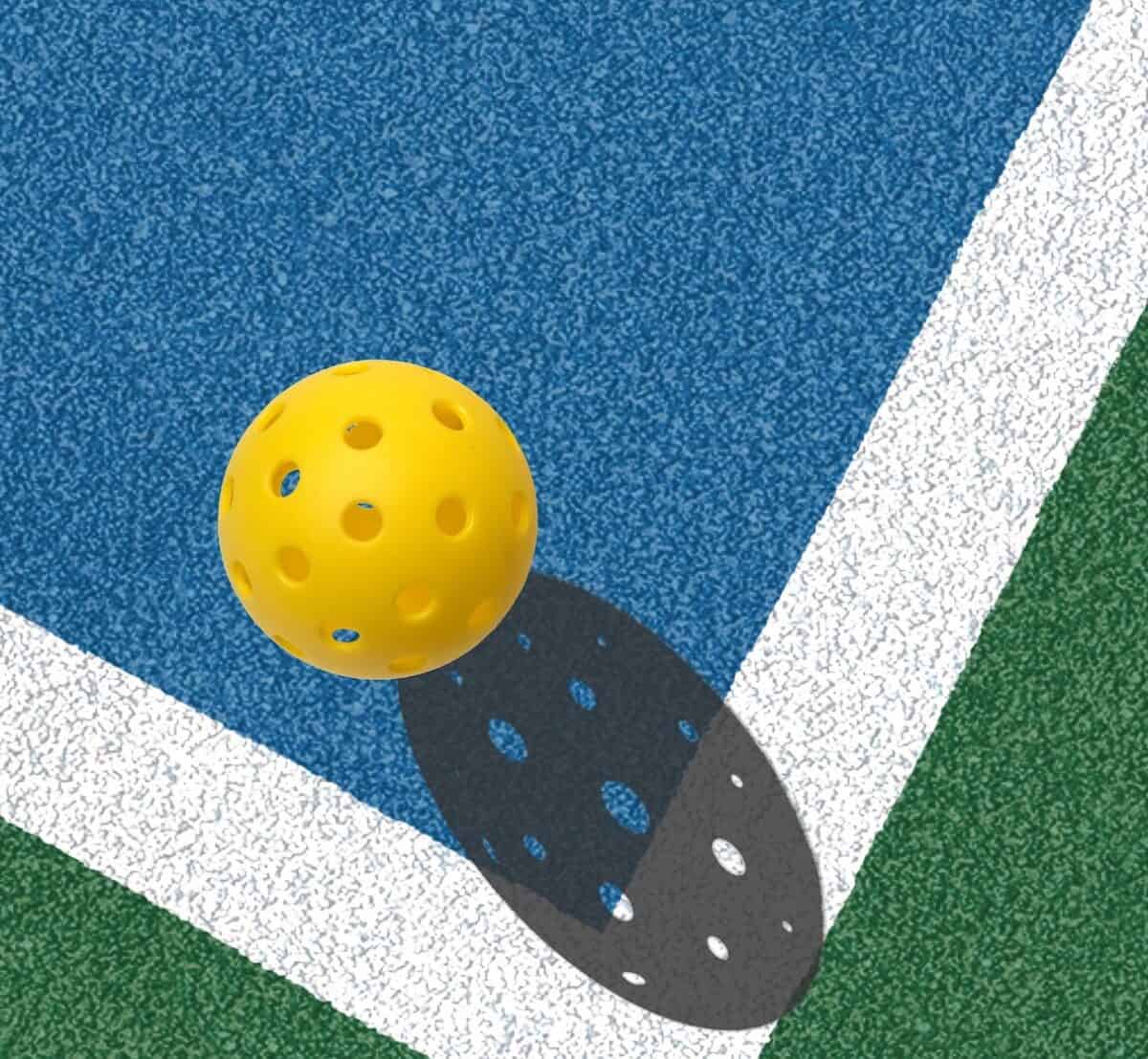
Pickleball began as a backyard invention and stayed simple. The basic rules, small court, and slower pace made it easy for families to learn. That simplicity gave the sport an instant advantage and started the chain reaction that explains how pickleball became popular.
Key points that set the foundation:
- Easy-to-learn rules that reduce the initial barrier for new players.
- Low-cost equipment and small court sizes that enable quick set-ups.
- A mixed-age, mixed-skill appeal that fits family and community recreation.
The game’s origin story—created by friends who wanted something fun and inclusive—helped it feel approachable. From day one, the social quality mattered more than elite athleticism. That social angle is central to how pickleball became popular in parks, community centers, and retirement communities.

How pickleball became popular: cultural and demographic shifts
Several cultural trends aligned perfectly with the sport’s strengths. Aging populations wanted low-impact exercise. Younger people wanted social, shareable experiences. Communities wanted activities that brought neighbors together.
How these trends pushed growth:
- Older adults seeking joint-friendly recreation adopted the sport quickly.
- Younger players found pick-up games and social media content appealing.
- Municipalities added courts to meet demand and maximize public space.
My experience: I watched a local rec center convert tennis courts and within months had steady, diverse attendance. The game’s timing with broad cultural shifts explains much of how pickleball became popular across age groups and neighborhoods.
How pickleball became popular: role of media, influencers, and social sharing
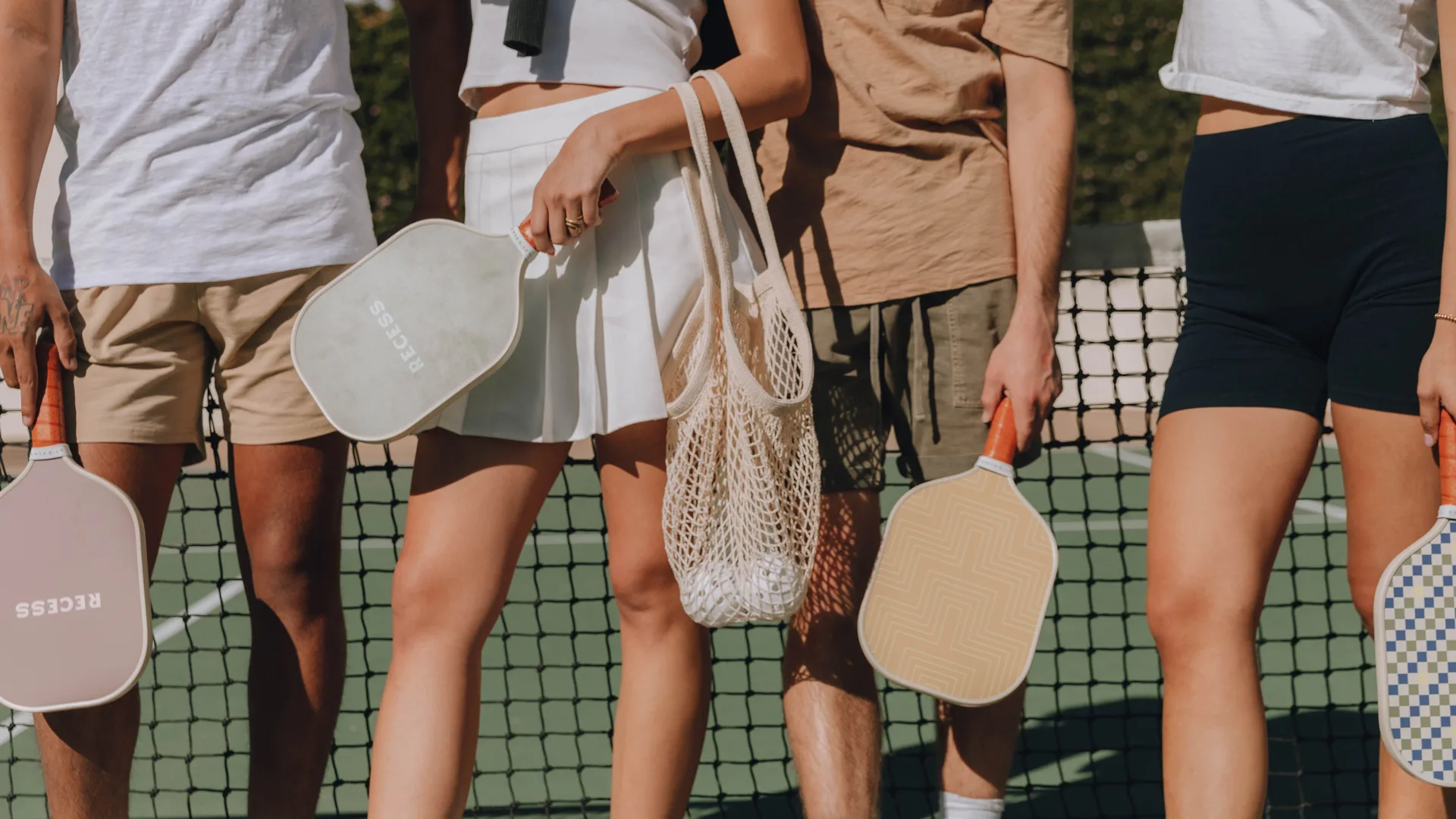
Visibility accelerated adoption. Short video clips, celebrity sightings, and viral tutorials turned curiosity into action. Social media made it easy to share wins, funny plays, and beginner progress.
Why visibility mattered:
- Short-form videos showcased fast, fun rallies that invited mimicry.
- Influencers and local celebrities drew attention to new courts and clinics.
- Media coverage framed pickleball as the next big recreational trend.
From a practical angle, I taught a beginner clinic that went viral locally after a short video. The next week, court reservations tripled. That kind of instant visibility is a clear example of how pickleball became popular in the digital age.

Community, accessibility, and grassroots organizing
Local clubs and grassroots organizers turned interest into lasting participation. Volunteers painted courts, ran free clinics, and formed leagues. Those actions built reliable social structures around the game.
Community factors that matter:
- Easy volunteer-driven programs that lower the cost of entry.
- Inclusive club cultures that welcome players of all levels.
- Flexible court scheduling that fits casual and competitive play.
In my neighborhood, a single volunteer organized beginner nights that became the social highlight of the week. That community glue shows why how pickleball became popular wasn’t just marketing—it was people building shared routines.
Business, professional tours, and commercialization
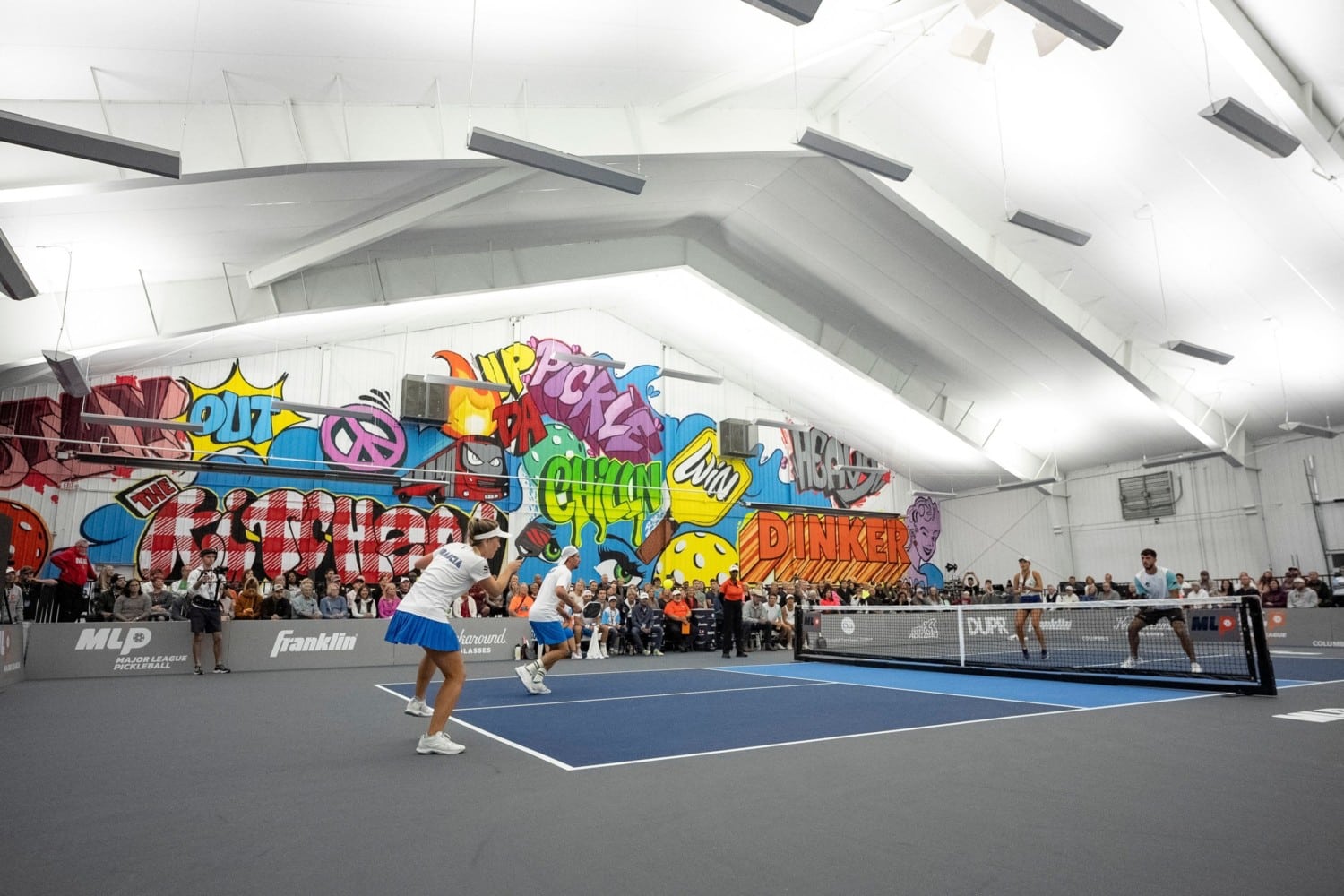
Once participation numbers rose, businesses and investors stepped in. Manufacturers improved paddles and balls. Leagues and pro tours created aspirational paths. Retailers and sponsors legitimized the sport for mainstream audiences.
Commercial drivers:
- Better equipment made the sport feel more “real” and durable.
- Tournaments and pro players provided role models and media hooks.
- Private clubs and parks invested in dedicated courts, increasing visibility.
I attended a regional tournament early on and saw families come for the spectacle. The pro events gave beginners something to aim for and helped explain how pickleball became popular beyond casual play.

How pickleball became popular worldwide: globalization and future outlook
The sport spread quickly through simple replication: courts were easy to add and rules were easy to teach. Overseas clubs adopted pickleball because it fits urban constraints and cross-generational play. Growth is now both organic and organized.
Global spread factors:
- Compact court footprint works in cities and small parks.
- Low cost and low learning curve make it transferable across cultures.
- International associations and exchanges promote standardized rules.
Looking ahead, expect continued court building, more youth programs, and better coaching infrastructure. While growth may slow in saturated markets, the core reasons how pickleball became popular—simplicity, social appeal, and accessibility—will keep driving expansion.

Practical tips for communities and organizers who want to grow the sport
If you want to help pickleball spread in your area, focus on simple, low-friction actions. My on-the-ground experience shows small investments lead to big returns.
Actionable steps:
- Add a weekly beginner night with free rentals to lower barriers.
- Convert underused court space into multi-use pickleball zones.
- Encourage short-form content that showcases community fun.
- Partner with local businesses for sponsorship and cross-promotion.
- Track participation data to justify permanent court installations.
These practical moves mirror successful patterns I’ve seen when watching how pickleball became popular in many towns.

Frequently Asked Questions of how pickleball became popular
What started the initial interest in pickleball?
The game began as a backyard pastime with simple rules and quick play. That simplicity made it easy for families and neighbors to try it and keep playing.
Why did older adults adopt pickleball quickly?
Pickleball is lower-impact than many racquet sports and offers social benefits, making it attractive to older adults. Easy rules and slower ball speeds help newcomers stay engaged.
How did social media affect growth?
Short videos and viral clips showcased exciting rallies and friendly moments, driving curiosity and local adoption. Influencers and community posts turned viewers into first-time players.
Did professional tours make a big difference?
Pro events helped legitimize the sport and created role models, but grassroots play and community courts did most of the real growth. Tournaments boosted visibility rather than creating the base.
Can any community make pickleball popular?
Yes. With low-cost equipment, volunteer organizers, and simple programming like clinics or beginner nights, most communities can build steady participation.
Conclusion
We’ve traced how pickleball became popular through a mix of simple design, cultural timing, media momentum, and community action. The sport’s accessibility and social nature did most of the heavy lifting, while businesses and pro events amplified the trend. If you want to help the game grow locally, start small: host beginner nights, share short videos, and build inclusive spaces. Try one of these steps this month, and watch new players join the fun. Leave a comment, share your experience, or subscribe to follow more practical guides on growing community sports.