Hold your paddle like a relaxed handshake, firm enough for control but light enough for quick wrist movement.
I’ve coached players and played regularly for years, so I know how to hold your paddle in pickleball matters more than most beginners think. This guide explains grip basics, common mistakes, shot-specific holds, and simple drills to build feel and consistency. Read on to master how to hold your paddle in pickleball with confidence and speed.

Why grip matters for every shot
A good grip sets up every shot. It affects control, power, and injury risk. Learning how to hold your paddle in pickleball helps you react faster and play smarter. The right hold makes volleys crisp and dinks soft.

Paddle grip basics: the handshake grip and setup
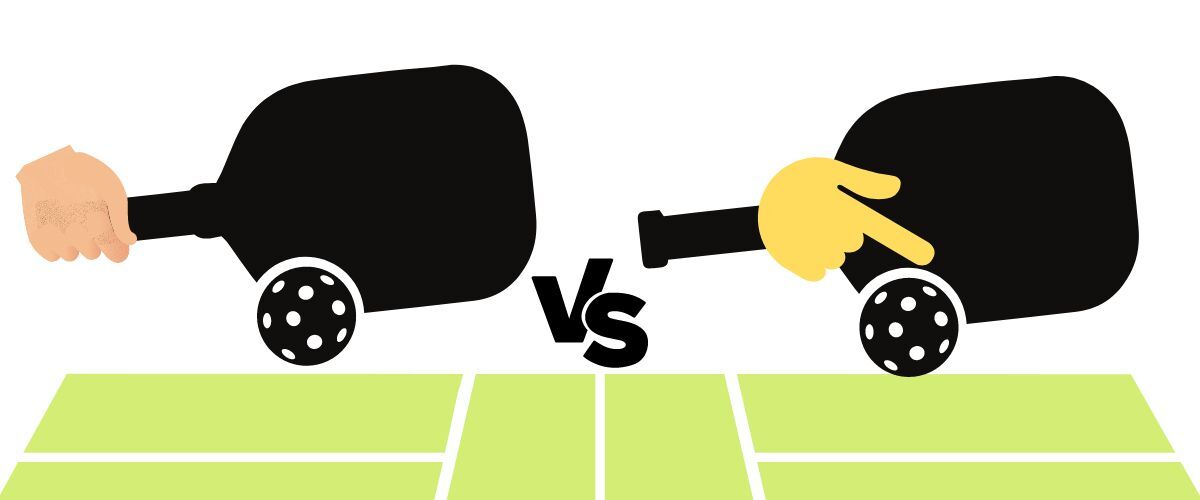
Start with a simple handshake. Stand relaxed. Hold the paddle as if you are shaking a friend’s hand. This is the base for how to hold your paddle in pickleball.
Follow these steps to set your grip correctly:
- Place your hand on the handle so the heel of your palm rests against the bottom edge of the paddle face.
- Wrap your fingers around the handle with your thumb and index finger forming a loose V that points to the top corner of the paddle face.
- Keep the grip pressure light. Aim for a 3 out of 10 squeeze during rallies to allow quick wrist action.
- Adjust so your wrist is neutral, not cocked. A neutral wrist reduces strain and improves control.
Practice this setup between points. Repeat it until it feels natural. This basic stance is key to learning how to hold your paddle in pickleball.

Grip types and when to use them
There are a few common grips. Each suits different shots. Knowing them helps you choose how to hold your paddle in pickleball for any play.
Continental grip
The neutral choice. The V between thumb and index points between the paddle face and top edge. Use it for serves, volleys, and quick reaction shots.
Eastern forehand grip
Rotate your hand slightly so the V points toward the paddle face. This gives more topspin and power on forehands. Use it when you want a stronger drive.
Eastern backhand / one-handed backhand
Turn the paddle face slightly so the V points toward the bottom edge. Good for clear backhands and angled shots. It is simple and effective for many players.
Two-handed backhand
Use both hands on the handle for extra stability. This grip helps with control on returns and high balls. It is often used by players shifting from tennis.
Test each grip in drills. Switch gently during warmups. That helps you decide which feels best for how to hold your paddle in pickleball.

Grip pressure and wrist control
Grip pressure matters more than grip type. Hold the paddle too tight and you lose feel. Hold it too loose and you lose control.
Key points to remember:
- Keep a relaxed wrist. This lets you add angle and soft touch.
- Use light grip pressure for dinks and volleys. Squeeze more for drives and serves.
- Watch for tension in your forearm. Relax shoulders and breathe between points.
A simple test: squeeze for serves and relax for dinks. This practice teaches proper pressure. It also reinforces how to hold your paddle in pickleball under match stress.

How to hold your paddle in pickleball for different shots
Different shots need small grip changes. Learn these simple adjustments to improve accuracy and power.
Dinks and soft touch
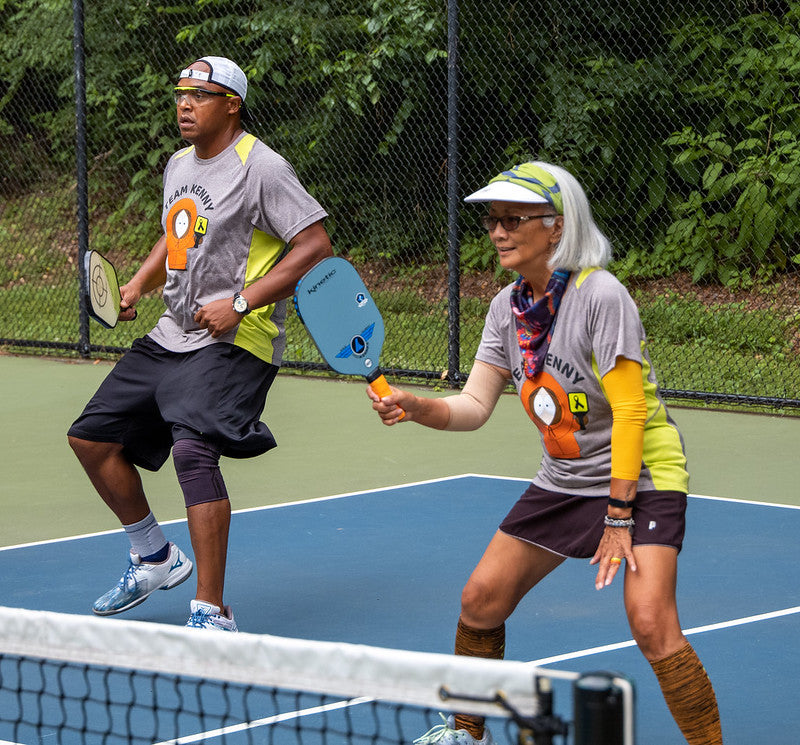
Use the handshake grip with light pressure. Keep the paddle face slightly open. Use wrist and shoulder calmness for control.
Volleys
Stay compact. Hold the paddle near the top of the handle for quicker reaction. Keep a neutral wrist and small backswing.
Groundstrokes and drives
Turn your grip slightly toward the eastern forehand for added topspin and power. Use more wrist snap and firmer grip on contact.
Serves and third-shot drops
Start neutral for the serve. For the third-shot drop, relax the grip and use a short, soft stroke. Aim for control over power.
Practice each shot slowly. Focus on feel and small adjustments to your grip. This trains you in how to hold your paddle in pickleball for every rally.

Common mistakes and simple fixes
Many players repeat the same grip errors. Fix them fast with clear drills.
- Over-gripping causing tight wrists and poor touch. Fix: practice deep breathing and squeeze tests.
- Wrong hand placement too far up or down the handle. Fix: use the handshake spot as a landmark.
- No grip changes between shots. Fix: rehearse moving from continental to eastern during warmups.
- Excessive wrist movement on basic volleys. Fix: keep wrist neutral and use shoulder for power.
- Standing too rigid or tense. Fix: loosen shoulders and bend knees for better balance.
Small corrections give big improvements. They help you play smarter and reduce injuries while learning how to hold your paddle in pickleball.
Drills to improve grip feel and consistency
Short, focused drills build reliable hand and wrist habits. Do these often.
- Wall volley drill — Stand close to a wall. Tap the ball with light grip for 60 seconds. Feel the handshake hold.
- Dink circle — Work with a partner at the kitchen line. Keep dinks short and soft for two minutes without breaking the rhythm.
- Squeeze test — Between points, squeeze and release the handle three times. Train appropriate grip pressure.
- Grip switch drill — Alternate between continental and eastern grips during feeding drills. Do ten switches per set.
- Slow serve placement — Serve slowly aiming for depth and control. Focus on consistent hand placement.
Practice these drills three times a week. They train how to hold your paddle in pickleball automatically.
Choosing the right paddle and grip size
Paddle choice affects how you hold it. A good match makes grip work easy and natural.
Tips to choose the right fit:
- Measure grip size by wrapping your fingers around the handle. There should be about a finger-width of space between your fingertips and palm.
- Try different handle lengths. Shorter handles work better for quick wrist play. Longer handles help with two-handed backhands.
- Add overgrip tape if the handle feels too small. Remove tape if it feels too bulky.
- Test paddle weight. Lighter paddles demand more wrist control. Heavier paddles give stability.
Buying and testing helps you find a paddle that supports how to hold your paddle in pickleball and your playing style.

Frequently Asked Questions of how to hold your paddle in pickleball
How tight should I grip the paddle?
Grip it light to medium. Aim for a 3 to 5 out of 10 squeeze during rallies, tightening slightly for powerful shots.
Which grip is best for beginners?
Start with the handshake or continental grip. It is versatile and teaches basic mechanics for how to hold your paddle in pickleball.
Can I switch grips during a rally?
Yes. Small changes are normal when moving from dinks to drives. Practice switching to make it smooth and fast.
How do I measure the right grip size?
Wrap your hand around the handle. You should fit one finger between your fingers and palm when holding the paddle comfortably.
Will grip pressure reduce injury risk?
Yes. Proper grip pressure and a neutral wrist reduce strain on the elbow and shoulder. Relaxed muscles help prevent overuse injuries.
Conclusion
Mastering how to hold your paddle in pickleball unlocks better shots, faster reactions, and fewer mistakes. Start with the handshake grip, practice grip pressure, and use simple drills to build feel. Try small daily habits and track your progress on the court. Ready to improve? Practice these tips, leave a comment about your experience, or subscribe for more pickleball guides.