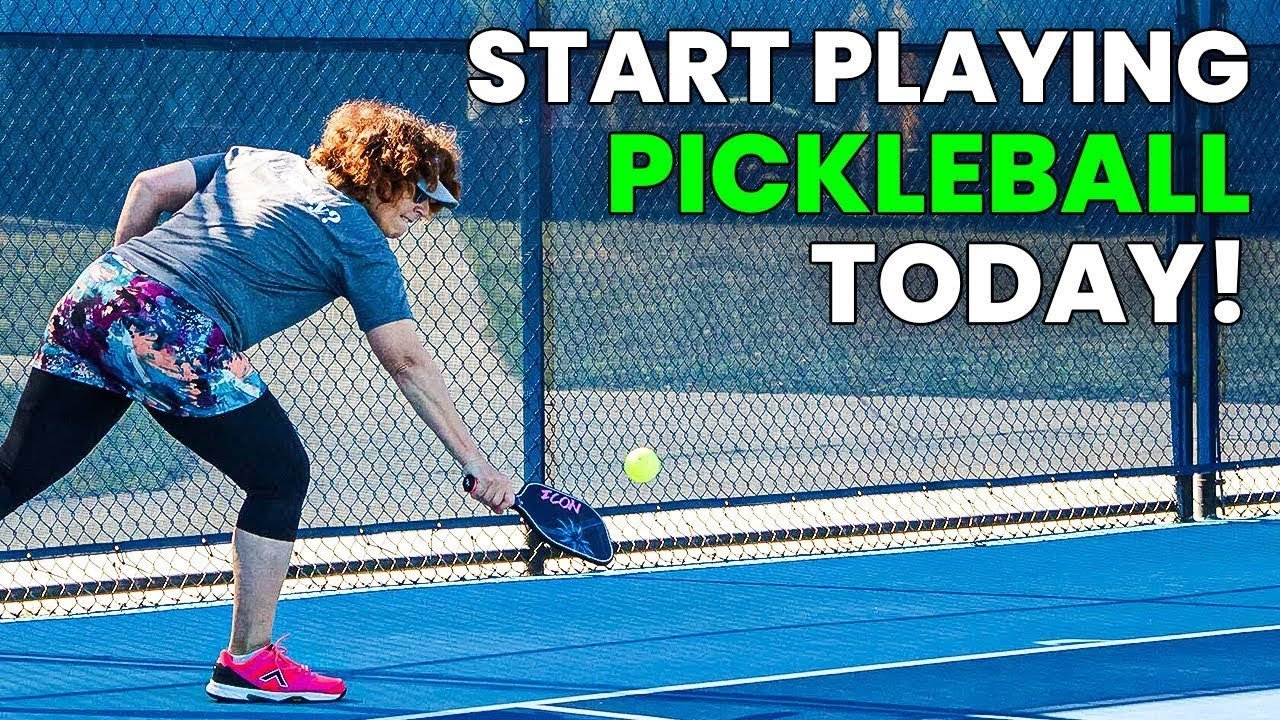
Start with a short warm-up, learn the rules, and practice serve, return, and dinks.
If you want a simple, friendly guide on how to play pickleball for beginners, you’re in the right place. I’ve taught many new players and learned what works fast. This article breaks everything down into easy steps, with clear rules, drills, and strategy. By the end, you’ll know how to play pickleball for beginners with confidence and joy.

What Is Pickleball and Why It’s So Fun
Pickleball blends tennis, badminton, and ping-pong. You play on a small court with a paddle and a plastic ball. The game is quick, social, and easy to learn in one day.
Here’s how to play pickleball for beginners in plain terms. Keep the ball in, learn a soft touch near the net, and move with your partner. Start slow, then add pace as you grow. When I ran my first clinic, the best wins came from patience and smart placement, not power.
This is how to play pickleball for beginners if you want fast progress: focus on serve, return, and net play. Learn one new skill per session. Play more points than you drill. You will improve fast when you play often with friendly partners.
Court, Lines, and Basic Rules
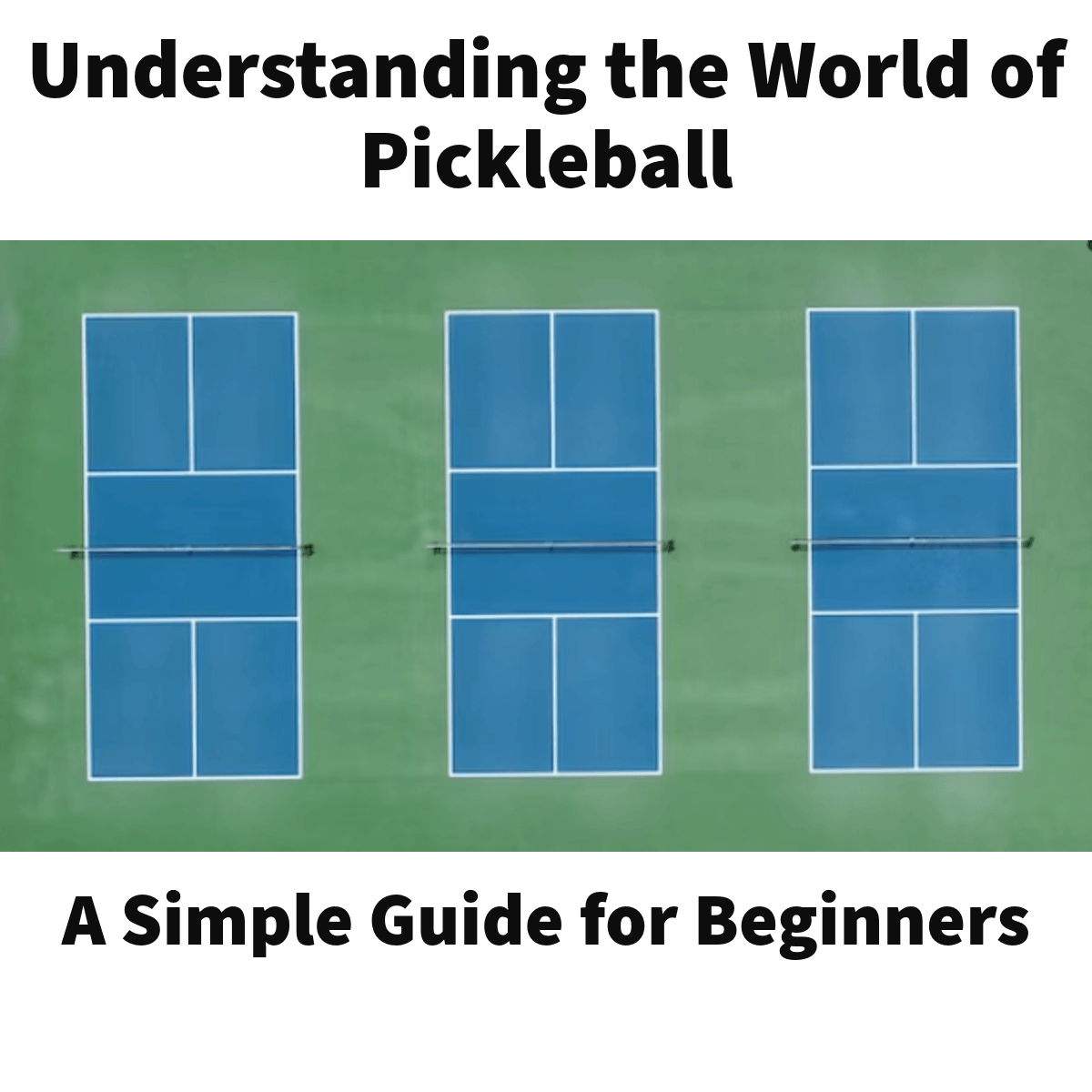
The court is 20 feet wide and 44 feet long for singles and doubles. The net is 34 inches at the center. Each side has a 7-foot non-volley zone (the kitchen) by the net.
Know these core rules that shape how to play pickleball for beginners:
- Serve crosscourt, behind your baseline. One try per point, unless a let is called.
- The ball must bounce once on the serve and once on the return. This is the double-bounce rule.
- Do not volley (hit in the air) while standing in the kitchen. You can step in to hit a ball that has bounced.
- Faults include hitting out, into the net, volleying in the kitchen, or missing the serve.
- Games usually go to 11, win by 2. You score only when serving.
A quick tip I share with new players: after the return, both partners move together toward the kitchen line. That line is where most points are won.

Essential Gear for Beginners
The right gear makes how to play pickleball for beginners much easier and safer.
Start simple:
- Paddle: Choose a midweight paddle (about 7.6–8.4 oz) with a comfortable grip size. A balanced paddle helps control and power.
- Ball: Outdoor balls have smaller holes and feel firmer. Indoor balls have larger holes and are softer.
- Shoes: Wear court shoes with good grip and lateral support. Running shoes can roll on quick stops.
- Extras: A hat or visor, sunglasses or eye guards, and a water bottle.
You do not need an expensive paddle at first. I’ve seen players jump levels with a budget paddle and smart practice. Upgrade once you know your style.

How to Grip, Stance, and Ready Position
Grip and stance sit at the core of how to play pickleball for beginners. Use a continental grip. Think of a handshake with the paddle. It works for forehands, backhands, and dinks.
Line up in a neutral stance with knees soft and weight on the balls of your feet. Keep the paddle up in front of your chest. Make a small split step as your opponent hits. This helps you react fast.
Try this drill: hold your paddle at chest height and bounce the ball up and down with small taps. Switch from forehand to backhand taps without dropping the paddle head. This builds control and touch.

Serving Basics Step-by-Step
Serving rules matter in how to play pickleball for beginners. A legal serve is an underhand motion with the paddle moving up. Contact the ball below your waist. At contact, one foot must be behind the baseline and not on the line.
Two simple options:
- Volley serve: Toss the ball and strike it in the air. No pre-spin with your fingers before contact.
- Drop serve: Drop the ball (no force) and hit it after it bounces. This is very beginner-friendly.
Aim deep and crosscourt. Pick a safe target about three feet inside the corner. Build a routine: bounce, breathe, swing smooth. Power can come later. Accuracy first.
Rules update from time to time, so check the latest official rulebook at your local club before events.

Returns, Dinks, and Drives
These shots define how to play pickleball for beginners. Keep your returns deep to push servers back. Float it high and deep if needed. Depth beats speed when you’re new.
On the third shot, choose a drop or a drive:
- Third shot drop: A soft arc that lands in the kitchen. This lets you and your partner move up.
- Third shot drive: A firm shot at the middle or at the paddle-side hip. Follow it in to the kitchen if it is effective.
At the net, dink crosscourt. The net is lower in the middle, and you have more distance to work with. Keep your wrist quiet. Think “catch and send” with soft hands.

Scoring and Player Rotation Made Simple
Scoring can confuse new players. It is a big part of how to play pickleball for beginners. Only the serving team scores. In doubles, you call three numbers: server score, receiver score, and server number (1 or 2).
A quick example:
- Start at 0-0-2 to begin a new game.
- Your team serves. You win the rally. The score is now 1-0-2.
- If you lose the next rally, the serve goes to the other team (a side out).
- They call their score, your score, and which server they are.
After your team scores a point, the serving partner switches sides. The return team stays put unless they win the serve.
Games are usually to 11, win by 2. Some events use 15 or 21. Ask before you start.
Beginner Drills You Can Do Today
Use these drills to practice how to play pickleball for beginners. Ten minutes a day helps a lot.
Try this plan:
- Serves to targets: Place two cones near the back corners. Hit 10 serves to each cone. Smooth and deep.
- Return depth: Have a partner serve. Your goal is to land returns within three feet of the baseline.
- Kitchen dinks: Crosscourt dinks for five minutes. Count how many in a row you can keep.
- Third shot drops: From the baseline, drop into the kitchen. Focus on height, arc, and a soft landing.
- Wall taps: Tap the ball against a wall with short strokes. Forehand, then backhand.
Track your longest streak for each drill. Beat it next time.
Common Mistakes and How to Fix Them
Avoid these errors in how to play pickleball for beginners. They cost points fast.
Watch for:
- Standing in no-man’s land: Move to the kitchen line as soon as you can.
- Hitting every ball hard: Use soft shots to set up a winner. Power is a spice, not the meal.
- Kitchen foot faults: Keep toes behind the line when volleying. Say “line, then swing” in your head.
- Death grip: Hold the paddle too tight, and the ball pops up. Loosen your grip for control.
- Ball watching: Peek at your partner and call “Mine” or “Yours” early.
When I started, I rushed the net and swung late. A split step and a softer grip fixed it fast.
Simple Strategy for Day-One Wins
Smart plans fuel how to play pickleball for beginners. Think high percentage, not highlight reel.
Use these keys:
- Serve deep and safe. One more ball in is one more chance to score.
- Return deep to the middle. Make them argue who should take it.
- Get to the kitchen line together. Own that space.
- Aim at feet, hips, or middle. Avoid the sidelines unless you must.
- Be patient in dink rallies. Wait for a pop-up, then finish to the open court.
In doubles, talk a lot. Say “Mine,” “Yours,” “Switch,” and “Bounce.” Simple words save points.
Safety and Court Etiquette
Safe play and good manners round out how to play pickleball for beginners. You will enjoy the game more and avoid mishaps.
Keep this in mind:
- Warm up. Light jog, arm circles, and easy dinks.
- Hydrate and rest in shade on hot days.
- Wear eye protection, especially outdoors.
- Yell “Ball on!” if a ball rolls onto your court. Stop play right away.
- Make honest line calls. If you are not sure, call it in.
- Tap paddles or say “Good game.” Welcome new players.
If you feel a pull or pain, stop and stretch. Your next game is worth the break.
Frequently Asked Questions of how to play pickleball for beginners
What is the fastest way to learn pickleball?
Play short games and focus on serve, return, and dinks. Add one new skill per session and track your streaks in drills.
How long does it take to get decent at pickleball?
Most beginners feel confident in 4–6 weeks with two to three sessions per week. Regular play matters more than long, rare practices.
What is the kitchen and why is it important?
The kitchen is the 7-foot non-volley zone by the net. You cannot volley from there, so smart footwork and soft hands win many points.
Do I need an expensive paddle to start?
No. A mid-price paddle with a comfy grip is perfect for day one. Upgrade later once you know your style and needs.
Can I spin the ball on my serve?
You can create spin with your paddle, but avoid pre-spinning the ball with your fingers. Check the latest rulebook, as serve rules can change.
Is singles harder than doubles for a beginner?
Usually yes, because you must cover the whole court. Start with doubles to learn placement, teamwork, and court sense.
How do I keep score in doubles without getting lost?
Always call server score, receiver score, then server number. If confused, reset by checking who first served in the game and realign positions.
Conclusion
You now know how to play pickleball for beginners from the ground up. Learn the court, serve deep, return deep, and move to the kitchen as a team. Use soft shots to build the point, then finish the easy ball.
Pick one drill today and one goal for your next game. Show up, smile, and play more points. If this helped, share it with a friend, subscribe for more guides, or drop a question in the comments.