
Use shot consistency, court awareness, and matchplay to rate your pickleball level.
I’ve coached and played hundreds of sessions, and this guide clearly explains how to rate what pickle ball level you are. I combine simple tests, match observations, and practical drills so you can measure skill honestly and improve fast. Read on for step-by-step methods, real-world tips from my experience, and easy drills you can use today to understand and raise your level.

Understanding pickleball skill levels
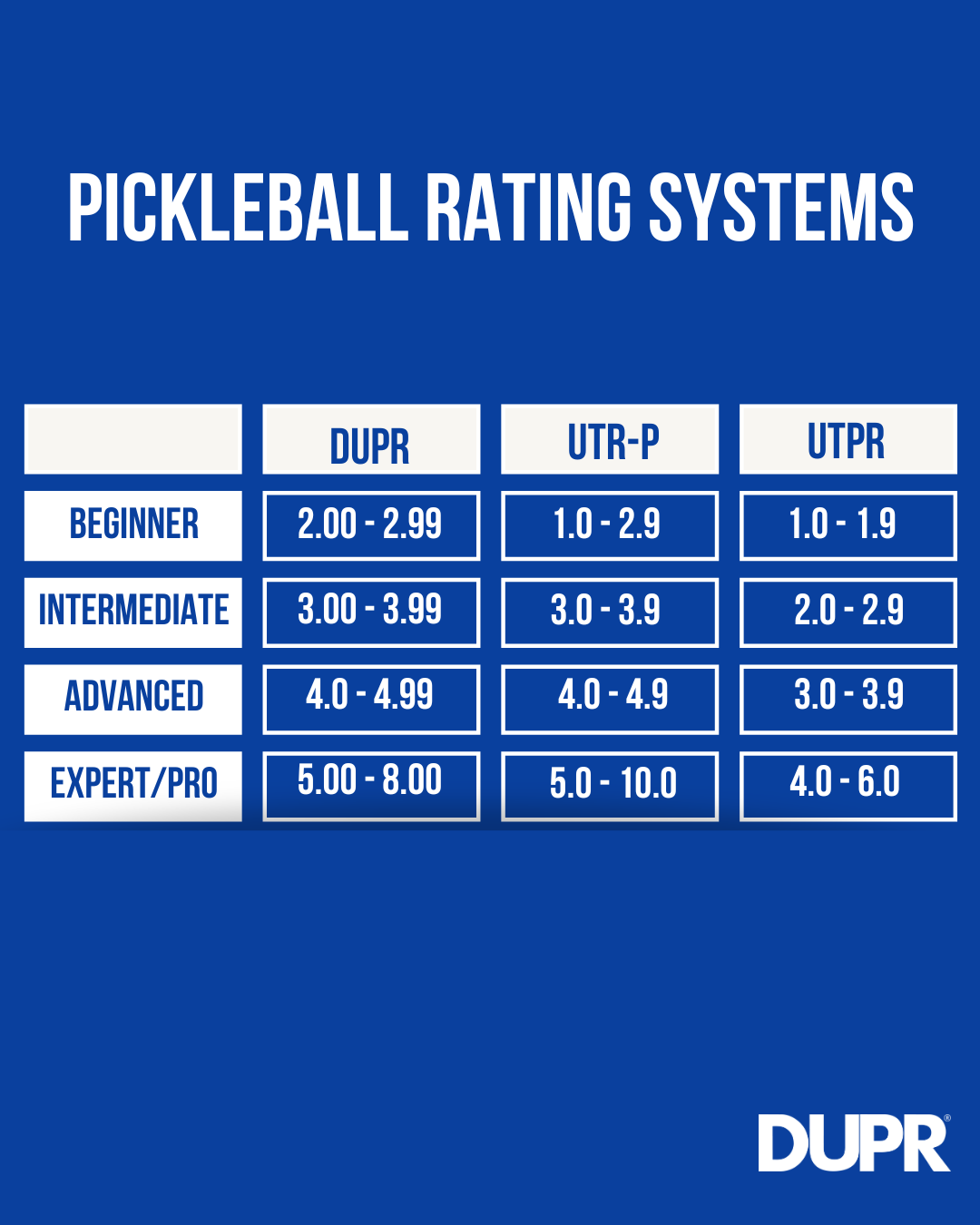
Pickleball levels give players a simple way to compare skills. Knowing how to rate what pickle ball level you have helps you find appropriate partners, drills, and tournaments. Levels commonly range from beginner to advanced, with sublevels in between. A clear, objective approach avoids overrating or underrating your abilities.
Players often confuse confidence with skill. To avoid that, focus on observable actions. How you move, shot consistency, and decision-making matter most. This article shows practical ways to test and track each skill area so you can reliably rate yourself.
A step-by-step method to rate your pickleball level
-
Define the level framework you’ll use.
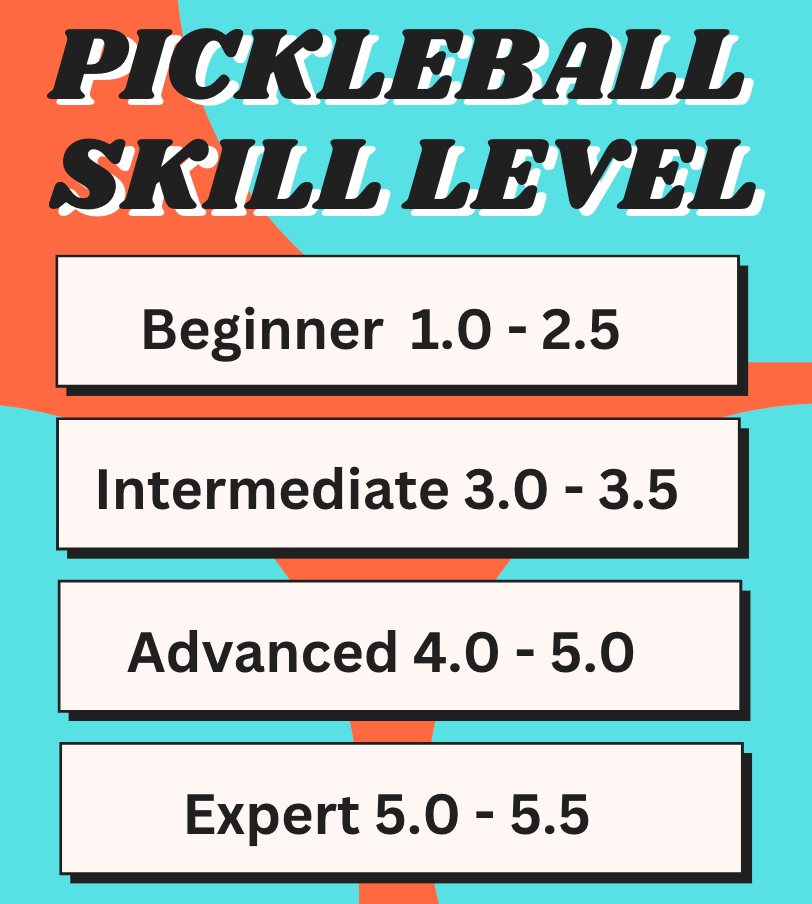
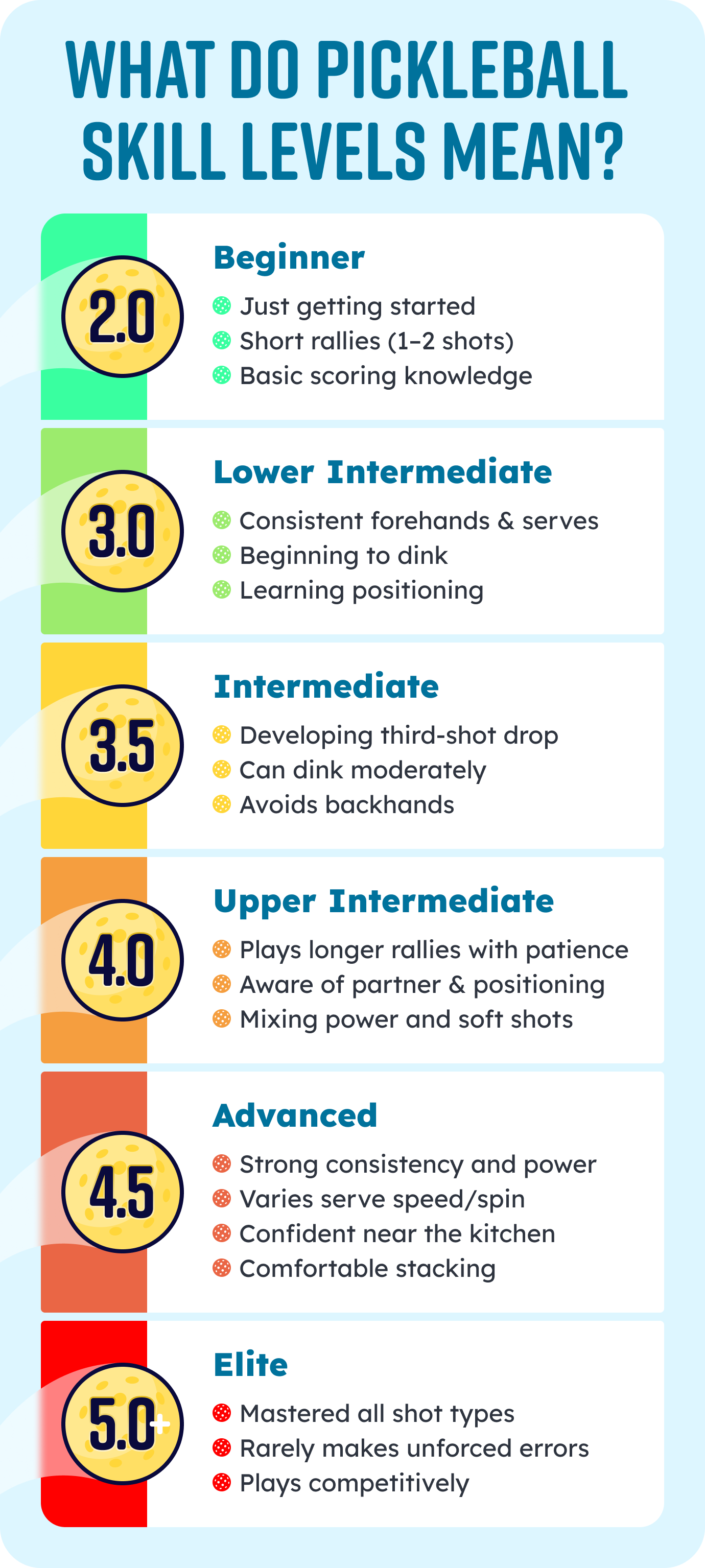
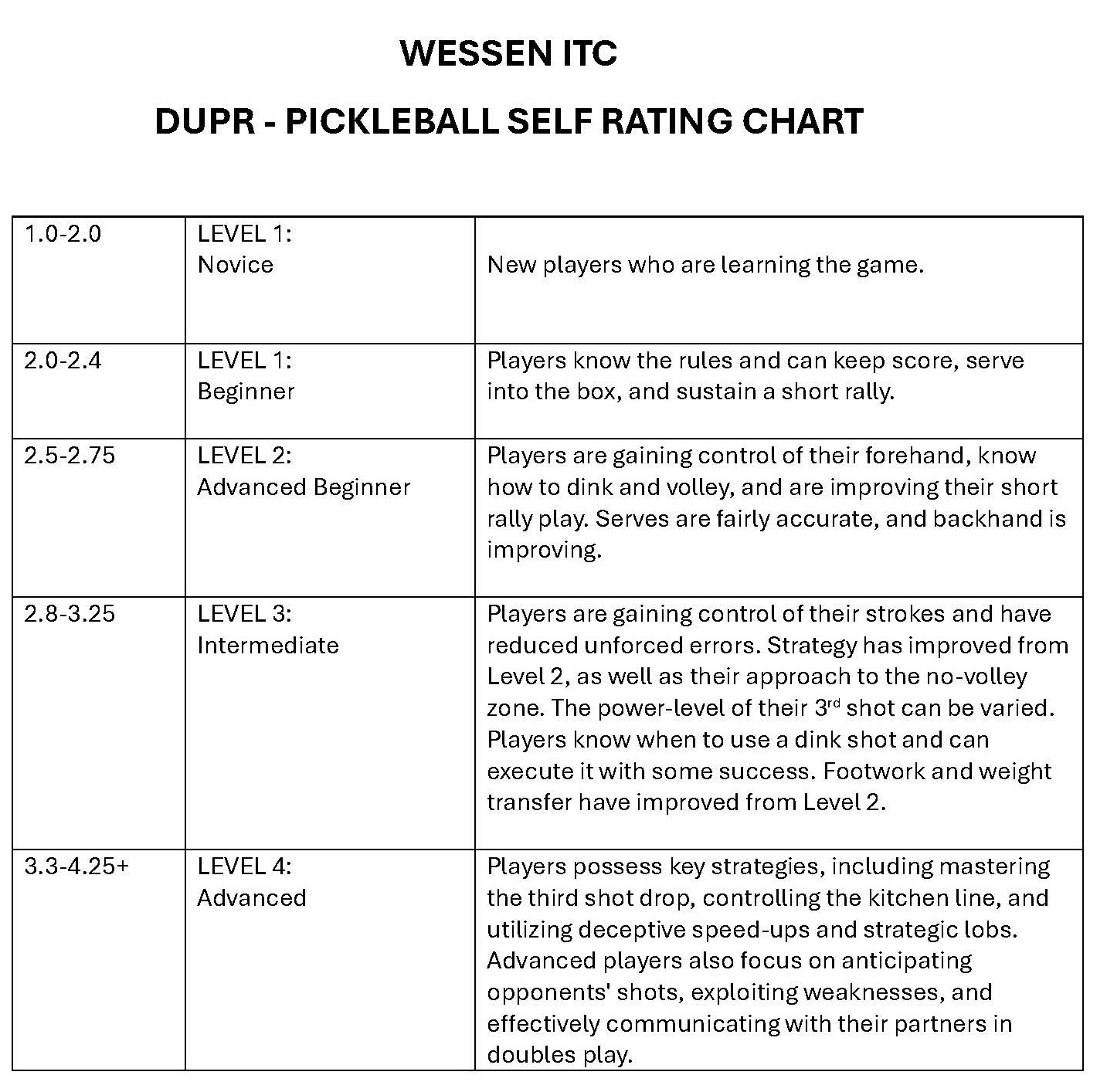
- Use simple categories: Beginner, Intermediate, Advanced, and Competitive.
- Add sub-levels (for example 2.0 to 5.0) if you want more precision.
-
Run basic skill checks.
- Test serve consistency, return depth, dinks, volleys, and third-shot drops.
- Record pass/fail and numeric scores for each skill.
-
Do timed drills and count success rates.
- For example, hit 20 dinks to the kitchen and count how many land in.
- Use percentage results to place yourself on a scale.
-
Play structured matchplay and review.
- Play at least three matches against varied opponents.
- Note tactical decisions, error types, and pressure responses.
-
Combine scores into a rating.
- Weight consistency and game-play higher than single flashy shots.
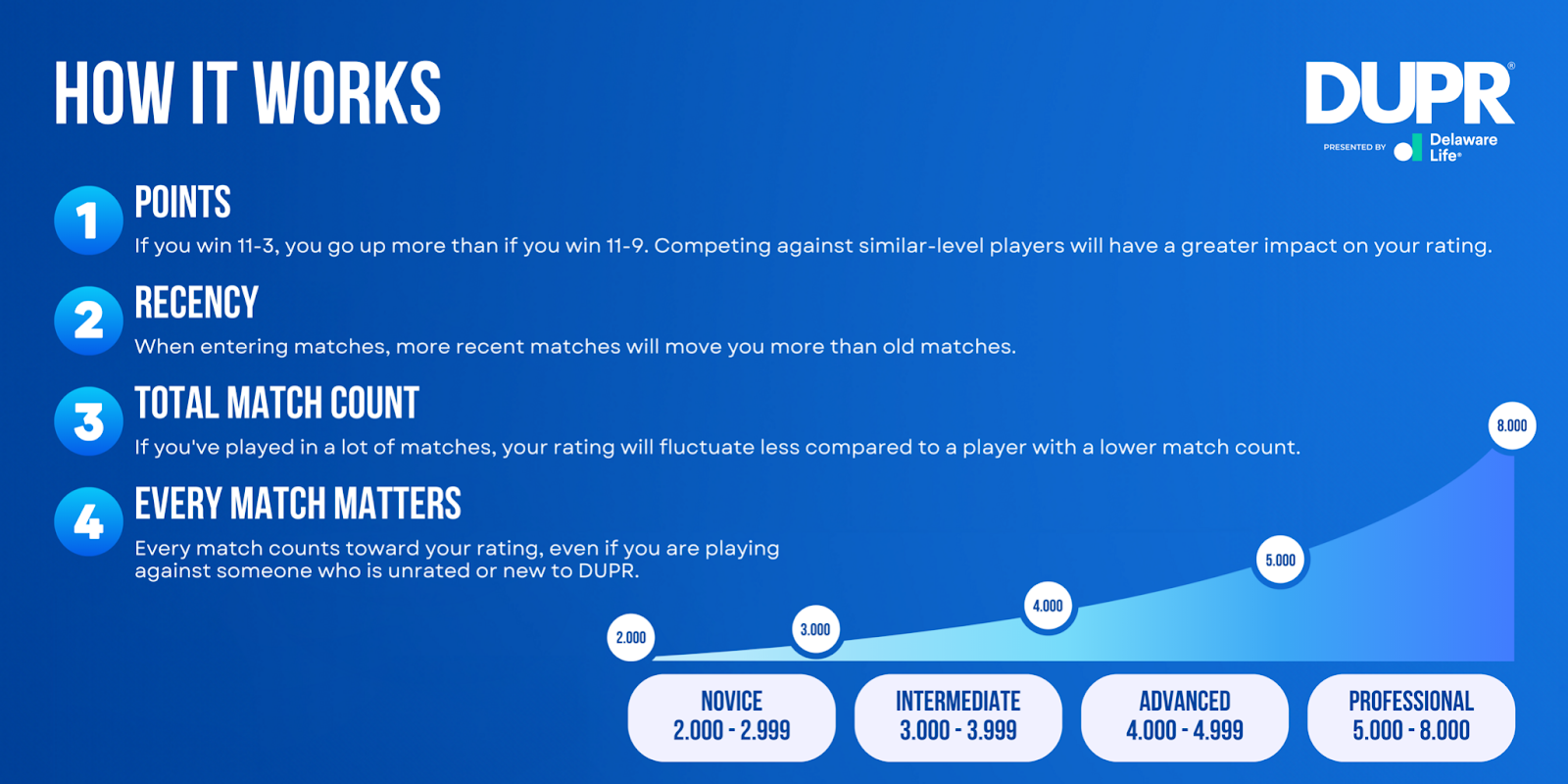
- Map the combined score to your chosen framework.
Follow these steps to get a clear, repeatable way to learn how to rate what pickle ball level you are. Repeat assessments every 4–8 weeks to track improvement.
Key skills and metrics to measure
-
Serve accuracy
- Percentage of serves that land in and force a weak return.
- Measure placement variety and spin control.
-
Return of serve
- Ability to return to the kitchen line or neutral zone.
- Count how often you force a neutral rally.
-
Dinking and soft game
- Consistency of cross-court and straight dinks.
- Count sustained exchanges of 10+ dinks without error.
-
Third-shot drop
- Success rate getting the ball into the kitchen under pressure.
- Third-shot drop is a strong predictor of level.
-
Volleys and transition
- Reaction time at the net and volley placement.
- Note forced errors vs. unforced errors.
-
Movement and positioning
- Ability to maintain court spacing and recover.
- Count times you are out of position during a point.
-
Shot selection and strategy
- Decision-making under pressure and tactical variety.
- Track whether you choose safe plays or risky winners.
Use these metrics when you practice how to rate what pickle ball level you currently hold. They give a balanced view across technical and tactical ability.
Drills, tests, and tools to verify your level
-
20-Dink Test
- Two players alternate dinks aiming for 20 uninterrupted shots.
- Fails and forced resets indicate areas to work on.
-
Serve-Return Drill
- Serve 20 times, opponent attempts standard return; record how many returns land in play.
- Use this to measure serve pressure.
-
Third-Shot Drop Drill
- Player A feeds drives; Player B practices third-shot drops from baseline.
- Measure how many drops land in kitchen out of 20 attempts.
-
Volley Reaction Drill
- Use a ball machine or partner to hit rapid volleys.
- Count clean volleys versus errors over fixed sets.
-
Video review and apps
- Record matches to watch positioning and choices.
- Use slow motion to identify technical flaws.
From my coaching experience, video review accelerated improvement more than practice alone. Watching your match reveals habits you don’t feel during play. Combine drills and match review to make your answers precise when deciding how to rate what pickle ball level you are.
Matchplay observations and rating during games
Watch these during matchplay to decide your level.
-
Error type
- Are errors mostly unforced or caused by opponent pressure?
- Unforced errors suggest technical gaps.
-
Shot consistency under pressure
- Do your shots hold up in close games or crucial points?
- This shows mental and technical maturity.
-
Tactical choices
- Do you move to neutral positions and use the third-shot drop?
- Good tactical play often separates intermediate from advanced.
-
Opponent feedback
- Ask partners what they notice about your strengths and weaknesses.
- Honest peer feedback speeds rating accuracy.
Use matchplay to validate test scores. If tests say you are intermediate but you struggle routinely in matches, adjust your rating. Real games are the final judge when assessing how to rate what pickle ball level you play at.

Common mistakes and how to improve your rating
-
Relying on wins alone
- Wins can come from luck or mismatched opponents.
- Use structured tests to get an accurate read.
-
Neglecting the soft game
- Many players ignore dinks and third-shot drops early on.
- Practice soft game drills; they boost level faster than power shots.
-
Skipping video review
- You don’t see your own faults clearly in play.
- Record a few matches monthly and review key moments.
-
Overemphasizing flashy shots
- A few winners don’t equal reliable play.
- Build a foundation of consistency first.
These corrections helped me and many players I coached move up levels within months. Focused practice and honest testing are the fastest ways to change how to rate what pickle ball level you hold.
Frequently Asked Questions of how to rate what pickle ball level
How quickly can I determine my pickleball level?
You can get a reasonable estimate in one to two sessions using structured drills and a couple of matches. For a more reliable rating, track results over 4–8 weeks.
Is there a standard test for rating pickleball levels?
There is no single global standard, but consistent drills like the 20-Dink Test and serve-return metrics are widely used. Combining drills with matchplay gives the best picture.
Can I self-rate accurately at home?
Yes—if you use objective measures like success rates and video review. Being honest about errors and pressure situations is essential for accuracy.
How often should I reassess my level?
Reassess every 4–8 weeks after focused practice to see real improvement. Frequent checks prevent plateau and help set new, realistic goals.
Will playing higher-level players help my rating?
Playing up challenges your weaknesses and exposes gaps in decision-making and consistency. It may temporarily lower your win rate but speeds up lasting improvement.
Conclusion
Measuring skill is simple when you break it into clear tests, match observations, and honest self-review. Use the step-by-step method here to learn how to rate what pickle ball level you are, then set focused drills to improve the metrics that matter. Track progress, use video, and play varied opponents to move up faster. Try one full assessment this week and share your results or questions in the comments — I’d love to help you interpret them.