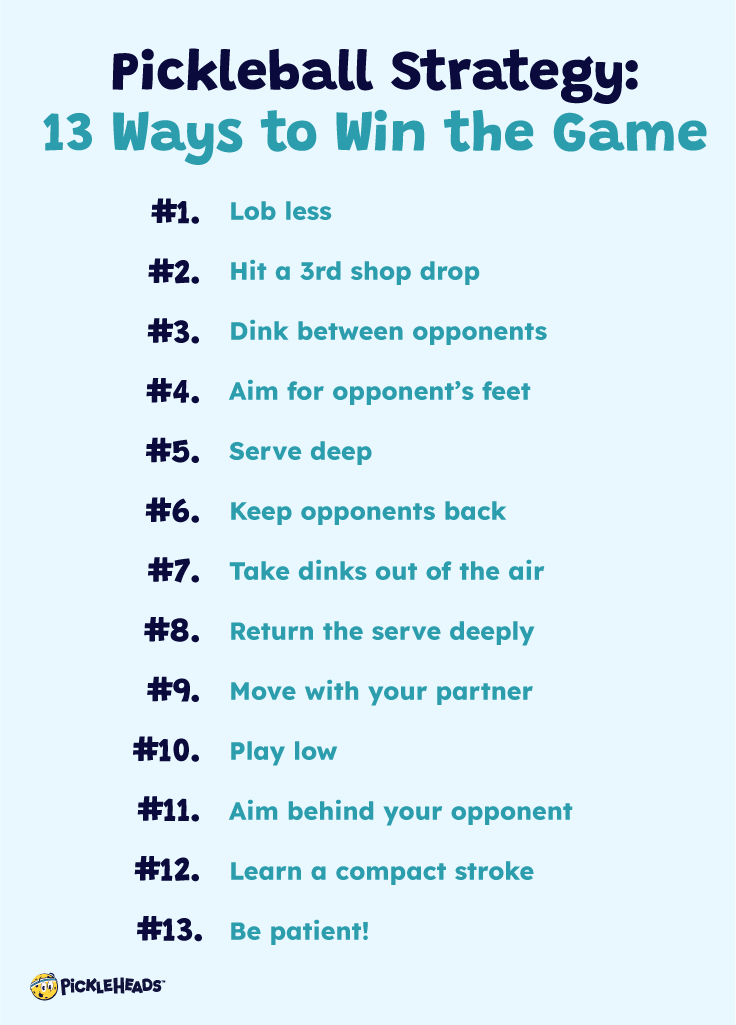
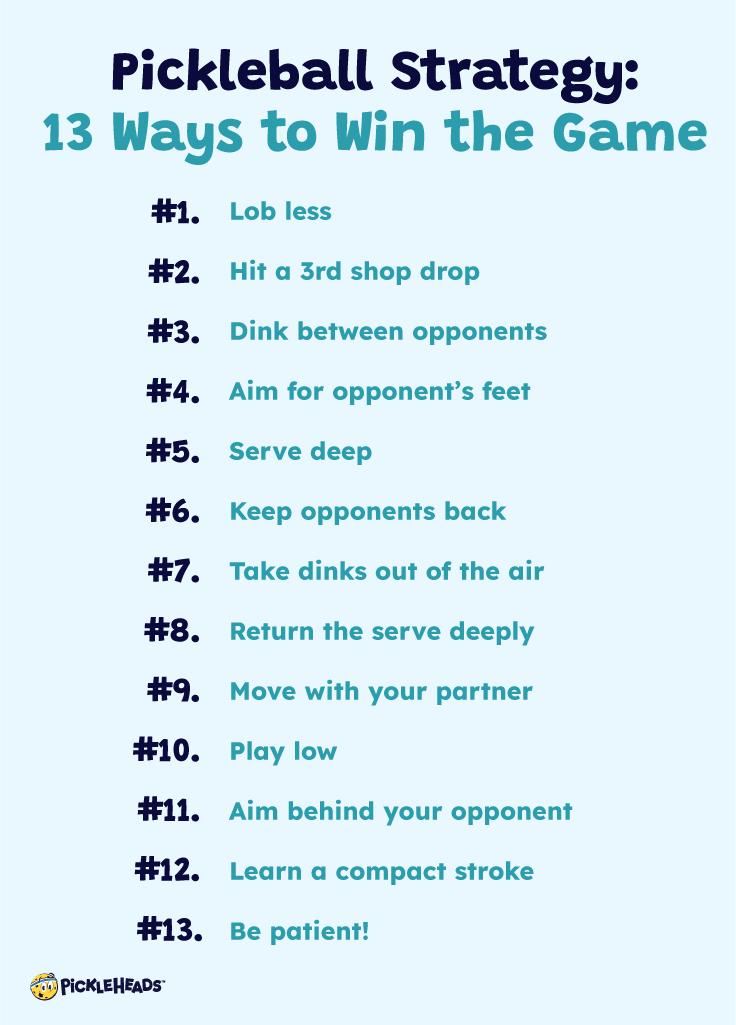
Win pickleball by controlling the kitchen, serving deep, and reducing unforced errors.
If you want to learn how to win pickleball, this guide walks you through the exact skills, drills, and match tactics that turn close games into wins. I’ve coached players from first-time rec nights to 4.5 league play, and I’ll show you what works under pressure, how to fix common mistakes, and how to build a plan you can follow today.
Control the Kitchen and Tempo
The fastest way to earn better results is to command the non-volley zone. Step to the kitchen line early, keep your paddle up, and take balls out of the air. This shrinks your opponent’s time and lets you choose when to speed up or reset.
Tips to control the kitchen:
- Get to the line together after the return; do not camp in no man’s land.
- Dink crosscourt more often; you have a longer, safer path and more margin.
- Aim dinks at the opponent’s backhand hip or feet; that draws pop-ups.
- Take balls in the air when safe; it steals time and keeps pressure on.
- Keep contact in front; if the ball gets behind you, reset soft into the kitchen.
If you ask how to win pickleball in doubles, start here: win the line, win the tempo, and make them beat you with low-percentage shots.

Serve, Return, and Third Shot Fundamentals
Your serve and return set the table. Hit deep, high-percentage serves. Vary height and spin a little, but avoid double faults. On returns, aim deep to the server’s weaker wing and follow your shot to the kitchen.
Third-shot choices:
- Drop when opponents are set at the line; it helps you advance safely.
- Drive when you see a high or short return; follow with a fifth-shot drop.
- Mix in a lob only when they’re leaning forward and the wind helps.
Simple drills that move the needle:
- 20 deep serves to each corner without a miss; then add topspin.
- 20 deep returns crosscourt; call out your target before each swing.
- 15 third-shot drops crosscourt, focusing on arc and landing in the kitchen.
If your goal is how to win pickleball at any level, build a serve-return-third routine you trust and repeat it.
Shot Selection That Wins Rallies
Great players do not hit every ball hard. They pick their spots. Think of offense like a light switch you flip only when you have a high ball or you catch an opponent leaning.
High-percentage patterns:
- Dink patiently, then speed up to the opponent’s paddle-side shoulder.
- Attack out of the air to the body; it jams and creates pop-ups.
- Reset tough balls by rolling soft into the kitchen, crosscourt if possible.
- Use the lob when opponents crowd the line; cover yours by retreating together.
- Finish with an angle, not raw speed; make them hit while moving.
When people ask how to win pickleball with consistency, I tell them to earn the attack with two or three smart, soft shots first.
Smart Positioning and Footwork
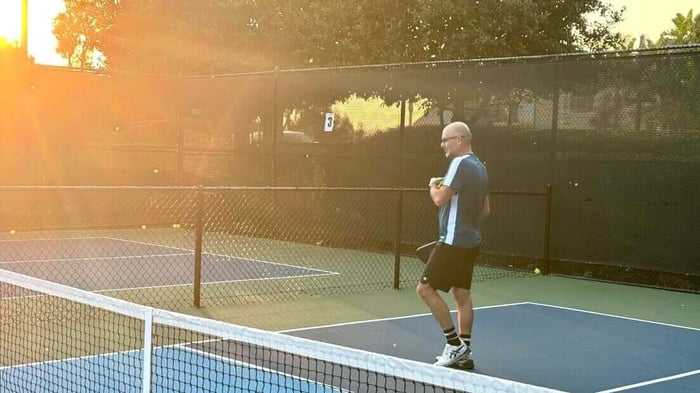
Footwork wins close points. Use a small split step as your opponent strikes. Stay light on your toes and keep your chest facing the ball. Move as a unit in doubles, and avoid backpedaling; turn, shuffle, and recover.
Positioning keys:
- Stop moving before you hit; balance boosts control and power.
- In transition, hit up on the ball to clear the net and buy time.
- Cover middle balls with the forehand when possible; call “mine” early.
- Keep your paddle at chest height; adjust to backhand or forehand late.
- Respect angles; if you pull wide, your partner pinches middle.
If you wonder how to win pickleball against quick teams, sharpen footwork and spacing. Better feet beat bigger swings.
Doubles Tactics and Communication
Doubles rewards clear roles and clean spacing. Designate who takes middle balls and how you stack to keep strengths in play. Target the weaker side, change speeds, and track who is struggling with backhand dinks or high balls.
Partner habits that pay off:
- Call out “Bounce” or “Hit” on every ball; decide together.
- Stack to keep both forehands in the middle if that’s your strength.
- Poach when you see a slow, high return; cover for each other on switches.
- Use soft pressure: dink to the weaker player until they cough up a high ball.
- Call score and targets between points; simple plans beat silence.
If you’re learning how to win pickleball in league play, make a short plan every two points and update it after timeouts.

Singles Strategy Made Simple
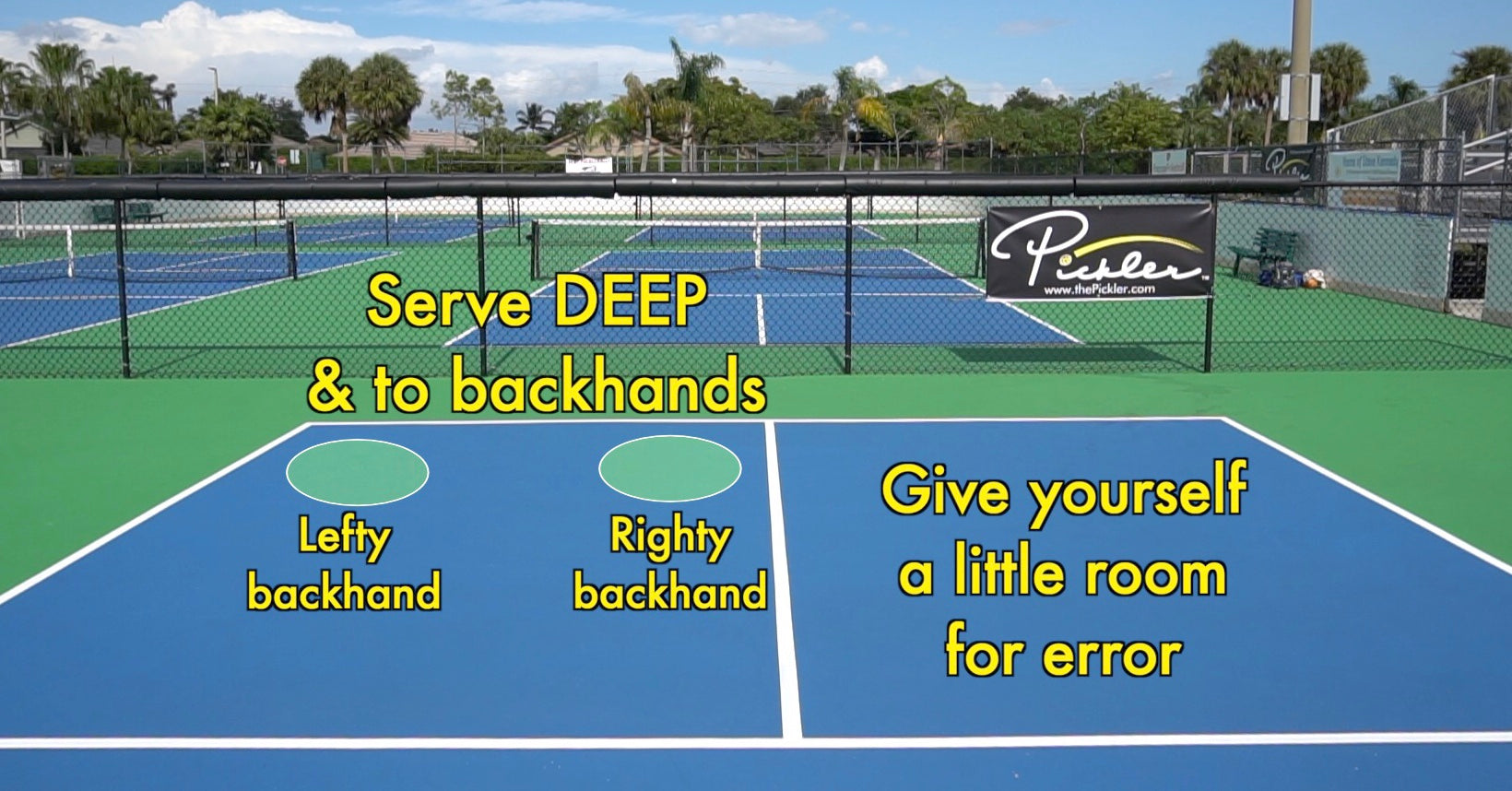
Singles is about serve plus one and court coverage. Serve deep to the backhand, step in, and hit behind your opponent. Keep rallies to high-percentage patterns and recover to the middle after every shot.
Go-to singles patterns:
- Deep serve, deep forehand to the corner, then approach behind it.
- Mix drives with occasional drop approaches to the kitchen line.
- Aim passing shots low to the corners; follow with a volley to the open court.
- Add a short angle when they camp deep; move them forward and back.
- Use a split step before every opponent contact; it saves your legs.
If your focus is how to win pickleball in singles, build stamina, serve heavy, and master the approach-and-volley.
Mental Game, Scoring, and Timeouts
Side-out scoring rewards patience. Protect your serve, and use timeouts to slow runs. Have a pre-point routine to relax and pick a simple target. At big points, pick your highest-probability serve, return, and third shot.
Match management tips:
- Breathe: in through nose, out through mouth; relax grip before each point.
- Pick one target per point; clutter kills focus.
- On runs, call a timeout; sip water, dry hands, choose a pattern.
- Track wind, sun, and ball wear; adjust margin and spin.
- Smile after errors; reset with a cue word like “forward” or “soft.”
Ask any coach how to win pickleball under pressure, and they’ll tell you: slow the mind, trust your plan, and choose margin.
Practice Plan: 45 Minutes For Real Gains
A simple plan beats a random hit. Keep reps high and goals clear. Use a timer, count makes, and write down your best streaks. Small, steady wins stack fast.
Sample 45-minute session:
- Warm-up 5 minutes: mini-dinks, volleys, service line groundstrokes.
- Serve 8 minutes: 40 deep serves, alternating corners; track misses.
- Return 7 minutes: partner serves; you aim deep crosscourt and follow to the line.
- Third-shot ladder 10 minutes: 10 drops, 10 drives, 10 drop–drive mixes.
- Dink game 10 minutes: crosscourt to backhands; first to 7 with two-ball resets.
- Finisher 5 minutes: skinny singles to work footwork and accuracy.
If you want a simple path for how to win pickleball faster, measure practice and chase consistency first, power second.
Gear and Setup That Support Winning
You do not need the newest paddle to win, but setup matters. Choose a paddle weight and grip size that protect your arm and suit your style. Wear court shoes with good support and use overgrips to keep hands dry.
Smart gear choices:
- Paddle weight: midweight for balance; add lead tape at 3 and 9 for stability.
- Grip size: wrist should not overextend; add an overgrip if in doubt.
- Balls: practice with the ball used in your league for bounce familiarity.
- Shoes: court shoes prevent slips and help quick starts and stops.
- Sweat control: towel and overgrips reduce mishits from slippery hands.
When players ask how to win pickleball with gear, I say: set up for control, then build confident swings.
Common Mistakes And Quick Fixes
Learning how to win pickleball often means avoiding easy errors. Here are fast fixes I give students after first sessions.
Quick fixes:
- Hitting every ball hard: wait for a high ball; earn the attack with dinks.
- Floating returns: aim deep crosscourt and follow to the kitchen.
- Getting stuck midcourt: lift soft resets, then move as a unit to the line.
- Late paddle prep: keep paddle up and out front; short backswing, simple follow-through.
- Ignoring the wind: add margin into the wind; drive more with the wind.
- Not using timeouts: stop runs fast; choose one safe play before restarting.
- Telegraphed speedups: disguise by dinking twice, then attack to the shoulder.
Reps build trust. If you keep asking how to win pickleball more often, trim unforced errors and play the odds.
Frequently Asked Questions of how to win pickleball
What is the biggest key to how to win pickleball?
Control the kitchen line and reduce unforced errors. When you own the line, you control time, angles, and tempo.
How do I choose between a third-shot drop and drive?
Drop when opponents are set at the line and the return is deep. Drive when the return is short or high, then be ready to reset the fifth shot.
What should I focus on in doubles communication?
Decide who takes the middle, whether you stack, and how you cover lobs. Use simple calls like “mine,” “yours,” and “bounce” on every ball.
How do I handle bangers who hit hard every shot?
Soften the game with low, crosscourt dinks and body resets. Take pace off, block to the kitchen, and make them hit up first.
What is a quick way to improve serves for how to win pickleball?
Aim deep to both corners with a smooth, repeatable motion. Track makes, add a little spin for margin, and avoid double faults.
How can I practice alone to learn how to win pickleball?
Shadow footwork, serve to targets, and use a wall for dinks and volleys. Film 10 minutes to check paddle prep, balance, and contact point.
Does stacking help with how to win pickleball at lower levels?
Yes, if it keeps your strengths in the middle and reduces backhand errors. Keep the system simple so you do not confuse service positions.
Conclusion
Winning more often comes down to simple, repeatable habits: get to the kitchen, serve and return deep, pick smart third shots, and manage your mind. Build a short practice plan, track progress, and play the odds with patient pressure. Start today: choose one tip, run it for a week, and watch your results climb. If this helped, share it with a partner, subscribe for more guides, or drop your biggest question in the comments.