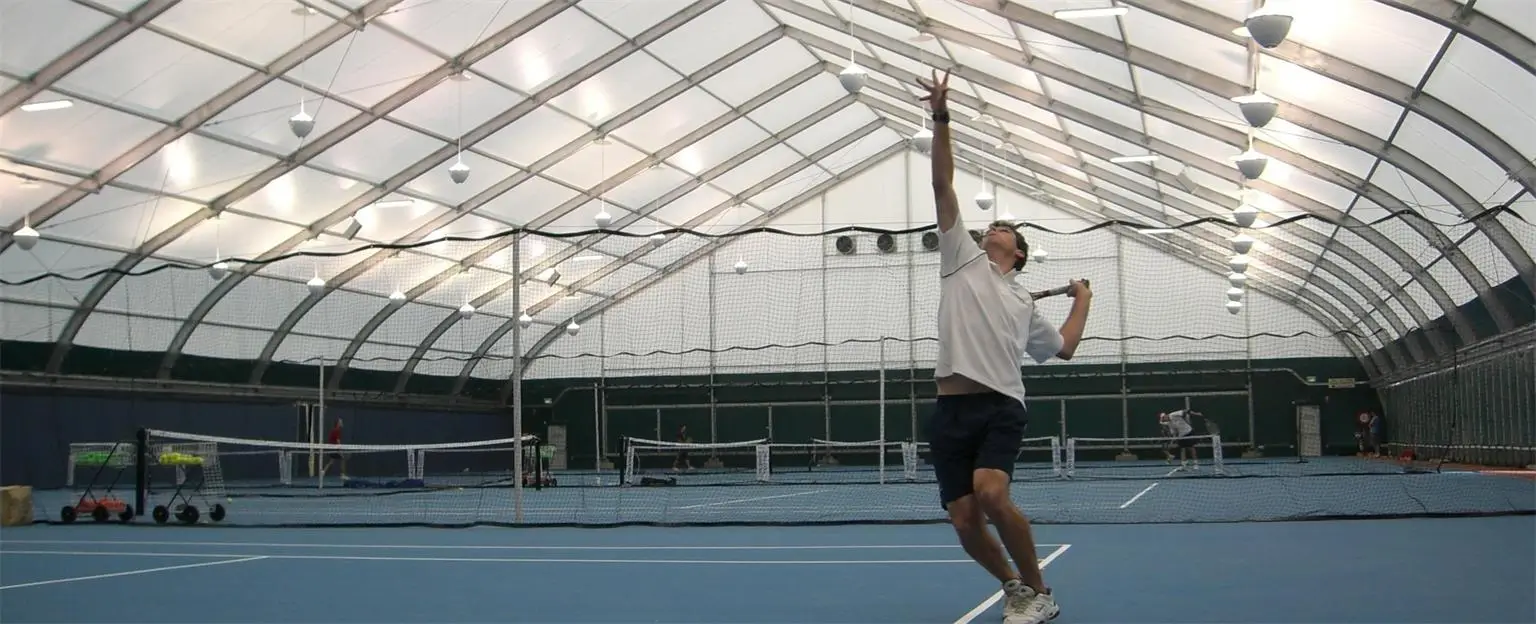
The average construction cost of an indoor pickleball court is $40,000 to $200,000 per court.
With the explosive growth of pickleball, the dream of having a dedicated indoor court for year-round play is more common than ever. But turning that dream into reality starts with a single, crucial question: what's the budget? As someone who has guided numerous clients through this exact process, I've seen how a lack of clear information can turn excitement into frustration. This guide is here to change that. We will break down the true average construction cost of an indoor pickleball court, exploring every factor from the foundation to the final net post, so you can plan your project with confidence and avoid costly surprises.
What's Included in a Basic Court Estimate?
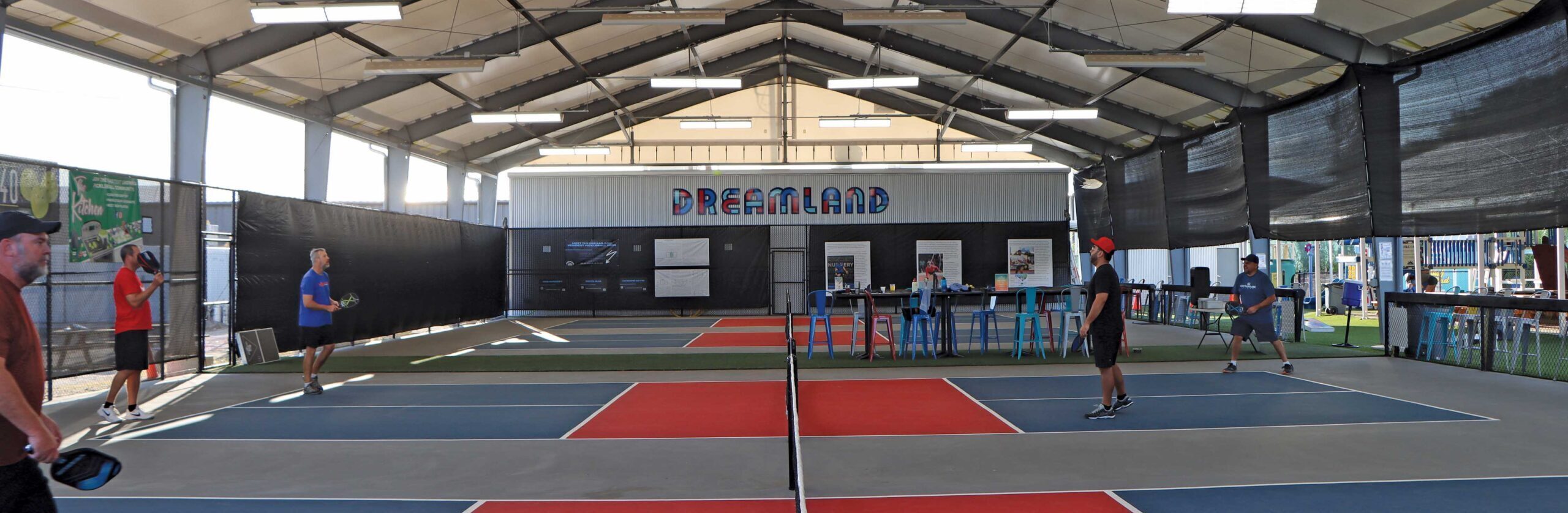
When you first hear a price quote, it’s important to understand what you're actually getting. A "basic" court cost typically covers just the essentials for play. Think of it as the core components that make a court functional, but not necessarily a complete, standalone facility.
This baseline price usually includes:
- The court surfacing itself, which is often a multi-layer acrylic system applied over concrete.
- The application of boundary lines for the court, including the kitchen and service boxes.
- A standard net system, which includes the posts, the net, and the center strap.
What this initial number often leaves out is the building itself. I've seen people get excited about a $10,000 court surfacing quote, not realizing that's just one piece of a much larger puzzle. The real average construction cost of an indoor pickleball court skyrockets when you factor in the structure that encloses it.

Key Factors That Influence the Total Cost
The final price tag for your indoor court can swing dramatically based on several key decisions. It's never a one-size-fits-all number. Understanding these variables is the first step to creating a realistic budget and getting the most value for your investment.
New Construction vs. Converting an Existing Space
This is the biggest decision you'll make. Building a brand-new structure from the ground up will always be the most expensive route. You are paying for everything: site work, foundation, the building shell, electrical, plumbing, and HVAC. A new build offers complete creative control but carries the highest average construction cost of an indoor pickleball court.
Converting an existing building, like a warehouse or an old tennis bubble, is often a more budget-friendly path. The main structure is already in place, saving you a massive expense. Your costs will focus on renovating the interior, which includes installing the court surface, upgrading the lighting, and ensuring proper climate control.
The Impact of Your Geographic Location
Where you build matters just as much as what you build. Material costs and labor rates vary significantly from state to state and even from city to city. A project in a major metropolitan area on the West Coast will have a much higher labor cost than one in a rural Midwestern town.
From my experience, it's wise to get local quotes early in the planning process. This will give you a real-world baseline for your area's average construction cost of an indoor pickleball court, rather than relying on national averages that might not apply to your situation.
Quality of Materials and Amenities
Your choices in finishes and features will also shape the budget. A basic acrylic court surface is cost-effective, but a premium cushioned surface designed to reduce player fatigue will cost more. Similarly, standard LED lighting is different from professional-grade, glare-free systems.
Beyond the court, amenities add up quickly. Are you planning for simple benches, or will you build out full locker rooms, a pro shop, and a spectator lounge? Each addition needs to be factored into the overall project cost.
A Detailed Cost Breakdown: From Dirt to Dinks
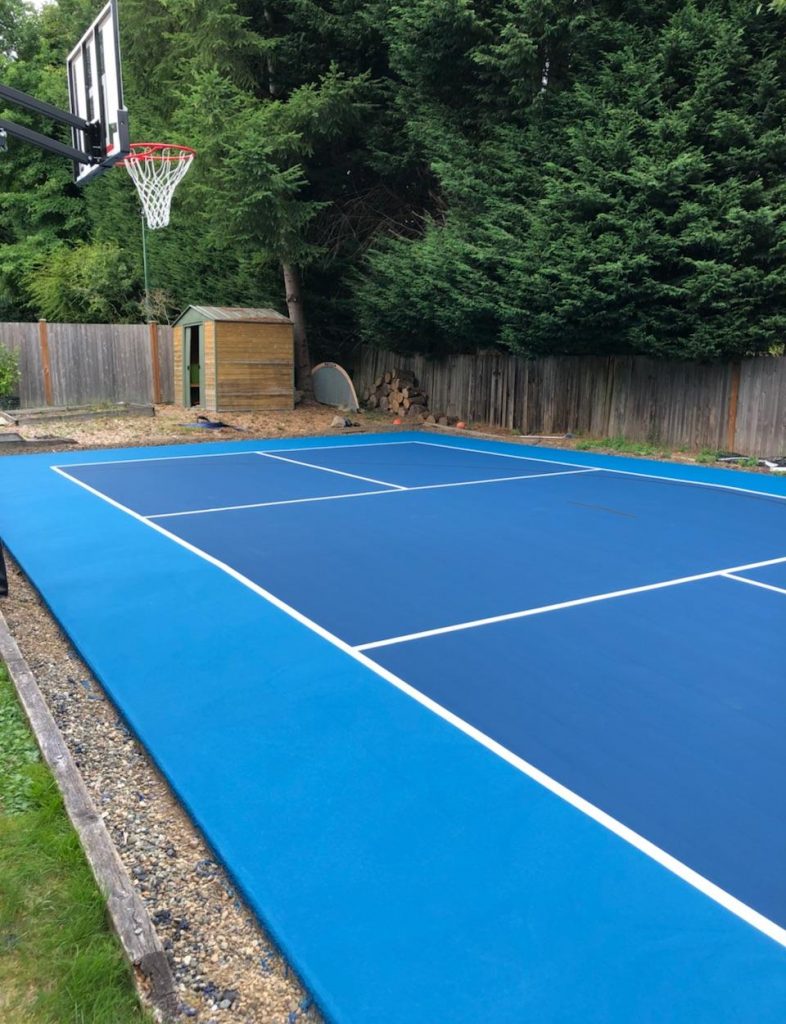
To truly grasp the average construction cost of an indoor pickleball court, we need to look at the individual line items. Here’s a typical breakdown of what you can expect to pay for a new, single-court facility. Keep in mind these are estimates and will change based on the factors we just discussed.
- Site Preparation & Foundation: Before you can build, you need a solid base. This includes clearing the land, grading, and pouring a concrete slab. You can expect this to run from $15,000 to $30,000.
- Building Shell: This is the structure itself. A pre-engineered steel building is a popular and cost-effective choice, often costing between $25 to $70 per square foot. For a single court requiring roughly 3,000 square feet, that’s $75,000 to $210,000.
- Court Surfacing: This is for the acrylic layers, color coating, and lines. A professional installation typically costs $5,000 to $12,000. Premium cushioned systems will be at the higher end of that range.
- Lighting: Proper, even lighting is non-negotiable for indoor play. Good LED lighting systems designed for sports can cost between $4,000 and $10,000 per court, including installation.
- HVAC System: Keeping the space comfortable year-round requires a robust heating, ventilation, and air conditioning system. This can easily be one of the bigger expenses, ranging from $15,000 to $40,000+.
- Insulation: To make that HVAC system efficient, you'll need quality insulation. This can add $5,000 to $15,000 to the building cost.
- Electrical and Plumbing: This covers wiring for lights, outlets, and any plumbing for restrooms or drinking fountains. Budget at least $7,000 to $20,000.
When you add these up, you can see how the average construction cost of an indoor pickleball court quickly reaches that $200,000+ figure for a new build.

Hidden Costs to Keep on Your Radar
One of the biggest mistakes I see people make is failing to budget for the "soft costs" and other expenses that aren't immediately obvious. These can add another 10-20% to your total project cost if you're not prepared.
Think about things like:
- Architectural and Engineering Fees: You'll need professional plans to get permits and guide your builders.
- Permits and Inspections: Your local municipality will require various permits and inspections throughout the process, and these fees add up.
- Soundproofing: Pickleball can be loud. In an enclosed space, the noise can be overwhelming. Acoustic panels or special insulation are often necessary and should be part of the plan from day one.
- Landscaping and Parking: If you're building new, you'll need to account for a parking lot, walkways, and basic landscaping.
- Furniture and Fixtures: This includes everything from benches and trash cans to front desk equipment if you're opening a commercial facility.
Ignoring these items is the fastest way to go over budget. A good rule of thumb is to add a 15% contingency fund to your total estimated cost to cover these unexpected expenses.
Smart Ways to Lower Your Construction Cost
Building an indoor court doesn't have to break the bank. With some strategic planning, you can significantly reduce the average construction cost of an indoor pickleball court and make your project more affordable.
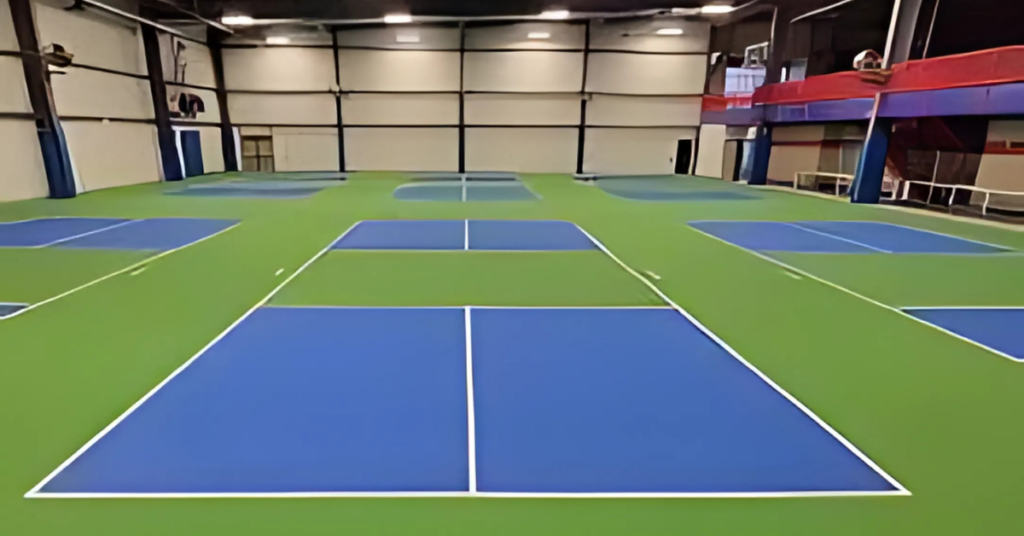
First, seriously consider converting an existing space. A warehouse with high ceilings is a perfect candidate. You save the entire cost of the building shell, which is the largest single expense. I’ve seen fantastic facilities built inside old retail stores, agricultural buildings, and unused gymnasiums.
Second, choose your materials wisely. A pre-engineered metal building is far more economical than a traditional wood-frame or brick-and-mortar structure. For the court itself, a standard hardcourt surface is less expensive than a cushioned one. You can always upgrade it later.
Finally, think in phases. Maybe Phase 1 is getting two functional courts built with basic lighting and amenities. Phase 2, a year later, could be adding two more courts, and Phase 3 could be building out the lounge and pro shop. This approach makes the upfront investment much more manageable.

Frequently Asked Questions
What is the minimum ceiling height for an indoor pickleball court?
For comfortable play, a minimum ceiling height of 18 to 20 feet is recommended. This allows enough clearance for lobs without the ball hitting the ceiling or light fixtures.
How much total space is needed for a single indoor court?
The standard playing area is 20 by 44 feet. However, you need adequate out-of-bounds space, so the recommended total footprint for one court is at least 30 by 60 feet.
Is a cushioned court surface worth the extra cost?
For many players, especially older adults or those who play frequently, a cushioned surface is worth it. It reduces stress on the joints and can lessen fatigue, leading to a more enjoyable playing experience.
Can I build an indoor pickleball court in a large garage?
While possible, it's often not practical due to space and ceiling height limitations. Most residential garages do not meet the 18-foot minimum ceiling height or the 30×60 foot footprint needed for safe play.
How long does it take to build a new indoor pickleball court?
From breaking ground on a new build, the process can take anywhere from 6 to 12 months. This timeline includes site prep, construction, and interior finishing, and it can be affected by weather and permit approvals.
Your Path to an Indoor Pickleball Haven
Building an indoor pickleball court is a significant undertaking, but it's an incredibly rewarding one. While the average construction cost of an indoor pickleball court can seem daunting, it becomes much more approachable when you break it down into manageable parts. By understanding the key cost drivers, planning for hidden expenses, and making smart choices, you can create a fantastic facility that provides year-round fun for years to come.
Your next step is to take this knowledge and apply it to your local area. Start by researching potential existing buildings for conversion or contacting local contractors for preliminary quotes. The journey starts with a single step, and now you have the map to guide you.
Have you started planning your own indoor court project? Share your questions or experiences in the comments below