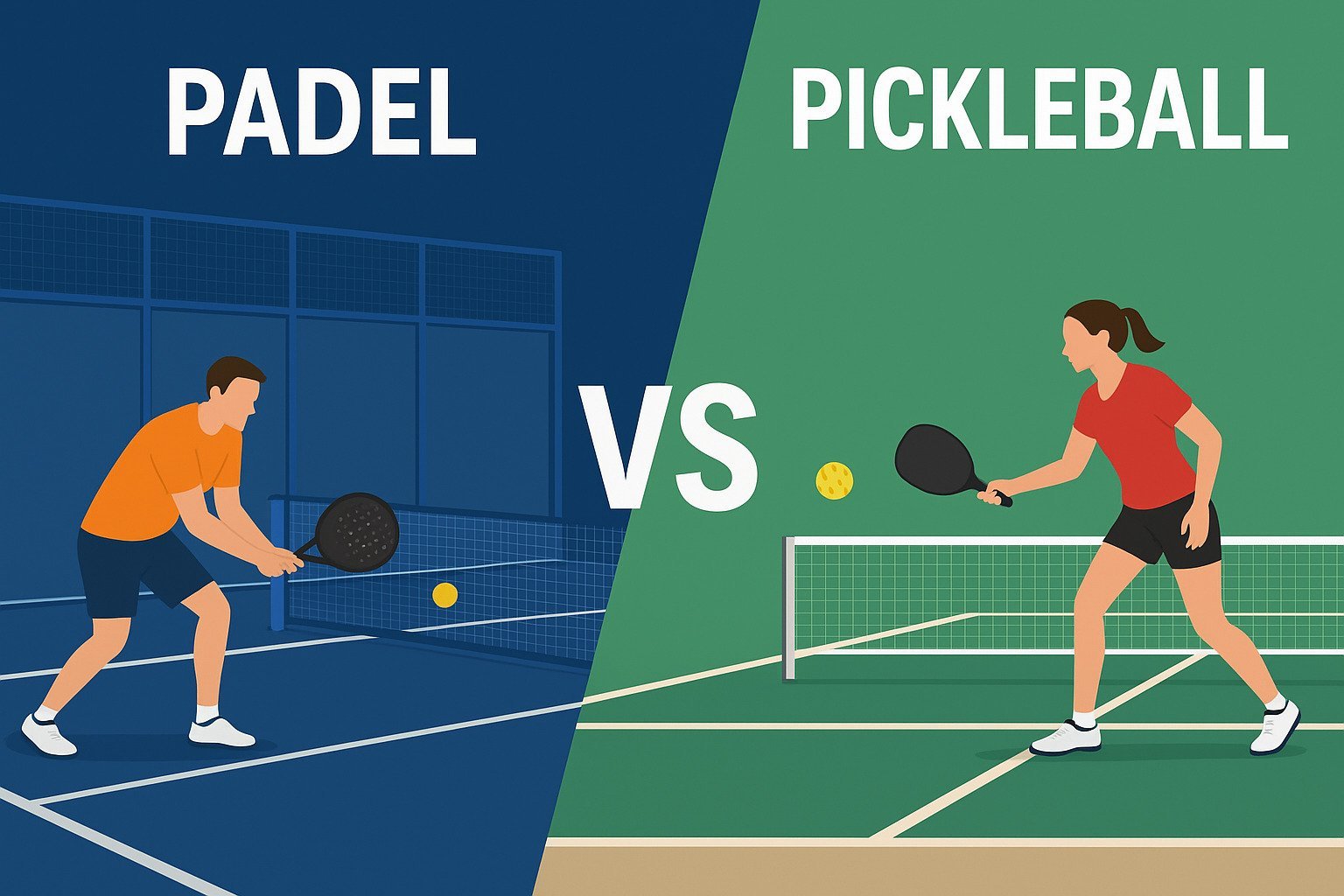
No. Padel and pickleball are different sports with unique courts, gear, and rules.
If you wonder is padel the same as pickleball, you’re not alone. I coach new players in both sports, and I’ve seen the same mix-ups for years. This guide clears it up with simple terms, real examples, and expert tips. I’ll walk you through rules, gear, courts, and strategy, so you can pick the right game with confidence.
)
Is padel the same as pickleball? Key differences at a glance
If you ask is padel the same as pickleball, the answer is still no. They look alike from far away. But they play very different on court.
Key differences you will feel right away:
- Court and walls. Padel uses glass walls that keep the ball in play. Pickleball has no walls and has a no-volley zone.
- Ball and paddle feel. Padel uses a pressurized ball like tennis. Pickleball uses a hard plastic ball with holes.
- Serve and scoring. Padel scores like tennis and uses a bounce serve. Pickleball has a kitchen rule and a double-bounce rule.
- Style of play. Padel is about angles, walls, and teamwork. Pickleball is about soft hands, dinks, and fast nets.
If you came here thinking is padel the same as pickleball, this section shows why it is not. They share a social vibe and quick rallies, but they are two distinct sports.
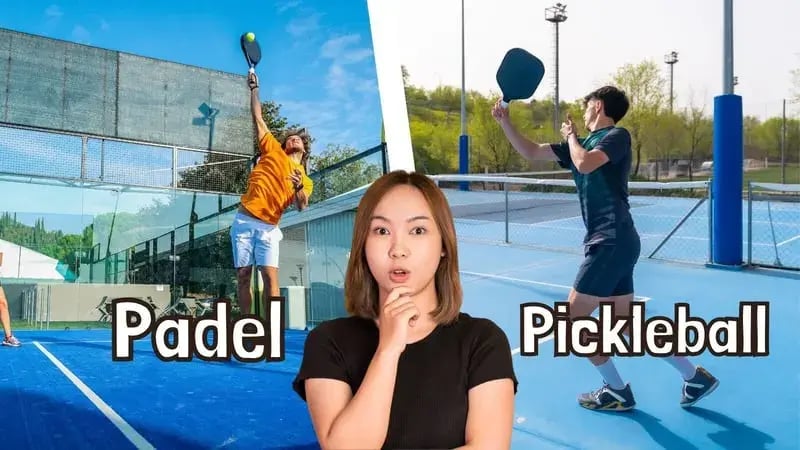
What is padel?
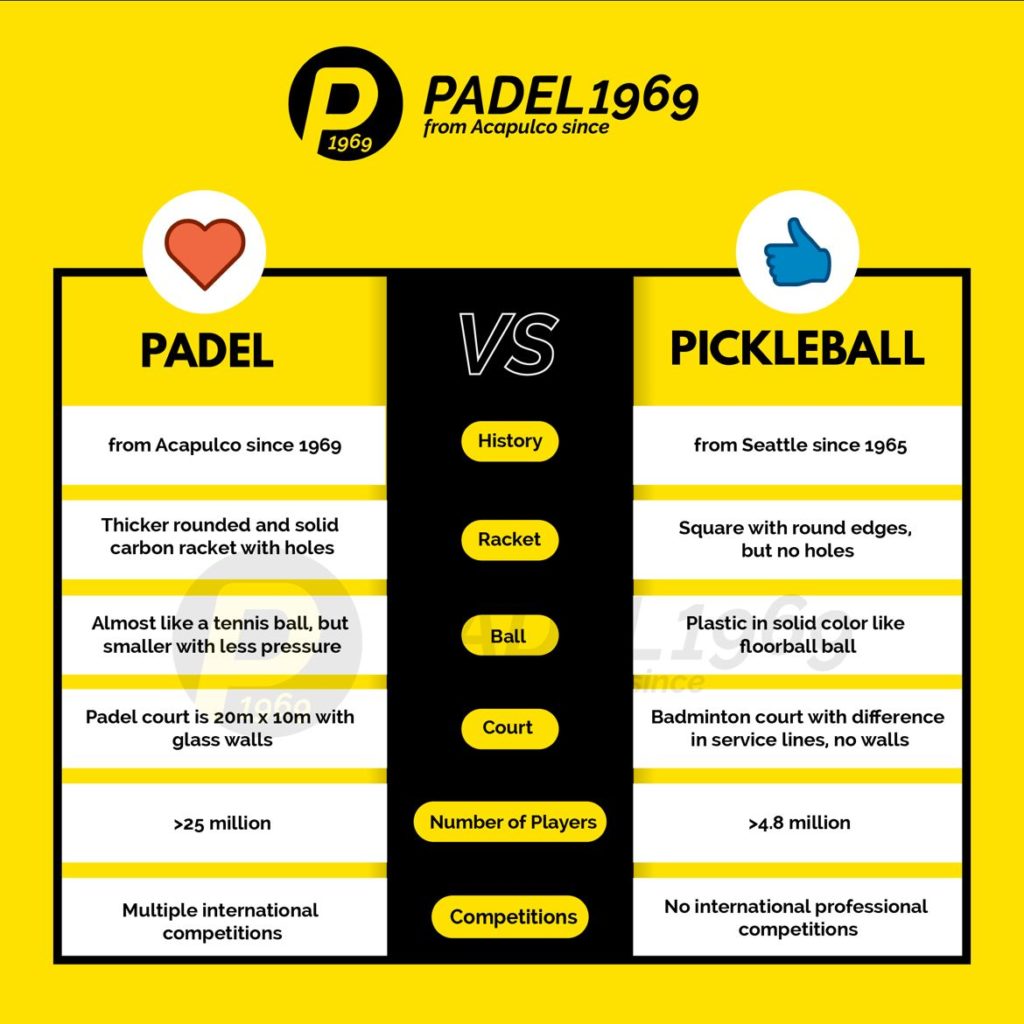
Padel began in Mexico in the late 1960s. It spread fast in Spain, Argentina, and across Europe. Today, it is a huge club sport with leagues and pro tours.
The court is 20 meters by 10 meters. It has glass and mesh walls that are in play. You score like tennis. Games go to six, win by two. Most matches are doubles.
Pads are solid with holes and no strings. The ball looks like a tennis ball but is a bit softer. Serves are underhand after a bounce and must land diagonal. The magic is in the walls. You can let the ball hit a wall and then play your shot. Smart use of lobs, screens, and angles is the key.
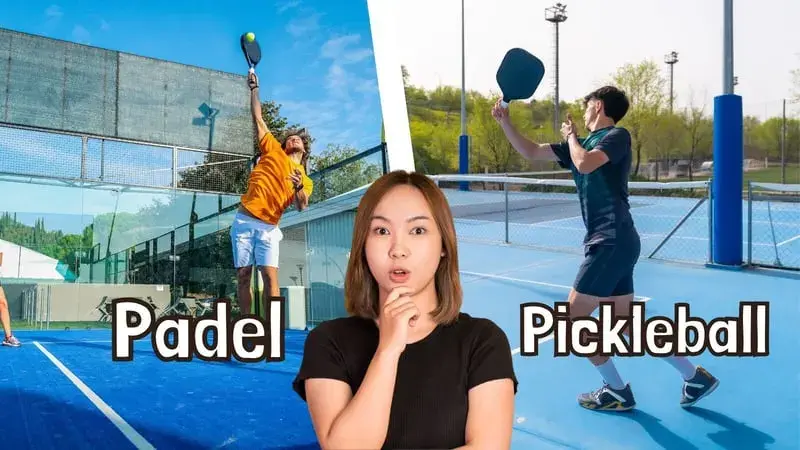
What is pickleball?
Pickleball started in 1965 in Washington state. It blends parts of tennis, ping pong, and badminton. It is now one of the fastest growing sports in North America.
The court is 20 by 44 feet. There is a no-volley zone called the kitchen near the net. The net sits lower in the middle. Paddles are flat and solid. The ball is a hard plastic sphere with holes. Outdoor balls are firmer and have more holes.
Serves are underhand. The ball must bounce once on each side at the start of a rally. That is the double-bounce rule. Traditional scoring lets only the serving team score. Games often go to 11, win by two. Doubles is most common.
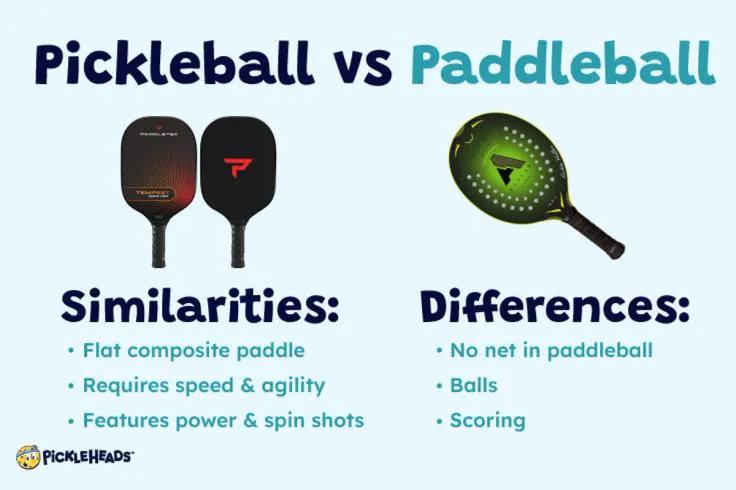
Equipment comparison: paddles, balls, and feel
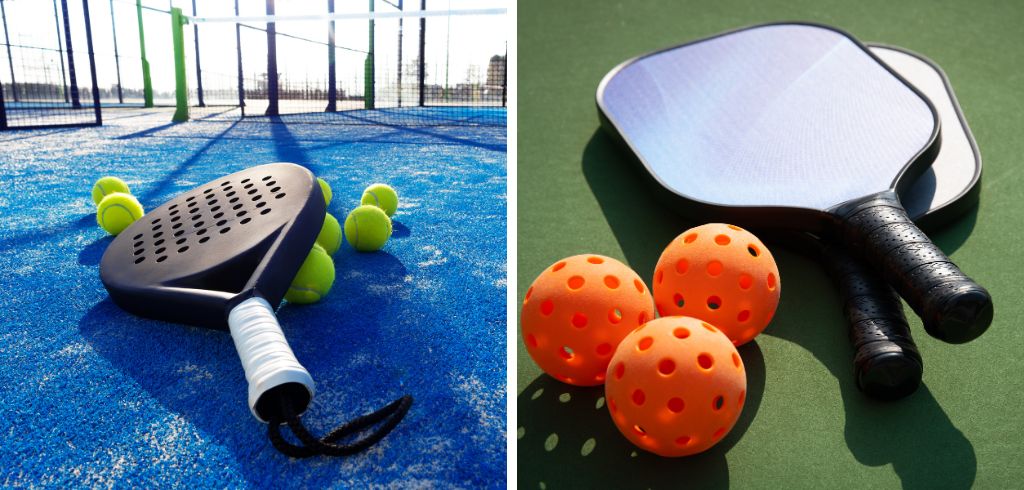
If you still wonder is padel the same as pickleball, hold each paddle. You will feel the difference at once.
Padel gear:
- Paddle. Solid face with holes. Thicker, heavier, and shorter than tennis. Common weights are 340 to 370 grams.
- Ball. Pressurized felt ball, close to tennis but with a softer bounce.
- Shoes. Similar to clay tennis shoes. Good grip for glass and sand infill.
Pickleball gear:
- Paddle. Composite face with a honeycomb core. Lighter and longer than padel paddles. Most range from 7 to 9 ounces.
- Ball. Hard plastic with 26 to 40 holes. Indoor and outdoor balls bounce and fly differently.
- Shoes. Court shoes with good lateral support. No special sole needed for most surfaces.
Tip from the court: If you switch between sports, test grip sizes. A wrong grip will strain your elbow. I learned this the hard way after a month of daily doubles.
Court and layout differences explained
The court shape drives how each game feels. This is why is padel the same as pickleball keeps coming up. The space looks similar but plays very different.
Padel court:
- 20 x 10 meters with glass and mesh walls.
- Net height is close to tennis, lower at the center.
- Doors and corners create unique angles.
Pickleball court:
- 20 x 44 feet, no walls.
- Kitchen is a 7-foot zone on both sides of the net. You cannot volley there.
- Lines matter a lot. Feet position at the kitchen is key.
In padel, a ball that passes you can rebound off glass and come back. In pickleball, that same ball is a winner. This one detail changes the whole mindset.

Rules, scoring, and serving
Rules define the rhythm of each sport. When people ask is padel the same as pickleball, these rules are the main split.
Padel:
- Scoring is 0, 15, 30, 40, game. Sets go to six games.
- Serve is underhand after a bounce. Serve diagonal into the box.
- Use of walls is legal after the first ground bounce.
- Most play doubles. Singles courts exist but are rare.
- Traditional scoring allows only servers to score. Games go to 11 or 15.
- Serve is underhand. The ball must bounce once on each side before volleys start.
- Kitchen rules control net play. No volleys with feet in the zone.
- Doubles has a two-serve rotation per side-out.
Once you learn these basics, switching is easier. I teach new groups to master serve rules first. It keeps rallies fair and fun.
Play style and strategy
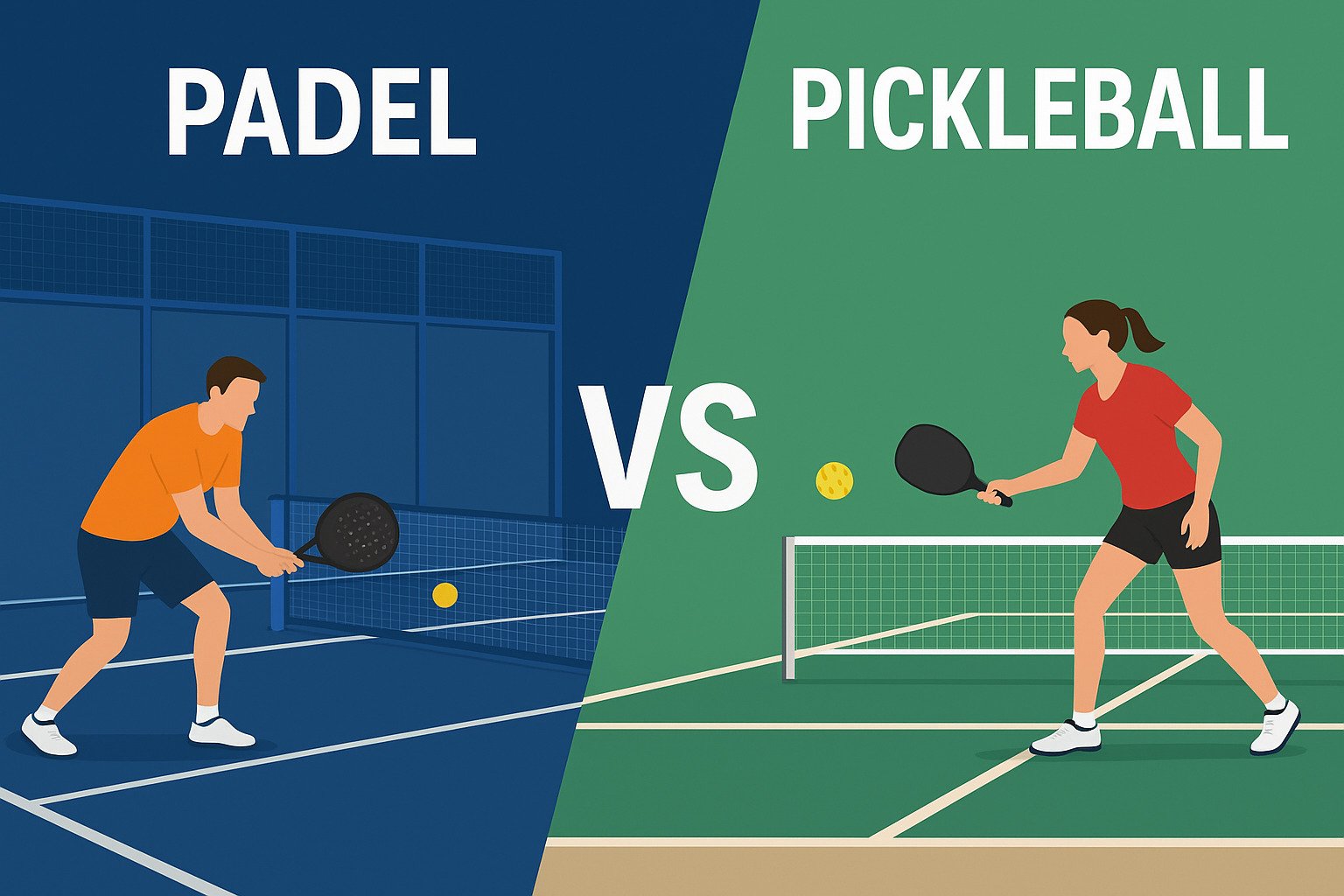
Padel rewards patience, lobs, and wall control. Think of chess with glass. You set traps with slow shots. Then you finish with overheads like the bandeja or vibora. Good footwork and teamwork matter more than raw power.
Pickleball rewards soft hands and fast hands. You build points with dinks. You use the third-shot drop to get to the net. Hand battles happen inches above the net. Reading the kitchen line is an art.
If you ask again is padel the same as pickleball, watch two rallies side by side. Padel looks like a dance around the walls. Pickleball looks like a fast ping-pong rally on a big table.
Who should play which? Learning curve and fit
Both sports are easy to start. But they serve different needs.
Pickleball might fit if:
- You want quick games and easy setup at parks.
- You like soft touch and net duels.
- You need a joint-friendly sport with simple gear.
Padel might fit if:
- You love the team feel of doubles.
- You enjoy angles, lobs, and clever use of walls.
- You come from tennis or squash and like longer rallies.
I coach seniors who start with pickleball for ease and community. Later, some add padel for variety. So is padel the same as pickleball for older players? No, but both are friendly to joints when taught with good form.
Fitness, health, and injury notes
Both sports boost your heart health and balance. They also help with reaction time and focus.
Common padel issues:
- Shoulder and elbow strain from overheads.
- Ankle tweaks near walls and in corners.
Common pickleball issues:
- Elbow pain from poor grip size or tight paddles.
- Achilles and knee stress from sudden stops.
Prevention tips I use with students:
- Warm up for five minutes. Use shadow swings and side shuffles.
- Choose the right grip size. Relax your hand between points.
- Cross-train with light bands for shoulder health.
- Learn footwork before power. This alone saves many injuries.
Cost, access, and growth
Cost and access will shape your choice. This is a big reason people ask is padel the same as pickleball when planning gear and court time.
Pickleball:
- Public courts are common in the US and Canada.
- Paddles start cheap, and balls are low cost.
- Leagues and open play are easy to find.
Padel:
- Courts are booming in Europe, the Middle East, and parts of the US.
- Court fees can be higher due to build cost.
- Clubs often run events, coaching, and ladders.
Trends show both sports growing fast. Parks expand pickleball lines. Private clubs add padel bubbles and outdoor courts. Check local apps or club sites for court maps and off-peak rates.
Can skills transfer between padel and pickleball?
There is helpful overlap. But it is not one-to-one.
What carries over:
- Soft hands at the net.
- Quick split steps and balance.
- Reading angles and pace.
What changes:
- Wall reads in padel have no match in pickleball.
- Kitchen rules in pickleball change net rush habits from padel.
Try these drills if you play both:
- Dink to drop in pickleball to build touch for padel chiquitas.
- Padel lobs and bandeja control to build overhead aim in pickleball.
- Footwork ladders twice a week for both.
If your brain keeps asking is padel the same as pickleball, use cross-drills to feel the line between them.
How to choose: a simple decision guide
Use this quick list to pick your start point.
Choose pickleball if:
- You want easy access and low cost today.
- You enjoy social open play and short games.
- You like soft touch near the net.
Choose padel if:
- You want longer rallies and wall tactics.
- You enjoy doubles teamwork and planned points.
- You come from tennis or squash and love angles.
You can also do both. I split my week: two nights of pickleball drills, one weekend padel match. It keeps my mind fresh and skills sharp.
Frequently Asked Questions of is padel the same as pickleball
Is padel the same as pickleball in rules?
No. Padel uses tennis-style scoring and wall play. Pickleball uses kitchen and double-bounce rules with side-out scoring.
Is padel the same as pickleball in equipment?
No. Padel uses a perforated solid paddle and felt ball. Pickleball uses a composite paddle and a plastic ball with holes.
Is padel the same as pickleball for beginners?
Both are beginner friendly, but for different reasons. Pickleball is easier to start due to simple courts and quick games, while padel rewards patience with walls.
Is padel the same as pickleball in court size?
No. Padel courts are larger, enclosed, and measured in meters. Pickleball courts are smaller, open, and measured in feet with a kitchen zone.
Is padel the same as pickleball in play style?
Not at all. Padel leans on lobs and wall rebounds, while pickleball focuses on dinks and fast net exchanges.
Is padel the same as pickleball for fitness?
Both give a good cardio and agility boost. Pickleball is lower impact for many, while padel offers longer rallies and more movement.
Is padel the same as pickleball for tennis players?
Tennis players often adapt faster to padel due to similar strokes and court feel. Pickleball still suits tennis players, but the kitchen rules change net habits.
Conclusion
Padel and pickleball share the joy of quick rallies, easy entry, and social play. But the courts, rules, gear, and strategy set them apart. If you came in asking is padel the same as pickleball, you now know why the answer is no.
Pick one that fits your goals, or play both for a full skill set. Book a beginner clinic this week, test a few paddles, and track which game makes you smile more. Want more guides like this? Subscribe for drills, gear tests, and weekly tips.