
Pickleball is a simple sport to learn the basics, but its strategic depth makes it challenging to truly master.
You've probably heard the buzz. Friends, family, and neighbors are all talking about pickleball, and a common theme you'll hear is how easy it is to pick up. As someone who has spent countless hours on the court, both playing and introducing new people to the game, I can tell you there's a lot of truth to that. But the question, "is pickleball a simple sport?", isn't a straightforward yes or no. It's a fantastic blend of simplicity and complexity. This guide will walk you through exactly why anyone can start playing in minutes, and what separates the casual player from the seasoned pro.
Why Pickleball Feels So Simple at First
The initial appeal of pickleball is its incredible accessibility. I remember taking a friend to the court for the first time. He had never played a racquet sport in his life, but within 15 minutes, we were having a real rally. This experience isn't unique; it's the foundation of the sport's explosive growth. Several key factors contribute to this gentle learning curve.
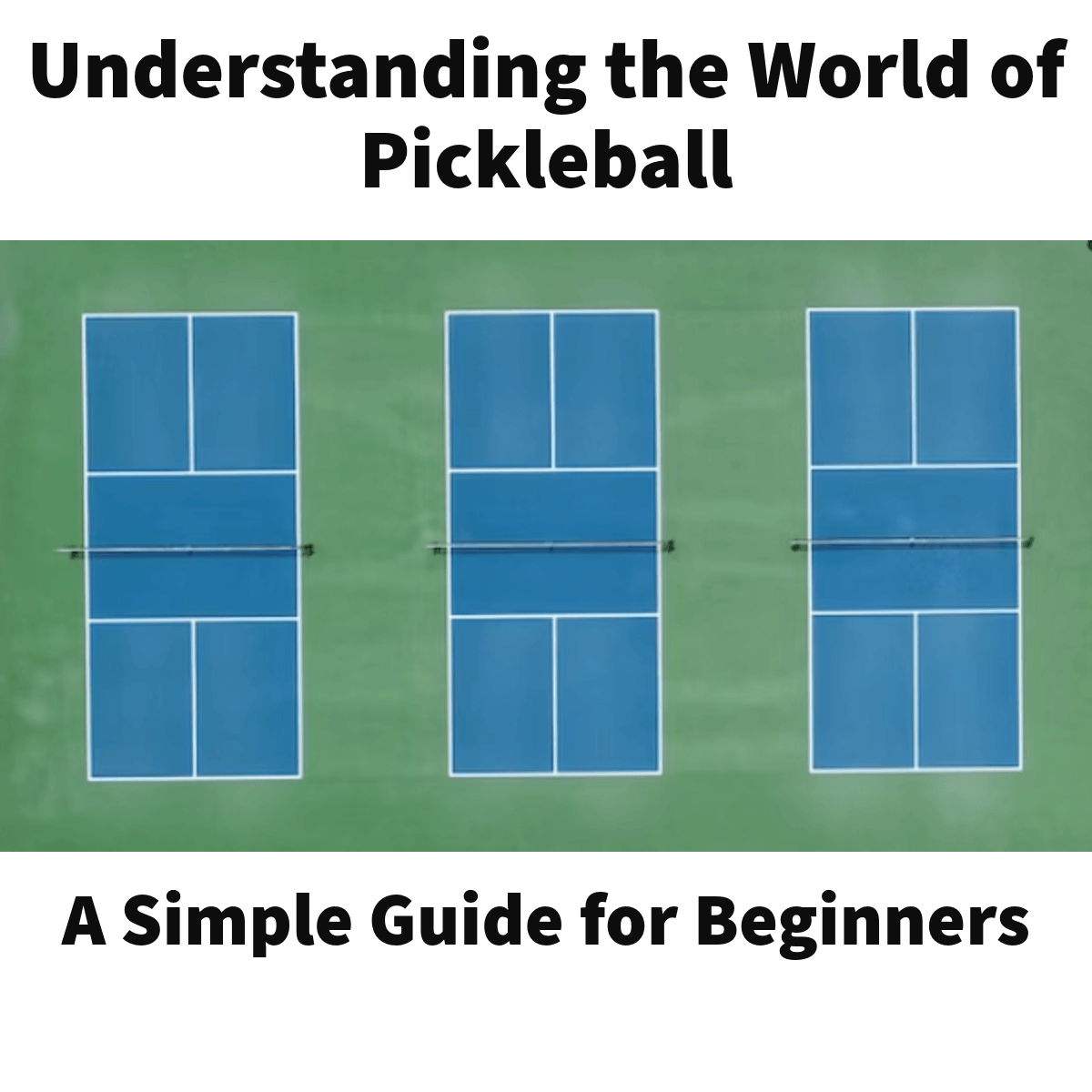
The court size is a major reason. A pickleball court is 44 feet long and 20 feet wide, the same size as a badminton court. This is much smaller than a tennis court, meaning you don't have to cover nearly as much ground. This reduces the physical strain and makes it easier to get to the ball, which is a huge confidence booster for beginners.
The equipment is also very forgiving. The paddle is lightweight and has a large sweet spot, making it easy to make contact with the ball. And the ball itself, a plastic wiffle-style ball, moves much slower through the air than a tennis ball. This slower pace gives you more time to react, position yourself, and think about your next shot. Answering the question of "is pickleball a simple sport" often starts right here, with equipment that welcomes you rather than intimidates you.
Finally, the basic rules are straightforward. The underhand serve is easy to learn, and the concept of the "kitchen" or non-volley zone, while unique, is simple to understand after a few points. You can explain the core rules to someone in under five minutes, and they can start playing immediately. This low barrier to entry is what makes it so socially engaging from day one.
The Hidden Layers: What Makes Pickleball Complex?
While you can have fun on your first day, you'll quickly discover that there's more to the game than just hitting the ball over the net. The journey from a casual player to a skilled one reveals the sport's hidden complexity. This is where the simple game you thought you knew transforms into a strategic chess match.
The most critical element is the "soft game," or dinking. This involves hitting soft, un-attackable shots that land in your opponent's kitchen, forcing them to hit the ball upward. A dink rally requires immense patience, precise touch, and strategic placement. It’s a battle of nerves, waiting for your opponent to make a mistake and pop the ball up high enough for you to put away. Mastering the dink is often what separates intermediate players from advanced ones.
Beyond dinking, the variety of shots adds another layer of depth. You have to learn when to hit a hard, driving shot down the line versus when to use a soft "third shot drop" to transition from the back of the court to the net. Knowing how to execute and defend against lobs, volleys, and angled shots is crucial for controlling the game. This strategic decision-making turns every point into a puzzle.
Finally, the mental game and partner communication are huge. In doubles, which is the most common way to play, you need to move in sync with your partner, communicate who is taking which shot, and develop strategies to exploit your opponents' weaknesses. This teamwork and mental fortitude are what make pickleball so rewarding at higher levels. So, when people ask if pickleball is a simple sport, I often say it's simple to play, but complex to win.

From Beginner to Intermediate: The Learning Curve Explained
The progression in pickleball is one of its most satisfying aspects. Because the basics are so easy, you feel a sense of accomplishment very quickly. Unlike sports that can take months to feel competent in, most people can hold a rally and play a full game of pickleball within their first hour.
However, the plateau between a beginner and a solid intermediate player can be challenging. I've seen many new players get stuck because they rely on simply hitting the ball hard. They win points against other beginners this way, but they struggle against more experienced players who use a soft game. The biggest hurdle to overcome is learning patience and shot selection.
A common mistake I see is players trying to end the point too early from the back of the court. They'll drive the ball hard right at their opponents who are waiting at the kitchen line, making for an easy volley winner for the other team. The key to breaking through this phase is learning the third shot drop. This is a soft shot from the back of the court designed to land in the opponent's kitchen, giving you time to run up to your own kitchen line. It's a difficult shot to master, but it's the gateway to a more strategic and successful game. The learning curve shows that while pickleball is a simple sport to start, it has clear skill gates you must pass to advance.
[Code-Img]
Is Pickleball Simple Compared to Other Racquet Sports?
Putting pickleball in context with other popular racquet sports really highlights its unique position. When you compare it to tennis, the simplicity becomes very apparent. Tennis requires a lot more athletic ability to cover the large court, and the mechanics of a proper tennis stroke are far more complex to learn. The high-bouncing, fast-moving tennis ball also demands more power and spin to control.
Compared to badminton, the differences are more about the type of skill required. Badminton is incredibly fast-paced and relies on explosive wrist action and quick reflexes at the net. While pickleball has fast exchanges, the overall pace is slower, making it less demanding on pure reaction time. The strategy in pickleball is more about sustained pressure and positioning.
Table tennis is another good comparison. While the court is small, the spin and speed involved in high-level table tennis are immense, requiring incredibly fine motor skills. Pickleball doesn't rely on heavy spin to the same degree, making the ball's trajectory more predictable for beginners. Ultimately, when considering if pickleball is a simple sport, its simplicity shines brightest when viewed alongside its racquet-based cousins. It captures the strategic fun of these sports in a more accessible package.
[Code-Img]
Frequently Asked Questions
Can you learn pickleball in a day?
Yes, you can absolutely learn the basic rules and how to hit the ball in a single day. Most people can play a full, enjoyable game within their first hour on the court.
What is the hardest part of pickleball?
For most players, the hardest part is mastering the soft game, especially the third shot drop and patient dinking. It requires a level of touch and strategy that goes beyond simply hitting the ball.
Is pickleball physically demanding?
Pickleball can be as demanding as you want it to be. A casual game is low-impact and requires minimal running, while a high-level competitive match involves quick lateral movements and can be quite a workout.
Do you need to be athletic to play pickleball?
No, you do not need to be a top-tier athlete to enjoy pickleball. Its small court and slower pace make it accessible to people of all ages and fitness levels.
What is the most important rule for beginners to know?
The most important rule for beginners is the non-volley zone, or "kitchen." You cannot hit the ball out of the air (a volley) while your feet are in this seven-foot zone on either side of the net.
Conclusion
The beauty of pickleball lies in its dual nature. It is undoubtedly one of the easiest sports to learn, welcoming new players with open arms, a small court, and a slow-moving ball. This simplicity is what fuels its social, fun-loving atmosphere. Yet, beneath that accessible surface lies a game of deep strategy, patience, and skill that can challenge even the most seasoned athletes. The real answer to "is pickleball a simple sport?" is that it's simply what you make it.
So, don't just wonder about it. Find a local court, grab a paddle, and give it a try. You might just discover your new favorite hobby, whether you're looking for a casual way to stay active or a competitive challenge to master. Have you played pickleball before? Share your first experience in the comments below