Learning to play pickle ball is fun, social, and quick to pick up for all ages.
I’ve played and coached pickle ball for years, so I know what helps new players improve fast. This guide on learning to play pickle ball walks you through rules, gear, drills, strategy, and a simple practice plan you can follow. Read on for clear steps, real-life tips, and easy drills that make learning to play pickle ball feel natural and rewarding.

Why learning to play pickle ball is worth it
Pickle ball is easy to learn, low impact, and great for fitness and friends. Learning to play pickle ball helps you build coordination, stamina, and social connections without a steep learning curve. Many people find quick wins with basic skills and keep improving with simple practice.

Getting started: rules and court basics
Learning to play pickle ball begins with the court and basic rules. A pickle ball court is similar to a small tennis court with a no-volley zone called the kitchen. Games are usually played to 11 points, and you must win by two.
Key quick rules to remember:
- Serve underhand and below the waist.
- Serve diagonally and let the receive bounce before returning.
- No volleying in the kitchen unless your feet are behind the line.
- Only the serving side can score points.
These basics make the game fair and fun. Keep them in mind while you practice learning to play pickle ball.
Essential equipment for learning to play pickle ball
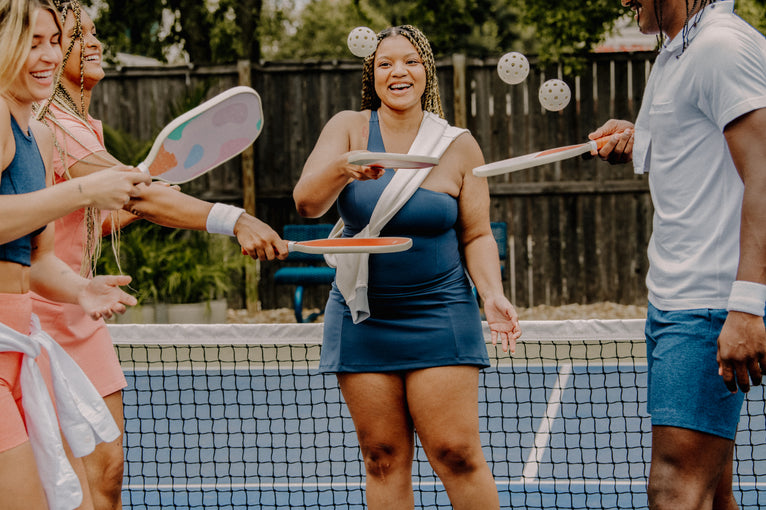
You do not need fancy gear to start learning to play pickle ball. A few items make practice cleaner and safer.
Must-haves:
- Paddle: Choose a mid-weight paddle with a comfortable grip.
- Balls: Use standard indoor or outdoor pickle ball balls for practice.
- Shoes: Wear court shoes with good traction and lateral support.
- Comfortable clothes: Lightweight, breathable clothing helps you move.
Optional gear:
- Paddle grip tape for better hold.
- Practice cones or tape to mark court spots.
- A ball machine or partner for steady practice.
Good gear helps, but consistent practice matters more when learning to play pickle ball.
Core skills and simple drills
Focus on four core skills when learning to play pickle ball: serve, return, dink, and drive. Break practice into short sessions that target one skill at a time.
Basic drills:
- Serve practice: Aim for depth and consistency. Try 20 serves, aiming for the back half of the diagonal box.
- Return drill: Stand in ready position and practice returning serves low and deep.
- Dink drill: Play short soft shots over the net inside the kitchen. Try to keep the ball low.
- Drive practice: Practice firm groundstrokes from the baseline to push opponents back.
Tip: Short, frequent practice sessions beat long, irregular ones. When learning to play pickle ball, focus on form first, then speed.

Strategies, positioning, and simple tactics
Good positioning helps you win points with less effort. Learning to play pickle ball includes learning where to stand and how to move.
Basic positioning tips:
- Start near the baseline for serves and deep returns.
- Move to the non-volley line after a safe return to control the kitchen.
- Use soft dinks to force your opponent into mistakes.
- Mix pace: alternate soft dinks with faster drives to break rhythm.
Tactical ideas:
- Use crosscourt angles to open space.
- Target the weaker side of your opponent.
- Communicate with doubles partner; call lobs and signals clearly.
These tactics are easy to practice and pay off quickly when learning to play pickle ball.
Common mistakes and how to avoid them
New players often make a few predictable errors. Spot these early and fix them with focused practice.
Common errors:
- Serving too hard and losing control — practice a consistent, relaxed serve.
- Standing too close to the net after serving — retreat to the kitchen line when possible.
- Hitting dinks too high — aim to keep shots under net height with soft wrist action.
- Forgetting footwork — move with small steps and stay balanced.
Avoid these mistakes to speed progress while learning to play pickle ball.

Practice plan: a 6-week beginner road map
A simple plan keeps your learning steady. Here is a six-week schedule for learning to play pickle ball with 3 practice days per week.
- Week 1 — Fundamentals
- Practice serves, returns, and ready stance.
- Short drills: 10 serves, 20 returns, 5 minutes of dinks.
- Week 2 — Consistency
- Add 20-minute rally sessions.
- Focus on keeping the ball in play and consistent serves.
- Week 3 — Dinks and kitchen play
- Spend half the session on kitchen dinks.
- Practice non-volley footwork and balance.
- Week 4 — Drives and changing pace
- Add drives to baseline play.
- Mix soft dinks and fast drives in drills.
- Week 5 — Match play and tactics
- Play short games to 7 points.
- Practice serve placement and partner communication.
- Week 6 — Review and refine
- Record or note progress.
- Focus on weakest skill and set goals for next six weeks.
Stick to short, focused sessions. When learning to play pickle ball, steady habits beat sporadic effort.

Personal insights and lessons learned
When I first started learning to play pickle ball, I wanted to hit every ball hard. That cost me control. I learned to slow down, focus on placement, and trust simpler shots. Small changes made big differences.
What helped me most:
- Practice with players slightly better than me.
- Use video to check form once a week.
- Keep a short warm-up routine to prevent injury.
If you are learning to play pickle ball, be patient. Celebrate small wins and keep a practice log. That keeps motivation high and shows real progress.

Frequently Asked Questions of learning to play pickle ball
What is the best age to start learning to play pickle ball?
You can start at almost any age. The game is low impact and adapts well to both young and older players.
How long does it take to get good at pickle ball?
With regular practice, beginners see real improvement in 6 to 12 weeks. Skill growth depends on practice quality and frequency.
Do I need to be fit to start learning to play pickle ball?
No, basic fitness helps, but pickle ball itself builds stamina and agility over time. Start slow and increase intensity safely.
Should I play singles or doubles when learning to play pickle ball?
Start with doubles to learn court positioning and communication. Singles can be added later to build fitness and solo tactics.
How often should I practice to improve quickly?
Aim for three short sessions per week plus casual play. Consistency matters more than long, infrequent practices.
Conclusion
Learning to play pickle ball is rewarding, social, and easy to start. Focus on basic rules, simple drills, and steady practice. Use the six-week plan, avoid common mistakes, and keep sessions short and focused. Try one new drill this week and join a casual play session to test your skills. Leave a comment below about your progress or questions, and consider subscribing for more drills and tips.