A Nasty Nelson is a legal pickleball serve aimed at the non-receiver’s body to win a point.
If you’ve seen a server tag the receiver’s partner and score, you’ve witnessed a nasty nelson. I’ve coached and played competitive pickleball for years, and this tactic sparks strong reactions. In this guide, I’ll break down the nasty nelson with clear rules, smart strategy, defense tips, and real examples so you can use it well (or stop it cold).

What is the Nasty Nelson in Pickleball?
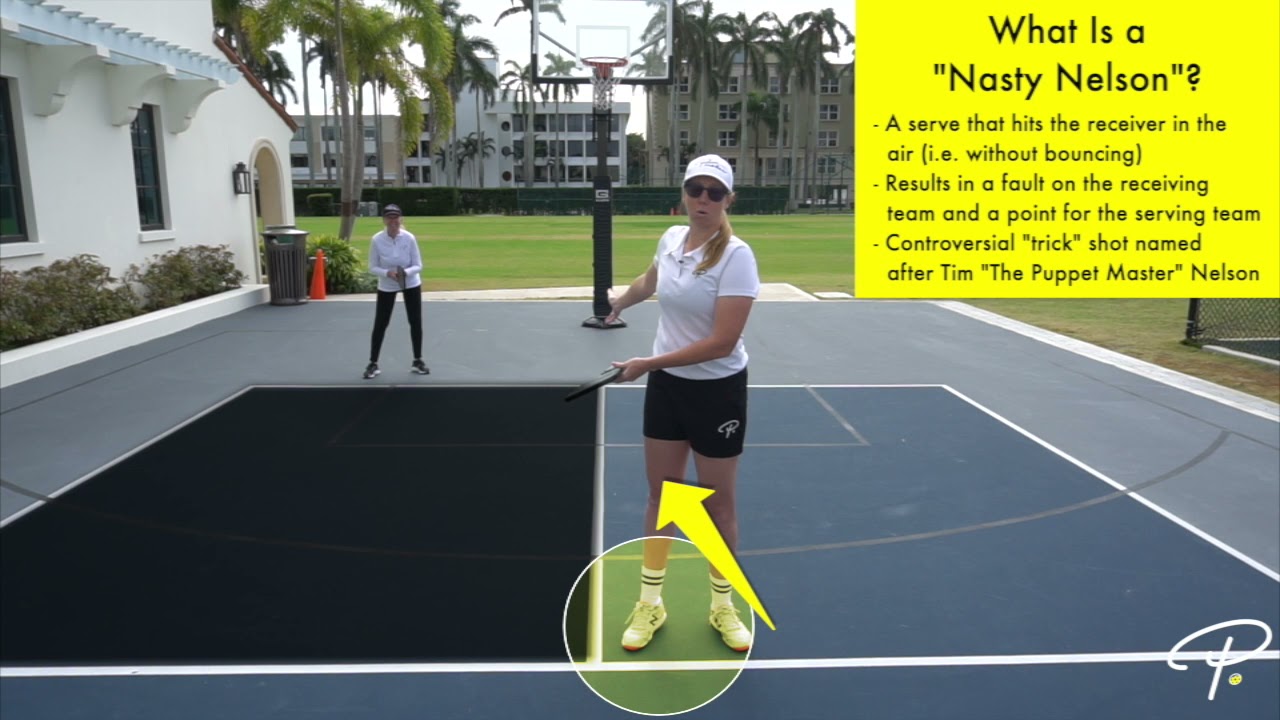
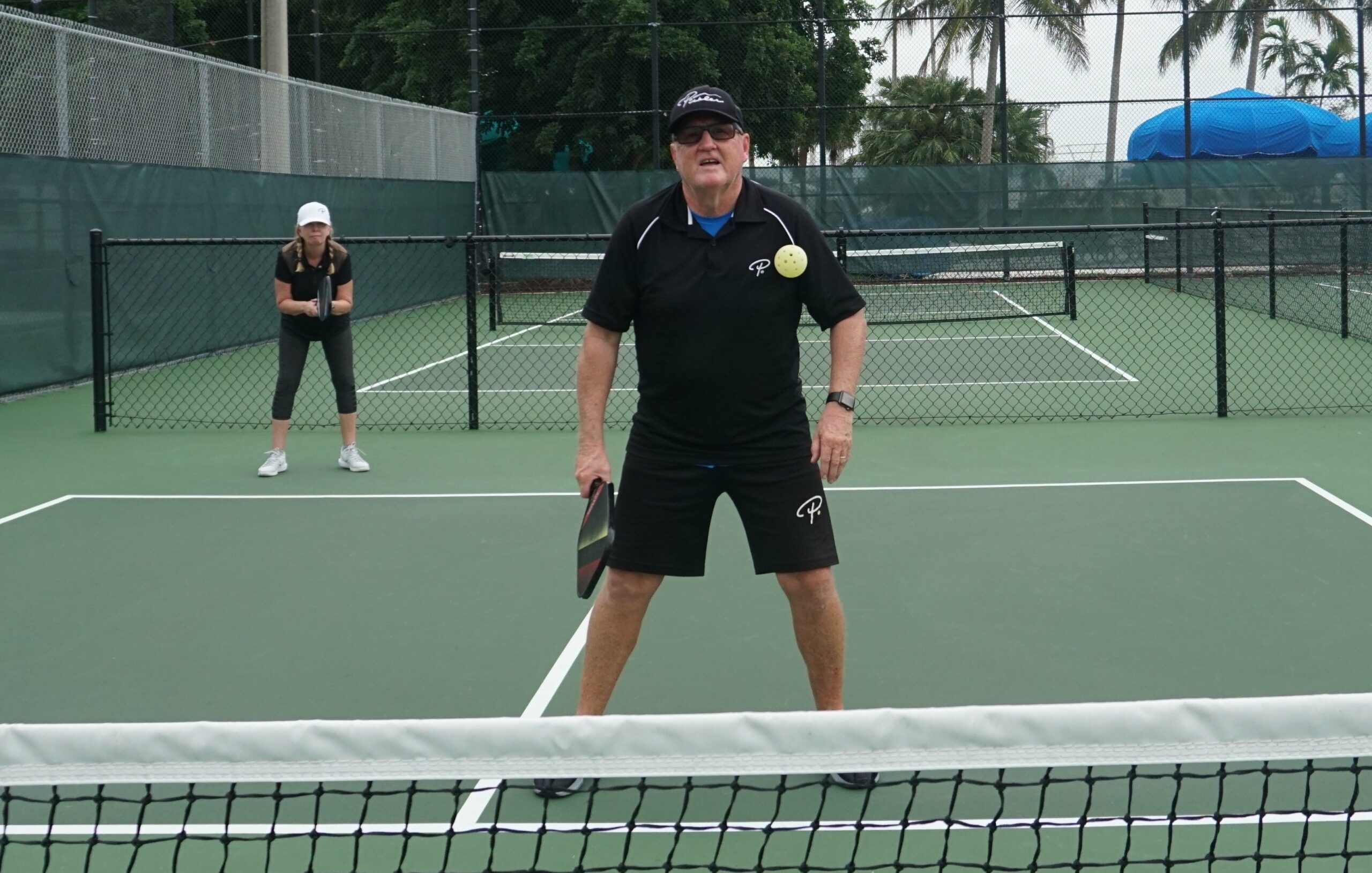
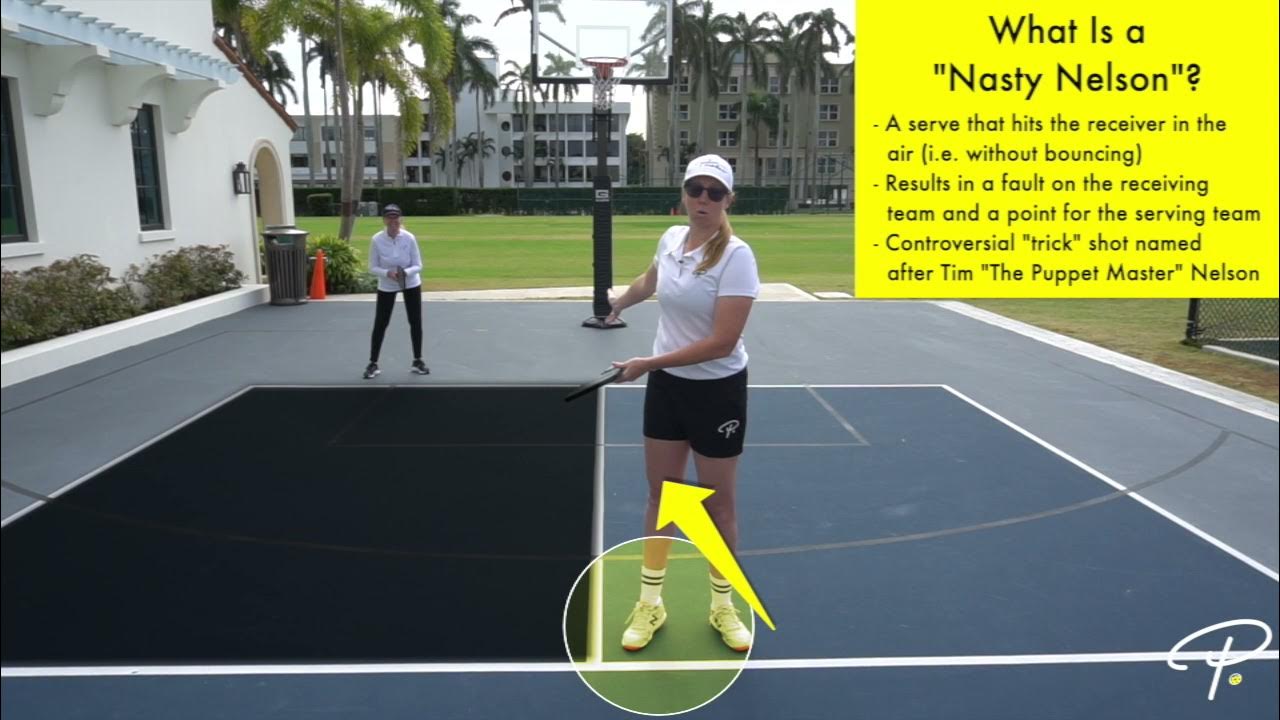
The nasty nelson is a serve hit at the receiver’s partner before the ball bounces. If the ball touches that player, it’s a fault on the receiving team. The server wins the point. That’s why some players call it a “gotcha serve.”
It’s named after pro player Timothy Nelson, who used it to keep opponents honest. The nasty nelson works best when the receiver’s partner crowds the center line or leans into the service box. It forces space, adds pressure, and earns free points when used with care.
Is a Nasty Nelson Legal? The Rules You Need to Know
Yes, a nasty nelson is legal under USA Pickleball rules. A served ball that strikes the receiver or the receiver’s partner before bouncing is a fault on the receiving team. The server or serving team gets the point.
The serve still must follow all service rules. Strike from the correct side, hit underhand or use a drop serve, and land the ball in the correct box if it does not hit a player. If you miss and the ball lands out, it’s your fault. In rec play, some groups see the nasty nelson as edgy. In tournaments, it’s simply another tool.

When and Why to Use a Nasty Nelson
Use a nasty nelson when:
- The receiver’s partner stands close to the centerline.
- They lean into the service box or drift forward early.
- They stare at your paddle instead of the ball.
- You want to push them back to open the middle.
Why it works:
- It creates instant doubt and space.
- It stops poaching on the third shot.
- It adds free points and keeps your serve dangerous.
I use a nasty nelson sparingly. One early in a game often keeps the partner back a step or two. That small shift gives my team the middle.
How to Execute a Nasty Nelson (Step by Step)
Follow this simple plan to hit a clean nasty nelson with control.
- Set up near the centerline. This angle gives a clear path to the partner.
- Use your normal routine. Do not telegraph the plan with a big stance change.
- Aim for the outside shoulder or hip of the receiver’s partner. This keeps the ball away from the face and eyes.
- Hit a flat or soft topspin serve. Too much pace makes you miss. You want firm and direct.
- Keep the ball low and true. Chest-high is enough. Focus on a smooth swing and clean contact.
- Be ready for a miss. If they dodge and the ball lands out, move on. Do not force it.
Personal tip: I picture a “doorway” at the partner’s hip. I swing through that doorway with a relaxed arm. This mental cue keeps my aim steady.
Defending Against a Nasty Nelson
The best defense is simple awareness. Make a few small changes and you’ll shut it down.
- Stand a step back from the kitchen during the serve. Give yourself space to react.
- Keep your paddle up and in front. Your paddle is your shield.
- Angle your body toward the server. See the ball early.
- Call it out. A quick “watch it” from the receiver helps the partner brace.
- Adjust position. If the serve keeps coming at you, cheat a bit closer to the sideline.
If you do get hit, shake it off and reset. The real win is forcing the server to stop trying it.

Smart Strategy: Make the Nasty Nelson Part of a Bigger Plan
Think of the nasty nelson as a setup tool, not your whole game.
- Use it early to claim space. Then feed more serves to the backhand corner.
- Mix speeds and spins. If they back off, drop a softer serve in the corner.
- Watch reactions. If the partner moves back two steps, you have the middle for the third shot.
- Do not repeat it too often. One or two attempts per match is enough at most levels.
In league play, I use one nasty nelson in game one. In game two, I skip it and attack the open gap it created.
Drills to Practice the Nasty Nelson (and the Counter)
You can train this safely with simple court drills.
- Target gate drill: Place two cones near the centerline on the far side. Serve through the “gate” to a standing partner. Start slow, build control.
- Shoulder hip drill: A partner stands with a paddle over the outside hip. Aim to tap the paddle face, not the body.
- Reaction block drill: Switch roles. Have a server aim near you as the partner. Practice blocking with a soft, short punch.
- Footwork shuffle: As the partner, split step on the toss, then shuffle back half a step. Repeat 10 times to build a habit.
Wear eye protection while practicing this. Keep tone friendly, and agree on limits before you start.

Safety, Etiquette, and Sportsmanship
Safety comes first. Aim mid-body, not at the head. Avoid blasting the ball at close range. If you miss high and tag someone hard, apologize at once.
Etiquette matters in rec play. Ask your group if this is fair play before trying it. In tournaments, it’s standard. Still, a nasty nelson is best used with respect and restraint.
I set a simple rule for myself. If I would not want it done to me in that moment, I skip it.

Common Mistakes and How to Fix Them
Avoid these traps when using a nasty nelson.
- Telegraphing your plan. Fix: Keep your normal pre-serve routine and tempo.
- Too much pace. Fix: Smooth swing and firm, not furious, contact.
- Aiming at the head. Fix: Choose outside shoulder or hip. Stay safe and respectful.
- Breaking serve rules. Fix: Mind the correct box, feet, and legal contact point.
- Overuse. Fix: Use it as a surprise, then play the space it creates.
Gear and Conditions Tips
You do not need special gear to use a nasty nelson. But small tweaks help.
- Paddle feel: A control paddle helps you aim the body line. A raw-carbon face can add bite without overhitting.
- Ball choice: Indoor balls are softer and may slow this tactic. Outdoor balls stay truer off the paddle.
- Conditions: Wind at your back can push the ball high. In that case, lower your target and add a touch of topspin.
Real-World Examples and Lessons Learned
In a recent 4.0 match, the receiver’s partner camped at the middle line. I used one nasty nelson early. Next serve, they stood two steps back. That gave me a clear lane for a third-shot drop into the gap.
Once, I overused the nasty nelson and fired one high. It hit a shoulder awkwardly. I apologized, eased off, and shifted to angles. The lesson: win with brains, not bravado.
If you try a nasty nelson, track results like any tactic. If it earns space or points, it’s worth it. If not, shelve it and press your core game.
Frequently Asked Questions of nasty nelson
Is a nasty nelson legal in pickleball?
Yes. If a served ball hits the receiver or their partner before bouncing, it’s a fault on the receiving team. The serving team wins the point.
Who invented the nasty nelson?
It’s named after pro player Timothy Nelson. He popularized the serve aimed at the receiver’s partner to punish crowding at the middle.
When should I try a nasty nelson?
Use it when the receiver’s partner crowds the centerline or leans in early. Try it early in a game to create space and doubt.
How do I avoid getting hit by a nasty nelson?
Stand a step back from the kitchen during the serve and keep your paddle up. Face the server, split step, and be ready to block or dodge.
Is the nasty nelson considered bad sportsmanship?
In tournaments, it’s accepted. In rec play, ask your group first and use it sparingly. Always aim low and apologize if you tag someone hard.
What if I miss and the serve goes out?
Then it’s your fault and you lose the serve. Keep your aim tight and your swing smooth to avoid wild misses.
Can I use a drop serve for a nasty nelson?
Yes, a drop serve works fine. It can help reduce pace and improve control of your aim line.
Conclusion
The nasty nelson is a legal, sharp tool that earns space and surprise points. Use it with skill, respect, and a steady plan. If you face it, small shifts in stance and paddle prep will shut it down fast.
Take one idea from this guide and try it in your next match. If it helps, come back for more tips, subscribe for fresh tactics, or drop a question so we can improve your game together.